Photo: Wikipedia
Find The Best Places To Live
in Pittsboro
PRO TIP! You can paste a Zillow or Redfin link to get info on that property.
Compare Pittsboro with another place
What It's Like Living in Pittsboro, NC
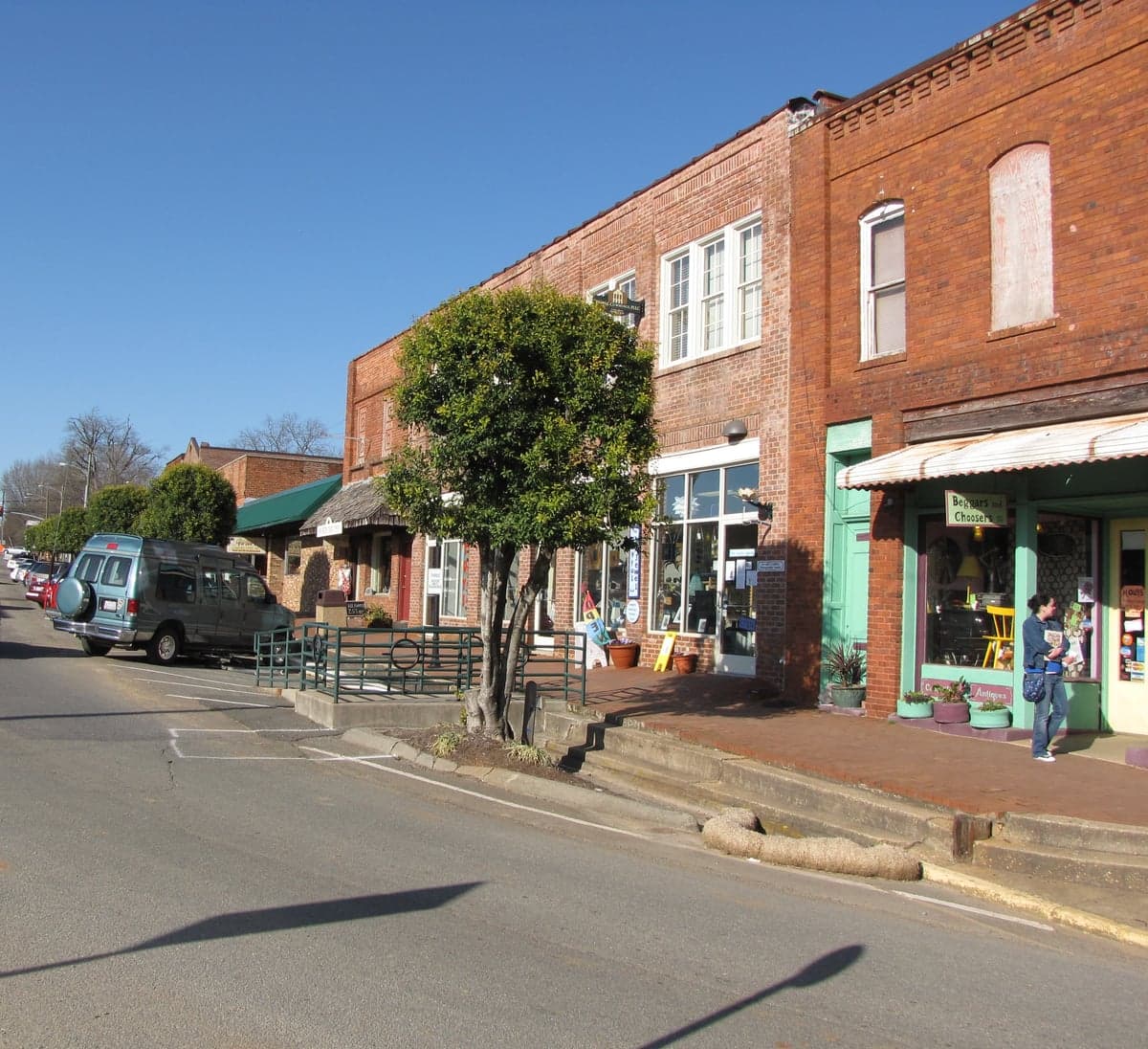
Pittsboro is the kind of small town where you still get a wave from the truck in the oncoming lane, but it’s also got a quirky, creative streak that keeps things from feeling sleepy. With about 4,640 residents, it’s the county seat of Chatham County, and it wears that role with a mix of old courthouse charm and a growing food-and-arts scene that’s pulling in folks from the Triangle who want space but not isolation. If you’re looking for a place where you can know your neighbors and still grab a decent craft beer, this might be your spot.
The Daily Rhythm: Slow Mornings, Commuter Evenings
Most mornings in Pittsboro start at the Pittsboro Farmers’ Market or a quick stop at Barefoot Bakery for a pastry before the workday kicks in. The median age here is 42.5, which means you’ve got a solid mix of established families and empty-nesters who’ve traded the suburbs for a slower pace. About 42.6% of adults hold a college degree, so conversations at the coffee shop tend to drift toward local politics or the latest restoration project on a historic home. The median household income sits at $64,792, which is modest compared to nearby Cary or Chapel Hill, but it stretches further here because the cost of living is right at the national average (index of 100).
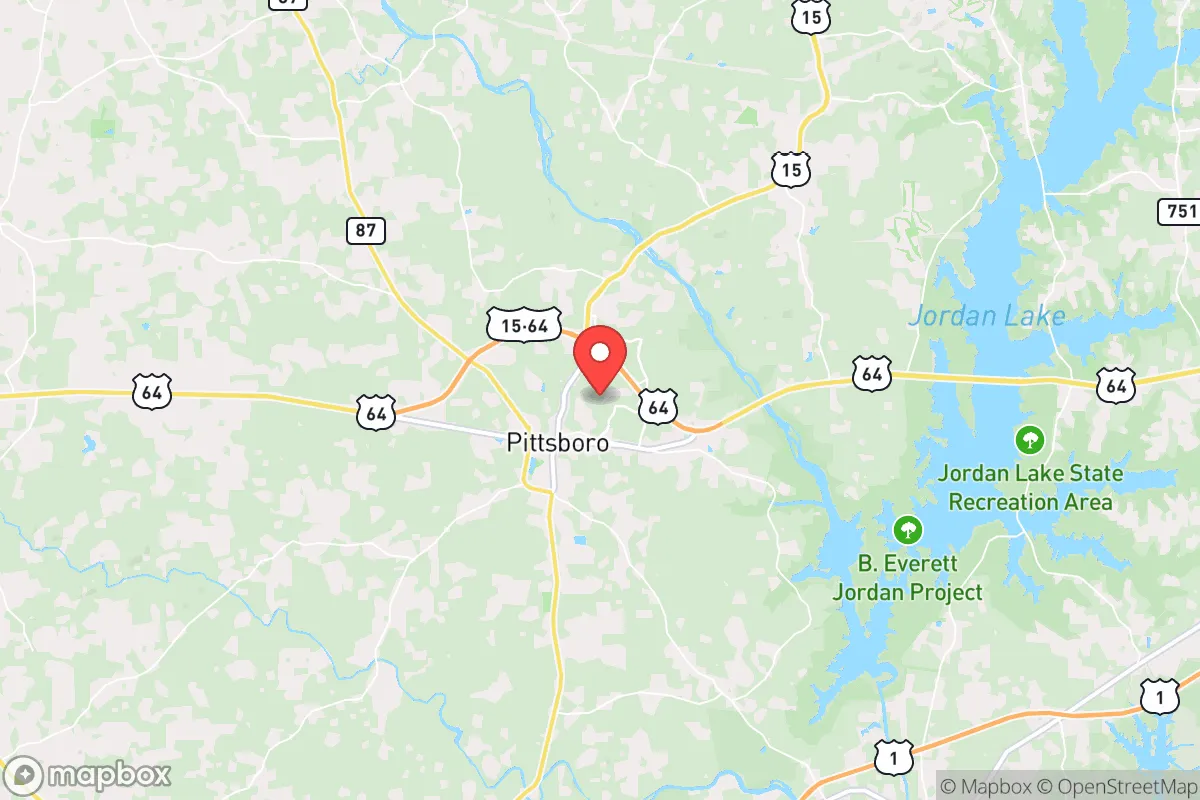
The average commute is about 25 minutes, which is manageable but worth noting if you’re used to a shorter drive. Many residents work in RTP (Research Triangle Park) or at UNC-Chapel Hill, so the morning flow is a steady stream south on US 15-501. After work, people tend to stay local — you’ll see families at the Chatham County Community Library or grabbing dinner at The S&T Soda Shoppe, a vintage soda fountain that’s been a fixture since the 1940s. Weekends often involve a hike at Jordan Lake State Recreation Area (about 15 minutes east) or a lazy afternoon on the porch of a downtown coffee shop.
Sports, Festivals, and the Social Calendar
High school sports are the main event here. Northwood High School (the local public school) draws a good crowd for Friday night football, and the community rallies around the Chargers in a way that feels genuine, not forced. There’s no pro team in town, but you’re less than 30 minutes from UNC Tar Heels basketball and football, so college sports fandom runs deep. The Pittsboro-Siler City Convention & Visitors Bureau helps coordinate the annual Pittsboro Christmas Parade and the Chatham County Fair, both of which pack the downtown streets with locals and folks from surrounding farms.
For music and arts, the Pittsboro Arts & Crafts Festival in the fall is the highlight — it fills the historic courthouse square with local potters, painters, and live bluegrass. The Plant, a former mill turned event space, hosts concerts and community gatherings that lean toward folk and Americana. If you’re into outdoor entertainment, Jordan Lake is the big draw: 14,000 acres of water for kayaking, fishing, and camping, and it’s where half the town seems to spend summer weekends. The weather follows a classic four-season rhythm — hot, humid summers (think 90°F with afternoon thunderstorms), mild springs and falls, and winters that are cold enough for a fire pit but rarely snowy.
Who Fits In — and Who Might Struggle
Pittsboro works best for people who value community over convenience. If you’re a young family looking for a slower pace than the Raleigh suburbs, or a retiree who wants a walkable downtown with a hardware store and a diner, you’ll settle in fast. The median home value is $342,800, which is steep for a town this size but still cheaper than Chapel Hill or Durham. Rentals are harder to find, and the inventory of homes under $300,000 is tight, so first-time buyers may need to be patient or look at nearby Siler City.
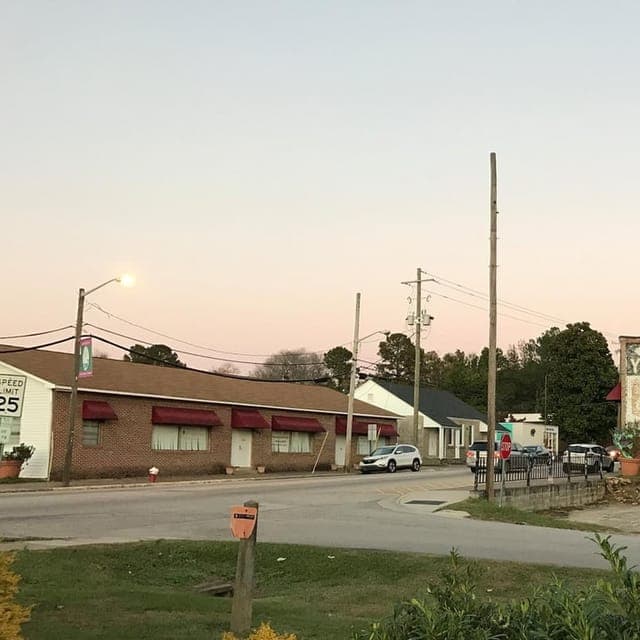
The violent crime rate is 196.1 per 100,000 — slightly above the national average — but most residents will tell you the real nuisance is property crime, especially theft from unlocked cars. It’s not a dangerous town, but it’s not a bubble either. The biggest frustration for longtime locals is the slow creep of traffic on US 15-501, which turns a 10-minute trip to the grocery store into a 20-minute slog during peak hours. New development is coming (a few subdivisions and a new Harris Teeter), and that’s a sore spot for people who moved here to escape sprawl.
Cultural Quirks and Local Identity
Pittsboro has a distinct identity that’s hard to pin down — part old Southern courthouse town, part artist enclave, part commuter bedroom. You’ll see Confederate monuments on the square and a “Hate Has No Home Here” sign in the same block, and somehow it works. The Chatham County Arts Council is active, and the Pittsboro Gallery on Hillsboro Street showcases local work that ranges from traditional landscapes to abstract sculpture. The town’s unofficial motto might be “keep it weird, but keep it civil” — there’s a strong DIY ethos, with residents who restore historic homes, run small farms, and organize community potlucks.
One quirk: the Pittsboro General Store still sells penny candy and live bait, and it’s the kind of place where the owner knows your name after two visits. That’s the Pittsboro trade-off — you get genuine small-town character, but you also get limited shopping (the nearest Target is 20 minutes north in Chapel Hill) and a restaurant scene that’s more diner-and-pizza than fine dining. For most people who live here, that’s exactly the point.

Similar small towns to Pittsboro

* Values derived from national, state, county, city and local statistics and may differ in a specific area. Last updated: 2026-11-13T01:55:02.000Z
Narrative content on this page is AI-generated and may contain mistakes. Verify any details that matter before acting on them.
ReloMaps may earn a commission from affiliate links at no extra cost to you.

