
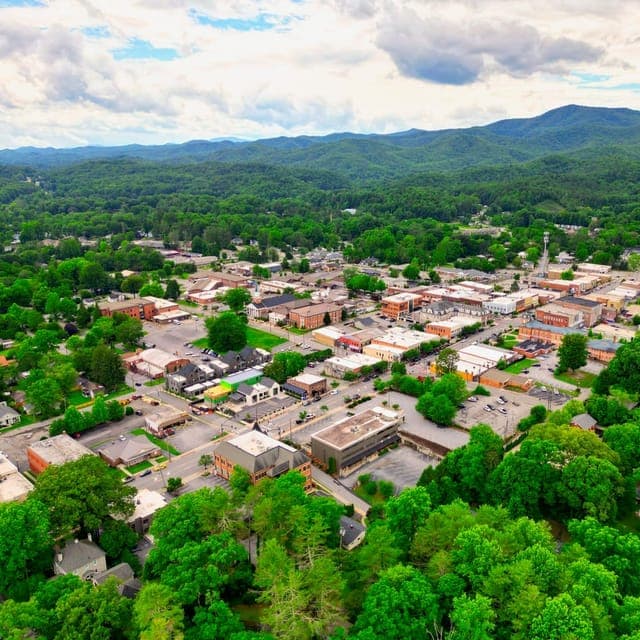
Photo: Wikipedia
Find The Best Places To Live
in Mars Hill
PRO TIP! You can paste a Zillow or Redfin link to get info on that property.
What It's Like Living in Mars Hill, NC
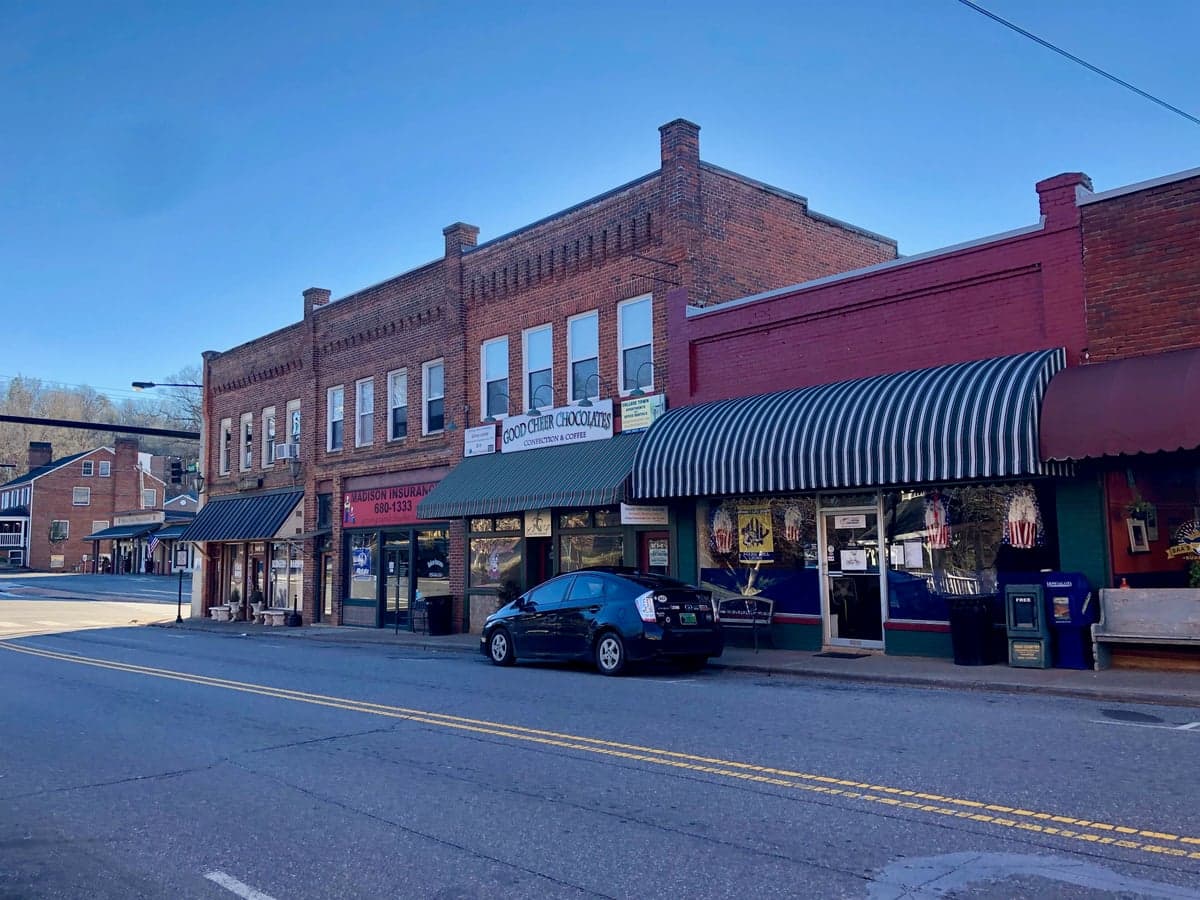
Mars Hill, North Carolina, feels like a small town that grew up around a college, not the other way around. With just over 2,700 residents and a median age of 30.3, the place has a youthful, academic pulse that blends with the slower rhythms of Appalachian life. It’s the kind of community where you’ll see students walking to class alongside retirees heading to the post office, and where the local coffee shop doubles as a study hall and a gossip hub.
Daily Rhythm: Where People Actually Go and What They Do
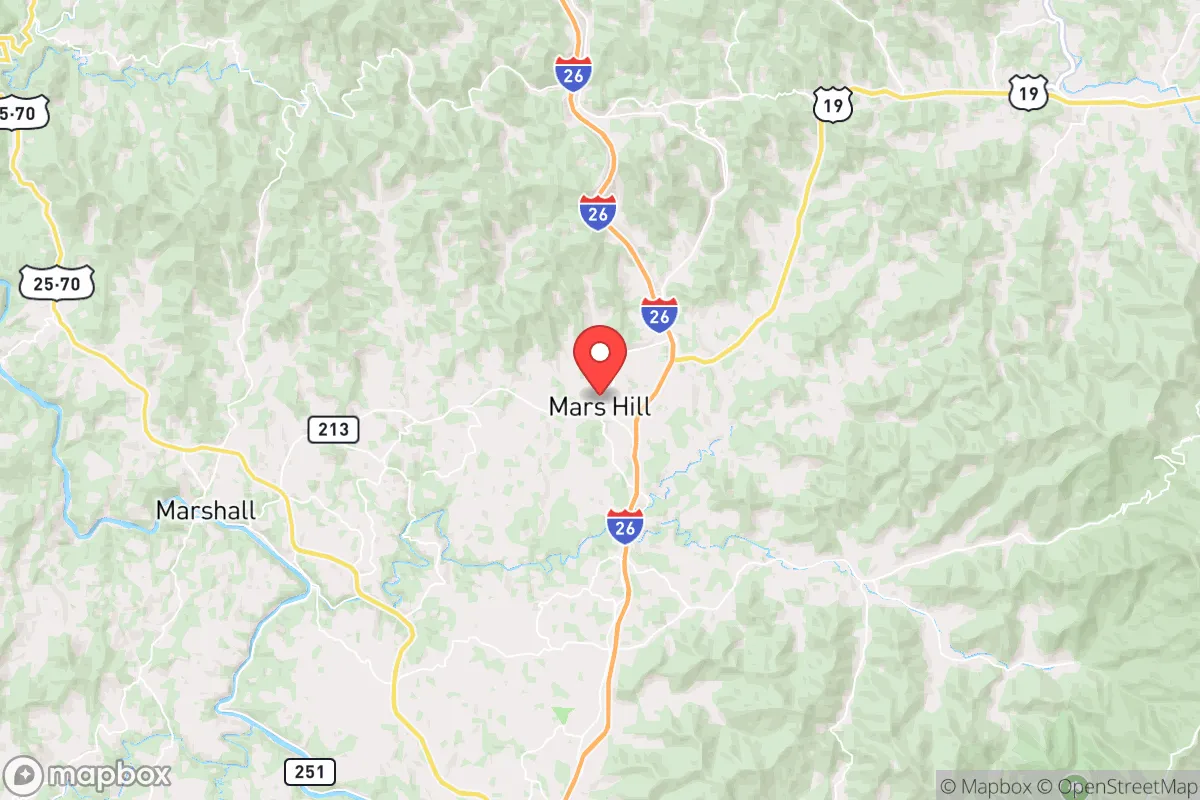
Most mornings in Mars Hill start with a stop at Mars Hill Coffee House on Main Street, where the espresso machine hums alongside conversations about local politics or the weekend’s hiking plans. The town’s economy leans heavily on Mars Hill University, a private liberal arts college that employs a significant chunk of the population and draws in students from across the region. On weekdays, the campus is the heartbeat—classes, faculty meetings, and the occasional concert at Moore Auditorium fill the calendar. For groceries, most residents drive the 15 minutes to Weaverville or 25 minutes to Asheville, since Mars Hill itself has only a small IGA and a couple of convenience stores. That commute—averaging about 28 minutes—is a trade-off locals accept for the quiet. Weekends often mean hiking the Appalachian Trail access points just north of town, fishing in the French Broad River, or grabbing a burger and a beer at Smokey’s Sports Bar & Grill, where the TVs are always tuned to college football or NASCAR.
Who Fits In Here: Work, Family, and Affluence
Mars Hill attracts a specific mix: university faculty and staff, young families who work remotely or commute to Asheville, and retirees who want a quieter, cheaper slice of the mountains. The median household income sits at $77,826, which is solid for the region—especially given the cost of living index of 91, meaning everyday expenses run about 9% below the national average. That income goes further here than in Asheville, where home prices have skyrocketed. The median home value of $295,700 buys a modest three-bedroom with a yard, often within walking distance of downtown. About half the population holds a college degree, which tracks with the university’s influence. It’s not a wealthy town—there are no gated communities or luxury boutiques—but it’s comfortable. People here tend to value self-sufficiency, outdoor recreation, and community involvement over status symbols.
Sports, Festivals, and the Local Social Calendar
Sports in Mars Hill revolve almost entirely around Mars Hill University athletics. The Lions compete in NCAA Division II, and football games at Ambrose Field draw a loyal crowd of students, alumni, and locals who pack the bleachers on crisp autumn Saturdays. Basketball and soccer also have followings, but the real energy comes during homecoming weekend, when the town swells with returning graduates. Beyond college sports, the community rallies around Madison County High School football and basketball games—especially when the Patriots face rival Mountain Heritage or Owen. For festivals, the Mars Hill University Mountain Music Festival in spring brings bluegrass and old-time bands to campus, while the Madison County Farmers Market runs from May through October on Main Street, selling local produce, crafts, and baked goods. The Mars Hill Library hosts author talks and children’s story hours, and the Appalachian Wildlife Refuge just outside town offers a quiet place to learn about native species.
Pros and Cons of Living Here: What Locals Actually Say
Longtime residents love the sense of safety and community—neighbors know each other, kids can walk to the park, and the pace is unhurried. The violent crime rate of 325.1 per 100,000 is higher than the national average, but most incidents are concentrated near the university or along the main highway, and property crime is the bigger concern. Locals will tell you to lock your car and keep valuables out of sight, but they’ll also say they feel comfortable walking downtown after dark. The biggest frustration is the lack of shopping and dining variety—you’ll drive to Asheville for a Target, a movie theater, or a sit-down restaurant that isn’t a pizza joint or a sports bar. Traffic is minimal except during university move-in days or when a wreck snarls US-23, the main artery through town. Weather-wise, summers are mild (highs in the low 80s) and winters are cold but not brutal, with occasional snow that shuts down the town for a day or two. Schools are a mixed bag: Madison County Schools are small and community-focused, but test scores lag behind state averages, which pushes some families toward private or charter options in Asheville. The cultural quirk that defines Mars Hill is its dual identity—it’s both a college town and a mountain hamlet, which means you’ll hear banjo music from a porch one block over from a lecture on post-modernism. That blend isn’t for everyone, but for the people who stay, it’s exactly right.

Similar small towns to Mars Hill

* Values derived from national, state, county, city and local statistics and may differ in a specific area. Last updated: 2026-10-20T17:07:26.000Z
Narrative content on this page is AI-generated and may contain mistakes. Verify any details that matter before acting on them.
ReloMaps may earn a commission from affiliate links at no extra cost to you.

