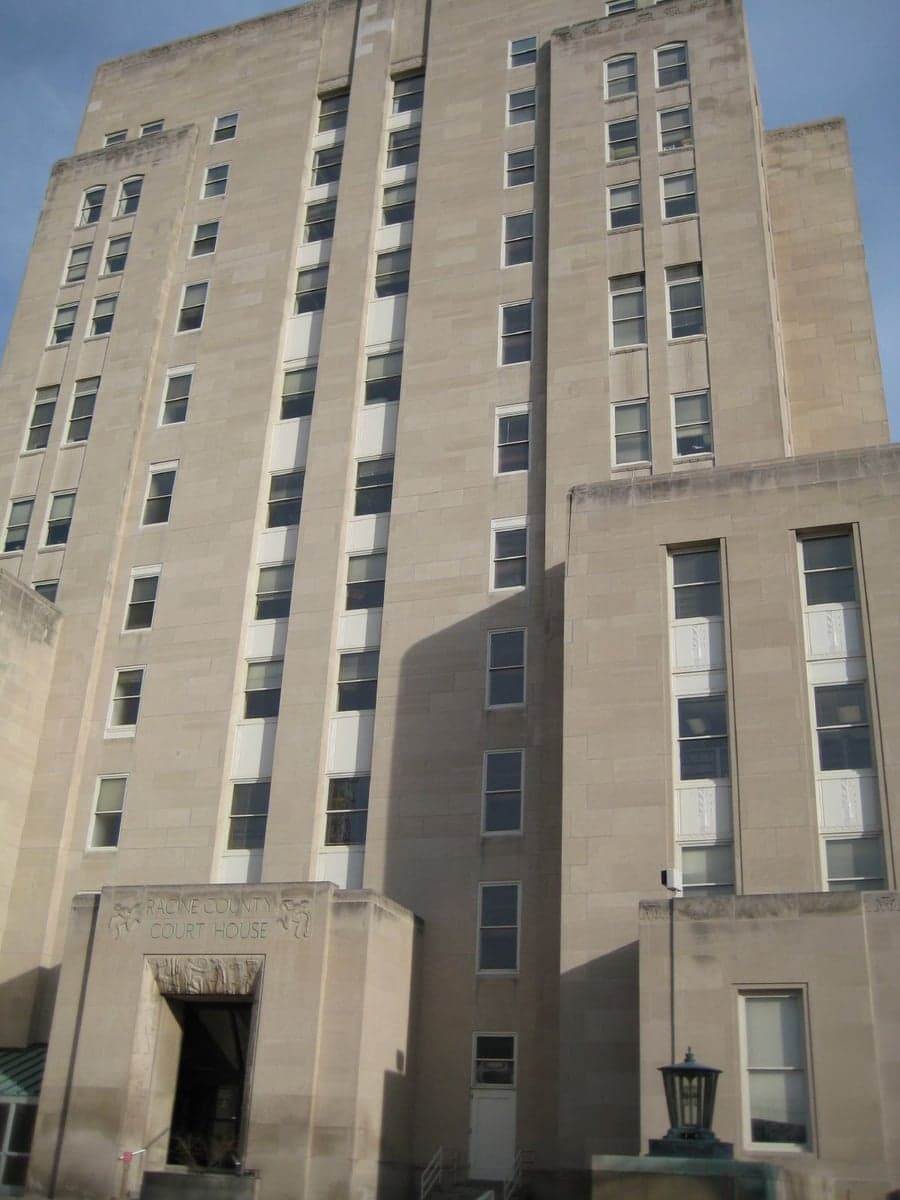
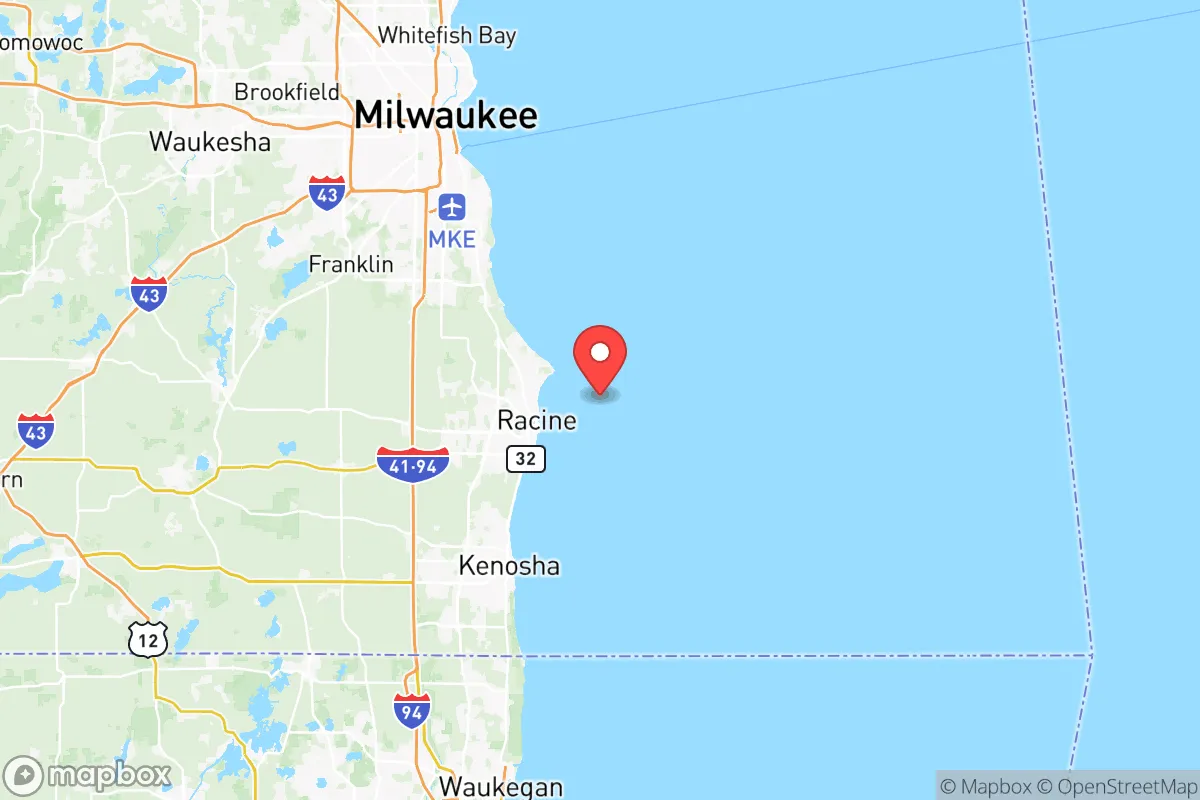
Photo: Wikipedia
Find The Best Places To Live in Racine County
PRO TIP! You can paste a Zillow or Redfin link to get info on that property.
Best Places to Live in Racine County
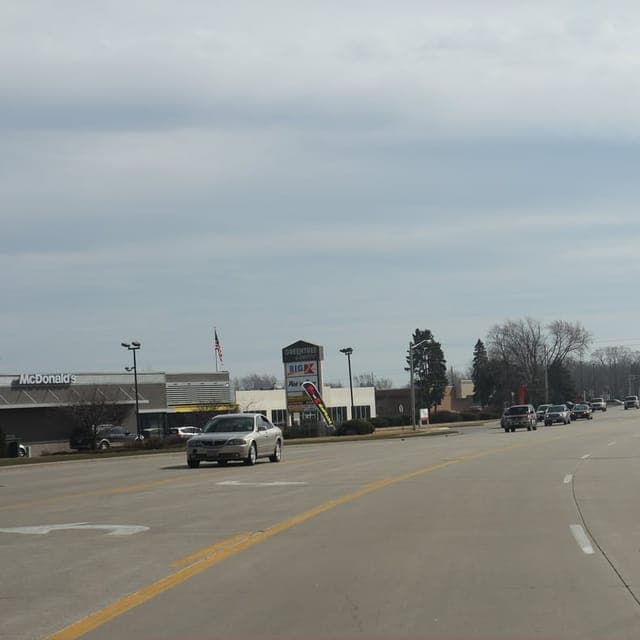
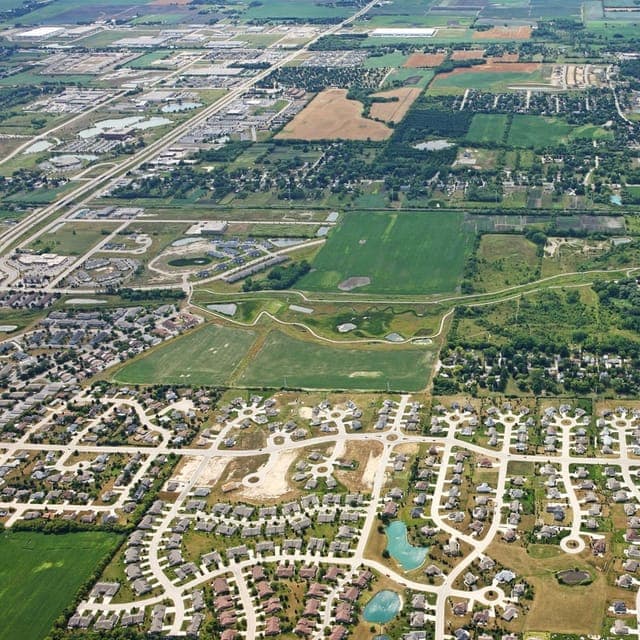
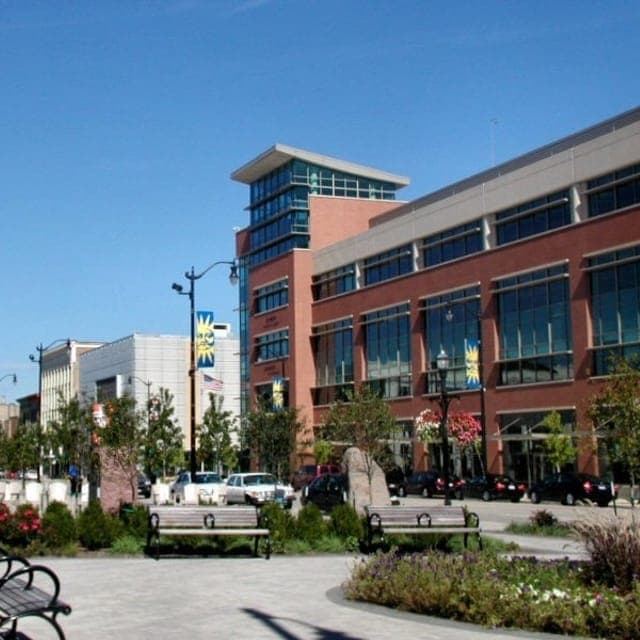
Cities & Towns in Racine County
Cities in Racine County
What It's Like Living in Racine County, WI
Living in Racine County feels like being part of a place that’s always been here, quietly doing its own thing between the big-city energy of Milwaukee and the calm of the Wisconsin countryside. It’s a county of contrasts—the Lake Michigan shoreline in the City of Racine gives it a Great Lakes identity, while towns like Burlington, Waterford, and Union Grove feel like classic small-town Wisconsin, with dairy farms, antique shops, and Friday-night fish fries. For a single person or a family looking for a lower cost of living without being completely cut off from urban amenities, Racine County offers a practical middle ground: a cost of living index of 86 (well below the national average) and a median home value of $239,400 that still feels attainable compared to Milwaukee or Chicago.
Daily Rhythm: What People Actually Do
Most days in Racine County start with a commute that averages just under 24 minutes—short enough that you don’t feel like you’re wasting your life in the car, but long enough to listen to a podcast. People who work in Milwaukee or Kenosha often live in places like Caledonia or Mount Pleasant for the space and lower taxes, while those who work locally might be at one of the county’s major employers—like SC Johnson in Racine, which is a huge presence in the community, or the Amazon fulfillment center in Kenosha County just south. Weekends are often spent on the lakefront: walking the Racine Zoo’s grounds, fishing off the pier at North Beach, or grabbing coffee at a downtown Racine café like the Buzz. In Burlington, the vibe is more rural and family-oriented, with people hitting the farmers market on Saturdays or heading to the Burlington Dam for a walk. The county’s median age of 40.5 suggests a slightly older population than the national average, but families with kids are common, especially in the suburban townships where school districts like Waterford Union High School and Union Grove High School are community anchors.
Sports, Community, and the Things That Bring People Together
High school sports are a genuine big deal here—especially football and basketball. On a Friday night in fall, you’ll find bleachers full at Union Grove High School or Waterford High School games, and the rivalry between Burlington and Waterford is the kind of thing that gets talked about at the local diner all week. For pro sports, it’s all about Milwaukee: the Brewers, Bucks, and Packers are followed passionately, and it’s a short drive north to catch a game. Racine County doesn’t have its own major league team, but the Racine Raiders semi-pro football team has a loyal local following and plays at Horlick Field, a historic stadium that’s been around since the 1920s. Festivals are another big part of the social calendar. The Racine County Fair in Union Grove is a classic summer event with carnival rides and livestock shows, while Burlington’s ChocolateFest is exactly what it sounds like—a weekend of chocolate-themed fun that draws families from across the region. For music and nightlife, downtown Racine has a handful of bars and live music venues like the Route 20 Outhouse, which is a dive bar institution known for its rock shows and no-frills atmosphere.
What’s There to Do: Outdoors, Eats, and Local Quirks
The Lake Michigan shoreline is the county’s biggest natural asset. North Beach in Racine is a popular spot for swimming and sunbathing in the summer, and the Racine Zoo is a small but well-loved attraction that’s perfect for a family afternoon. For a quieter outdoor experience, the Richard Bong State Recreation Area in Kansasville offers hiking, birdwatching, and even hang gliding—it’s one of the more unique outdoor spots in southeastern Wisconsin. The Root River flows through the county and is popular for kayaking and fishing, especially around the River Bend Nature Center in Racine. When it comes to food, Racine County has a few iconic spots. O&H Danish Bakery in Racine is famous for its kringle, a Danish pastry that’s practically the county’s official dessert, and locals will argue over which bakery makes the best one. For a classic Wisconsin supper club experience, people head to places like the Hobnob Restaurant in Racine for old-fashioned cocktails and prime rib. The county’s cultural quirks include a strong Danish heritage in Racine city itself—evident in the annual St. Lucia Festival and the presence of Danish flags around town—while Burlington leans more German and agricultural. One thing that frustrates some residents is the lack of major entertainment venues: you’re driving to Milwaukee for concerts, pro sports, or big shopping malls, and the nightlife in Racine city can feel limited compared to a bigger metro area.
Pros and Cons of Living Here
For the right person, Racine County offers a lot. The pros are straightforward: affordable housing compared to Milwaukee or Chicago, a short commute for most residents, and a strong sense of community in the smaller towns. The violent crime rate of 236.8 per 100,000 is slightly above the national average, but it’s concentrated in certain parts of the City of Racine, and most suburban and rural areas feel very safe. The schools in places like Waterford and Union Grove are well-regarded, and the county’s median income of $75,331 is solid for the region. On the downside, the weather is a real factor: winters are long and cold, with lake-effect snow hitting the eastern parts of the county harder than inland areas. The job market is decent but not booming—many residents commute to Milwaukee or Kenosha for higher-paying work, and the county’s 28% college-educated rate is below the national average, which reflects a more blue-collar economic base. Some longtime residents grumble about the slow pace of development in downtown Racine, where storefronts have sat empty for years, though recent investments in the lakefront and the new Racine Art Museum have helped. Ultimately, Racine County is a place for people who want a quieter, more affordable life within striking distance of a major city, and who don’t mind trading a bit of excitement for space and community.

* Values derived from national, state, county, city and local statistics and may differ in a specific area. Last updated: 2026-06-15T20:19:34.000Z
Narrative content on this page is AI-generated and may contain mistakes. Verify any details that matter before acting on them.
ReloMaps may earn a commission from affiliate links at no extra cost to you.

