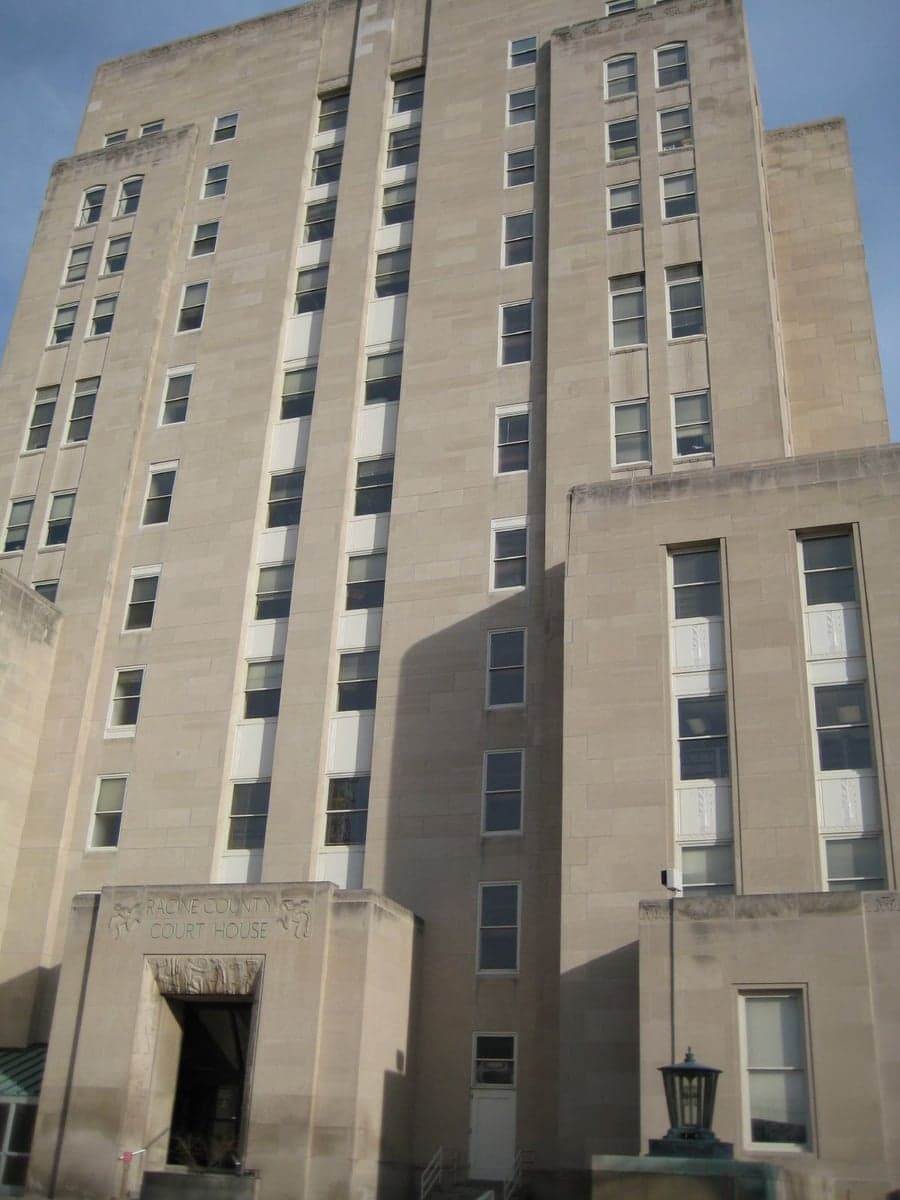
Photo: Wikipedia
Quality of Life in Racine County
A livable area that tracks near national norms for affordability, walkability, and neighborhood health.
What does Quality of Life tell us?
Quality of Life measures an area by evaluating factors like cost of living, nearby amenities, country club access, airport proximity, socioeconomic signals and neighborhood character. For large states, this is a general average — quality of life can vary dramatically between metro areas, suburbs, and rural communities within the same state.
What does this tell us?
Quality of Life measures an area by evaluating factors like cost of living, nearby amenities, country club access, airport proximity, socioeconomic signals and neighborhood character. For large states, this is a general average — quality of life can vary dramatically between metro areas, suburbs, and rural communities within the same state.
Cost of Living
14% below national average
110%
The Real Cost of Living in Racine County for 2026
| Tier | Individual | Family (4) |
|---|---|---|
| Survival | $16k | $31k |
| Comfortable | $47k | $68k |
| Luxury | $124k+ | $193k+ |
| Elite (Top 5%) | $146k+ | $227k+ |
Quality-of-Life Analysis
Racine County, Wisconsin, offers a broad quality-of-life spectrum that ranges from the urbanized Lake Michigan shoreline of Racine city to the quiet agricultural hamlets and bedroom communities of its western and northern townships. The county’s overall cost of living index of 86 (100 is the U.S. average) makes it notably more affordable than the national norm, while a median home value of $239,400 and median rent of $1,017 keep housing accessible across most of its submarkets. This diversity attracts a mix of commuters working in Milwaukee or Chicago, families seeking lower property taxes than Illinois, and retirees looking for small-town calm with access to regional healthcare and shopping.
Largest town(s) & population centers
The county’s urban anchor is the city of Racine (population roughly 77,000), which sits on the Lake Michigan shore and provides the densest concentration of jobs, cultural amenities, and services. Daily life in the city revolves around the lakefront parks, the Racine Art Museum, and a downtown that has seen reinvestment in breweries and riverwalk spaces. Racine is also home to major employers such as CNH Industrial and SC Johnson, whose global headquarters remains in the city. Just west of Racine, the village of Mount Pleasant (population ~27,000) functions as a major retail and employment corridor, anchored by the Foxconn development site and the large shopping district along Highway 20. Mount Pleasant offers newer subdivisions and apartment complexes, making it a primary draw for families and workers who want suburban-style amenities—big-box stores, chain restaurants, and quick freeway access—without the higher price tags of Milwaukee’s North Shore suburbs. Together, Racine and Mount Pleasant form the county’s economic and population core, with an average commute of just under 24 minutes keeping travel times manageable for most residents.
Smaller towns & rural pockets
Moving inland and northward, the county’s character shifts markedly. The village of Waterford, located along the Fox River in the county’s northwest corner, is a classic small-town hub with a walkable downtown, a strong school system (Waterford Union High School), and easy access to Interstate 43 for commuters heading to Milwaukee or Racine. Further south, Burlington (population ~11,000) sits partly in Racine County and partly in Walworth County, offering a historic downtown centered on the Fox River and a strong manufacturing base. Burlington is known for its annual Chocolate Fest and for being a more affordable alternative to lakefront communities. The unincorporated hamlet of Wind Lake, near the Waukesha County line, is a popular spot for lakefront cottages and seasonal recreation, while Rochester (population ~3,700) retains a rural crossroads feel with a growing number of new subdivisions. In the county’s far southwest, the town of Dover and the village of Union Grove offer true rural living—farmland, country roads, and small-lot subdivisions—with Union Grove providing a compact downtown and a well-regarded school district. These smaller communities are where residents trade the convenience of city services for larger lots, quieter streets, and lower per-square-foot home prices.
Cost & lifestyle range
The cost and lifestyle spread across Racine County is significant. At the higher end, lakefront neighborhoods in the city of Racine and newer subdivisions in Mount Pleasant command prices well above the county median; a home on or near Lake Michigan can easily exceed $400,000, while a new-construction house in Mount Pleasant’s west side often lands between $350,000 and $500,000. Renters in these areas pay a premium for proximity to the lake and retail corridors. At the lower end, the county’s rural towns—particularly Dover, Norway, and Raymond—offer home values frequently under $200,000 for older homes on acreage, and rents that can dip below $900 for a two-bedroom unit in a duplex or older apartment building. The county’s median rent of $1,017 is roughly $300 below the national average, making even the pricier lakefront areas more accessible than comparable coastal suburbs in Illinois. Property taxes in Racine County are moderate by Wisconsin standards, though they vary by school district; Burlington and Waterford districts tend to have slightly lower mill rates than Racine Unified, which can shift monthly housing costs by $50–$100 depending on the home’s value.
Residents who thrive in Racine County are typically those who value geographic flexibility—the ability to choose between a walkable lakefront city, a suburban retail corridor, or a quiet rural township within the same 20-minute commute. The county works well for commuters who work in Milwaukee (a 30–40 minute drive from Mount Pleasant or Waterford) or in northern Illinois, for families who want school choice across multiple districts, and for retirees who want lower housing costs than the Illinois side of the border while still having access to Racine’s hospitals and Lake Michigan recreation. The trade-off is that the county lacks the high-end dining and cultural density of Milwaukee’s East Side or Chicago’s North Shore, but for those who prioritize affordability, short commutes, and a mix of urban and rural living, Racine County delivers a balanced, low-stress quality of life.

Crime in Racine County
Generally safer than 61% of comparable U.S. locations.
Violent CrimeViolent Crime Analysis
Property CrimeProperty Crime Analysis
Crime Analysis
Racine County, Wisconsin, presents a mixed safety picture that demands careful attention from potential residents. The county's violent crime rate of 236.8 incidents per 100,000 residents sits below the national average but above the Wisconsin state average, while its property crime rate of 996.9 per 100,000 significantly exceeds both state and national benchmarks. These figures, drawn from the most recent FBI Uniform Crime Reporting data, indicate that while violent confrontations are less common than in many parts of the country, property crime — including burglary, theft, and motor vehicle theft — is a persistent concern across the county's communities.
Crime in context
Racine County's violent crime rate of 236.8 per 100,000 is roughly 32% lower than the national average of approximately 380 per 100,000, but it runs about 15% higher than the Wisconsin statewide average of roughly 205 per 100,000. The property crime rate of 996.9 per 100,000 tells a more troubling story: it is approximately 30% higher than the national average of about 765 per 100,000 and roughly 40% higher than the Wisconsin average of about 710 per 100,000. These disparities are not uniform across the county. The city of Racine, the county's urban core and largest municipality, drives a disproportionate share of both violent and property crime reports. By contrast, suburban communities such as Caledonia, Mount Pleasant, and Burlington consistently report lower crime rates, with property crime in particular falling closer to or below state averages. The village of Waterford and the town of Dover also rank among the safer enclaves within the county, offering residents a noticeably different day-to-day experience than the city of Racine itself.
What residents experience
For those living in Racine County, the most tangible safety concern is property crime. Vehicle break-ins, package thefts, and residential burglaries are reported with enough frequency in the city of Racine that residents routinely invest in security systems, motion-activated lighting, and neighborhood watch participation. The county's judicial landscape adds another layer of concern. Racine County's District Attorney's office and the local bench have, in recent years, adopted policies that prioritize diversion programs and reduced sentences for nonviolent property offenders. While proponents argue these approaches address root causes of crime, critics — and many residents — point to a revolving-door effect: repeat property offenders cycle through the system quickly, often returning to the same neighborhoods. This progressive approach to prosecution and sentencing, while well-intentioned, has tangible consequences for victims who see stolen property rarely recovered and offenders who face minimal accountability. In contrast, the more conservative judicial climate in Walworth County to the west and Kenosha County to the south — both of which border Racine County — has produced noticeably lower property crime recidivism rates, a comparison that many residents find instructive when evaluating local safety trends.
Neighborhood-level variation within Racine County is pronounced. The city of Racine's downtown core and near-north side experience the highest concentration of both violent and property crime, with the area around Washington Avenue and Douglas Avenue accounting for a disproportionate share of police calls. The city's south side and the lakefront neighborhoods near North Beach are generally safer, though property crime remains a concern. In Mount Pleasant, the area around the Foxconn development site and the I-94 corridor has seen a modest uptick in property crime as commercial activity has increased. Caledonia and Burlington consistently report the lowest crime rates in the county, with violent crime in these communities often falling below 100 per 100,000 — a rate comparable to the safest small towns in Wisconsin. For families and professionals relocating to Racine County, choosing a home in these outlying communities while commuting into the city for work represents a common strategy for balancing employment access with personal safety.
* Values derived from national, state, county, city and local statistics and may differ in a specific area. Last updated: 2026-06-15T20:19:34.000Z
Narrative content on this page is AI-generated and may contain mistakes. Verify any details that matter before acting on them.
ReloMaps may earn a commission from affiliate links at no extra cost to you.

