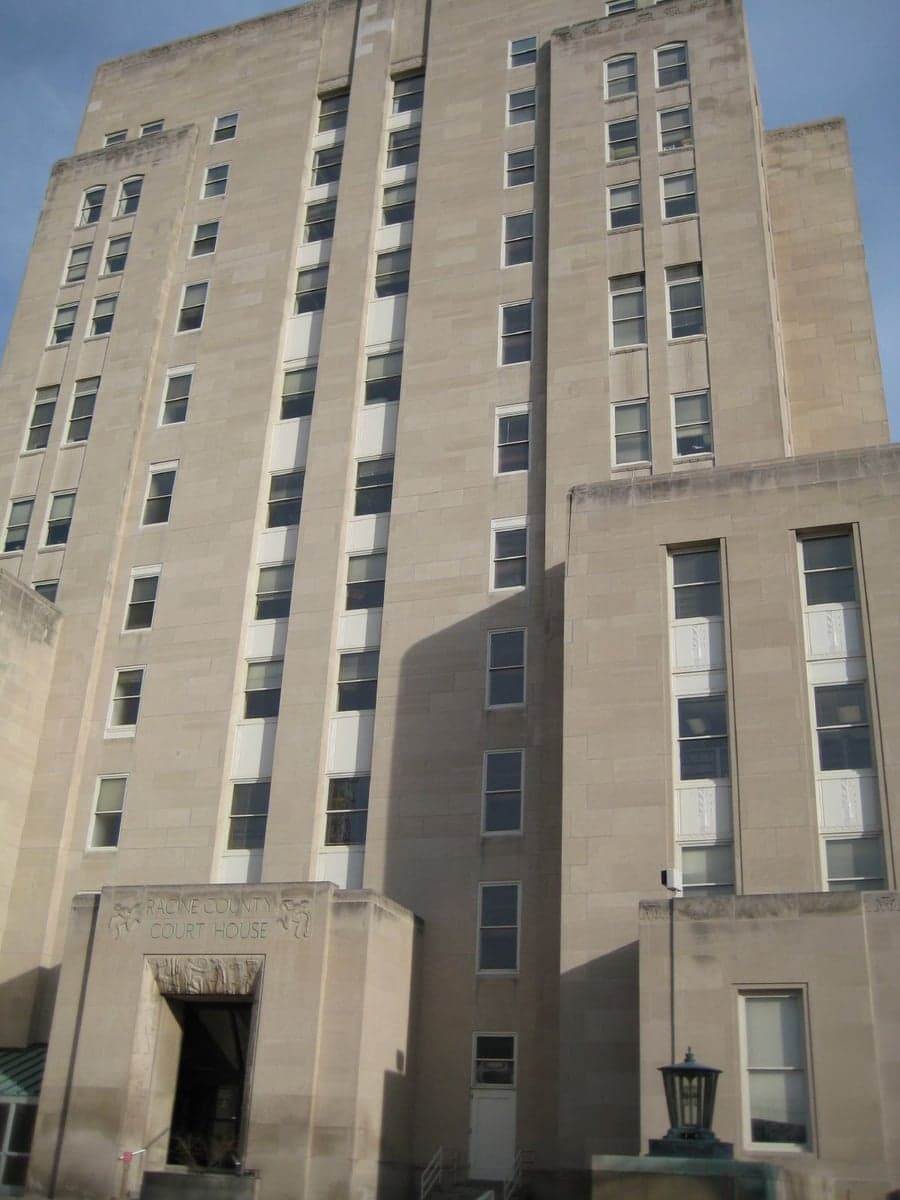
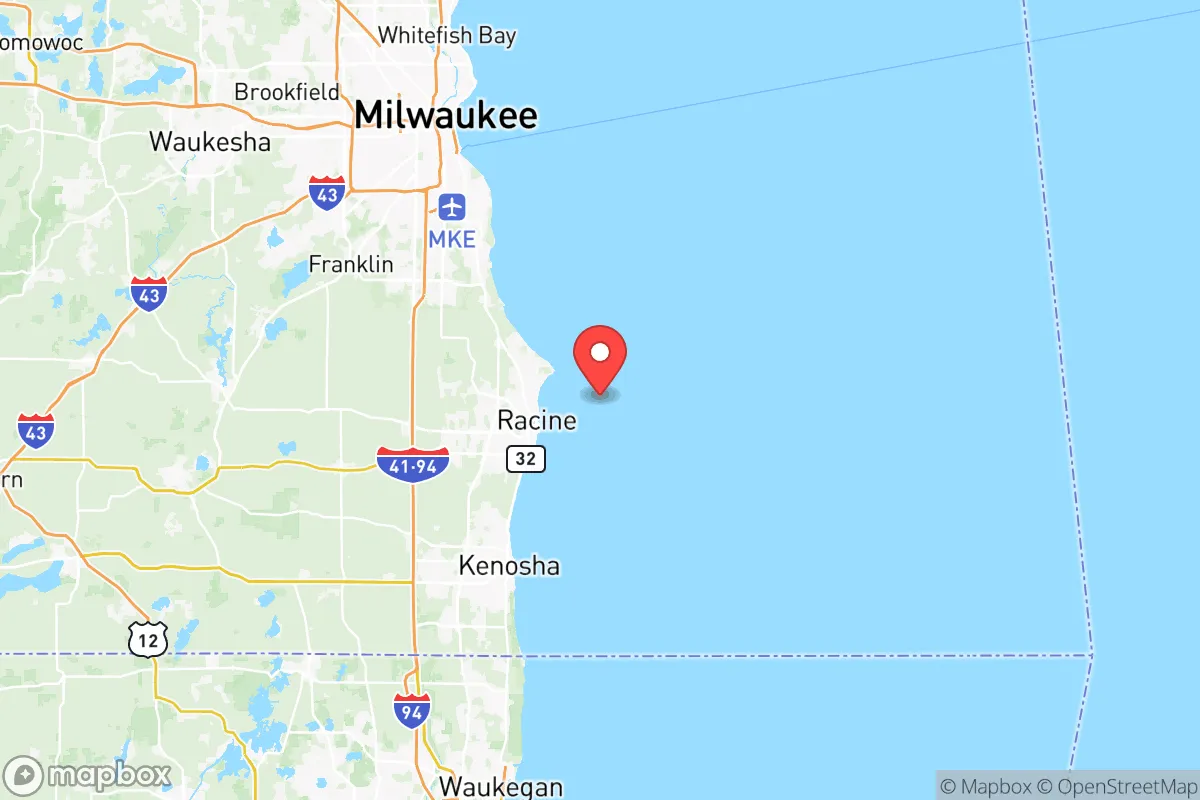
Photo: Wikipedia
Personal Sovereignty in Racine County
Moderate friction. Expect trade-offs in some aspect of personal liberty and independence.
What does Personal Sovereignty tell us?
Personal Sovereignty measures your capacity for self-reliance and independence with minimal government friction. Higher scores mean fewer barriers between you and the way you want to live... but it assumes you have the space you need and good neighbors.
What does this tell us?
Personal Sovereignty measures your capacity for self-reliance and independence with minimal government friction. Higher scores mean fewer barriers between you and the way you want to live... but it assumes you have the space you need and good neighbors.
State Policy
Energy independence: Importer (15% of energy produced in-state)
Personal Liberty
Homesteading

Personal Liberty Analysis
Racine County offers a mixed but generally favorable environment for personal sovereignty, where state-level preemptions on firearms and property rights provide a baseline of autonomy, but local municipal codes and tax structures create meaningful variation from one town to the next. For a relocation-minded individual or family prioritizing independence, the key is understanding which parts of the county lean toward light-touch governance and which layer on restrictions that erode self-reliance. The county's roughly 200,000 residents are spread across the City of Racine, suburban villages like Caledonia and Mount Pleasant, and rural townships such as Burlington, Waterford, and Raymond — each with a distinct regulatory fingerprint.
Tax burden and regulatory climate across Racine County
Wisconsin's state-level tax posture is moderate compared to neighboring Illinois, with a flat 4.4% individual income tax and a 5% state sales tax that does not apply to groceries or prescription drugs. Racine County adds a 0.5% county sales tax, bringing the combined rate to 5.5% in most jurisdictions — lower than the 10%+ seen in Cook County just across the border. Property taxes are the heavier burden here: the county's effective property tax rate hovers around 2.1% of assessed value, among the higher rates in Wisconsin, driven largely by school district levies. The City of Racine itself imposes a wheel tax of $30 per vehicle and maintains a more active code enforcement presence, while rural townships like Burlington and Waterford operate with fewer municipal staff and less aggressive permitting timelines. For a reader comparing regulatory climates, the difference between building a shed in the City of Racine (requires a permit, inspection, and zoning review) versus in the Town of Raymond (typically no permit for accessory structures under 200 square feet) illustrates the county's internal divide. Business licensing is straightforward at the county level, but starting a home-based operation in Caledonia may trigger conditional use permits that are rarely required in unincorporated areas like Dover.
Self-defense rights and gun law specifics in Racine County
Wisconsin is a shall-issue state for concealed carry, meaning the sheriff's office in Racine County must issue a license to any applicant who passes a background check and completes a state-approved training course — no discretionary denial. The county has no local ordinances restricting firearm possession beyond state law, so residents in Burlington, Waterford, and Union Grove enjoy the same carry rights as those in the City of Racine. Open carry is legal without a license for anyone 18 or older who can legally possess a firearm, though local law enforcement in the City of Racine may treat open carry with more scrutiny than in rural towns. Stand-your-ground law applies statewide: there is no duty to retreat before using deadly force in any place where the individual is lawfully present. Castle doctrine protections extend to occupied vehicles and places of business, not just dwellings. Magazine capacity is unrestricted, and there is no state-level assault weapons ban. For a self-defense-minded reader, the practical takeaway is that Racine County's gun laws are uniform and permissive — the main variable is the cultural comfort level with visible firearms, which is higher in the rural townships and lower in the City of Racine's downtown core.
Self-reliance and homesteading viability across the county
The feasibility of a self-reliant lifestyle in Racine County depends almost entirely on whether you are inside or outside municipal boundaries. In the rural townships — Burlington, Waterford, Raymond, Dover, and Yorkville — minimum lot sizes in agricultural zoning districts are typically 5 to 35 acres, and keeping chickens, goats, or a family cow is a permitted use without special permits. The Town of Burlington, for example, allows up to four chickens per residential lot under one acre and unlimited poultry on parcels over five acres, with no setback requirement for coops beyond property lines. Beekeeping is allowed in all townships without registration. Off-grid living is legally possible but practically constrained: Wisconsin law requires dwellings to have a sanitary sewer system (either municipal connection or a state-approved septic system), and the county health department enforces well water testing. Solar panels are permitted by right in unincorporated areas, but net metering through We Energies is capped at 20 kW for residential systems, limiting full energy independence. Rainwater collection is legal without restriction. In contrast, the City of Racine and villages like Caledonia and Mount Pleasant impose lot minimums of 6,000 to 10,000 square feet in residential zones, prohibit livestock entirely, and require building permits for any structure over 120 square feet. For a homesteader, the clear play is to target the rural townships west of I-94, where zoning is minimal and code enforcement is complaint-driven rather than proactive.
Personal liberties: parental rights, medical autonomy, and property
Wisconsin law provides strong parental rights in education: parents have the statutory right to opt their children out of any curriculum involving human sexuality, and school districts must notify parents before administering any student health survey. Racine Unified School District, which covers the City of Racine and parts of Mount Pleasant, has a more centralized administrative structure than the smaller districts in Burlington and Waterford, where school boards tend to be more responsive to parental concerns at public meetings. Medical autonomy is limited by state-level vaccine mandates for school attendance — Wisconsin requires MMR, DTaP, and polio vaccines, with a medical exemption but no personal belief exemption for public school enrollment. Homeschooling is straightforward: parents file a form with the Department of Public Instruction annually, teach at least 875 hours per year, and are not subject to curriculum approval or home visits. Property rights are generally well-protected: Wisconsin has no statewide rent control preemption (though no municipality in Racine County has attempted it), and the county's zoning code does not include inclusionary zoning mandates that force set-asides for affordable housing. Eminent domain is governed by state statute requiring just compensation and a public purpose finding, and the county has not pursued aggressive condemnation for economic development in recent years.
Overall, Racine County offers a tiered sovereignty environment: the rural townships west of I-94 provide a light-touch regulatory climate that supports homesteading, self-defense, and parental autonomy at levels comparable to the most freedom-oriented counties in Wisconsin, while the urbanized eastern corridor imposes more restrictions typical of a Great Lakes industrial metro area. For a relocation-minded individual or family who values personal independence, the smart move is to locate in Burlington, Waterford, Raymond, or Dover — where the tax burden is lower, the zoning is looser, and the culture of self-reliance is the norm rather than an exception.

* Values derived from national, state, county, city and local statistics and may differ in a specific area. Last updated: 2026-06-15T20:19:34.000Z
Narrative content on this page is AI-generated and may contain mistakes. Verify any details that matter before acting on them.
ReloMaps may earn a commission from affiliate links at no extra cost to you.

