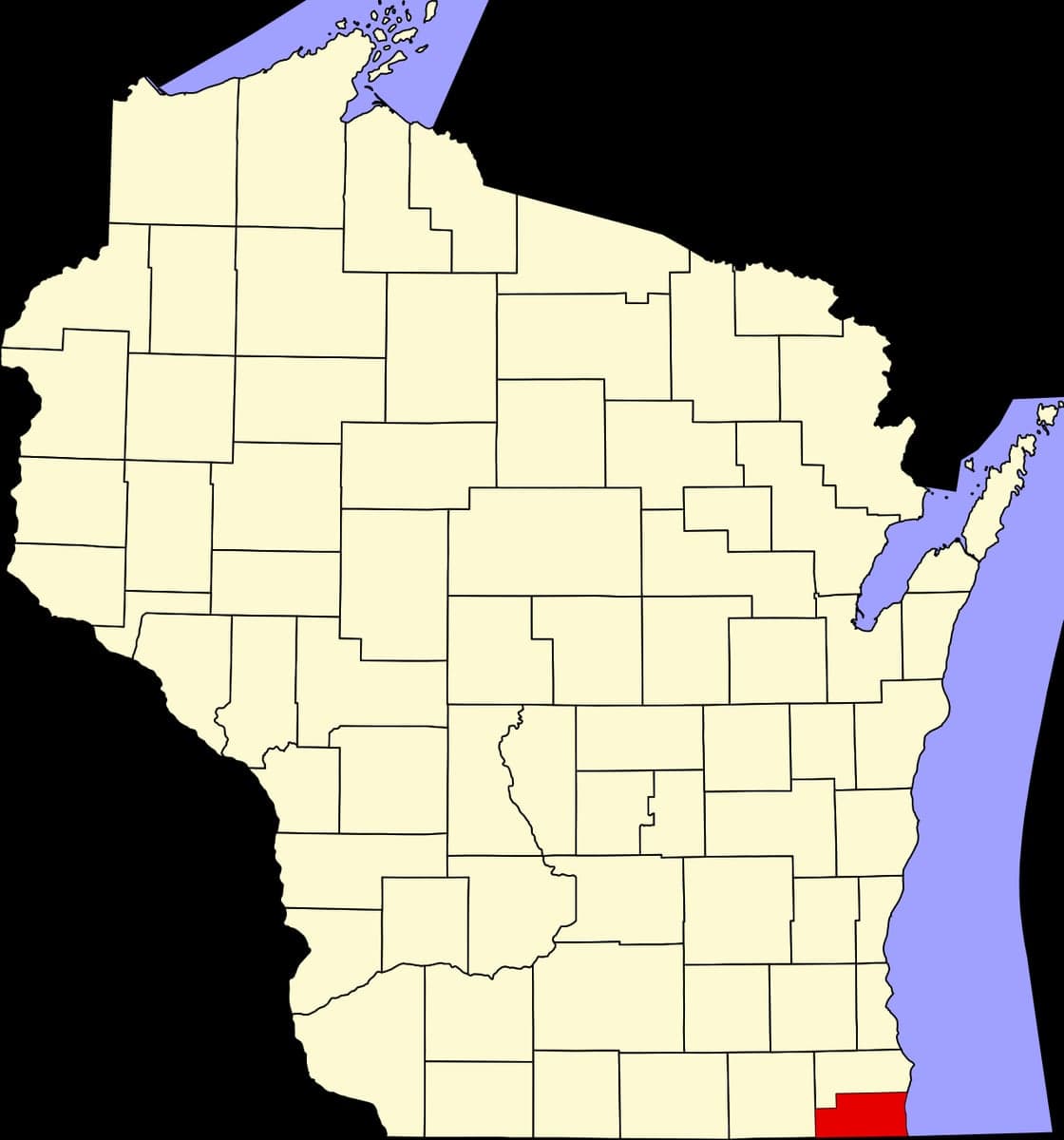
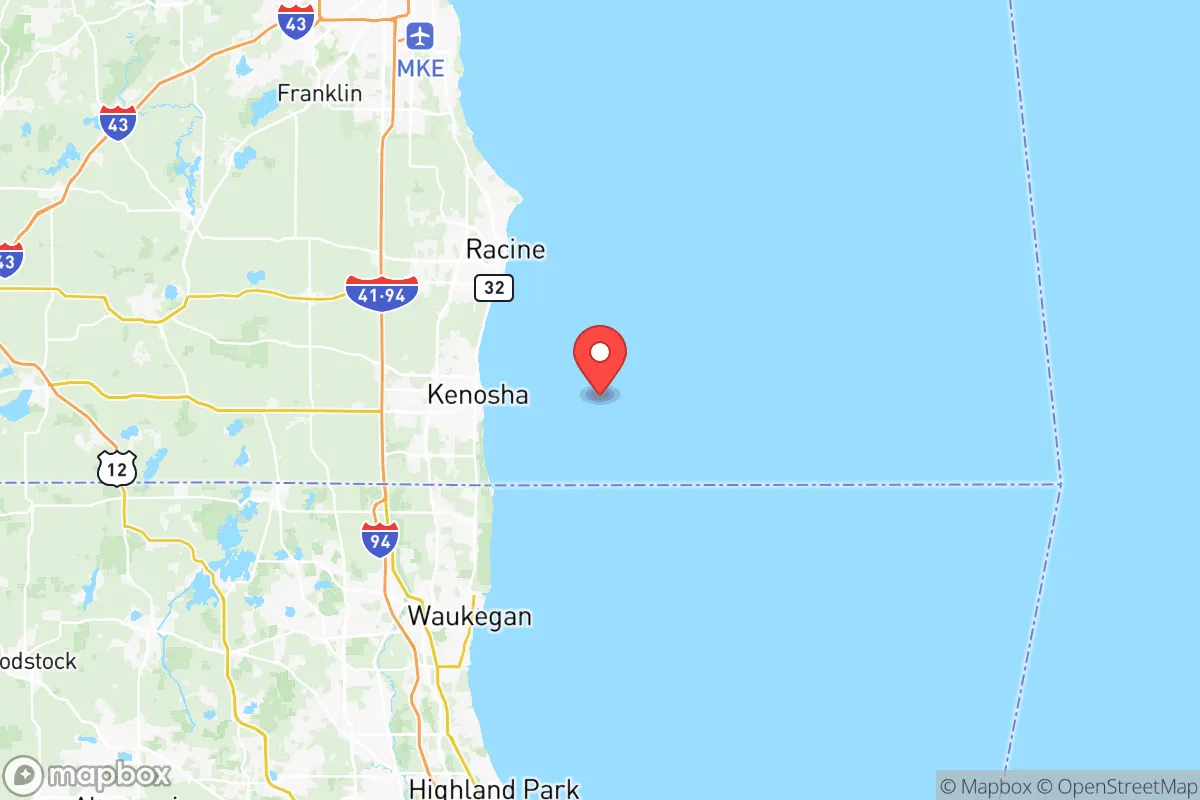
Photo: Wikipedia
Find The Best Places To Live in Kenosha County
PRO TIP! You can paste a Zillow or Redfin link to get info on that property.
Best Places to Live in Kenosha County

Cities & Towns in Kenosha County
Cities in Kenosha County
What It's Like Living in Kenosha County, WI
Living in Kenosha County means straddling two worlds: the quiet rhythms of small-town Wisconsin life and the constant hum of the Chicago metro area just across the state line. It’s a place where you can spend a Saturday morning at a farm stand in rural Brighton, then catch a minor league baseball game in downtown Kenosha that same evening. The county’s roughly 168,000 residents are spread across the city of Kenosha, smaller communities like Pleasant Prairie and Salem Lakes, and unincorporated towns such as Paris and Randall — each with its own distinct flavor, but all sharing a practical, no-nonsense Midwestern attitude.
The Daily Rhythm: Where You Shop, Eat, and Spend Weekends
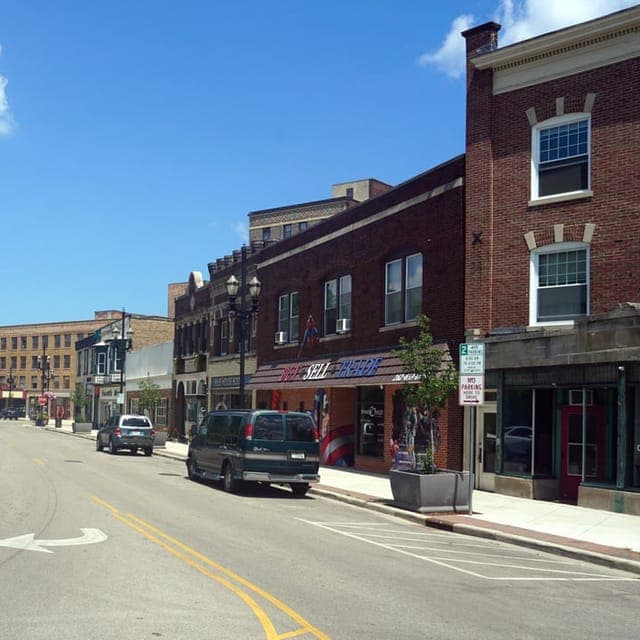
For most people here, daily life revolves around a few familiar corridors. The city of Kenosha itself is the commercial hub, with big-box shopping along 75th Street and a walkable downtown along the lakefront where you’ll find local spots like The Coffee Pot for breakfast or The Ashling on the Lough for a pint. Pleasant Prairie has become the county’s retail powerhouse, anchored by the Pleasant Prairie Premium Outlets and a growing cluster of chain restaurants — it’s where many families do their weekend errands. In the smaller towns, life slows down noticeably. Salem Lakes has a handful of taverns and a popular summer farmers market, while rural areas like Wheatland and Randall are dotted with U-pick orchards and supper clubs where Friday fish fry is still a sacred tradition.
The average commute here is about 26 minutes, which feels reasonable for a county where many residents work in Kenosha itself — at major employers like the Amazon fulfillment center, Snap-on Tools headquarters, or the Kenosha Unified School District — but a significant number drive south to jobs in Lake County, Illinois, or even downtown Chicago. That Illinois commuter crowd tends to cluster in the southern part of the county, especially Pleasant Prairie and Bristol, where the trade-off is a longer drive for lower property taxes and a bigger yard.
Sports, Community, and What Brings People Together
High school sports are a genuinely big deal here, particularly football and basketball. Kenosha Bradford and Kenosha Indian Trail have a lively rivalry that fills bleachers on Friday nights, and in smaller towns like Wilmot, the Union High School football games are the social event of the week. For pro sports, the county leans heavily toward Chicago teams — you’ll see more Bears and Cubs flags than Packers or Brewers ones, especially south of Highway 50. The Kenosha Kingfish, a collegiate summer baseball team, draw solid crowds at Simmons Field downtown, offering affordable family entertainment with a beer garden and fireworks on summer weekends.
The county’s biggest annual event is the Kenosha County Fair, held in Wilmot each August — a classic Midwestern fair with livestock shows, carnival rides, and enough fried food to last the winter. Kenosha’s HarborMarket runs from May through October along the lakefront, drawing locals for fresh produce, baked goods, and live music. For outdoor recreation, the county has a surprising amount of green space: the 700-acre Richard Bong State Recreation Area in Brighton offers hiking, fishing, and even a model airplane field, while the Kenosha Dunes trail along Lake Michigan provides a quick nature escape without leaving the city limits.
Who Fits In Here — and Who Might Struggle
Kenosha County works best for people who want a slower pace than the Chicago suburbs but still need access to city amenities. The median household income of about $79,000 and median home value of $248,000 mean that a typical family can afford a three-bedroom ranch in Salem Lakes or a newer townhouse in Pleasant Prairie without being house-poor. The cost of living index sits at 96, slightly below the national average, which is a real draw for families priced out of Lake County, Illinois. About 31% of adults hold a college degree, which is below the national average — this is a blue-collar area at heart, and that’s not a knock. People here tend to work in manufacturing, logistics, healthcare, and trades, and there’s a quiet pride in that.
The kind of person who thrives here is someone who values space and practicality over trendiness. You won’t find many art galleries or farm-to-table restaurants outside of a few spots in downtown Kenosha. What you will find is neighbors who help each other with snow removal, a school system that’s deeply woven into community life (the Kenosha Unified School District is the third-largest in the state), and a general tolerance for long winters. The median age of 39.2 reflects a mix of young families and empty-nesters, with fewer single young professionals than you’d see in Milwaukee or Madison.
Honest Pros and Cons of Living Here
On the upside, the lakefront is a genuine asset — Kenosha’s harbor and beaches are well-maintained and rarely crowded, unlike the Illinois shore. The county’s location gives you quick access to both Milwaukee (about 40 minutes north) and Chicago (about an hour south), making it a viable base for weekend trips or occasional commuting. Property taxes are lower than in neighboring Illinois, which is a major selling point for families moving from across the border.
On the downside, the violent crime rate of 237.4 per 100,000 residents is notably higher than the Wisconsin state average, and that number is concentrated in certain parts of the city of Kenosha — particularly around the Uptown and Lincoln Park neighborhoods. Longtime residents also grumble about the winter weather, which brings lake-effect snow that can make driving on I-94 treacherous, and about the lack of high-end dining and entertainment options. If you want a night out beyond a sports bar or a chain restaurant, you’re driving to Milwaukee or Chicago. The county’s identity is still shaped by the 2020 unrest following the Jacob Blake shooting, which left deep divisions that surface in local politics and community conversations. It’s not a place that hides its tensions — but it’s also a place where people generally show up for each other when it matters.

* Values derived from national, state, county, city and local statistics and may differ in a specific area. Last updated: 2026-07-17T01:10:50.000Z
Narrative content on this page is AI-generated and may contain mistakes. Verify any details that matter before acting on them.
ReloMaps may earn a commission from affiliate links at no extra cost to you.

