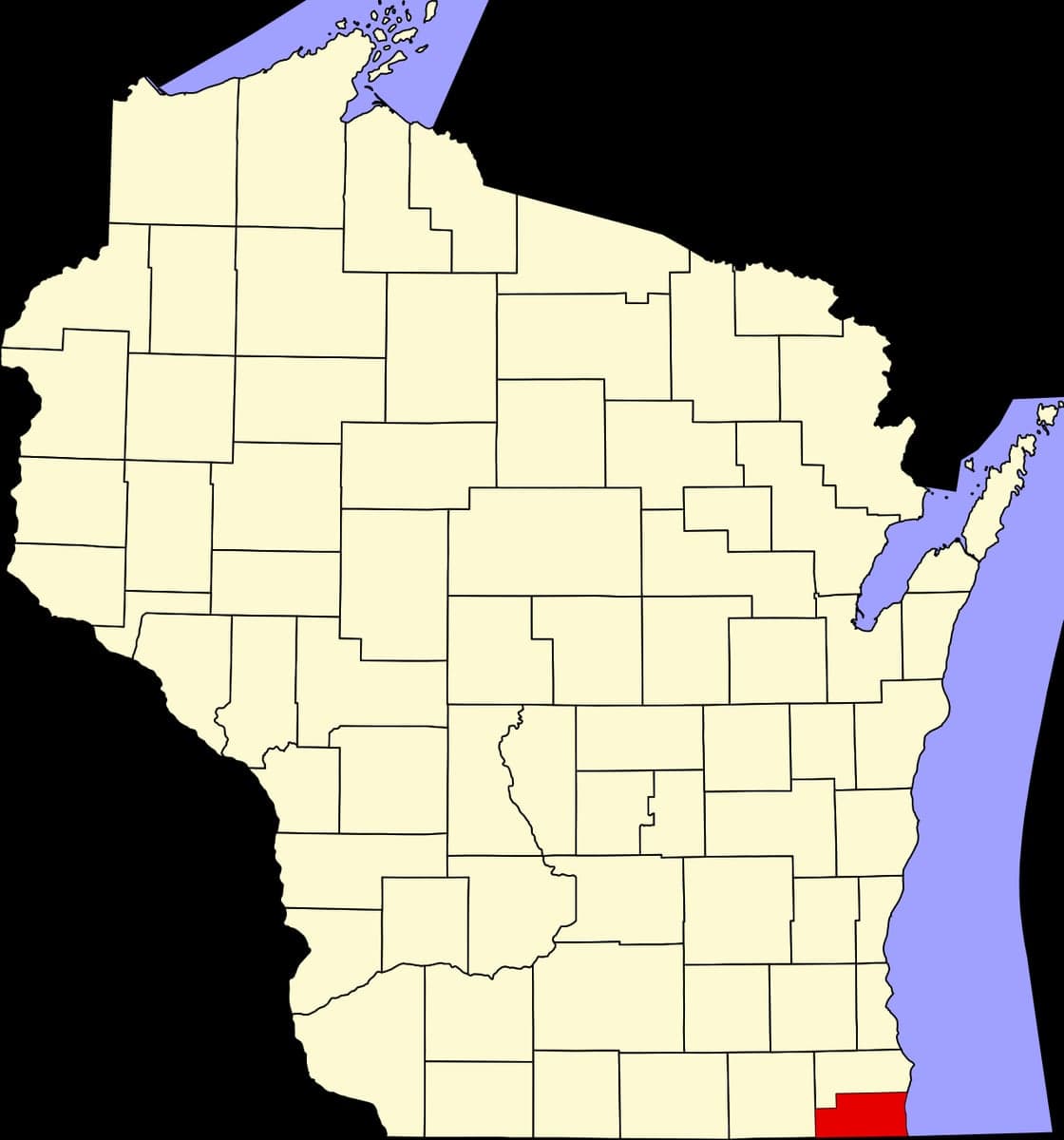
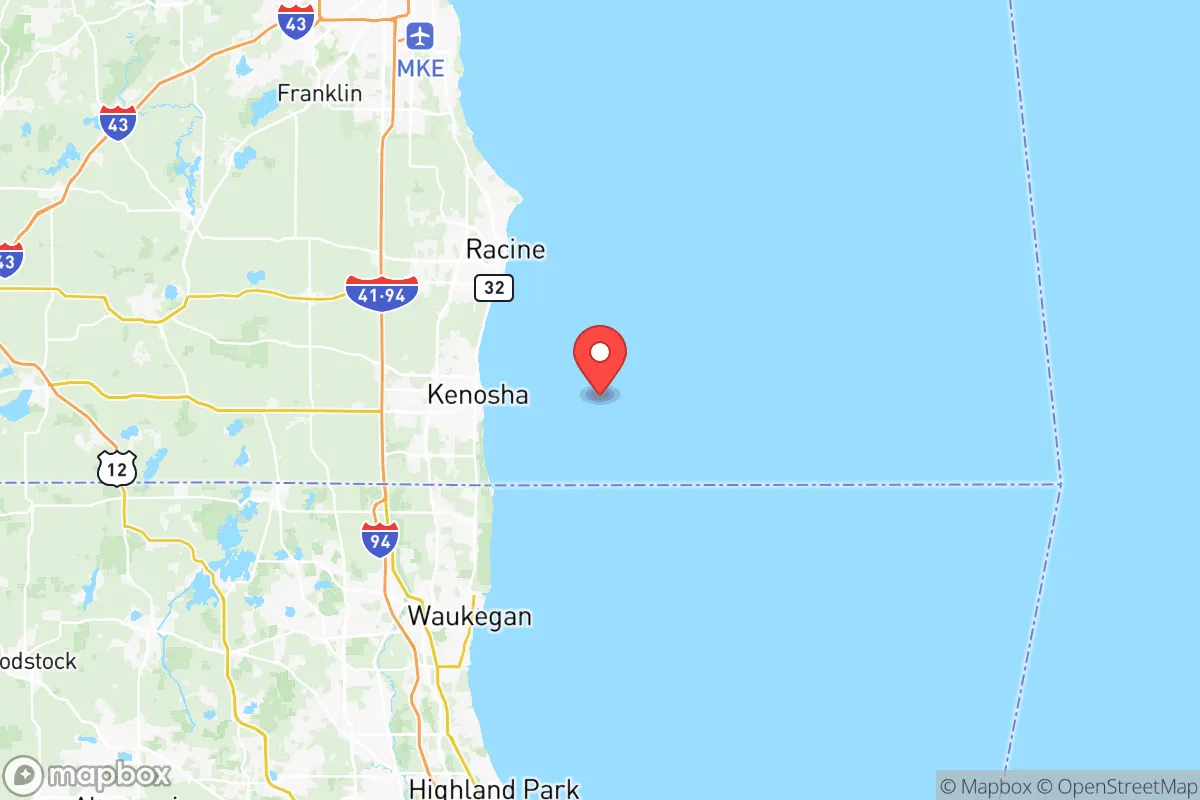
Photo: Wikipedia
Quality of Life in Kenosha County
A livable area that tracks near national norms for affordability, walkability, and neighborhood health.
What does Quality of Life tell us?
Quality of Life measures an area by evaluating factors like cost of living, nearby amenities, country club access, airport proximity, socioeconomic signals and neighborhood character. For large states, this is a general average — quality of life can vary dramatically between metro areas, suburbs, and rural communities within the same state.
What does this tell us?
Quality of Life measures an area by evaluating factors like cost of living, nearby amenities, country club access, airport proximity, socioeconomic signals and neighborhood character. For large states, this is a general average — quality of life can vary dramatically between metro areas, suburbs, and rural communities within the same state.
Cost of Living
4% below national average
112%
The Real Cost of Living in Kenosha County for 2026
| Tier | Individual | Family (4) |
|---|---|---|
| Survival | $19k | $35k |
| Comfortable | $48k | $71k |
| Luxury | $124k+ | $193k+ |
| Elite (Top 5%) | $146k+ | $227k+ |
Quality-of-Life Analysis
Kenosha County, Wisconsin, offers a broad quality-of-life spectrum that ranges from the Lake Michigan shoreline and urban amenities of its largest city to quiet, unincorporated crossroads and working farmland in the western townships. The county’s overall cost-of-living index of 96 (100 is the U.S. average) and median home value of $247,800 make it more affordable than neighboring Lake County, Illinois, attracting a mix of Chicago commuters, manufacturing workers, and families seeking small-town schools with big-city proximity. The character of daily life shifts noticeably depending on whether you live in the county’s densely populated eastern edge or its rural western half.
Largest town(s) & population centers
Kenosha is the county’s dominant population center, home to roughly 100,000 residents and the region’s primary hub for employment, retail, and entertainment. Daily life here centers on the downtown lakefront district, the University of Wisconsin-Parkside campus, and major employers such as Uline (headquarters and distribution), Jockey International, and Amazon (fulfillment center). The city offers a walkable harbor area, the Kenosha Streetcar, and a growing craft brewery scene, but also faces typical urban challenges including older housing stock and traffic congestion on Highway 50 and I-94. Pleasant Prairie, immediately south of Kenosha, functions as a major retail and logistics corridor anchored by the Pleasant Prairie Premium Outlets and sprawling warehouse parks; its residential neighborhoods are newer and more suburban, with median home values above the county average. Somers, a village just north of Kenosha, blends university-oriented rentals near UW-Parkside with lakefront homes and a quieter, more residential feel.
Smaller towns & rural pockets
West of the I-94 corridor, the county opens into agricultural land and small villages. Bristol (population roughly 5,000) retains a historic downtown core and is known for its annual Bristol Renaissance Faire, but most daily life revolves around local schools and commutes to Kenosha or the Illinois border. Salem Lakes, formed in 2017 from the merger of Salem and Silver Lake, is a growing exurban area centered on Silver Lake and Hooker Lake, attracting boaters and second-home buyers. Paddock Lake and Twin Lakes are smaller lake communities where seasonal tourism and year-round residents mix; Twin Lakes has a compact downtown with a grocery store and a few restaurants. The unincorporated hamlets of Wilmot and Trevor are essentially crossroads with a handful of homes and farms, offering the most rural lifestyle in the county, with no municipal services and reliance on well water and septic systems.
Cost & lifestyle range
The cost-of-living spread across Kenosha County is significant. At the high end, lakefront homes in Kenosha’s Library Park neighborhood or newer subdivisions in Pleasant Prairie can exceed $400,000, while the median county home value sits at $247,800. Renters pay a median of $1,175 per month, with the cheapest units found in older Kenosha city apartments and the priciest in Pleasant Prairie’s luxury complexes. At the low end, fixer-upper homes in western townships like Wheatland or Randall can fall below $180,000, but buyers trade off longer commutes (the county average is 25.8 minutes, but western residents often drive 35–45 minutes to Kenosha or Racine jobs) and fewer nearby amenities. Property taxes vary by municipality but are generally lower in unincorporated areas, while village residents pay for services like garbage pickup and street lighting. The lifestyle range is equally broad: a downtown Kenosha resident can walk to a coffee shop and the lakefront, while a family in rural Brighton may drive 20 minutes to the nearest grocery store.
Kenosha County works best for people who want access to Lake Michigan, a major metro area (Chicago is about 60 miles south), and a range of housing prices, but who are willing to accept trade-offs in commute time or urban density. Commuters to northern Illinois find the I-94 corridor convenient but congested; remote workers and retirees often prefer the lake communities or the quieter western townships. Families should weigh school district boundaries carefully—Kenosha Unified is the largest, while Bristol and Salem Lakes feed into smaller districts with different reputations. Overall, the county offers a genuine spectrum of living options, from urban loft to lakeside cottage to farmhouse, all within a 30-minute drive of each other.

Crime in Kenosha County
Generally safer than 61% of comparable U.S. locations.
Violent CrimeViolent Crime Analysis
Property CrimeProperty Crime Analysis
Crime Analysis
Kenosha County, Wisconsin, presents a mixed safety picture that demands careful attention from potential residents. With a violent crime rate of 237.4 per 100,000 residents and a property crime rate of 1,002.8 per 100,000, the county sits above both state and national averages, a reality shaped significantly by the policies and judicial climate in its largest city, Kenosha. While some communities within the county maintain notably lower crime levels, the overall trend is concerning, particularly given the progressive leanings of local prosecutors and judges in the county seat.
Crime in context
Kenosha County’s violent crime rate of 237.4 per 100,000 is substantially higher than the Wisconsin state average of roughly 290 per 100,000 and the national average of about 380 per 100,000 — meaning the county is actually below the national figure but above the state figure. However, the property crime rate of 1,002.8 per 100,000 exceeds both the Wisconsin average (approximately 1,500 per 100,000) and the national average (around 1,950 per 100,000), indicating a property crime problem that is less severe than the national picture but still elevated. The real concern for residents is not the raw numbers alone, but the trajectory. Kenosha County has seen a rise in certain offenses since 2020, coinciding with the election of progressive district attorneys and judges in Kenosha County who have implemented bail reform and diversion programs. These policies, while intended to reduce incarceration, have resulted in repeat offenders cycling through the system, a pattern visible in the city of Kenosha itself, where the majority of the county’s crime is concentrated. In contrast, the smaller towns of Salem Lakes and Twin Lakes report significantly lower crime rates, often below state averages, due to more conservative local law enforcement approaches and smaller populations.
What residents experience
Daily life in Kenosha County varies sharply by location. Residents of the city of Kenosha, particularly in neighborhoods near the downtown corridor and along the 22nd Avenue and 30th Avenue corridors, report frequent property crimes such as vehicle break-ins, theft from porches, and vandalism. Violent incidents, including aggravated assaults and robberies, are more common in these areas, often linked to drug activity. The Kenosha Police Department has struggled to keep pace, with response times increasing as officer numbers have not kept up with population growth. Conversely, residents in the village of Pleasant Prairie and the town of Bristol describe a quieter, more suburban experience, with property crime limited to occasional package thefts and very rare violent encounters. The presence of the Kenosha County Sheriff’s Department in these unincorporated areas provides a more consistent law enforcement presence than in the city. A key factor driving resident frustration is the perception that the Kenosha County District Attorney’s Office, under progressive leadership, is too lenient on property crime offenders, leading to a "catch and release" cycle that erodes public confidence.
Neighborhood-level variation is stark. The safest areas are generally the western and southern parts of the county, including the villages of Paddock Lake and Silver Lake, where crime rates are a fraction of the county average. These communities benefit from smaller populations, higher home values, and a more engaged local police presence. In contrast, the city of Kenosha’s central and northern neighborhoods, especially those near the lakefront and the industrial corridors, experience the highest crime densities. Prospective homebuyers should examine block-level crime maps and consider visiting at different times of day to gauge safety. The county’s judicial district, which includes Kenosha County, has a reputation for progressive sentencing, meaning that even when arrests are made, convictions and jail time for property crimes are not guaranteed. This reality makes choosing a specific town or neighborhood within Kenosha County a critical decision for anyone prioritizing safety.
* Values derived from national, state, county, city and local statistics and may differ in a specific area. Last updated: 2026-07-17T01:10:50.000Z
Narrative content on this page is AI-generated and may contain mistakes. Verify any details that matter before acting on them.
ReloMaps may earn a commission from affiliate links at no extra cost to you.

