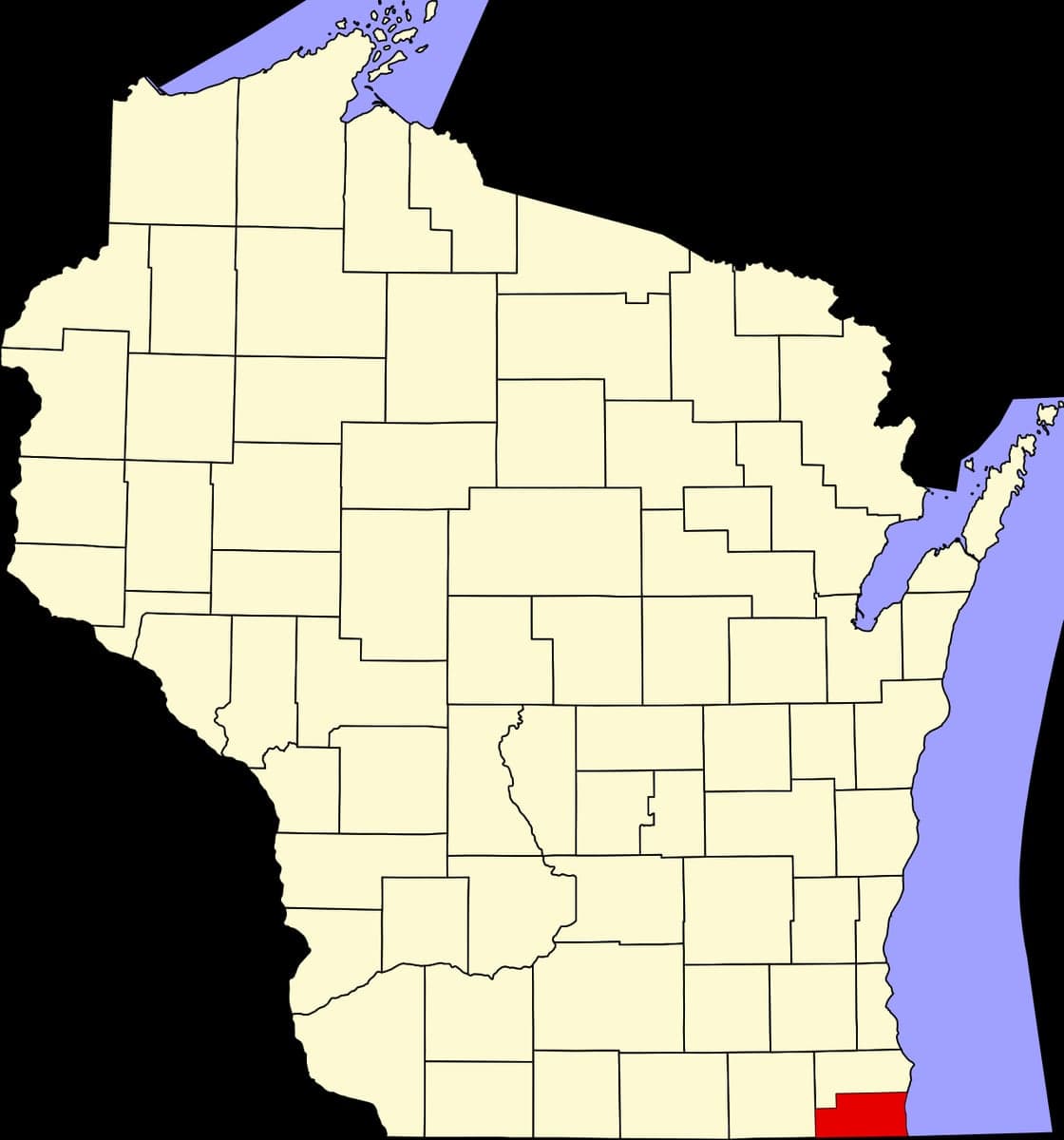
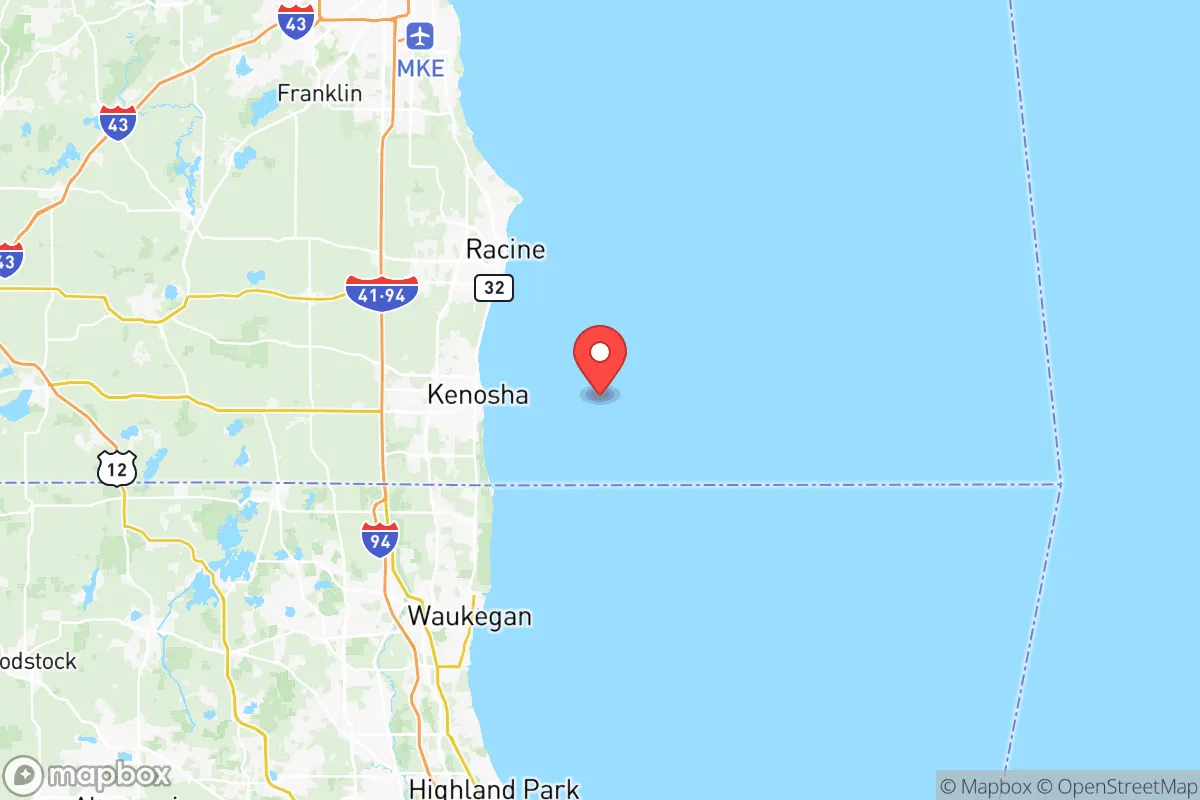
Photo: Wikipedia
Personal Sovereignty in Kenosha County
Moderate friction. Expect trade-offs in some aspect of personal liberty and independence.
What does Personal Sovereignty tell us?
Personal Sovereignty measures your capacity for self-reliance and independence with minimal government friction. Higher scores mean fewer barriers between you and the way you want to live... but it assumes you have the space you need and good neighbors.
What does this tell us?
Personal Sovereignty measures your capacity for self-reliance and independence with minimal government friction. Higher scores mean fewer barriers between you and the way you want to live... but it assumes you have the space you need and good neighbors.
State Policy
Energy independence: Importer (15% of energy produced in-state)
Personal Liberty
Homesteading

Personal Liberty Analysis
Kenosha County offers a mixed personal sovereignty environment that balances Wisconsin’s generally permissive state laws with a more localized regulatory posture that varies significantly between the urbanized lakefront and the rural western townships. While the state’s constitutional carry law, low income tax flat rate, and right-to-farm protections provide a strong baseline for autonomy, the county’s proximity to the Chicago-Milwaukee corridor and its own municipal codes create meaningful friction points for those seeking maximum self-reliance. The key for a freedom-oriented individual or family is choosing the right township—Somers, Brighton, or Randall offer far more breathing room than the city of Kenosha itself.
Tax burden and regulatory posture in Kenosha County
Wisconsin’s overall tax burden is moderate, but Kenosha County sits slightly above the state average due to its property tax rates. The county’s effective property tax rate hovers around 1.9% of assessed home value, which is higher than rural counties like Burnett or Rusk but lower than neighboring Lake County, Illinois. Income taxes are a flat 4.4% for most earners, with no local income tax—a clear advantage over Illinois’s progressive system. The regulatory posture is light-touch at the state level: no state-level business licensing for most trades, no universal building codes in unincorporated areas, and a right-to-work law that keeps union influence optional. However, the city of Kenosha imposes its own rental inspection program, stormwater fees, and a 0.5% sales tax (the countywide rate is 5.5% total). In contrast, towns like Pleasant Prairie and Bristol have minimal business licensing requirements, and Randall has no zoning for agricultural parcels over 35 acres, allowing more operational freedom for small farms and home-based enterprises.
Self-defense and gun law specifics in Kenosha County
Wisconsin is a constitutional carry state as of 2011, meaning no permit is required to carry a concealed firearm for anyone legally allowed to possess one. Kenosha County’s sheriff’s office issues concealed carry licenses (still useful for reciprocity with other states) with a typical turnaround of 30 days. The county has no local ordinances restricting magazine capacity, assault weapon features, or storage requirements—state law preempts all local firearm regulations. Open carry is legal without a permit, and the county’s courthouse and public buildings are the only prohibited carry locations. The 2020 Kenosha unrest and subsequent Kyle Rittenhouse trial have made the area a national symbol of self-defense rights, and local sentiment remains strongly pro-Second Amendment in the rural townships. In Brighton and Paris, it is common to see firearms openly carried on private property and during agricultural work. The city of Kenosha itself has a more mixed culture, but no legal barriers exist beyond state preemption. Stand-your-ground laws apply statewide, with no duty to retreat in any place where the individual is lawfully present.
Self-reliance and homesteading viability across Kenosha County
Homesteading viability is highly location-dependent. The western townships—Brighton, Randall, and Wheatland—offer the best conditions, with minimum lot sizes of 5 acres in agricultural zoning districts and no county-level restrictions on rainwater collection, composting toilets, or off-grid solar systems. The state’s right-to-farm law protects agricultural operations from nuisance lawsuits, and the county’s soil quality in the western half is rated prime farmland by the USDA. Off-grid feasibility is strong: no county permit is required for solar panels on agricultural parcels, and well water is accessible at depths of 80-150 feet with a typical drilling cost of $5,000-$8,000. However, the city of Kenosha and its immediate suburbs (including parts of Somers and Pleasant Prairie) require connection to municipal water and sewer, prohibit outdoor wood boilers, and enforce minimum square footage requirements for new homes (typically 1,200 sq ft). Chicken keeping is allowed in all townships but is limited to 6 hens (no roosters) in the city of Kenosha, while rural townships have no limit. Beekeeping is unrestricted in unincorporated areas but requires a $25 permit in the city. For those seeking true self-reliance, a parcel in Randall or Brighton under agricultural zoning provides the most freedom, with no building permits for farm structures under 10,000 square feet.
Personal liberties in Kenosha County: parental rights, medical autonomy, speech, and property
Wisconsin law provides strong parental rights in education, including a parental opt-out for sex education and the right to homeschool without state curriculum approval. Kenosha County’s school districts—Kenosha Unified, Bristol, and Randall—all allow open enrollment, giving families choice. Medical autonomy is robust: Wisconsin has no state vaccine mandate for adults, and the county health department does not enforce mask mandates or business closures beyond state guidance. The 2023 Wisconsin Act 1 prohibits any future emergency orders that restrict religious gatherings or firearm sales. Free speech is protected under state law, and Kenosha County has no local noise ordinances that restrict political signage or public assembly beyond standard time-place-manner rules. Property rights are strong: the county has no rent control, no inclusionary zoning, and no transfer taxes on real estate sales. However, the city of Kenosha enforces a rental property registration fee of $50 per unit and requires annual inspections for multi-family buildings. In Somers, short-term rentals (Airbnb) are permitted without a license, while the city of Kenosha requires a $250 permit and limits rentals to 90 days per year. For property owners, the western townships offer the most unrestricted use, with no HOA-style covenants and minimal setback requirements for outbuildings.
Overall, Kenosha County ranks as a moderately high personal sovereignty area compared to the rest of the Midwest, but with significant internal variation. The western townships of Brighton, Randall, and Wheatland offer a freedom profile comparable to rural Texas or Idaho—constitutional carry, no building codes, right-to-farm protections, and low taxes. The city of Kenosha and its immediate suburbs impose more typical municipal regulations that would frustrate a serious homesteader or off-grid enthusiast. For the conservative-leaning reader prioritizing autonomy, the clear recommendation is to target a parcel in the county’s agricultural zone west of Interstate 94, where state-level permissiveness meets local hands-off governance. The county’s overall environment is more freedom-oriented than any Illinois county within 50 miles, and it offers a lower regulatory burden than Dane County (Madison) or Milwaukee County, making it a viable option for those who want Wisconsin’s liberties without the isolation of the far north.

* Values derived from national, state, county, city and local statistics and may differ in a specific area. Last updated: 2026-07-17T01:10:50.000Z
Narrative content on this page is AI-generated and may contain mistakes. Verify any details that matter before acting on them.
ReloMaps may earn a commission from affiliate links at no extra cost to you.

