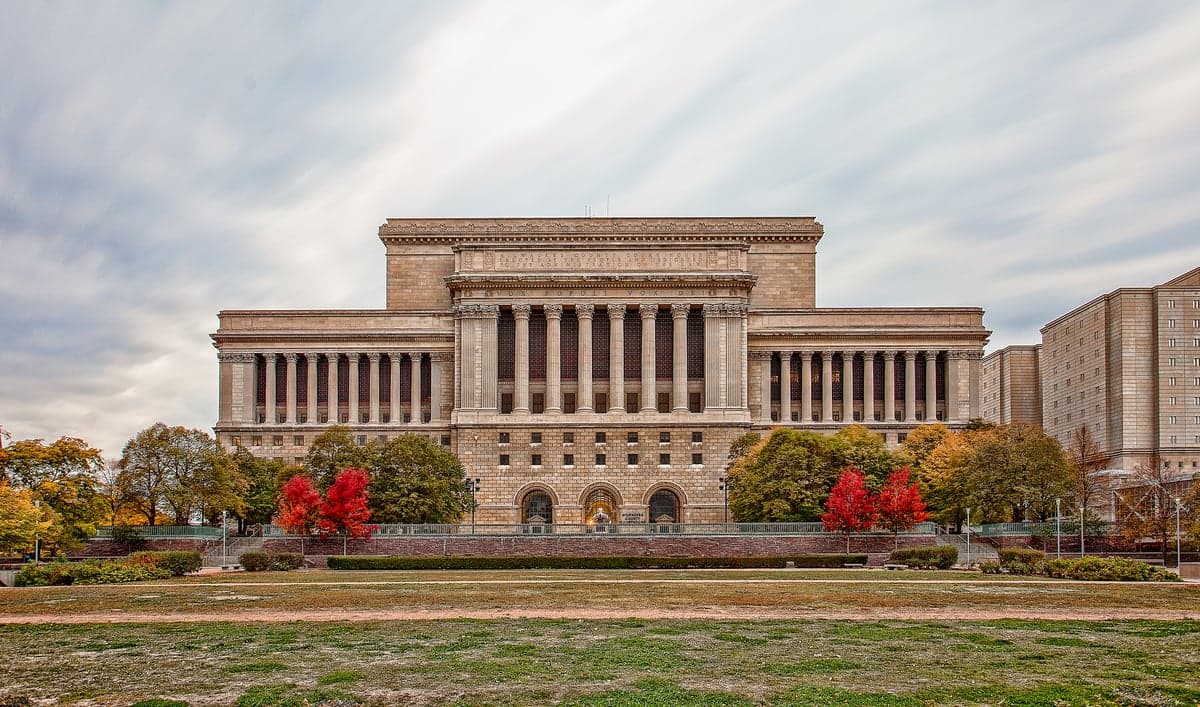
Photo: Wikipedia
Find The Best Places To Live in Milwaukee County
PRO TIP! You can paste a Zillow or Redfin link to get info on that property.
Best Places to Live in Milwaukee County

Cities & Towns in Milwaukee County
Cities in Milwaukee County
What It's Like Living in Milwaukee County, WI
Milwaukee County is a place of stark contrasts, where the energy of a Great Lakes city meets the quiet of suburban villages and the working-class roots of its industrial past still run deep. Living here means navigating a county where you can grab a Friday fish fry in a historic Bay View bar, watch a Brewers game at American Family Field, and then drive 20 minutes to hike the glacial ridges of Whitnall Park in Franklin. It’s a region that feels both gritty and welcoming, with a cost of living that lets you breathe easier than in many other major metros.
The Daily Rhythm: From Brew City to the Suburbs
Daily life in Milwaukee County is shaped by its neighborhoods and towns. In the city of Milwaukee itself, you’ll find a dense, walkable core around the Historic Third Ward and East Side, where young professionals and empty-nesters fill coffee shops and co-working spaces. But the county’s real texture comes from its distinct suburbs. Wauwatosa draws families with its strong schools and the sprawling Mayfair Mall, while Brookfield offers larger lots and a more traditional suburban feel, with a median home value around $350,000—well above the county’s $216,500 average. Further south, Oak Creek has seen a boom in new housing and industrial jobs, anchored by the massive Amazon fulfillment center. The average commute here is just over 22 minutes, a number that feels almost luxurious compared to Chicago or Minneapolis. Most people drive, but the Milwaukee County Transit System and the Hop streetcar in the city provide viable alternatives for getting to work or a Bucks game.
Sports, Community, and the Weekend Vibe
Sports are the county’s secular religion. Friday-night football is a genuine community event in towns like Franklin and Greendale, where high school games draw hundreds of parents and alumni. On the pro side, the Milwaukee Brewers (baseball) and Milwaukee Bucks (basketball) dominate the conversation. A summer evening at American Family Field, with a bratwurst and a view of the skyline, is a quintessential Milwaukee County experience. Marquette University basketball also commands fierce loyalty, especially in the city’s bars and pubs. Beyond sports, weekends are for the Milwaukee County Parks—a system of over 150 parks that includes the stunning Lake Michigan shoreline at Bradford Beach and the sprawling Mitchell Park Horticultural Conservancy (the Domes). The Wisconsin State Fair, held annually in West Allis, is a massive draw, blending carnival rides with cream puffs and livestock shows.
What It’s Really Like: The Upsides and the Grit
The biggest draw for many is the cost of living. With an index of 86 (14% below the national average), a median income of $62,118 goes further here than in most comparable metro areas. You can buy a solid three-bedroom home in a place like Cudahy or St. Francis for under $250,000—a reality that feels impossible to people priced out of Denver or Seattle. The county’s median age of 35.4 reflects a mix of young renters and established families. But the trade-offs are real. Violent crime is a serious concern, with a rate of 236.8 per 100,000—significantly higher than the national average. This is concentrated in specific Milwaukee city neighborhoods, not the suburbs, but it colors the county’s reputation. Longtime residents also grumble about the weather: winters are long, gray, and cold, with lake-effect snow that can bury streets from November through March. The flip side is a glorious, vibrant summer that everyone savors, with festivals like Summerfest and Bastille Days packing the calendar.
Who Fits In, and Who Doesn’t
Milwaukee County works best for people who value affordability and community over flash. It’s a place for someone who wants a decent house with a yard, a short commute, and a solid public school system (especially in suburbs like Whitefish Bay or Shorewood). The county’s college-educated population sits at 33.9%, which is below the national average—this is a blue-collar region at heart, with a proud manufacturing and brewing heritage. You’ll find plenty of engineers and healthcare workers (the Medical College of Wisconsin is a major employer), but fewer tech startups or finance types. The cultural quirks are part of the charm: people here take their fish fries seriously, they drink Old Fashioneds made with brandy, and they’ll cheerfully argue over which local custard stand (Kopp’s or Leon’s) is superior. If you’re looking for a place with a low-key, neighborly feel where you can actually afford to buy a home, Milwaukee County delivers. If you crave constant sunshine, a 24-hour nightlife, or a hyper-competitive job market, you might find it frustrating.

* Values derived from national, state, county, city and local statistics and may differ in a specific area. Last updated: 2026-06-16T22:34:19.000Z
Narrative content on this page is AI-generated and may contain mistakes. Verify any details that matter before acting on them.
ReloMaps may earn a commission from affiliate links at no extra cost to you.

