Photo: Wikipedia
Find The Best Places To Live
in Shorewood
PRO TIP! You can paste a Zillow or Redfin link to get info on that property.
What It's Like Living in Shorewood, WI
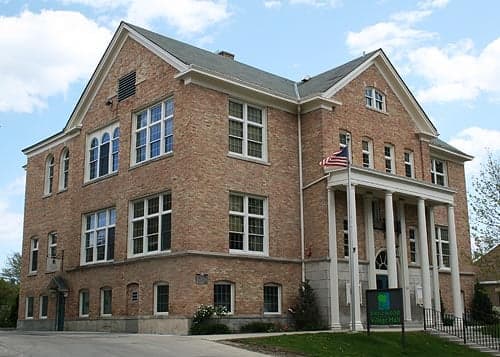
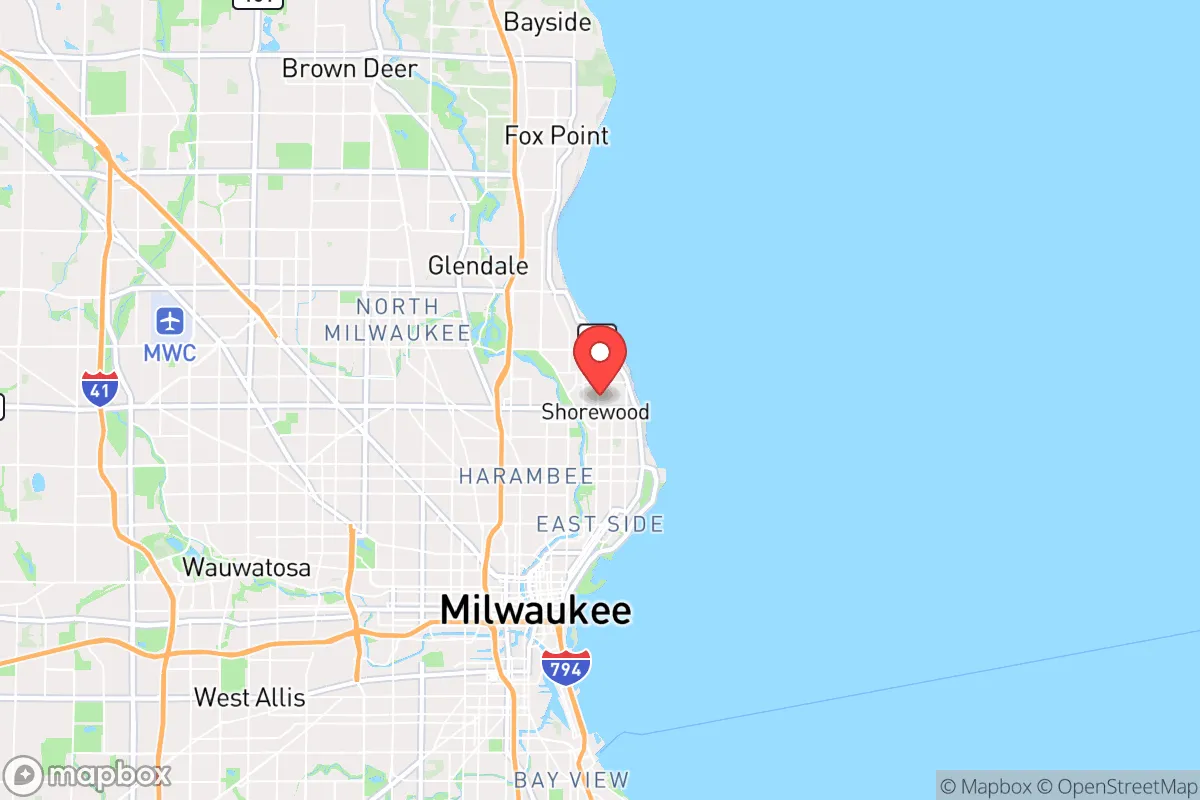
Shorewood is one of those rare suburbs that feels like a small town dropped inside a city. It’s a tight, walkable village of about 13,700 people wedged between Milwaukee and Whitefish Bay, where the Lake Michigan shoreline is your backyard and the coffee shops are packed on Saturday mornings. The vibe is educated, active, and family-focused, but with enough local flavor to keep things interesting for singles and empty-nesters too.
The Daily Rhythm: Walkable Blocks and Lakefront Mornings
Most mornings in Shorewood start with a walk. The village’s compact layout—roughly two square miles—means you can grab coffee at Stone Creek Coffee on Oakland Avenue, hit the Shorewood Farmers Market (Saturdays from June through October), and still be home in time to start the day. The average commute is just over 22 minutes, and many residents work in Milwaukee proper, just a 10-minute drive south. For a suburb, that’s a short trip, and it’s one reason people tolerate the higher cost of living—indexed at 127, well above the national average.
Weekends here revolve around the lake. Atwater Park is the centerpiece: a sandy beach with a playground and a long set of stairs that doubles as a workout spot for locals. In winter, you’ll see people bundled up walking the shoreline path or ice skating at the Kneeland-Walker House rink. The village’s median age of 38 reflects a community that’s settled but not sedentary—this is a place where people jog, bike, and push strollers year-round.
Sports, Schools, and Community Pride
High school sports are a genuine thread in Shorewood’s social fabric. Shorewood High School (the Greyhounds) draws big crowds for football and basketball games, especially when rival Whitefish Bay comes to town. The school system itself is a major draw: with 78.5% of adults holding a college degree, education is a priority, and the schools anchor community events like the annual Shorewood School District Art Show and the Shorewood Winter Festival. For pro sports, Milwaukee’s teams—the Bucks, Brewers, and Packers (just 90 minutes north)—are the default, but you’ll see as many Marquette Golden Eagles flags as anything else.
What sets Shorewood apart is how seriously it takes its local traditions. The Shorewood Summer Celebration in July is a block party with a parade, live music, and a fireworks show over the lake. The Shorewood Library on Capitol Drive is a genuine hub, hosting author talks and kids’ programs that feel more like a community center than a library. It’s the kind of place where you recognize the barista and the librarian by name.
What’s There to Do: Restaurants, Bars, and Green Spaces
Oakland Avenue is the main drag, and it’s where you’ll find the village’s social pulse. Le Rêve Patisserie & Café is a local institution for croissants and quiche, while Balzac Wine Bar fills up on Friday nights with couples and friend groups. For something more casual, Pete’s Pub is the neighborhood dive—think cheap beer, a jukebox, and a patio that’s packed in summer. The restaurant scene leans upscale-casual, with spots like Story Hill BKC (just over the border in Milwaukee) drawing Shorewood residents for brunch.
Outdoor options go beyond the lake. Estabrook Park is a short bike ride away and offers a beer garden in summer, disc golf, and the Milwaukee River running through it. Hubbard Park has a lodge and a small ski hill for winter tubing. The Oak Leaf Trail runs right through the village, connecting you to the lakefront and downtown Milwaukee without ever needing a car.
Pros and Cons of Living in Shorewood
- Pro: Walkability and convenience. You can live here without a car for most errands—groceries, coffee, the library, the lake, and the train station (the Hiawatha line to Chicago is 15 minutes away).
- Pro: Low crime. The violent crime rate is 44.7 per 100,000—well below the national average—and the village feels safe for kids walking to school or people jogging after dark.
- Pro: Strong schools and community engagement. The school system is a genuine asset, and residents show up for village board meetings, festivals, and volunteer events.
- Con: High cost of housing. The median home value is $423,600, and the cost of living index of 127 means you’re paying a premium for that walkable, lakefront lifestyle. Rentals are competitive and expensive.
- Con: Small-town politics. With a population under 14,000, village politics can feel insular. Debates over development, parking, and school budgets get intense—and everyone has an opinion.
- Con: Limited nightlife. If you want a late-night bar scene or live music past 10 p.m., you’re heading to Milwaukee. Shorewood quiets down early, especially on weeknights.
Shorewood works best for people who want a strong sense of place without sacrificing city access. It’s not the cheapest option in the Milwaukee area, and it’s not the quietest suburb either. But for the right person—someone who values a walkable neighborhood, a good school system, and a lakefront that feels like a daily luxury—it’s hard to beat.

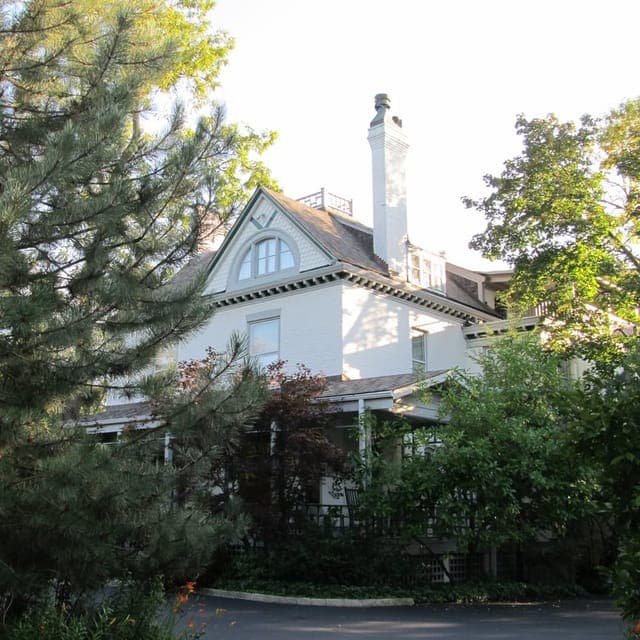
Similar towns to Shorewood

* Values derived from national, state, county, city and local statistics and may differ in a specific area. Last updated: 2026-10-15T19:34:51.000Z
Narrative content on this page is AI-generated and may contain mistakes. Verify any details that matter before acting on them.
ReloMaps may earn a commission from affiliate links at no extra cost to you.

