
Photo: Wikipedia
Find The Best Places To Live in Dane County
PRO TIP! You can paste a Zillow or Redfin link to get info on that property.
Best Places to Live in Dane County
Cities & Towns in Dane County
Cities in Dane County
What It's Like Living in Dane County, WI
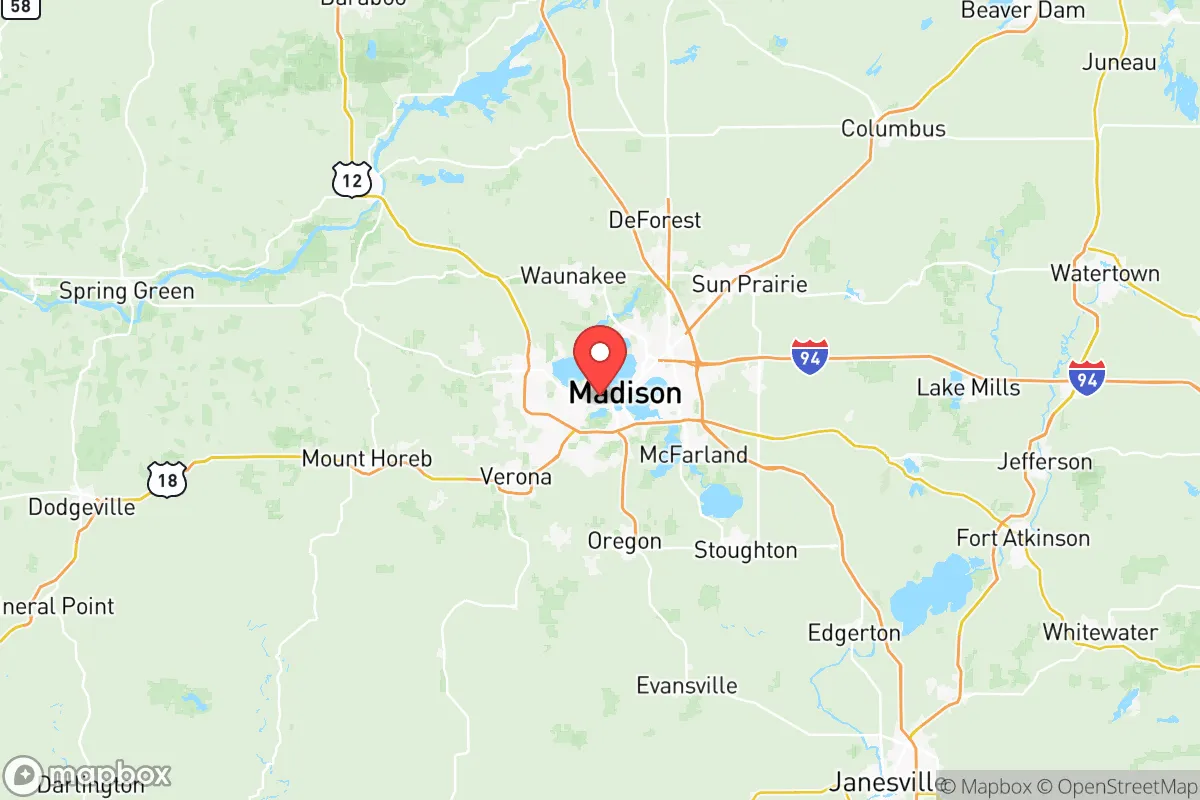
Living in Dane County means you’re part of a place that’s equal parts college-town energy, working farmland, and suburban sprawl, all wrapped around the capital city of Madison. It’s a county where you can spend a Saturday morning at a farm stand in Mount Horeb, catch a Badgers football game at Camp Randall in the afternoon, and end the night at a quiet tavern in Stoughton. The mix of urban, suburban, and rural life here is real, and which version you experience depends entirely on which of the county’s towns you call home.
The Daily Rhythm: From Madison’s Isthmus to Small-Town Main Streets
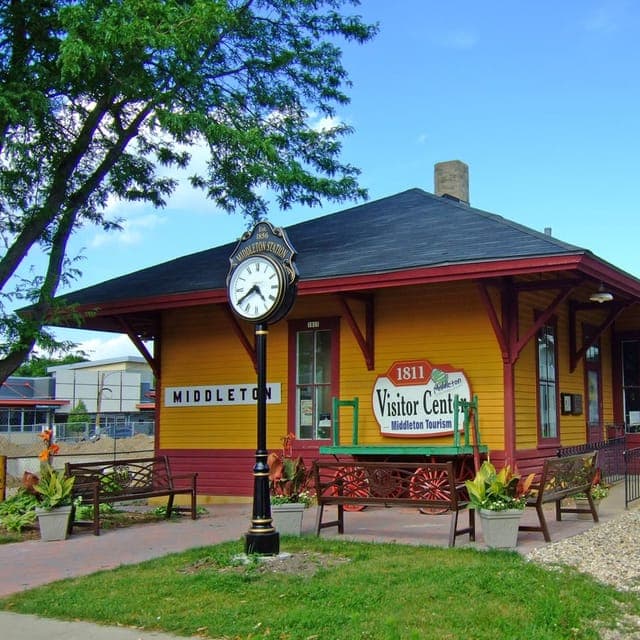
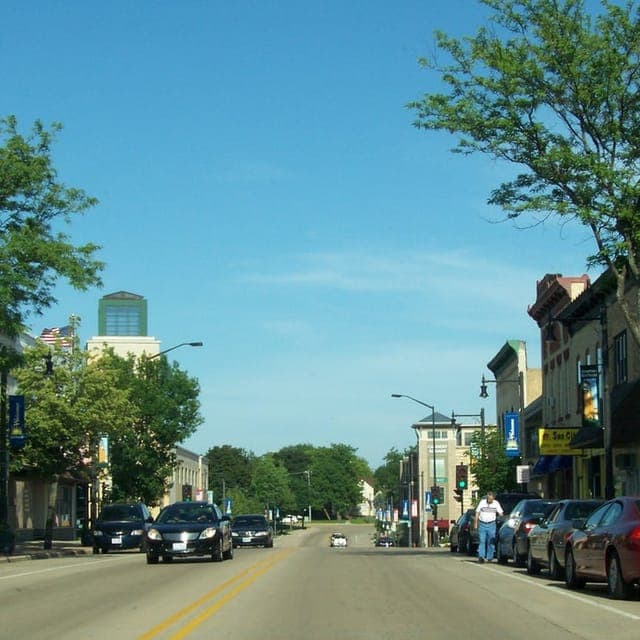
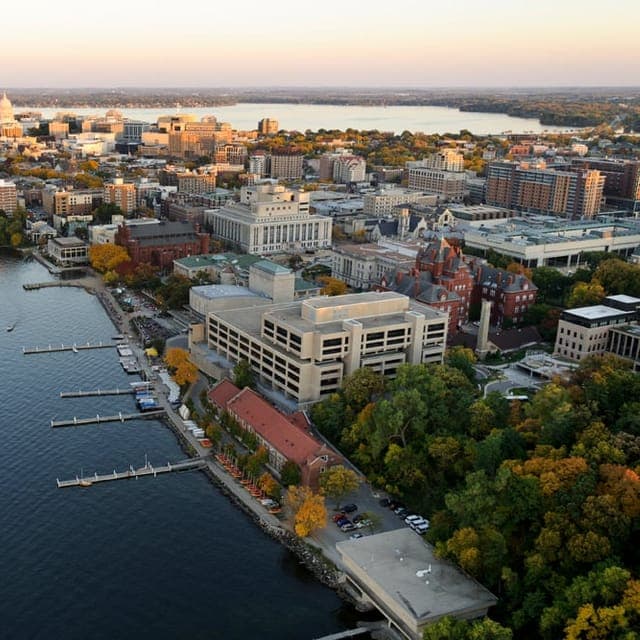
Daily life in Dane County is shaped by where you live. In Madison, the isthmus between Lake Mendota and Lake Monona creates a dense, walkable core where people bike to work, grab coffee at a co-op, and navigate traffic that’s genuinely frustrating during rush hour. The average commute across the county is just under 21 minutes, but that number hides the reality that driving from Sun Prairie or Verona into downtown Madison can easily stretch to 35 minutes on a bad day. For families, the suburbs like Middleton and Waunakee offer highly-rated schools and a calendar full of youth soccer and school concerts, while the rural towns like Cross Plains and Deerfield give you more land and a slower pace, but fewer dining options and a longer drive to a grocery store.
What people actually do with their weekends varies widely. In Madison, the Saturday morning farmers’ market around the Capitol Square is a genuine institution—locals pack the square for cheese curds, baked goods, and flowers from May through October. In Stoughton, the Syttende Mai festival in May celebrates Norwegian heritage with a parade and traditional food. Mount Horeb calls itself the “Troll Capital of the World,” and its downtown is lined with quirky shops and a solid brewery. The common thread is that people here spend a lot of time outside when the weather cooperates, and they take their local food and drink seriously.
Sports, Community, and the Badgers Obsession
It’s hard to overstate how much the University of Wisconsin Badgers dominate the local sports scene. Football Saturdays in the fall turn Madison into a sea of red, and even if you’re not a student or alum, it’s the event that defines the season. Bars across the county—from the Essen Haus in Madison to the Vintage Brewing Company in Sauk City—fill up for game days. High school sports are also a big deal, especially in towns like Verona and Sun Prairie, where Friday night football and winter basketball draw solid crowds. There’s no major professional sports team in the county, but the Madison Mallards (summer collegiate baseball) and the Forward Madison FC (soccer) have built loyal followings for a more relaxed, affordable game-day experience.
The county’s median age of 35.6 reflects a population that’s younger than the state average, driven largely by the university and the state government workforce. That demographic mix means you’ll find plenty of young professionals in downtown Madison, families in the suburbs, and retirees on the outskirts. The kind of person who fits in here is someone who values education—54.4% of adults hold a college degree—and who doesn’t mind a political culture that leans heavily progressive in the city, though the rural towns and smaller cities like Stoughton and Oregon tend to be more moderate or conservative. If you’re looking for a place where you can have a career in tech, healthcare, or government and still own a home with a yard, Dane County is a realistic option, though it’s getting pricier.
What’s There to Do: Parks, Festivals, and the Food Scene
Outdoor recreation is a major draw. The county has over 12,000 acres of parkland, including the Ice Age Trail segments near Cross Plains and the lakes around Madison. People kayak on Lake Wingra, hike at Governor Nelson State Park, and ski at Blackhawk Ski Club in the winter. The cultural calendar is packed: the Wisconsin Film Festival, the Orton Park Festival, and the Rhythm and Booms fireworks display (when it runs) all pull big crowds. For music, the Majestic Theatre and the Sylvee in Madison host national acts, while smaller venues like the High Noon Saloon keep the local scene alive.
The food and drink scene punches above the county’s size. Madison has a strong farm-to-table culture, with restaurants like L’Etoile and Graze leading the way. But the real local staples are the supper clubs—places like the Green Lantern in Stoughton or Dorf Haus in Roxbury—where Friday night fish fry is a weekly ritual. The craft brewery scene is robust, with notable names like Ale Asylum, Karben4, and Wisconsin Brewing Company. If you’re moving from a larger metro, you’ll find the variety solid but not overwhelming; if you’re coming from a smaller town, you’ll feel like you’ve hit the jackpot.
Pros and Cons of Living Here
- Pro: The schools are excellent. Districts like Middleton-Cross Plains, Verona, and Waunakee consistently rank among the best in the state, and the community investment in education is visible everywhere.
- Pro: Outdoor access is outstanding. Four lakes in Madison alone, plus miles of trails and parks, make it easy to stay active year-round.
- Pro: A strong job market. The combination of state government, the University of Wisconsin, Epic Systems in Verona, and a growing tech sector keeps unemployment low and opportunities diverse.
- Con: Housing costs are rising fast. The median home value of $366,100 is well above the national average, and the cost of living index sits at 121. First-time buyers often find themselves priced out of Madison and looking toward Sun Prairie, Oregon, or even farther out.
- Con: Winter is long and real. From November through March, cold and snow are a fact of life. The county’s median age of 35.6 means plenty of people are young enough to handle it, but the seasonal grind wears on everyone eventually.
- Con: Traffic is worse than the commute number suggests. The 20.8-minute average commute hides the fact that getting across the isthmus or through the Beltline during peak hours can add 15-20 minutes easily.
The violent crime rate of 236.8 per 100,000 is slightly below the national average, and most of that is concentrated in specific areas of Madison. Property crime is a more common annoyance, especially bike theft near campus. Overall, the county feels safe, and most residents don’t think twice about walking downtown at night.
Dane County isn’t for everyone. If you want a warm climate, low taxes, or a place where you can afford a house on a single modest income, you’ll struggle here. But if you value strong public schools, a vibrant local culture, and a community that cares about the environment and good food, it’s hard to beat. The key is picking the right town within the county—whether that’s the urban energy of Madison, the family-friendly suburbs of Verona, or the quiet rural life of Mount Horeb.

* Values derived from national, state, county, city and local statistics and may differ in a specific area. Last updated: 2026-07-04T08:06:21.000Z
Narrative content on this page is AI-generated and may contain mistakes. Verify any details that matter before acting on them.
ReloMaps may earn a commission from affiliate links at no extra cost to you.

