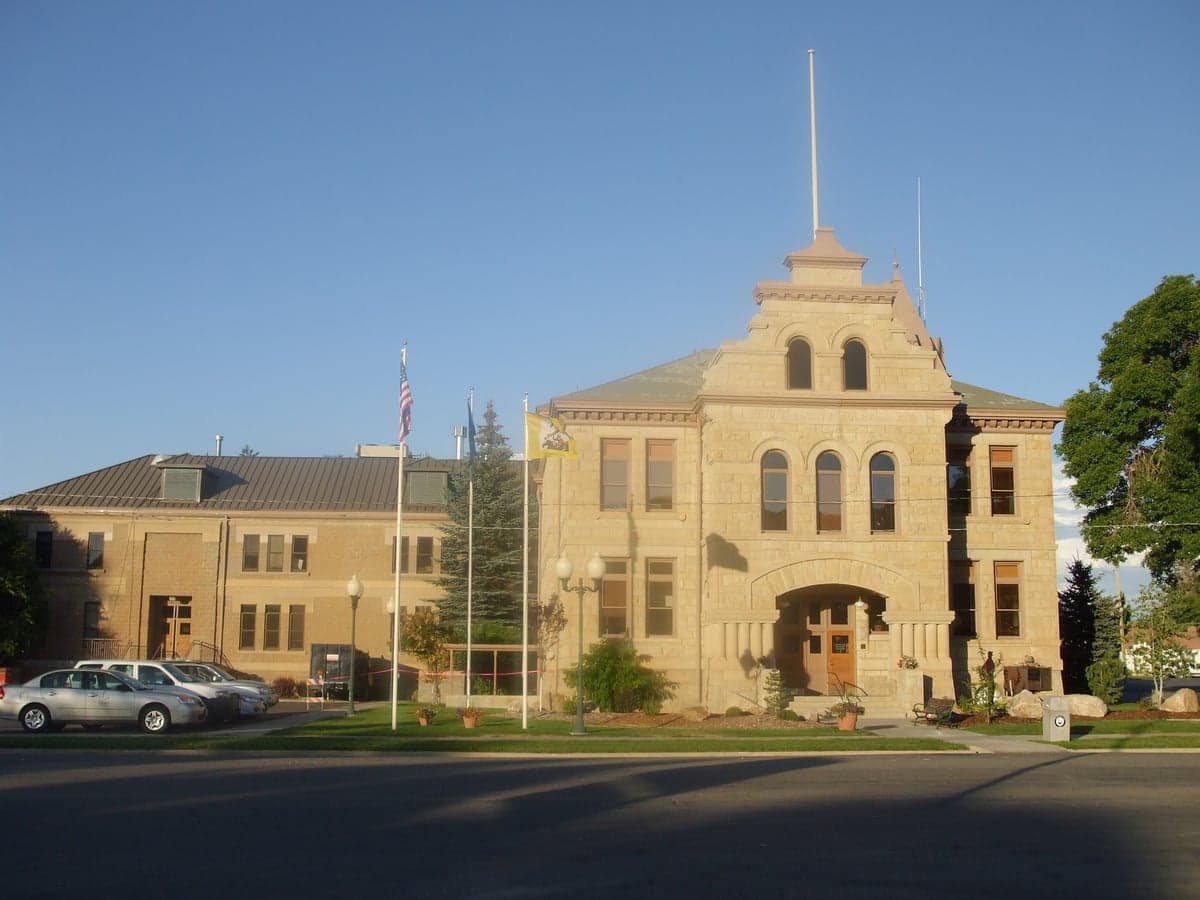
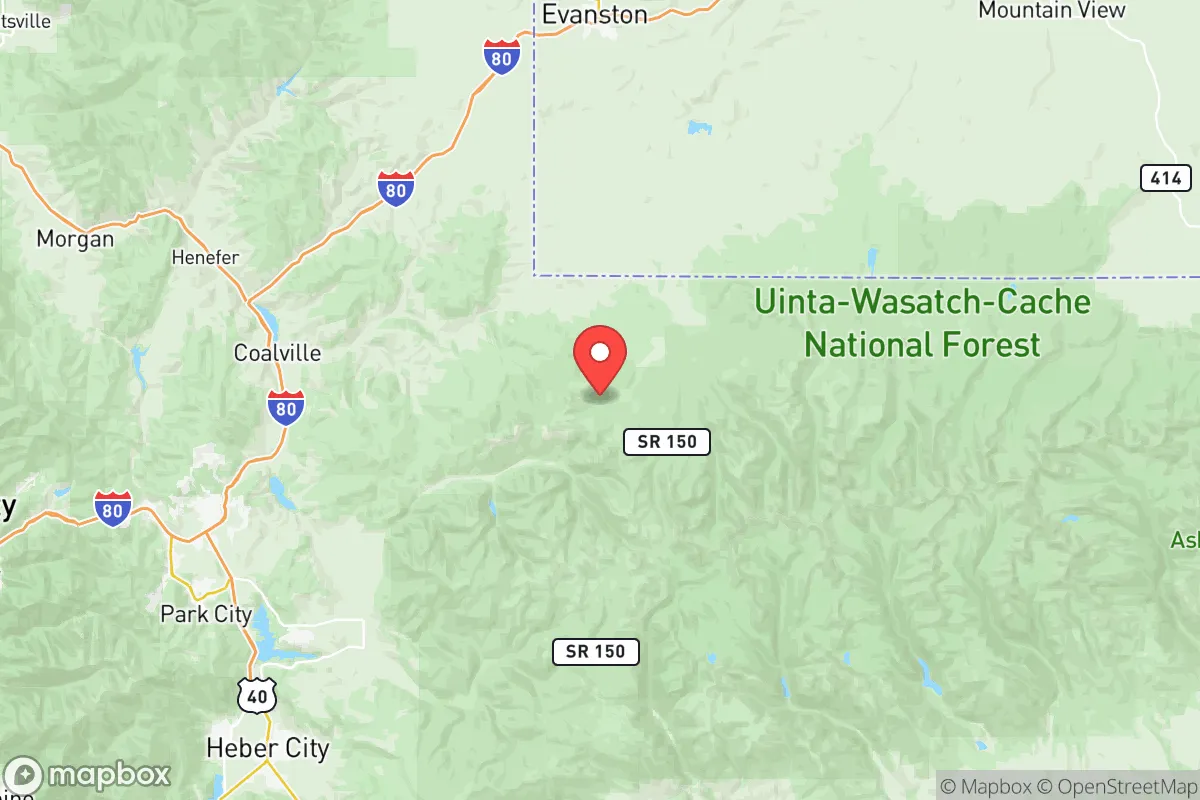
Photo: Wikipedia
Find The Best Places To Live in Summit County
PRO TIP! You can paste a Zillow or Redfin link to get info on that property.
Best Places to Live in Summit County
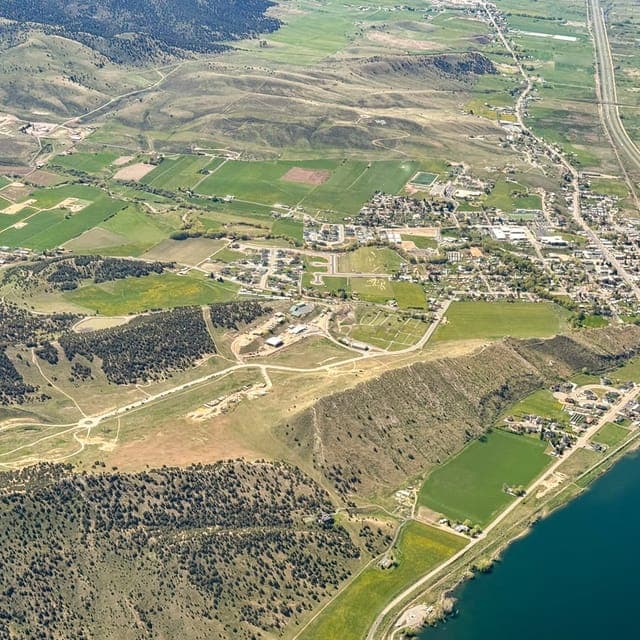
Cities & Towns in Summit County
Cities in Summit County
What It's Like Living in Summit County, UT
Living in Summit County, Utah, feels a bit like being in on a secret that’s not really a secret anymore. This is the place where the Wasatch Mountains meet the high desert, where a Park City lift ticket is a status symbol and a Saturday morning at the Silver Lake Cafe in Heber City is a weekly ritual. It’s a county of stark contrasts—the polished, world-class resorts of Park City and the working-class, small-town feel of Coalville and Kamas—all bound together by a shared love for the outdoors and a fierce independence that leans conservative, even as the ski crowds get more cosmopolitan.
The Daily Rhythm: From Ski Runs to School Runs
Daily life here is dictated by the seasons and the commute. For many, the day starts with a drive—the average commute is just over 22 minutes, but that number can feel deceptively low when a snowstorm hits Parley’s Canyon. People who live in Park City often work in the service or tourism industries, while those in Heber City and Midway frequently commute to jobs in Salt Lake City or Provo. The median income of $137,058 reflects a mix of high-earning remote tech workers and local business owners, but the cost of living index of 244 means that even a good salary gets stretched thin by a median home value of over $1 million. You’ll see families in Kamas driving older trucks and families in Park City driving new SUVs, but they’re all headed to the same trailheads on weekends.
School is a major community anchor. The South Summit School District in Kamas and the North Summit School District in Coalville are smaller and more tight-knit, while Park City’s schools are well-funded and draw families who prioritize education—58.1% of adults here hold a college degree. Friday nights in fall mean high school football in Coalville, where the whole town turns out for the North Summit Braves, a tradition that feels more rural Utah than ski town. In Park City, the high school’s hockey and ski teams are the big draw, reflecting the area’s split personality.
What’s There to Do: More Than Just the Slopes
Yes, the skiing is the headline. Park City Mountain Resort is the largest in the U.S., and Deer Valley is a perennial top-ranked resort. But locals know the real magic is in the off-season. The Midway Swiss Days festival in September is a beloved tradition, drawing crowds for crafts, food, and a parade that feels like a small-town time capsule. The Park City Kimball Arts Festival in August brings serious art and serious crowds. For a quieter weekend, you’ll find locals floating the Provo River in a tube or hiking the trails around Uinta-Wasatch-Cache National Forest near Kamas. The nightlife is concentrated in Park City’s Main Street—bars like The No Name Saloon and the Spur Bar & Grill are where you’ll find après-ski energy and live music, while Heber City’s scene is more about a quiet dinner at the Back 40 Ranch House Grill or a beer at the Wasatch Brew Pub.
The cultural quirk here is the “Park City vs. the rest” dynamic. Park City is polished, expensive, and increasingly liberal-leaning, while the rest of the county—Coalville, Kamas, Oakley—is deeply conservative, with a strong ranching and Mormon heritage. You’ll see “Don’t California My Utah” bumper stickers on trucks in Heber City and Patagonia vests on Main Street. It’s a county that votes reliably Republican, but the politics of land use and growth are the real battlegrounds.
Pros and Cons of Living Here
What locals love: The access. You can be on a world-class ski run in 20 minutes from your door, or in a quiet mountain meadow in the Uintas in 30. The sense of community in the smaller towns is genuine—your neighbors will help you dig out your car after a storm. The air is clean, the water is cold, and the scenery is a daily reminder of why you put up with the cost.
What frustrates them: The cost of living is the top complaint. A median home value over $1 million prices out teachers, firefighters, and young families. The traffic on State Route 224 into Park City can be a parking lot during peak ski season, and the commute to Salt Lake City can turn a 22-minute average into an hour-plus slog when the canyon roads ice over. The violent crime rate of 222.7 per 100,000 is higher than the national average, though it’s concentrated in Park City’s resort areas and is mostly property crime and theft from vehicles. Locals also grumble about the “second-home” effect—neighborhoods that feel empty most of the year, and a local economy that can feel like it’s built on tourism rather than a stable, year-round base.
For the right person—someone who values outdoor recreation over nightlife, who doesn’t mind a long commute for a good job, and who can afford the premium—Summit County is a place where the quality of life is genuinely high. It’s not for everyone, and that’s exactly how the people who stay here like it.

* Values derived from national, state, county, city and local statistics and may differ in a specific area. Last updated: 2026-11-17T23:42:16.000Z
Narrative content on this page is AI-generated and may contain mistakes. Verify any details that matter before acting on them.
ReloMaps may earn a commission from affiliate links at no extra cost to you.

