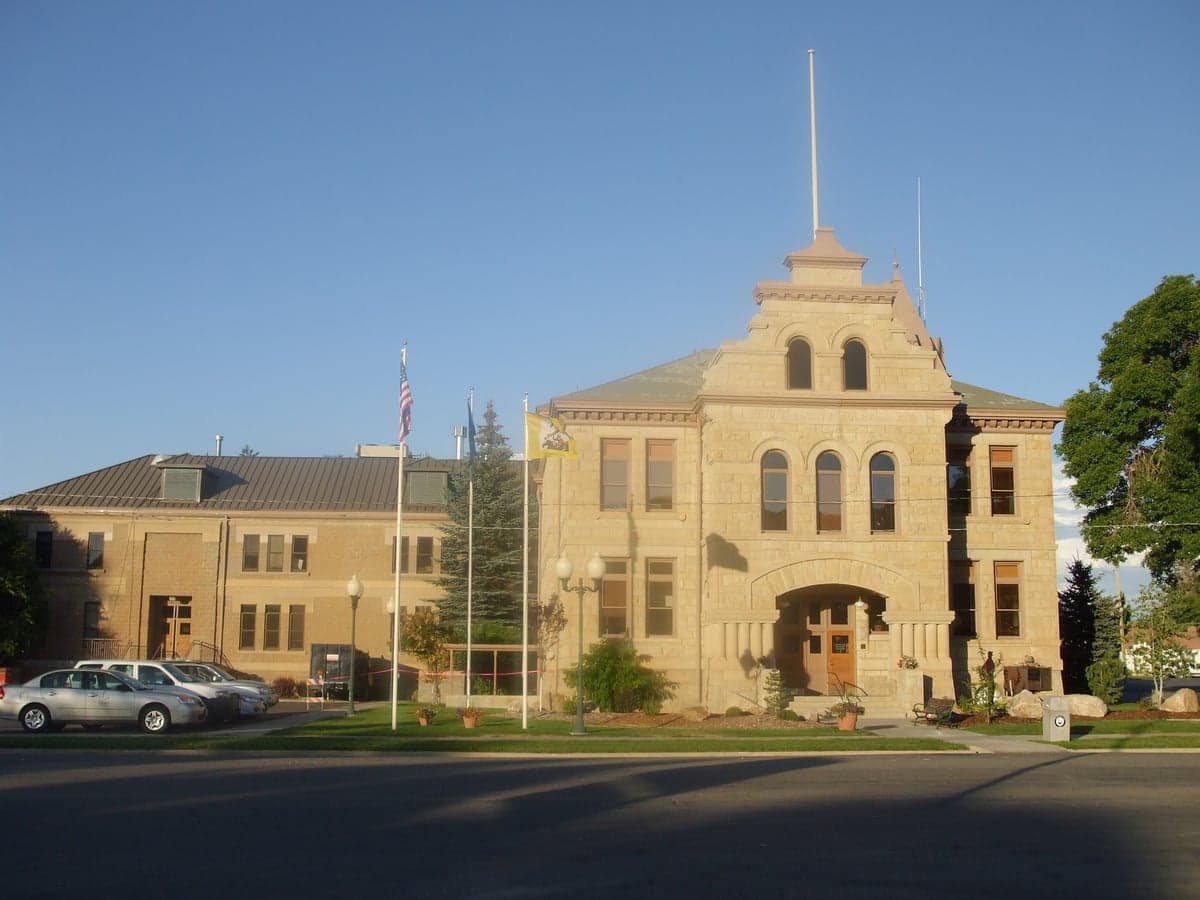
Photo: Wikipedia
Quality of Life in Summit County
A livable area that tracks near national norms for affordability, walkability, and neighborhood health.
What does Quality of Life tell us?
Quality of Life measures an area by evaluating factors like cost of living, nearby amenities, country club access, airport proximity, socioeconomic signals and neighborhood character. For large states, this is a general average — quality of life can vary dramatically between metro areas, suburbs, and rural communities within the same state.
What does this tell us?
Quality of Life measures an area by evaluating factors like cost of living, nearby amenities, country club access, airport proximity, socioeconomic signals and neighborhood character. For large states, this is a general average — quality of life can vary dramatically between metro areas, suburbs, and rural communities within the same state.
Cost of Living
144% above national average
48%
The Real Cost of Living in Summit County for 2026
| Tier | Individual | Family (4) |
|---|---|---|
| Survival | $31k | $59k |
| Comfortable | $194k | $286k |
| Luxury | $248k+ | $384k+ |
| Elite (Top 5%) | $365k+ | $565k+ |
Quality-of-Life Analysis
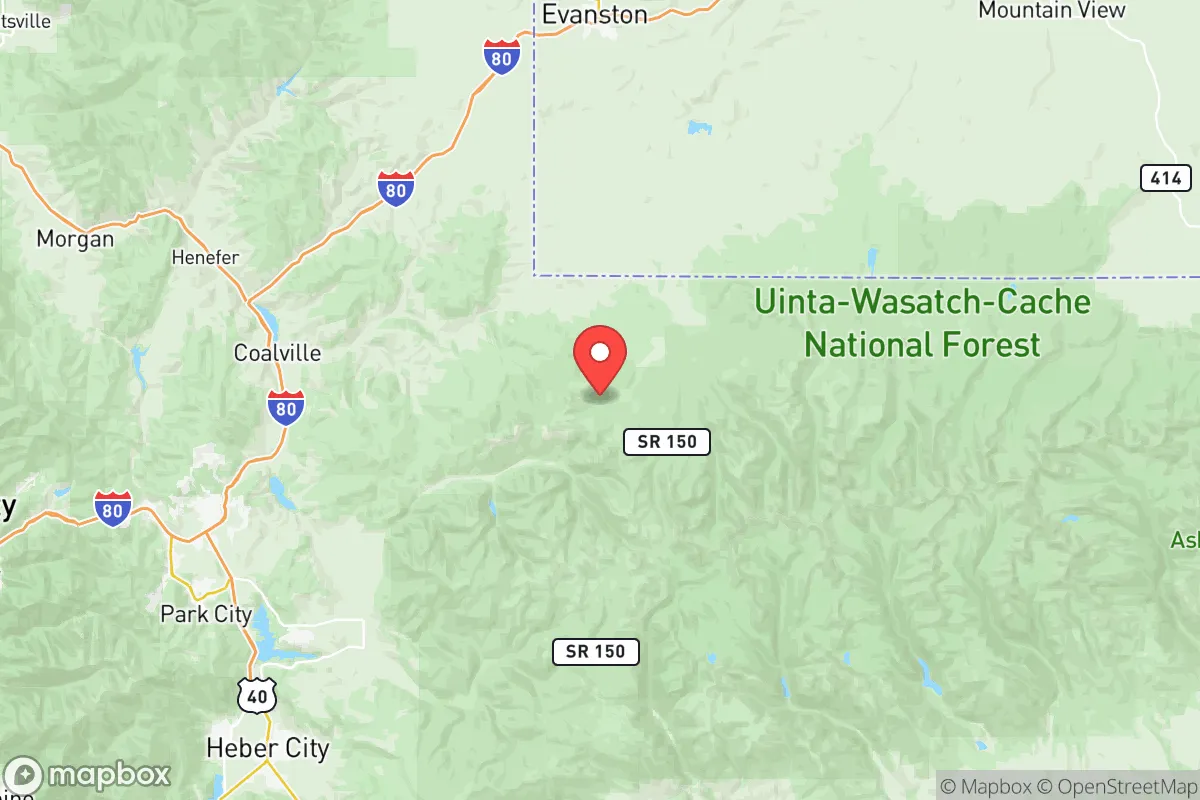
Summit County, Utah, offers one of the most dramatic quality-of-life spectrums in the Intermountain West, ranging from the resort-chic, high-density streets of Park City to the quiet, agricultural valleys of Kamas and the remote mountain hamlets of the Uinta-Wasatch-Cache National Forest. The county’s character shifts sharply with elevation and distance from the Park City base areas, attracting a mix of second-home owners, outdoor recreation professionals, remote workers, and multi-generational ranching families. With a cost-of-living index of 244—nearly two and a half times the national average—and a median home value of $1,000,400, the county presents a steep financial barrier to entry, yet the lived experience varies enormously depending on whether one lives in a walkable resort town, a bedroom community, or a rural subdivision.
Largest town(s) & population centers
Park City is the county’s dominant population and economic hub, home to roughly 8,500 year-round residents and the vast majority of the county’s commercial, dining, and cultural amenities. Daily life here revolves around the three ski resorts—Park City Mountain, Deer Valley, and Woodward—and a historic Main Street lined with galleries, high-end boutiques, and restaurants. The town is walkable in its core, with a free bus system connecting neighborhoods to the slopes and the Canyons Village base area. Coalville, the county seat, is a smaller population center of about 1,500 residents, functioning as the administrative and service hub for the northern end of the county. Life in Coalville is quieter and more family-oriented, with a historic downtown, a county fairground, and direct access to the Weber River for fishing and floating. Snyderville Basin, an unincorporated area between Park City and the I-80 corridor, contains the bulk of the county’s newer subdivisions, big-box retail (including the Kimball Junction shopping area), and the Park City High School campus, making it the practical center for many working families who cannot afford Park City proper.
Smaller towns & rural pockets
Kamas, located about 15 miles east of Park City along the Mirror Lake Highway, is the gateway to the Uinta Mountains and retains a distinctly agricultural, small-town feel. Its population of roughly 2,000 supports a local grocery store, a handful of cafes, and a strong ranching community. Oakley, just north of Kamas, is even smaller—around 1,600 residents—and is known for its rodeo grounds, annual Oakley Rodeo, and wide-open valley views. Henefer and Echo, both along I-80 in the northern part of the county, are tiny unincorporated communities with populations under 1,000, offering little more than a gas station and post office but providing some of the most affordable land in the county. The rural pockets along the Weber River and in the Chalk Creek drainage are sparsely populated, with homes on multi-acre lots and no municipal services; residents rely on well water, septic systems, and a long drive to Coalville or Park City for supplies.
Cost & lifestyle range
The cost spread across Summit County is extreme. At the high end, Park City’s Old Town and Deer Valley neighborhoods command median home prices well above the countywide $1,000,400, often exceeding $2 million for a single-family home, with median rent of $1,969 covering only a modest two-bedroom condo. At the low end, unincorporated areas near Echo and Henefer still carry a median home value near $600,000, but land is cheaper and property taxes are lower due to the absence of city services. The average commute across the county is 22 minutes, but that figure masks a wide gap: a resident of Snyderville Basin commuting to a job at Kimball Junction might drive 10 minutes, while a resident of Oakley commuting to Park City faces a 35- to 45-minute drive on State Route 32 and I-80, often in heavy winter conditions. Lifestyle options range from ski-in/ski-out luxury and fine dining in Park City to a self-sufficient rural lifestyle in the Kamas Valley, where residents raise livestock, hunt, and rely on the Uinta National Forest for recreation. The county lacks significant rental inventory outside of Park City and Snyderville Basin, making the median rent of $1,969 a realistic floor for most newcomers.
Summit County is best suited for households with high incomes—typically $150,000 or more—who prioritize outdoor recreation and can absorb the housing costs, or for those willing to live in the rural fringe and commute for work and services. Families seeking good schools and a safe environment will find them countywide, but the financial and lifestyle trade-offs between a Park City condo and a Kamas Valley acreage are substantial. Remote workers, second-home owners, and retirees with equity from lower-cost markets tend to thrive here, while service workers and young renters often struggle with the county’s high cost of living and limited affordable housing stock.

Crime in Summit County
Generally safer than 67% of comparable U.S. locations.
Violent CrimeViolent Crime Analysis
Property CrimeProperty Crime Analysis
Crime Analysis
Summit County, Utah, presents a mixed safety profile that is heavily influenced by its dual identity as both a high-end mountain resort destination and a collection of small, residential towns. The county's overall violent crime rate of 222.7 per 100,000 residents is notably lower than the national average, but its property crime rate of 1,306.3 per 100,000 is elevated, driven largely by theft and vehicle break-ins in tourist-heavy areas. The most significant safety concern for residents and visitors alike is not violent confrontation but the opportunistic property crime that follows the region's seasonal influx of visitors.
Crime in context
When compared to both Utah state averages and national figures, Summit County's violent crime rate is a clear positive. The national violent crime rate hovers around 380 per 100,000, meaning Summit County is roughly 40% lower. However, the property crime rate is a different story. It sits above the national average of approximately 1,200 per 100,000, and significantly above the Utah state average of roughly 1,100 per 100,000. This disparity is almost entirely attributable to the county's status as a premier ski and outdoor recreation hub. Towns like Park City, Kamas, and the Snyderville Basin see spikes in larceny and motor vehicle theft during peak tourist seasons, particularly around the Sundance Film Festival and major ski weekends. The county's geography, with many homes and vehicles left unattended for long periods while owners are on the slopes or trails, creates a target-rich environment for thieves.
What residents experience
For the roughly 43,000 year-round residents, daily life is generally safe, but vigilance is required. The most common crimes are non-violent: package thefts from porches, unlocked vehicle entries, and burglaries of vacation rentals. Violent crime is rare and typically isolated to domestic incidents or disputes among transient populations. A notable concern for residents is the influence of the local justice system. Summit County, along with neighboring Salt Lake County, has seen a trend toward progressive prosecution policies. District attorneys in these jurisdictions have increasingly emphasized diversion programs and reduced sentencing for property crimes, a philosophy that critics argue emboldens repeat offenders. This "catch-and-release" dynamic is particularly frustrating in resort communities, where a stolen pair of skis or a broken car window can cost thousands of dollars, yet the perpetrator often faces minimal consequences. This stands in contrast to more conservative areas like Wasatch County to the south, where property crime prosecutions are pursued more aggressively, contributing to a lower reported property crime rate there.
Neighborhood-level variation
Safety within Summit County varies dramatically by location. The historic Old Town area of Park City, with its dense mix of bars, restaurants, and short-term rentals, sees the highest concentration of petty theft and public intoxication incidents. The Kimball Junction area, a commercial hub near the interstate, is a hotspot for vehicle break-ins and retail theft. In contrast, the more rural communities of Oakley and Coalville report very low crime, functioning more like traditional small towns where residents know their neighbors. For those considering a move, the safest bet is often a gated community or a neighborhood with active homeowners' associations that fund private security patrols, a common feature in higher-end developments near the Canyons Village base area. Ultimately, while Summit County is not a high-crime area by national standards, the combination of transient tourism and a lenient local justice system means that property crime is a persistent annoyance that residents must actively manage.
* Values derived from national, state, county, city and local statistics and may differ in a specific area. Last updated: 2026-11-17T23:42:16.000Z
Narrative content on this page is AI-generated and may contain mistakes. Verify any details that matter before acting on them.
ReloMaps may earn a commission from affiliate links at no extra cost to you.

