Photo: Wikipedia
Find The Best Places To Live
in Coalville
PRO TIP! You can paste a Zillow or Redfin link to get info on that property.
Compare Coalville with another place
What It's Like Living in Coalville, UT
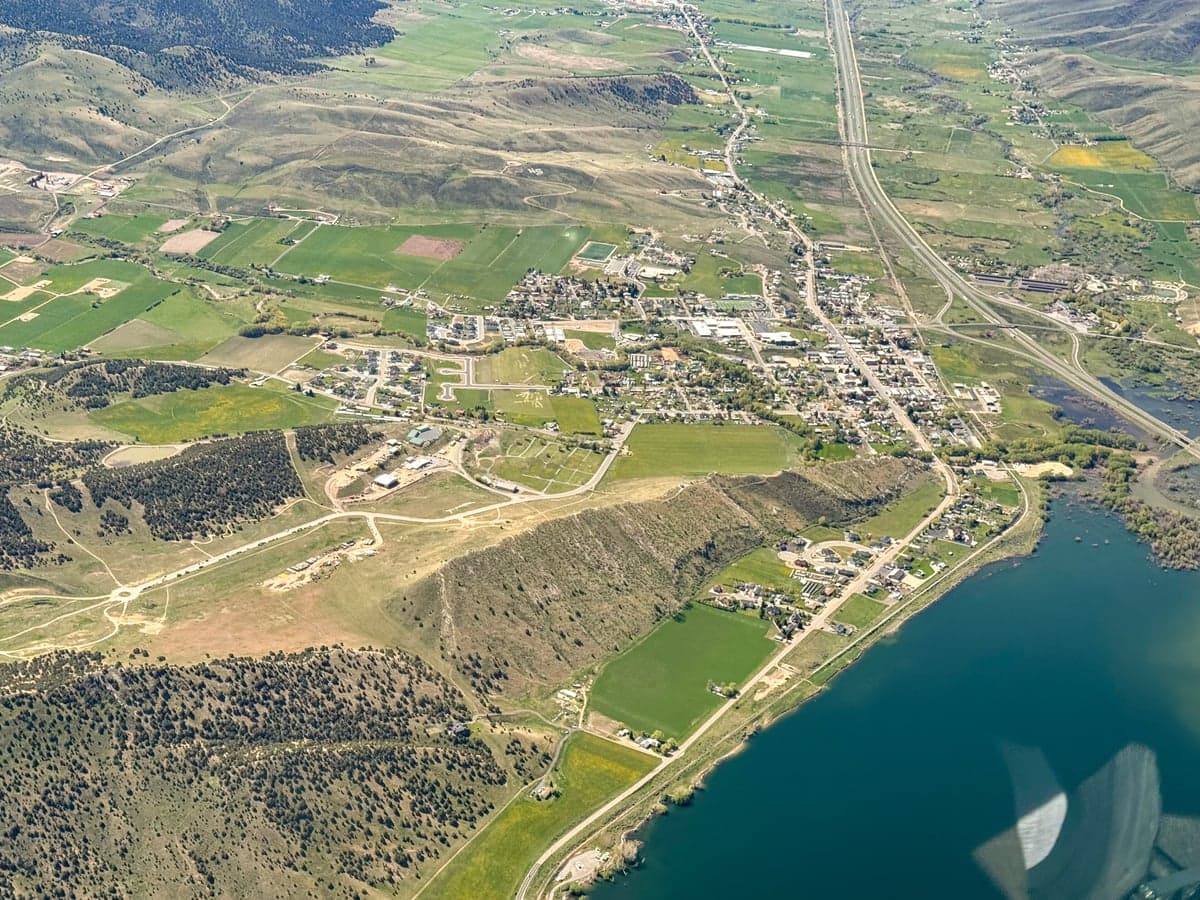
Coalville, Utah, feels like a town that time didn’t forget so much as one that politely declined to keep up with the frenzy. With just under 2,000 residents and a median age of 27.5, it’s a place where high school sports still pack the bleachers, the local diner knows your order, and the biggest traffic jam is a slow-moving tractor on Main Street. It’s not for everyone—but for the people who live here, that’s the whole point.
The Daily Rhythm: Slow Mornings and Quick Commutes
Life in Coalville moves at a deliberate pace. Most mornings start with coffee at a local spot like the Coffee Shop at the Chateau or a quick stop at the Maverik for gas and a breakfast burrito. The average commute clocks in at just under 22 minutes, which feels almost luxurious compared to the hour-plus slog many Wasatch Front residents endure. People work in construction, county government, mining, or commute to Park City and Salt Lake City for white-collar jobs. The median household income of $85,921 supports a comfortable, no-frills lifestyle—enough for a boat or an ATV, but not for a second home in Deer Valley.
Weekends are spent on projects: fixing a fence, hauling hay, or tinkering with a snowmobile. The high school football field is the social hub on Friday nights in fall, and the local grocery store, Kent’s Market, doubles as a gossip exchange. There’s no Target, no movie theater, no chain gym—just a small-town hardware store, a couple of banks, and a post office where everybody knows your name.
Sports, Community, and the North Summit High School Factor
If you want to understand Coalville, look at North Summit High School. The Braves are the town’s identity—football, basketball, and wrestling are genuinely important here. Friday night games in the fall draw nearly as many people as the town’s population, with parents, grandparents, and former players filling the stands. The school itself is the community’s living room: fundraisers, town meetings, and holiday concerts all happen there. College sports are an afterthought (most locals root for the University of Utah or BYU, but it’s not a big deal), and there’s no pro team within an hour. The Braves are the main event.
That said, the town’s youthfulness—median age 27.5—means there’s a steady stream of young families moving in, drawn by affordable housing (median home value $455,000, which is cheap by Summit County standards) and the chance to raise kids in a place where they can still ride bikes to the park without a parent watching every second.
What’s There to Do: Honest Recreation and Seasonal Rhythms
Outdoor life is the main entertainment. The Weber River runs right through town, offering decent fly fishing and tubing in summer. The Uinta-Wasatch-Cache National Forest is a 10-minute drive east, with hiking, camping, and ATV trails that see far less traffic than anything near Park City. In winter, snowmobiling is king—the trails around Chalk Creek and the Mirror Lake Highway are groomed and popular. Skiing means a 30-minute drive to Park City Mountain or Deer Valley, but most locals don’t ski regularly; it’s too expensive and crowded.
Festivals are low-key but beloved. The Coalville Fourth of July parade is a genuine community event, with fire trucks, candy throws, and a rodeo. The Summit County Fair in August brings livestock shows, a carnival, and a demolition derby. There’s no music venue to speak of—live music happens at the Coalville Tabernacle or at private parties. For a night out, you drive to Park City (25 minutes) or Ogden (35 minutes). The only real bar in town is the Coalville Depot, a historic train station turned restaurant and bar, where you can get a burger and a beer while watching locals play pool.
Pros and Cons of Living Here: The Honest Trade-Offs
Longtime residents love the quiet, the safety (though the violent crime rate of 222.6 per 100,000 is slightly above the national average, most incidents are domestic and don’t affect daily life), and the fact that kids can still roam free. They love that you can buy a house for under $500,000 in a county where the median is over $1 million. They love the lack of traffic and the sense that everyone has your back.
What frustrates them? The lack of amenities. You drive 20 minutes for a Walmart, 30 for a decent restaurant, and 45 for a hospital. The cost of living index is 132—32% above the national average—driven mostly by housing and groceries. Internet options are limited (CenturyLink or satellite), and cell service can be spotty in the canyons. Winters are long and real: snow piles up from November through March, and you’ll need a 4WD vehicle and a good snowblower. The town’s 21.4% college-educated rate is low, which means fewer white-collar neighbors and a more blue-collar, practical culture—a pro for some, a con for others.
Coalville is a place where you trade convenience for community, and where the biggest cultural quirk is that nobody locks their doors but everyone knows whose truck is parked where. It’s not for the person who wants a craft brewery on every corner or a yoga studio next door. But for the family that wants a front porch, a fishing pole, and a high school team to cheer for, it’s hard to beat.

Similar small towns to Coalville
* Values derived from national, state, county, city and local statistics and may differ in a specific area. Last updated: 2026-11-07T07:12:17.000Z
Narrative content on this page is AI-generated and may contain mistakes. Verify any details that matter before acting on them.
ReloMaps may earn a commission from affiliate links at no extra cost to you.

