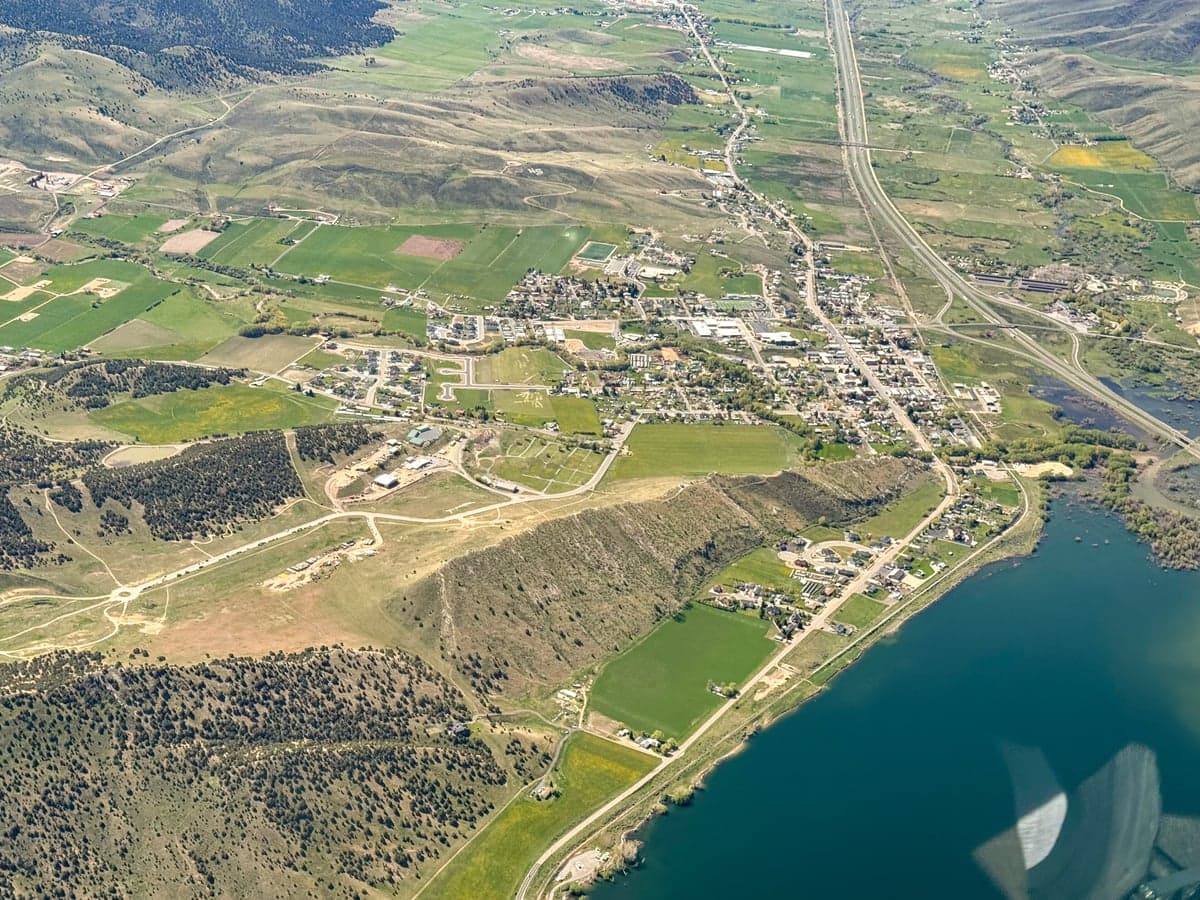
Photo: Wikipedia
Quality of Life in Coalville, UT
Above-average quality of iife. The area offers a reasonable cost of living, decent mobility, and a mix of neighborhood amenities.
What does Quality of Life tell us?
Quality of Life blends cost of living, nearby amenities, socioeconomic signals, and neighborhood character. City-level scores represent the whole municipality; individual neighborhoods can differ.
What does this tell us?
Quality of Life blends cost of living, nearby amenities, socioeconomic signals, and neighborhood character. City-level scores represent the whole municipality; individual neighborhoods can differ.
Cost of Living
32% above national average
The Real Cost of Living in Coalville, UT for 2026
| Tier | Individual | Family (4) |
|---|---|---|
| Survival | $21k | $39k |
| Comfortable | $80k | $117k |
| Luxury | $117k+ | $181k+ |
| Elite (Top 5%) | $137k+ | $213k+ |
73%
The Area Signal
A metric tracking the socioeconomic signals of the area.
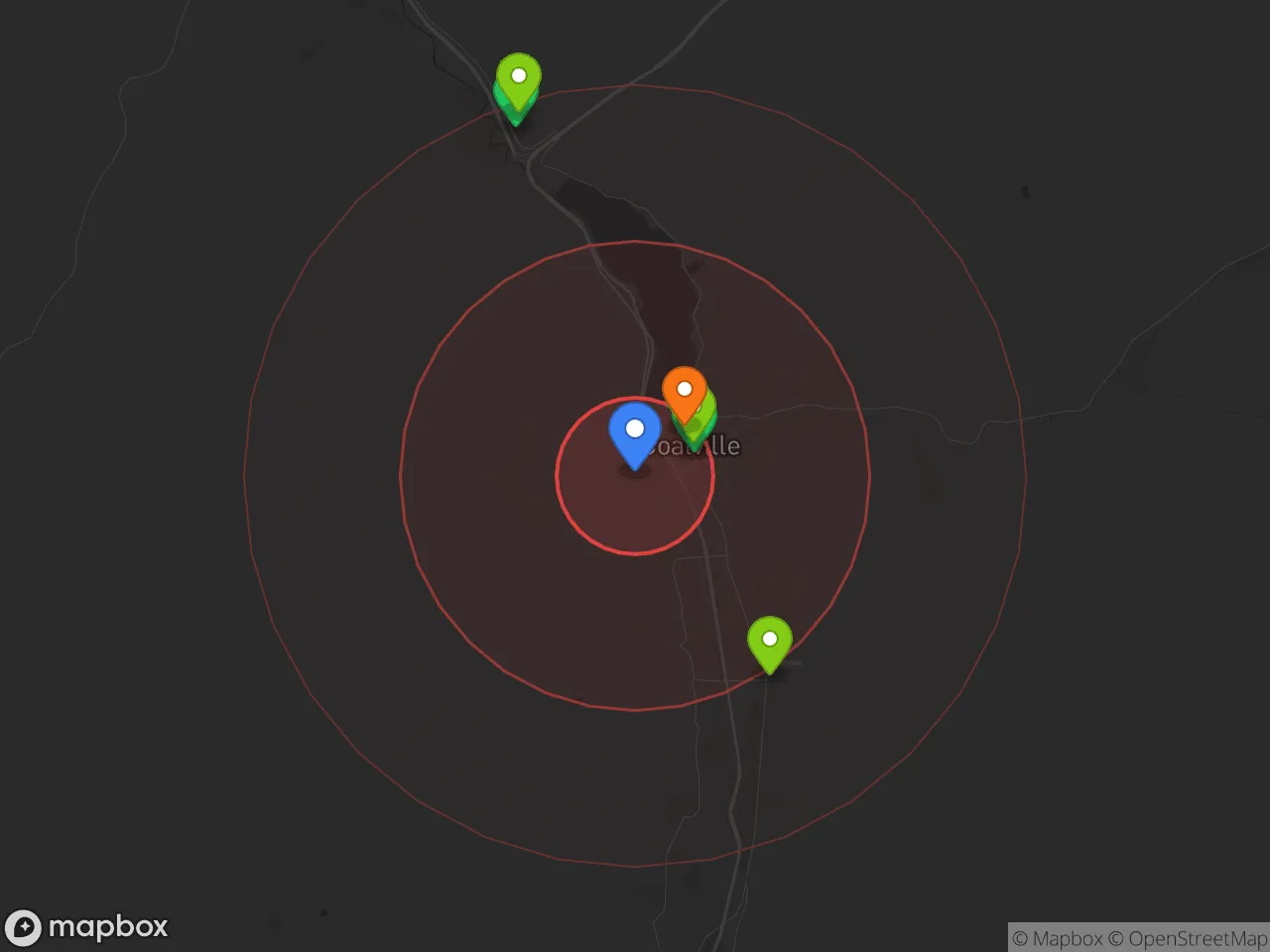
Hobbies
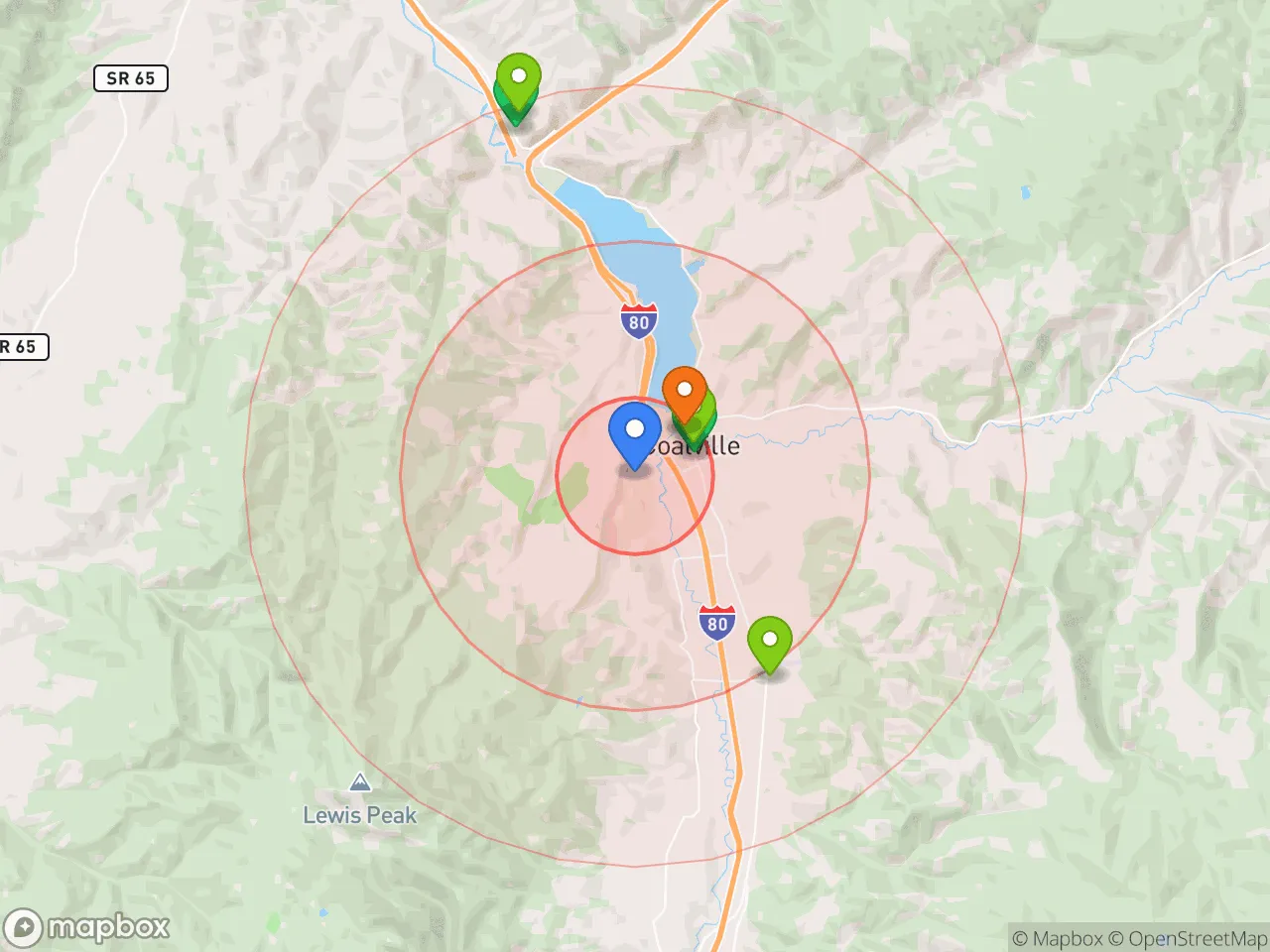
Explore the areaGroceries
0 within 10 miles
Gas
0 within 10 miles
Hospital
0 within 20 miles
Airport
SLC — Salt Lake City International
Post Office
Critical Amenities
Quality-of-Life Analysis
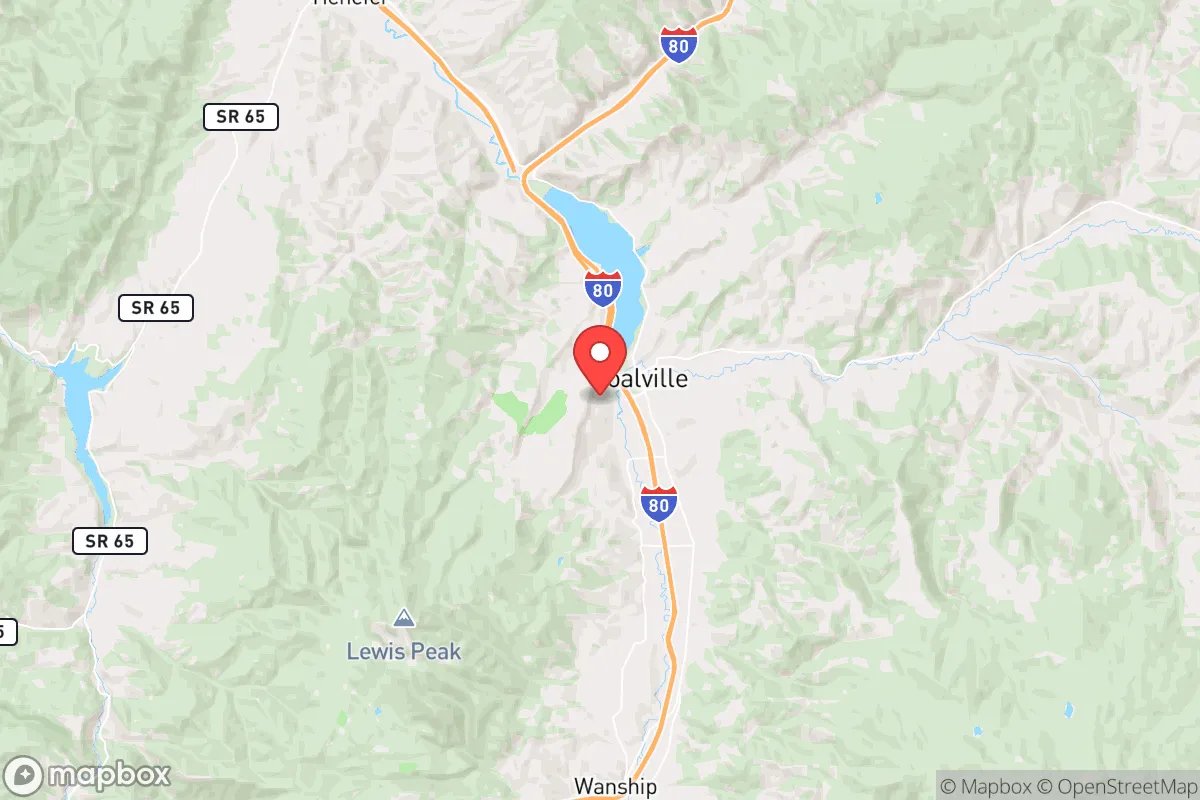
Coalville, Utah, presents a distinctive quality-of-life profile shaped by its position as the affluent seat of Summit County, approximately 30 miles northeast of Salt Lake City. With a cost-of-living index of 132—32 percent above the national average—the town attracts a mix of long-time ranching families, second-home owners drawn to the nearby ski resorts, and professionals commuting to the Wasatch Front. The population hovers around 1,500, creating a tight-knit, rural atmosphere that contrasts sharply with the tourist-driven economies of Park City and the fast-growing suburbs of Davis County.
Cost of living, housing, and affordability compared to Park City and Heber City
Housing costs in Coalville are the primary driver of its above-average cost of living. The median home value sits at $455,000, which is significantly lower than Park City’s median of roughly $1.2 million but notably higher than the national median of $350,000. Renters face a median monthly rent of $1,301, a figure that undercuts Park City’s typical $2,000+ rents while remaining above the Utah state average of $1,200. For buyers, Coalville offers a relative bargain compared to Summit County’s resort towns, though inventory is limited and dominated by single-family homes on larger lots. The average commute of 22 minutes is manageable, with most residents driving to jobs in Park City (20 minutes south) or Salt Lake City (45 minutes via I-80). Property taxes remain moderate due to Utah’s overall tax structure, but homeowners should note that Summit County’s tax rates are slightly higher than neighboring Wasatch County.
Local amenities, schools, and what daily life is like for families
Daily life in Coalville revolves around outdoor recreation and community institutions. The town is home to North Summit High School, which serves roughly 400 students and maintains strong athletic and agricultural programs reflective of the area’s ranching heritage. For groceries and errands, residents rely on a small local market or drive 15 minutes to Kamas or 25 minutes to Park City for full-service shopping. The Coalville City Park hosts summer concerts and the annual Coalville Rodeo, a key social event. Dining options are limited to a handful of cafes and diners; most evening entertainment requires a trip to Park City’s restaurants or Salt Lake City’s cultural venues. The nearby Echo Reservoir and Wasatch-Cache National Forest provide immediate access to fishing, hiking, and snowmobiling, making the town a base for year-round outdoor activity. Healthcare access is a notable gap—the nearest hospital is 25 minutes away in Park City, and specialized care often requires a 45-minute drive to Salt Lake City.
Coalville is best suited for those who prioritize space, quiet, and proximity to nature over urban convenience. Families with school-age children benefit from small class sizes and a low-crime environment, while remote workers and retirees appreciate the slower pace and lower housing costs relative to Park City. The trade-off is clear: limited retail, dining, and healthcare options require planning and travel. For buyers seeking a foothold in Summit County without the resort-town premium, Coalville offers a pragmatic, community-oriented alternative that retains its rural character amid rapid regional growth.

Crime in Coalville, UT
Generally safer than 67% of comparable U.S. locations.
Violent CrimeViolent Crime Analysis
Property CrimeProperty Crime Analysis
Crime Analysis
Coalville, Utah, presents a mixed safety profile for prospective residents. While its violent crime rate of 222.6 per 100,000 residents is notably lower than the national average, its property crime rate of 1,305.9 per 100,000 is significantly higher than both the state and national averages. This combination means that while the risk of a violent encounter is relatively low, the likelihood of experiencing theft, burglary, or vandalism is a genuine concern for those living in or moving to this Summit County community.
Crime in context
To understand Coalville's safety, it's essential to compare its numbers to broader benchmarks. The national violent crime rate sits at approximately 380 per 100,000, making Coalville's rate of 222.6 about 41% lower. However, the national property crime rate is roughly 1,950 per 100,000, meaning Coalville's rate is actually 33% lower than the national average in that category as well. The more pressing comparison is with the state of Utah, which has a property crime rate around 1,100 per 100,000. Coalville's rate of 1,305.9 is about 19% higher than the state average, indicating a localized property crime problem. This is a critical point for anyone evaluating the area, as property crime often has a more direct and frequent impact on daily life than violent crime.
What residents experience
For those living in Coalville, the practical experience of safety is shaped by these statistics. The low violent crime rate means that serious incidents like assault, robbery, and homicide are rare events. However, the elevated property crime rate translates into a higher chance of dealing with a stolen package, a broken-into vehicle, or a burglarized shed. Residents often report that theft from vehicles and outbuildings is the most common issue, particularly in areas with less street traffic or during overnight hours. The town's small size and close-knit community can be a double-edged sword: neighbors often watch out for each other, but the limited police force means response times for non-emergency property crimes can be slow. It is also worth noting that Summit County, like many areas near large metro regions, has seen shifts in local prosecutorial priorities. Readers should be aware that progressive policies in the justice system can lead to reduced consequences for repeat property offenders, potentially contributing to the higher-than-average property crime numbers seen here.
Neighborhood-level variation in Coalville is not as pronounced as in a large city, but some patterns exist. The historic core of town, with its older homes and closer proximity to neighbors, tends to have slightly lower property crime rates than the newer subdivisions on the outskirts, which may be more isolated and offer easier targets for thieves. Areas closer to the main highways (US-40 and I-80) also see slightly higher rates of vehicle-related theft due to easier access and egress for criminals. Overall, while Coalville is not a high-crime area by national standards, the property crime rate is a tangible concern that warrants proactive security measures from residents.
* Values derived from national, state, county, city and local statistics and may differ in a specific area. Last updated: 2026-11-07T07:12:17.000Z
Narrative content on this page is AI-generated and may contain mistakes. Verify any details that matter before acting on them.
ReloMaps may earn a commission from affiliate links at no extra cost to you.

