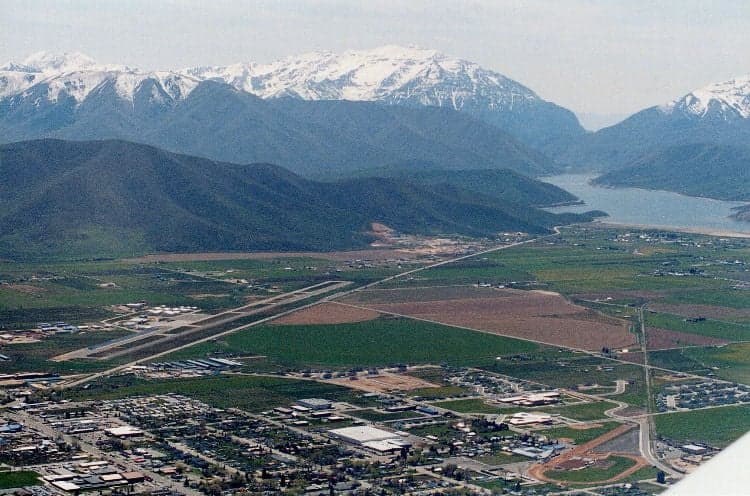
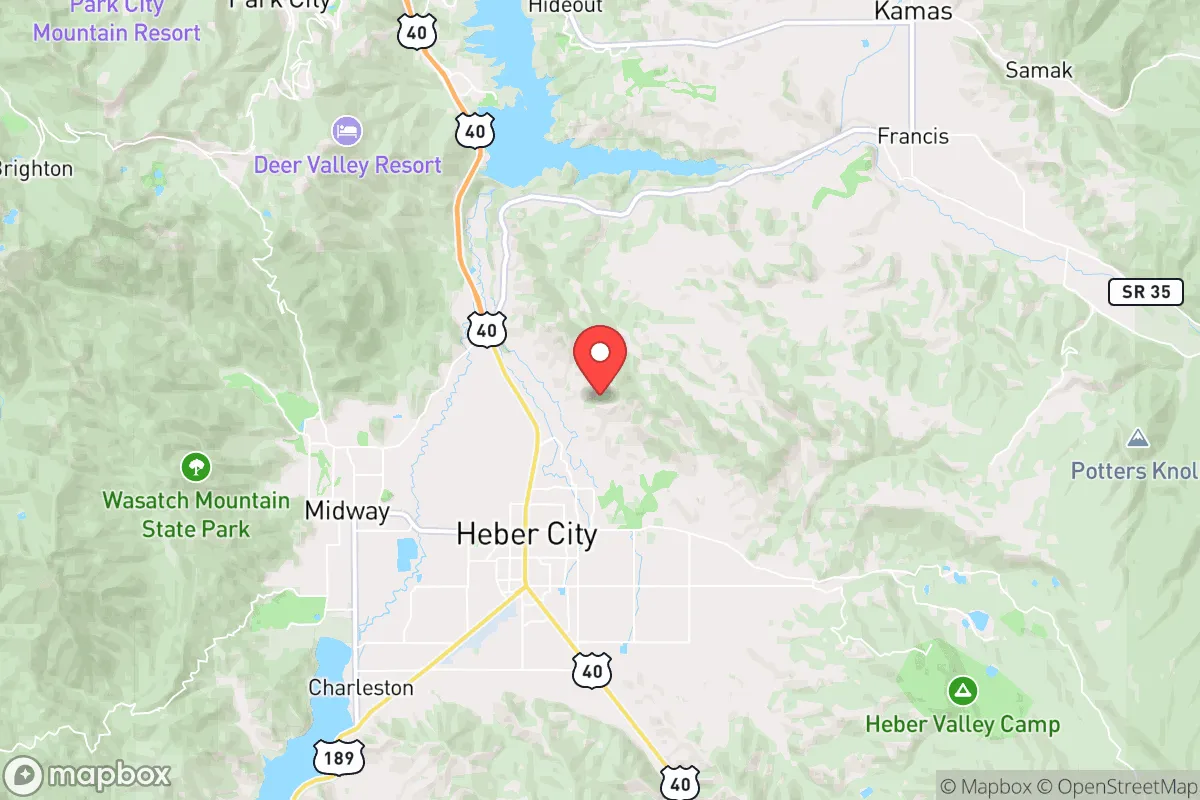
Photo: Wikipedia
Find The Best Places To Live
in Heber City
PRO TIP! You can paste a Zillow or Redfin link to get info on that property.
What It's Like Living in Heber City, UT
Heber City feels like a small town that got discovered, and it’s still figuring out how to balance its old ranching roots with the wave of young families and remote workers pouring in from the Wasatch Front. You’ll see lifted trucks and Subaru Outbacks parked side by side at the grocery store, and the local feed supply shares a parking lot with a craft coffee shop. It’s a place where the high school football game on Friday night is still a major social event, but the median age of 28.4 and a median income over $107,000 tell you this isn’t your grandparent’s sleepy farm town anymore.
Daily Rhythm: What People Actually Do Here
Most days in Heber City revolve around the outdoors and the clockwork of school and work. The average commute is just under 20 minutes, which feels almost luxurious compared to the 45-minute slogs common in Salt Lake County. People here work in construction, healthcare, and a growing number of remote tech jobs, or they drive the 45 minutes to Park City or Provo for higher-paying gigs. After work, the routine often involves a quick run up to the Jordanelle Reservoir for paddleboarding or a mountain bike ride on the Round Valley trails before the sun drops behind the Wasatch. Dinner out usually means a burger at Lola’s Street Kitchen or a sit-down meal at Back 40 Ranch House Grill, where the vibe is casual and kids are welcome. Weekends are for bigger projects: yard work, a trip to the Heber Valley Farmers Market in summer, or a drive over Guardsman Pass to catch fall colors. The town’s identity is deeply tied to the Heber Valley Railroad, the historic steam train that chugs through town, and the annual Swiss Days festival in nearby Midway, which draws thousands for crafts, food, and a small-town parade.
Sports & Community: Where Loyalties Lie
High school sports are a genuine centerpiece here. Wasatch High School football and basketball games pack the stands on Friday nights, and the community takes pride in the school’s wrestling program, which has produced state champions. There’s no pro sports team in town, but the Utah Utes and BYU Cougars both have strong followings, and you’ll see flags flying for both on game days. The real athletic passion, though, is for what residents do themselves: skiing and snowboarding at Deer Valley or Park City Mountain (20 minutes up the canyon), fly fishing on the Provo River, and mountain biking on the Wasatch Mountain State Park trails. The local rec leagues for soccer and softball are active, but the culture is less about spectating and more about participating. If you don’t ski or bike, you might feel a little left out of the conversation.
What’s There to Do (and What’s Missing)
Entertainment here is mostly low-key and outdoorsy. The Heber Valley Arts Council puts on a few concerts and theater productions each year, and the Deer Creek State Park marina is a summer hub for boating and wakeboarding. For music, you’re driving to Park City for the Park City Song Summit or to Salt Lake City for bigger shows. The bar scene is thin: a couple of sports bars like Brick 40 and a brewery called Hive Winery (yes, a winery in Utah) that draws a crowd for live music on weekends. The biggest annual event is Swiss Days in neighboring Midway, a massive craft fair and parade that feels like the whole valley shows up. The honest downside is that dining and nightlife options are limited. If you want a late-night taco or a cocktail that isn’t served with a side of nachos, you’re driving to Park City or Provo. The trade-off is that you can be on a hiking trail within 10 minutes of leaving your house, and the air is clean and quiet after dark.
Pros and Cons of Living Here
The upsides are clear: a strong sense of community, excellent schools (Wasatch County School District consistently ranks among Utah’s best), and unmatched outdoor access year-round. The median home value of $571,300 is steep for Utah County but still cheaper than Park City, and the cost of living index of 177 reflects that housing is the main driver. The violent crime rate of 222.4 per 100,000 is slightly above the national average, but most residents will tell you they feel safe and that property crime is the bigger nuisance. The downsides are real: traffic on Main Street during tourist season and school drop-off times can be frustrating, and the winter inversion can trap haze in the valley for days. The cultural vibe is heavily LDS (The Church of Jesus Christ of Latter-day Saints), which shapes the Sunday rhythm—many businesses close, and alcohol sales are restricted. Non-LDS families or single people might find the social scene a bit insular at first, though the influx of new residents is slowly diversifying the mix. The weather is classic high desert: cold, snowy winters (expect 50+ inches of snow) and warm, dry summers with afternoon thunderstorms. If you love four distinct seasons and don’t mind shoveling snow, it’s a dream. If you need urban energy, late-night options, or a diverse food scene, Heber City will feel too quiet.

Similar towns to Heber City
* Values derived from national, state, county, city and local statistics and may differ in a specific area. Last updated: 2026-10-01T16:27:04.000Z
Narrative content on this page is AI-generated and may contain mistakes. Verify any details that matter before acting on them.
ReloMaps may earn a commission from affiliate links at no extra cost to you.

