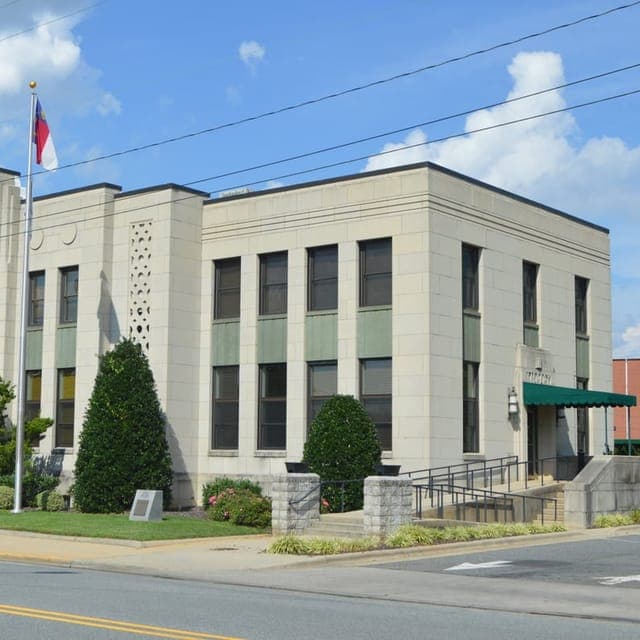
Photo: Wikipedia
Find The Best Places To Live in Randolph County
PRO TIP! You can paste a Zillow or Redfin link to get info on that property.
Best Places to Live in Randolph County
Cities & Towns in Randolph County
Cities in Randolph County
What It's Like Living in Randolph County, NC
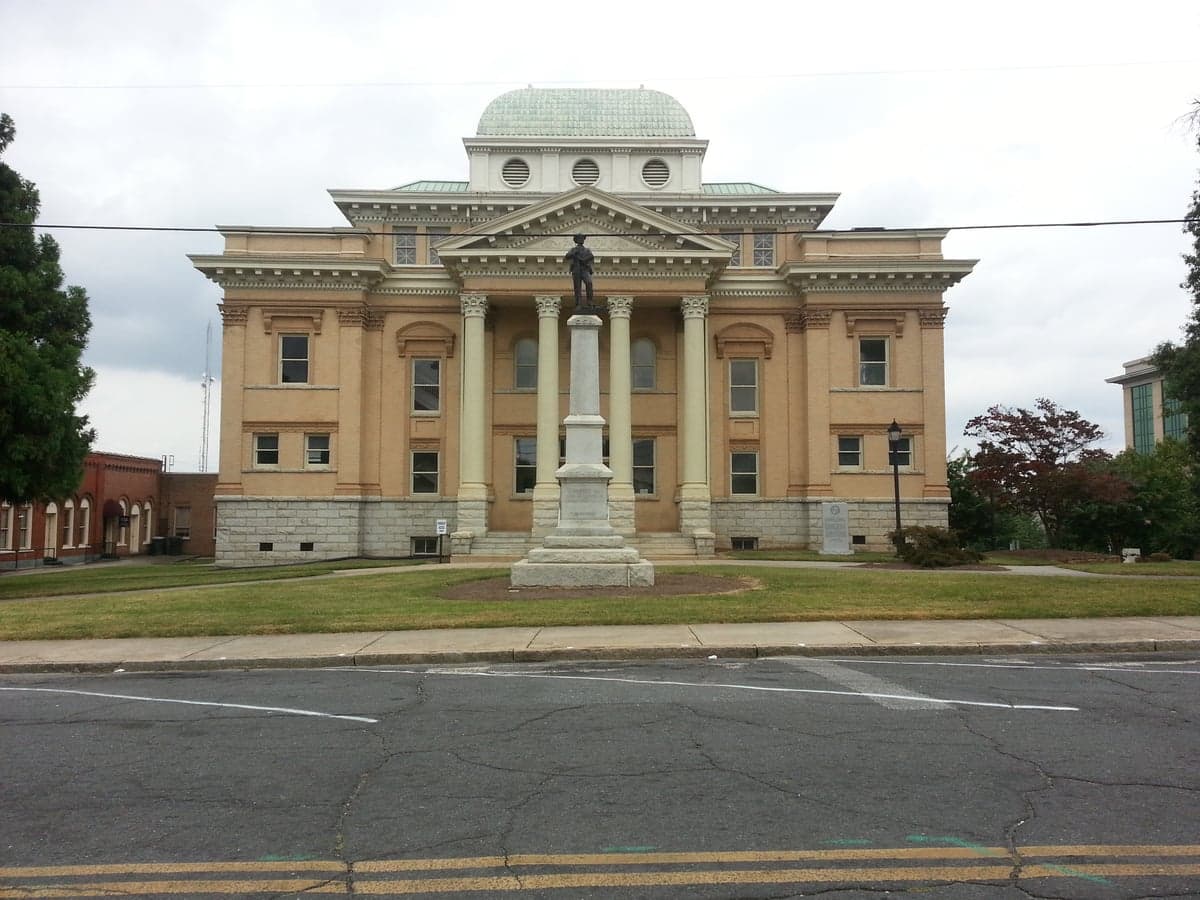
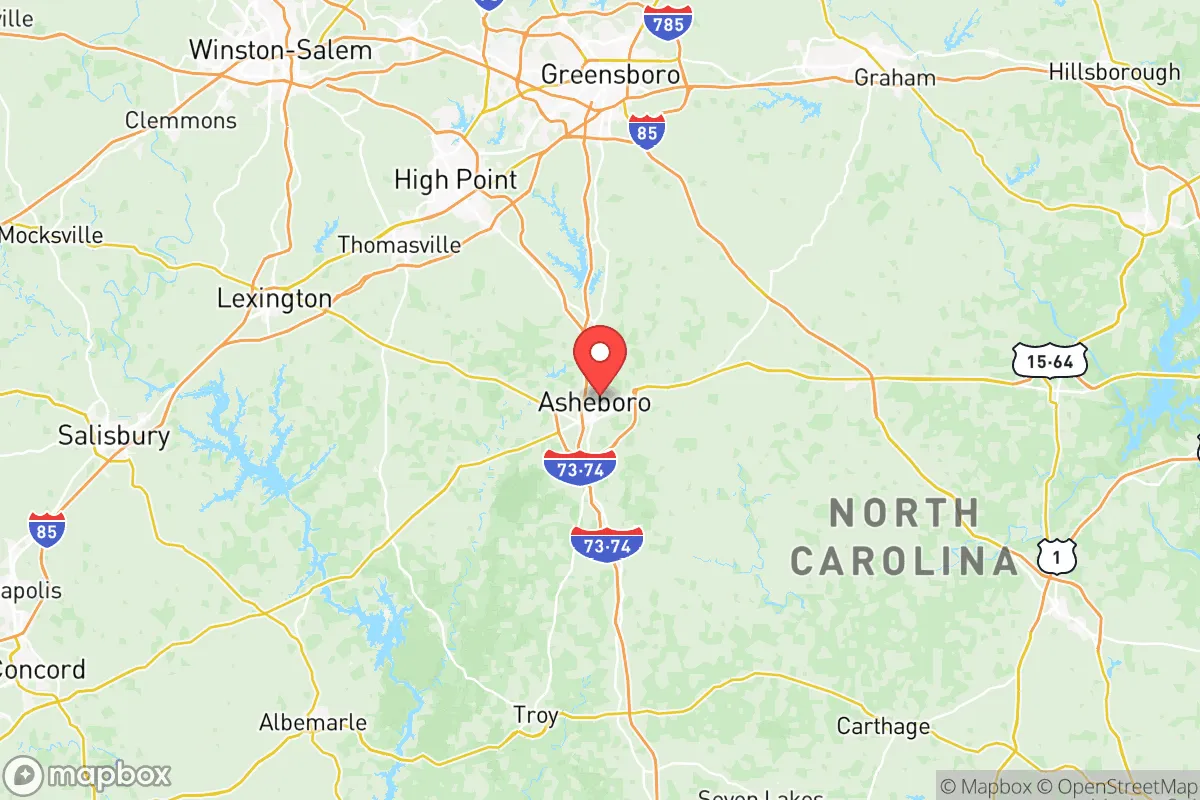
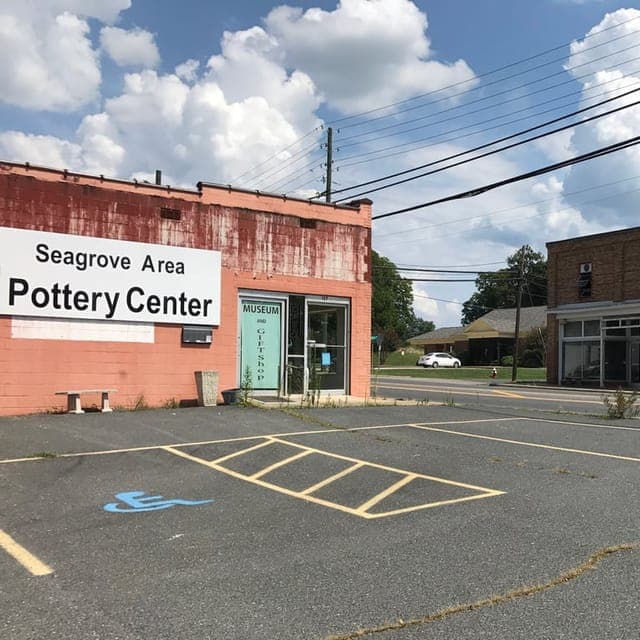
Living in Randolph County feels a bit like stepping into a different gear of life, one that’s a little slower, a little more neighborly, and a whole lot more affordable than the bustling metros to the east and west. This is the heart of the Piedmont Triad, where the biggest decision on a Friday night might be whether to catch a game at Asheboro High School or grab a plate of barbecue in Liberty. With a population of just over 145,000 spread across towns like Asheboro, Archdale, Randleman, Trinity, and Franklinville, it’s a place where you’re never far from a familiar face, but you’ve also got room to breathe.
Daily Rhythm: The Pace of the Piedmont
Life here runs on a schedule that feels more tied to the seasons than to the clock. The average commute clocks in at just under 25 minutes, which means you can live on a quiet rural road outside Randleman and still be at your job in Asheboro or High Point before your coffee gets cold. That commute is a big part of the appeal — you trade a little distance for a lot of space and quiet. The median home value sits at a refreshing $171,600, and with a cost of living index of 69 (well below the national average of 100), your paycheck goes noticeably further here than it would in Raleigh or Charlotte. The median household income is $59,047, which aligns well with the housing market, making homeownership a realistic goal for many families and single professionals alike.
Weekends often start with a trip to a local hardware store or a stop at one of the many produce stands dotting the highways between Trinity and Franklinville. You’ll see folks loading up on tomatoes and sweet corn in the summer, or heading to the Asheboro Farmers Market for fresh eggs and local honey. The pace is deliberate, not lazy — people work hard, often in manufacturing, logistics, or education, and they value their downtime. The median age of 41.4 reflects a community that’s settled but not stagnant, with a mix of young families moving in for the affordability and empty-nesters who’ve been here for decades.
Sports, Community, and the Big Night Out
If you want to understand Randolph County, look at its high school sports. Friday nights in the fall are a big deal, with Asheboro High School and Randleman High School drawing solid crowds. It’s not just about the game — it’s where you catch up with neighbors, see who’s coaching the youth league, and grab a hot dog from the concession stand. Beyond the high school scene, the county is close enough to Greensboro and Chapel Hill for college sports fans to catch a Tar Heels or ACC tournament game without a long drive.
For entertainment, the North Carolina Zoo in Asheboro is the state’s biggest attraction and a point of pride — it’s the largest natural habitat zoo in the world, and locals know the best times to visit to avoid the crowds. The Asheboro City Park and Bicentennial Park offer walking trails, disc golf, and playgrounds that see steady use. When it comes to food, you’ll find a mix of classic Southern spots and a few surprises. Smoke & Barrel in Asheboro is a go-to for barbecue and live music, while Table 16 offers a more upscale date-night option. In Archdale, Mama Zoe’s is a beloved breakfast spot where the biscuits are worth the wait. The county also hosts the Randolph County Fair and the Asheboro Fall Festival, which bring out the community for rides, crafts, and fried everything.
Pros and Cons of Living Here
The biggest draw is the value. You get a low cost of living, a reasonable commute, and a slower pace that lets you actually know your neighbors. The violent crime rate of 310.5 per 100,000 is something to be aware of — it’s higher than some nearby rural counties, though it’s concentrated in certain areas and not reflective of the overall feel of the community. Most residents will tell you they feel safe in their neighborhoods, especially in the smaller towns like Liberty or Staley.
On the flip side, the trade-off for affordability is fewer job opportunities at the top of the income ladder. Only 17.6% of adults hold a college degree, and the local economy leans heavily on manufacturing and distribution. If you’re a remote worker or a retiree, that’s less of a concern, but for younger professionals seeking white-collar careers, the options are more limited. The weather follows a classic four-season pattern — hot, humid summers, mild springs and falls, and winters that occasionally throw a dusting of snow that shuts things down for a day. The schools are a mixed bag, with some performing well and others struggling, so families tend to research specific districts carefully.
What frustrates some longtime residents is the lack of late-night options and cultural diversity. If you’re looking for a bustling nightlife scene or a wide range of international restaurants, you’ll be driving to Greensboro or Winston-Salem. But for those who value quiet evenings, a strong sense of community, and the ability to own a home on a modest salary, Randolph County offers a solid, grounded life. It’s a place where people wave from their porches, where the local diner knows your order, and where you can still find a piece of land to call your own without breaking the bank.

* Values derived from national, state, county, city and local statistics and may differ in a specific area. Last updated: 2026-07-05T08:05:22.000Z
Narrative content on this page is AI-generated and may contain mistakes. Verify any details that matter before acting on them.
ReloMaps may earn a commission from affiliate links at no extra cost to you.

