Photo: Wikipedia
Quality of Life in Randolph County
A livable area that tracks near national norms for affordability, walkability, and neighborhood health.
What does Quality of Life tell us?
Quality of Life measures an area by evaluating factors like cost of living, nearby amenities, country club access, airport proximity, socioeconomic signals and neighborhood character. For large states, this is a general average — quality of life can vary dramatically between metro areas, suburbs, and rural communities within the same state.
What does this tell us?
Quality of Life measures an area by evaluating factors like cost of living, nearby amenities, country club access, airport proximity, socioeconomic signals and neighborhood character. For large states, this is a general average — quality of life can vary dramatically between metro areas, suburbs, and rural communities within the same state.
Cost of Living
31% below national average
120%
The Real Cost of Living in Randolph County for 2026
| Tier | Individual | Family (4) |
|---|---|---|
| Survival | $14k | $26k |
| Comfortable | $33k | $49k |
| Luxury | $92k+ | $143k+ |
| Elite (Top 5%) | $108k+ | $168k+ |
Quality-of-Life Analysis
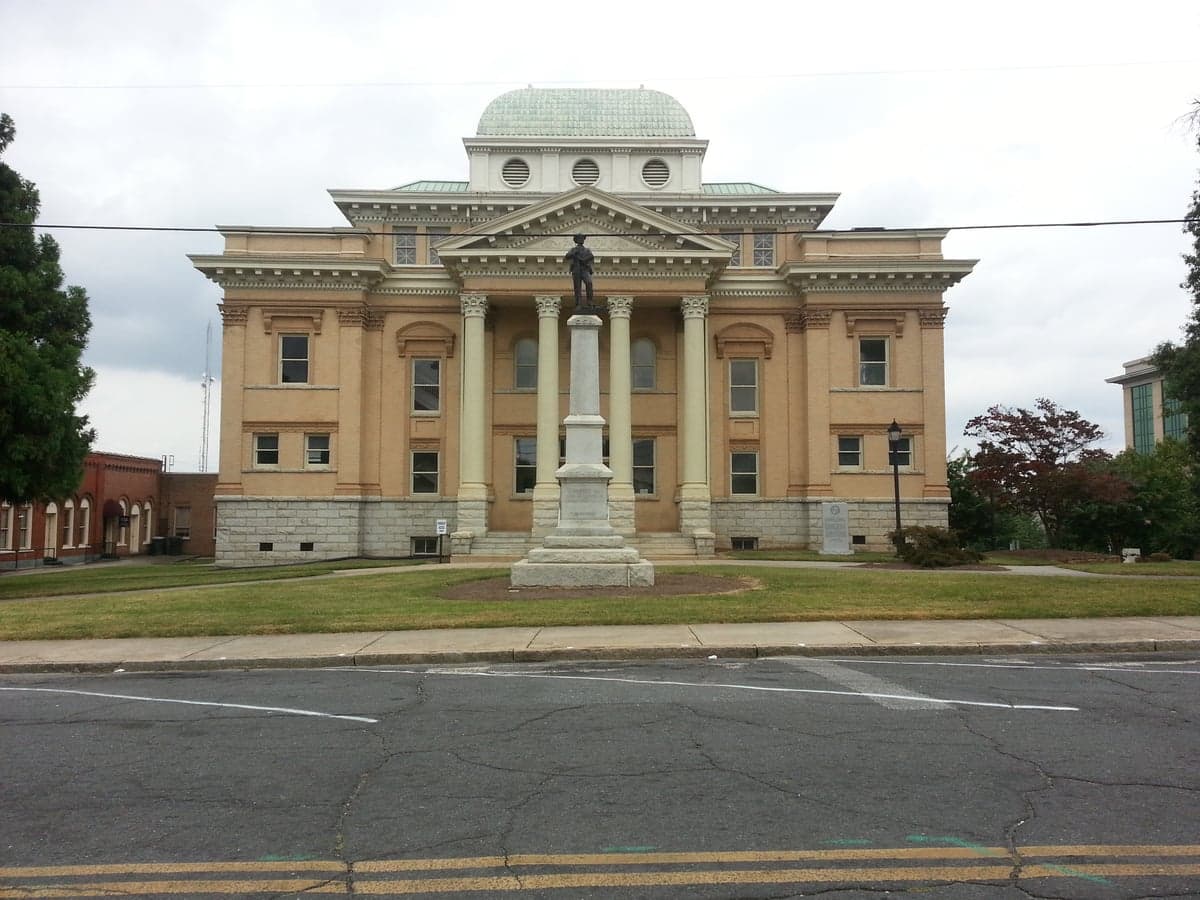
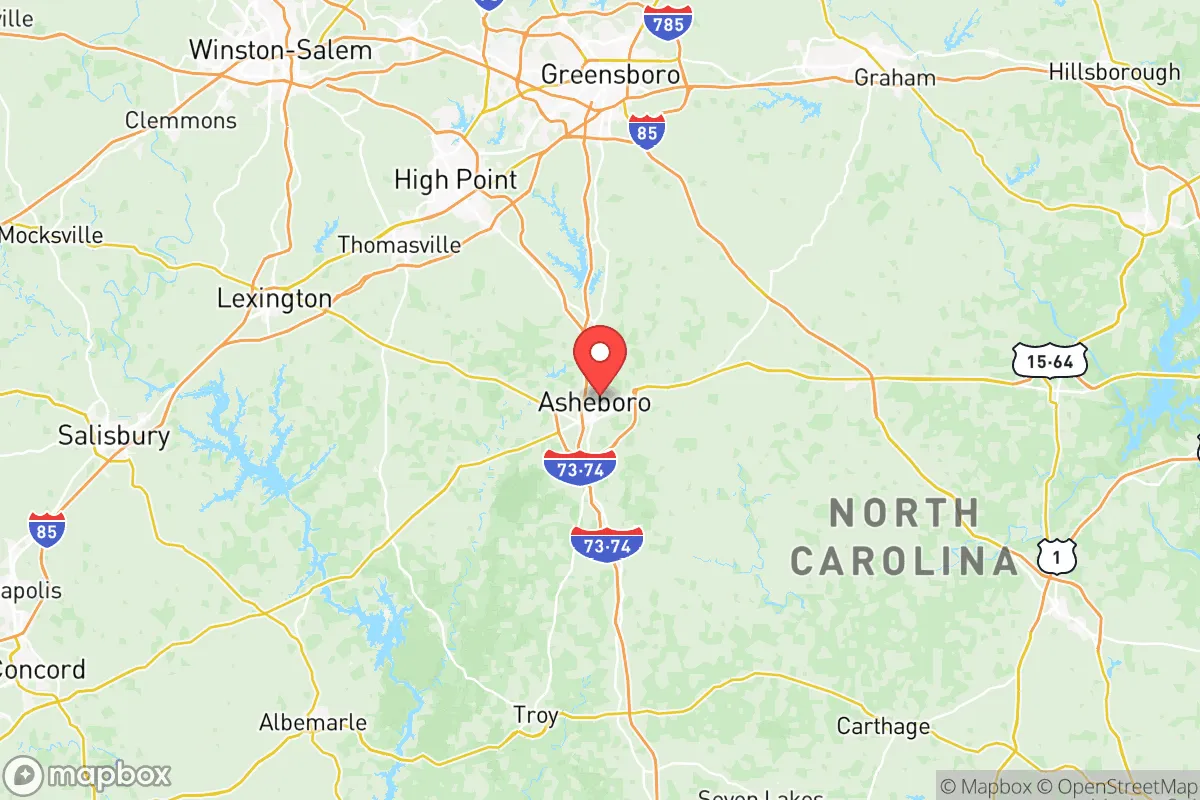
Randolph County, North Carolina, offers a broad quality-of-life spectrum that spans the small-city amenities of Asheboro, the quiet bedroom-community feel of towns like Archdale and Trinity, and the deep rural character of unincorporated areas such as Franklinville, Staley, and Coleridge. With a cost of living index of 69 — well below the national average of 100 — the county attracts a mix of manufacturing workers, commuters to the Piedmont Triad, and families seeking affordable acreage. The county's character shifts noticeably from the commercial corridors of U.S. 220 and U.S. 64 to the winding two-lane roads that connect its scattered crossroads communities.
Largest town(s) & population centers
Asheboro, the county seat and largest municipality, is the primary hub for shopping, healthcare, and employment. Daily life here centers around the historic downtown square, the North Carolina Zoo (the world's largest walk-through natural-habitat zoo), and a mix of light manufacturing and retail jobs. The city offers a range of housing from older bungalows near downtown to newer subdivisions on the south side, with median home values around $171,600 and median rents near $857. Archdale and Trinity, located along the county's western edge near the Guilford County line, function largely as commuter suburbs for High Point and Greensboro. These towns feature more subdivision-style development, shorter commutes (the county average is 24.6 minutes), and a higher concentration of service-sector and logistics employment. Archdale's McCrary Park and Trinity's walking trails provide recreational anchors, but nightlife and dining options remain limited compared to the Triad's urban cores.
Smaller towns & rural pockets
South of Asheboro, Franklinville and Randleman offer a slower pace along the Deep River. Franklinville, with its historic mill village character, has seen modest reinvestment in its small downtown, while Randleman provides basic services including a grocery store and pharmacy that serve the surrounding farm country. Staley and Liberty, in the county's eastern and northern reaches respectively, are unincorporated communities where residential lots often measure one to five acres and many homes date to the mid-20th century. Coleridge, near the Moore County line, is one of the county's most sparsely populated areas, with no commercial services and a landscape of tobacco fields, pine stands, and creeks. These rural pockets offer the lowest housing costs in the county — some homes sell for under $100,000 — but require longer drives for groceries, schools, and medical care.
Cost & lifestyle range
The cost spread across Randolph County is wide but uniformly low by national standards. At the higher end, newer subdivisions in south Asheboro and west Archdale see home prices from $250,000 to $350,000, with rents approaching $1,200 for three-bedroom houses. At the lower end, older homes in Franklinville and rural areas near Staley can be found for $80,000 to $120,000, and two-bedroom rentals in these areas often fall below $700. The county's overall cost of living index of 69 reflects this affordability, driven by housing costs roughly 40% below the national median. Amenities follow the same gradient: Asheboro offers Walmart, Lowes, a hospital, and chain restaurants, while residents of Coleridge or Liberty rely on Asheboro or Siler City for most shopping and medical needs. Internet access also varies — fiber is available in Asheboro and parts of Archdale, but rural areas still depend on DSL or satellite.
Randolph County works best for those who value low housing costs, short commutes to Triad employment centers, and a lifestyle that can range from walkable small-city blocks to isolated farmsteads. Families seeking good schools should note that the county's three traditional high schools — Asheboro, Southwestern Randolph, and Eastern Randolph — serve distinct geographic and socioeconomic zones, with Asheboro High offering the most diverse programming. Retirees on fixed incomes and first-time homebuyers priced out of the Raleigh-Durham or Greensboro markets will find the county's price floor especially attractive, provided they are comfortable with limited public transit and a car-dependent layout.

Crime in Randolph County
Crime rates similar to the national median for U.S. locations.
Violent CrimeViolent Crime Analysis
Property CrimeProperty Crime Analysis
Crime Analysis
Randolph County, North Carolina, presents a mixed safety picture where property crime rates significantly exceed national averages while violent crime remains below the state median. With a violent crime rate of 310.5 per 100,000 residents and a property crime rate of 1,694.6 per 100,000, the county's overall safety profile is shaped by its mix of small cities like Asheboro, Archdale, and Randleman, along with rural unincorporated areas. The county's location along the U.S. 64 corridor and proximity to the Piedmont Triad region influences both crime patterns and law enforcement resources.
Crime in context
Randolph County's violent crime rate of 310.5 per 100,000 sits roughly 11% below the North Carolina state average of approximately 350 per 100,000, but the property crime rate of 1,694.6 per 100,000 runs about 15% higher than the state figure of roughly 1,470 per 100,000. When compared to national benchmarks, the county's violent crime rate is slightly below the U.S. average of 380 per 100,000, while property crime exceeds the national rate of approximately 1,950 per 100,000 by a narrower margin. Asheboro, the county seat and largest municipality, accounts for a disproportionate share of reported incidents, particularly property crimes like larceny and motor vehicle theft. The county's location along major transportation routes, including U.S. 64 and I-73/I-74, contributes to property crime patterns common in semi-rural areas with easy highway access.
What residents experience
For residents of Randolph County, the day-to-day safety experience varies considerably by location. Asheboro reports the highest concentration of both violent and property crimes, with incidents clustered near the downtown area and along the U.S. 64 commercial corridor. Archdale and Randleman experience moderate crime rates, with property offenses like burglary and vehicle break-ins being the most common complaints. The smaller towns of Liberty, Franklinville, and Ramseur generally report lower crime volumes, though their smaller populations can produce volatile year-to-year rate fluctuations. Rural areas of the county, particularly in the western and southern portions, see very low crime rates but face longer emergency response times due to the county's 790 square miles of territory. The Randolph County Sheriff's Office provides primary law enforcement for unincorporated areas, while Asheboro, Archdale, and Randleman maintain their own police departments.
Neighborhood-level variation and judicial considerations
Neighborhood-level safety in Randolph County correlates strongly with proximity to commercial corridors and population density. The area around the Randolph Mall and along Dixie Drive in Asheboro sees elevated property crime, while residential neighborhoods in the southwestern part of the city and newer subdivisions near the U.S. 64 bypass report fewer incidents. Prospective residents should note that Randolph County falls within North Carolina's 19th Prosecutorial District, which covers the county exclusively. The local district attorney's office has maintained a generally conservative approach to prosecution, with conviction rates for felony property crimes running above the state average. However, as with many North Carolina counties, the broader trend toward progressive criminal justice reforms at the state level — including reduced sentencing guidelines and expanded parole eligibility — has raised concerns among residents about recidivism rates for property offenders. Homeowners in areas closer to the Guilford County line, particularly near Archdale and Trinity, should be aware that proximity to the larger Greensboro metro area can bring spillover property crime from jurisdictions with more lenient prosecutorial policies. For families considering relocation, the safest residential choices in Randolph County are typically the rural western townships and the established neighborhoods of southern Asheboro, where neighborhood watch programs and community policing initiatives remain active.
* Values derived from national, state, county, city and local statistics and may differ in a specific area. Last updated: 2026-07-05T08:05:22.000Z
Narrative content on this page is AI-generated and may contain mistakes. Verify any details that matter before acting on them.
ReloMaps may earn a commission from affiliate links at no extra cost to you.

