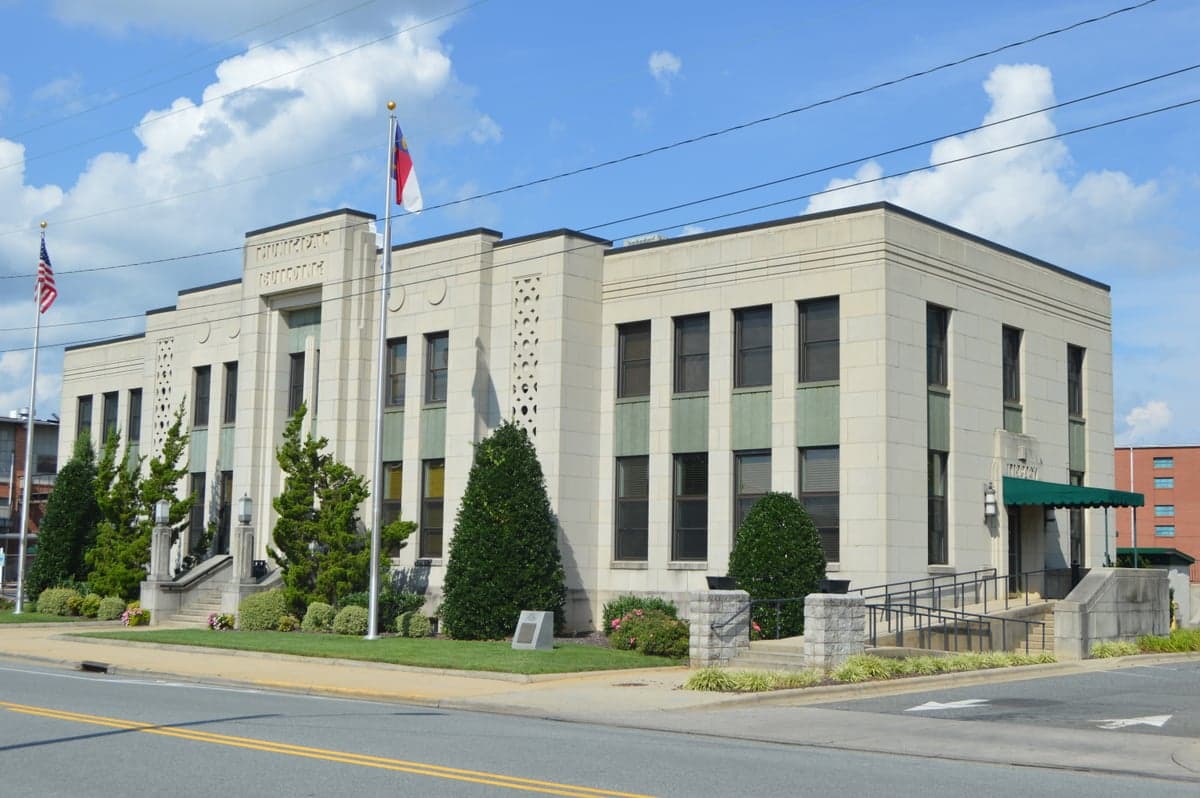
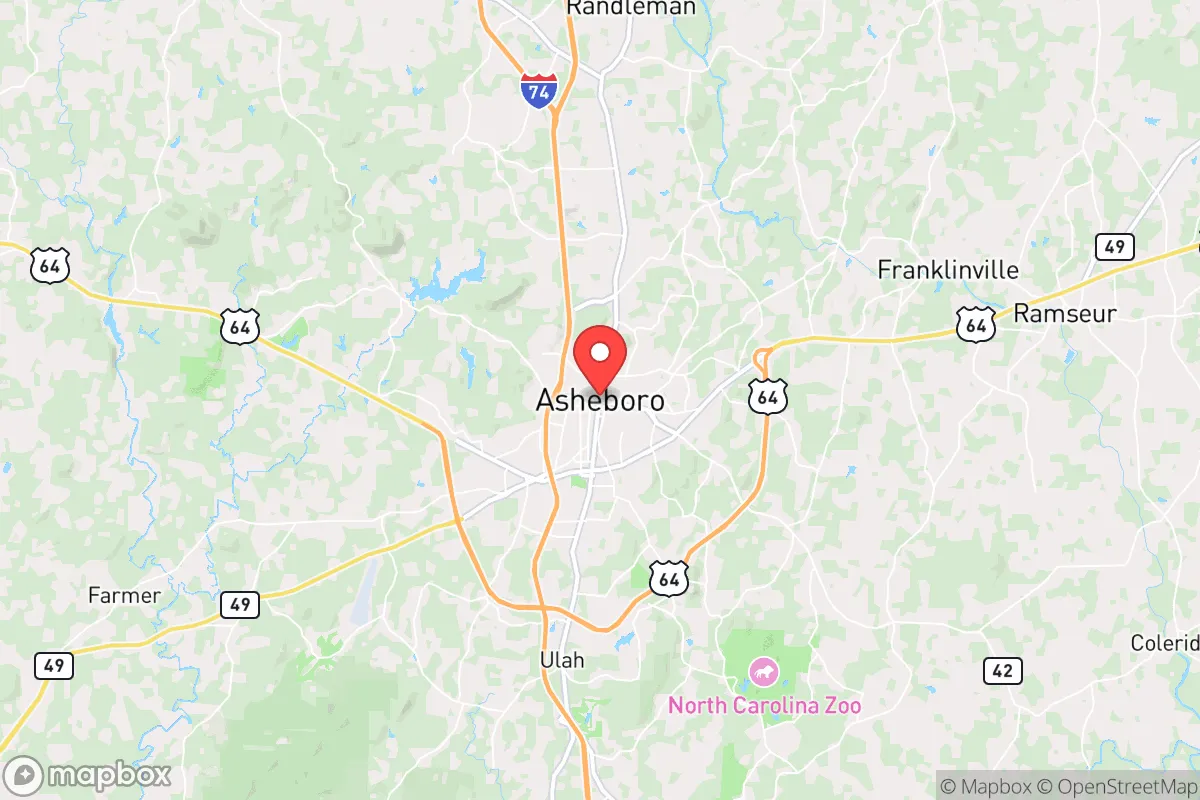
Photo: Wikipedia
Find The Best Places To Live
in Asheboro
PRO TIP! You can paste a Zillow or Redfin link to get info on that property.
What It's Like Living in Asheboro, NC
Asheboro feels like a place where people know their neighbors by name and the pace of life lets you actually stop and talk to them. It’s a small city of about 27,000 people, sitting right in the middle of North Carolina, where the biggest decision on a Friday night might be whether to catch a high school football game or grab a plate of barbecue at a local joint. If you’re looking for a quiet, affordable spot to raise a family or just want to escape the sprawl of the Triad without leaving civilization entirely, this is the kind of town that grows on you.
Daily Rhythm and Who Fits In
Most mornings in Asheboro start with a short commute — the average drive to work is just over 22 minutes, which means less time in the car and more time for what matters. The median household income here sits around $48,600, and with a median home value of $162,800, you can actually buy a decent house on that salary. That combination tends to attract people who work in manufacturing, logistics, or healthcare — places like the massive Klaussner Home Furnishings plant or the Randolph Health hospital are major employers. You’ll also find a fair number of folks commuting to Greensboro or High Point for higher-paying jobs, then coming home to Asheboro’s quieter streets.
The typical resident is in their mid-30s (median age is 36.1), and while only about 20% hold a college degree, that’s partly because the local economy doesn’t demand one for a solid living. This is a blue-collar town in the best sense: people work with their hands, take pride in their homes, and value straightforward conversation. If you’re a single professional, you might find the dating scene limited, but if you’re a parent looking for a safe place where kids can ride bikes without worry, Asheboro checks a lot of boxes.
Sports, Community, and What People Actually Do
High school sports are a genuine centerpiece of community life here. On fall Fridays, the stands at Asheboro High School’s Lee J. Stone Stadium fill up for Blue Comets football games — it’s less about the score and more about seeing everyone you know. Basketball and baseball draw solid crowds too, and the local youth leagues keep families busy year-round. There’s no pro sports team in town, but the nearby Greensboro Swarm (NBA G League) and High Point Rockers (minor league baseball) are easy day trips for a live game fix.
For outdoor types, the crown jewel is Zoo City — literally. The North Carolina Zoo, one of the largest natural-habitat zoos in the country, sits just south of town and draws visitors from all over the state. Locals use it as a walking trail or a cheap family outing (annual memberships are reasonable). Beyond that, the Uwharrie National Forest is about 30 minutes east, offering hiking, fishing, and camping that feels a world away from town. On weekends, you’ll see folks at Sunset Theatre downtown for a concert or play, or grabbing a beer at Four Saints Brewing Company, a local taproom that’s become a casual hangout for all ages.
The biggest annual event is the Asheboro Fall Festival, which shuts down Main Street for a weekend of crafts, live music, and enough fried food to feed an army. It’s the kind of festival where you run into your kid’s teacher and your mail carrier in the same five minutes. There’s also the North Carolina Pottery Festival every spring, drawing collectors from across the region — a nod to the area’s deep craft heritage.
Pros and Cons of Living Here
What residents love:
- Affordability that’s hard to beat. A $162,800 median home value means first-time buyers can actually get into a house, and rent is similarly manageable. Property taxes are low compared to the national average, so your paycheck stretches further.
- Real community connections. People look out for each other. Lost a pet? Post on the local Facebook group and half the town is searching. This isn’t a place where you feel anonymous.
- Low traffic and easy access. The commute is short, and you’re 25 minutes from Greensboro, 45 from Raleigh — close enough for city amenities, far enough to avoid the headache.
What frustrates longtime locals:
- Limited nightlife and dining. If you’re under 30 and single, you’ll quickly exhaust the restaurant and bar scene. There are solid spots like Table 16 for upscale comfort food and El Camino Real for reliable Mexican, but variety is thin. Most people end up driving to Greensboro for a date night.
- Job diversity is narrow. The economy leans heavily on manufacturing and healthcare. If you’re in tech, finance, or creative fields, you’ll likely be commuting or working remotely — and remote options are still spotty here.
- Violent crime is present. The rate of 206.4 per 100,000 people is slightly above the national average, though it’s mostly concentrated in specific areas. Most residents feel safe, but it’s not the idyllic zero-crime small town some imagine.
Weather, Schools, and Cultural Quirks
Asheboro gets all four seasons without extremes. Summers are hot and humid (think 90°F with afternoon thunderstorms), winters are mild with maybe a couple of snow days that shut everything down, and spring and fall are gorgeous — especially October, when the leaves turn and everyone heads to the Uwharries. The weather shapes the rhythm: outdoor festivals happen in spring and fall, summer is for pool days and zoo trips, and winter is for cozying up at home or catching a movie at the local Starmount 4 Cinema.
Schools are a mixed bag. The Randolph County School System runs most of the local schools, and while Asheboro High School has solid sports and a decent reputation, parents often supplement with private or charter options if they can afford it. The schools are a central part of community life — PTA meetings are well-attended, and teacher appreciation events are a big deal. One quirk: the town has a strong “Zoo City” identity (you’ll see it on bumper stickers and T-shirts), and locals are fiercely proud of that branding, even if it sounds a little corny to outsiders.
If you’re considering a move, the honest truth is that Asheboro rewards people who value stability over excitement. It’s not a place that will impress your friends with trendy restaurants or a bustling nightlife — but it’s a place where you can own a home, know your neighbors, and raise kids without the constant pressure of a bigger city. That trade-off is exactly what keeps people here for decades.

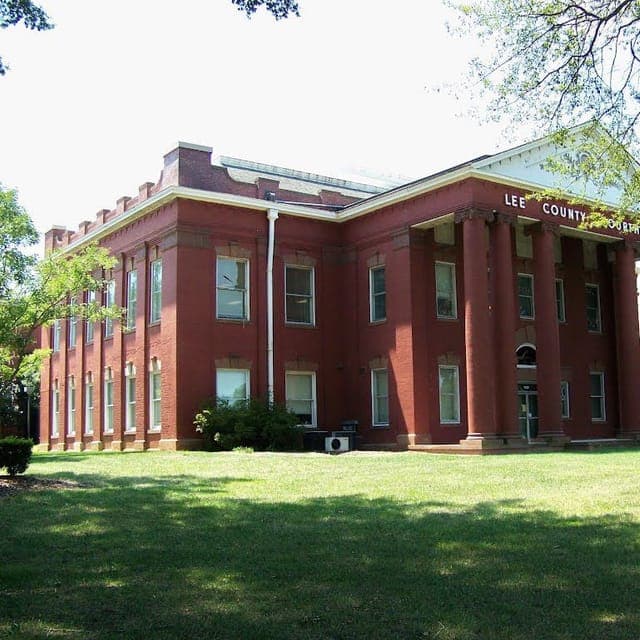
Similar towns to Asheboro


* Values derived from national, state, county, city and local statistics and may differ in a specific area. Last updated: 2026-05-03T04:56:10.000Z
Narrative content on this page is AI-generated and may contain mistakes. Verify any details that matter before acting on them.
ReloMaps may earn a commission from affiliate links at no extra cost to you.

