Photo: Wikipedia
Find The Best Places To Live
in Seagrove
PRO TIP! You can paste a Zillow or Redfin link to get info on that property.
What It's Like Living in Seagrove, NC
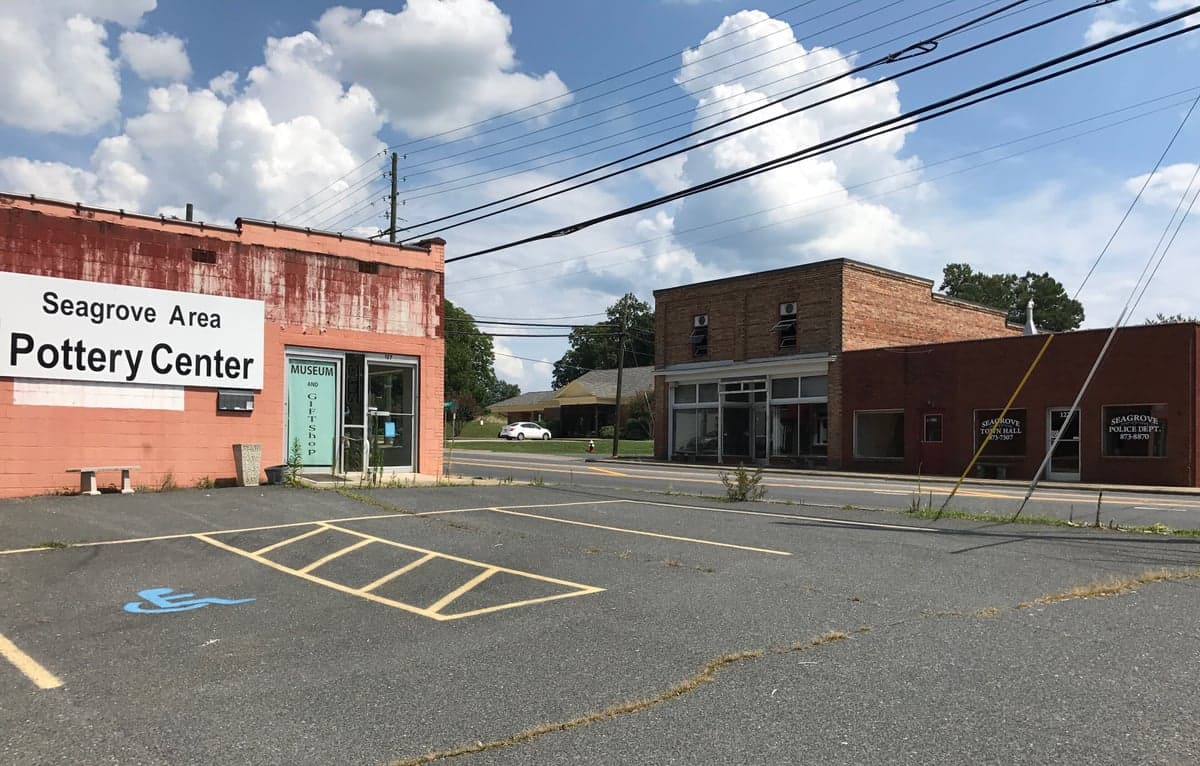
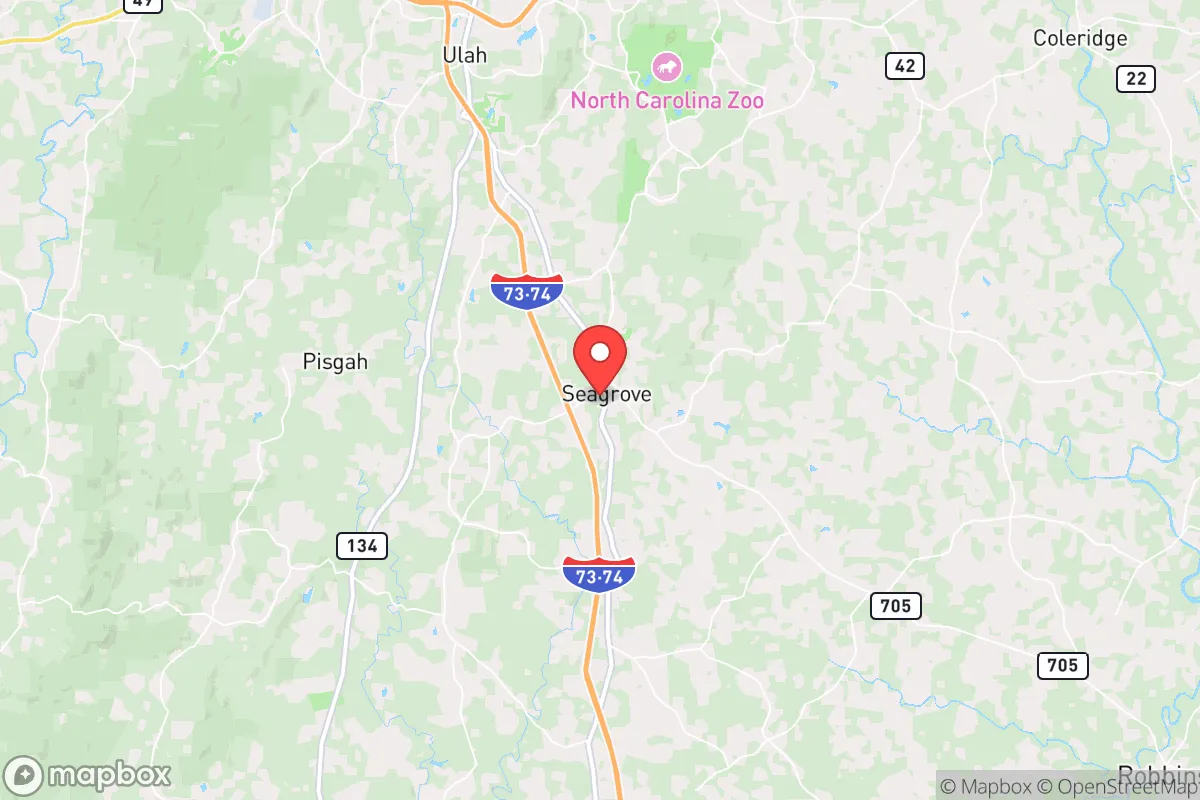
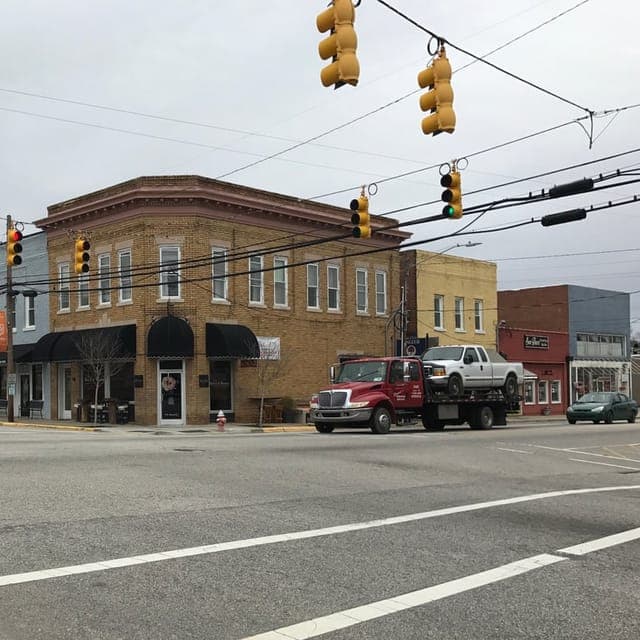
Seagrove, North Carolina, is the kind of place where the main street is lined with pottery studios instead of chain stores, and the biggest traffic jam happens when a kiln firing draws a crowd. With just 347 residents, this unincorporated community in Randolph County lives up to its nickname as the "Pottery Capital of the U.S." — but it's also a quiet, affordable pocket of the Piedmont where families and retirees trade city bustle for clay dust and open sky. Life here moves at a potter's pace: deliberate, hands-on, and rooted in craft.
Daily Rhythm in the Pottery Capital
Most mornings in Seagrove start with coffee at The Table Farmhouse Bakery, a local spot where you'll hear neighbors catching up on kiln gossip and high school sports. The workday for many residents involves a short commute — the average is just under 25 minutes — often to larger towns like Asheboro (15 minutes north) or Greensboro (45 minutes east). A notable share of locals work in pottery studios, either as artists or in retail at shops like Luck's Pottery and Dover Pottery, which have been family-run for generations. The median household income here is $72,689, well above the national average for a town this size, and the cost of living index sits at 57 — meaning your dollar goes roughly 40% further than in a typical U.S. city. That combination lets many families afford a median home value of just $158,900, often on a single income, with room for a garden or a backyard workshop.
Afternoons and weekends often revolve around the North Carolina Pottery Center, which doubles as a museum and community gathering space. The center hosts rotating exhibits of regional pottery and offers classes where newcomers can try their hand at the wheel. For groceries and errands, most residents head to Asheboro, but Seagrove itself has a small general store and a handful of antique shops. The local Seagrove Elementary School serves as a community anchor — Friday-night football games at Southwestern Randolph High School draw a good crowd, and the school's events are often the social calendar's backbone.
What Weekends Look Like Here
If you're the kind of person who loves a festival centered on a craft, Seagrove delivers. The annual Seagrove Pottery Festival in November brings thousands of visitors to the community's studios, with live demonstrations, kiln openings, and a chance to buy directly from the artists. The rest of the year, weekends are spent hiking the nearby Uwharrie National Forest (about 20 minutes west), fishing at Lake Tillery, or exploring the Birkhead Mountains Wilderness — one of the least-visited wilderness areas in the East, meaning you'll often have the trails to yourself. For a night out, locals drive to Asheboro for dinner at Table 3 or a craft beer at Four Saints Brewing Company, but Seagrove itself has no bars or music venues — the quiet is part of the appeal.
Sports fandom here is low-key but genuine. High school football and basketball at Southwestern Randolph are the main events; there's no college or pro team within 30 miles, so allegiance tends to split between the Tar Heels and Wolfpack depending on family ties. The community's small size means everyone knows everyone, and a winning season for the local team feels like a town-wide celebration.
The Trade-Offs of Small-Town Living
Living in Seagrove comes with clear upsides and downsides. On the plus side: affordable housing, a strong sense of community, and a pace of life that lets you breathe. The pottery culture gives the town a distinct identity — you won't find another place in America where a single craft defines the local economy and social life so thoroughly. The weather is mild: hot, humid summers (80s-90s) and cool winters (30s-40s), with the occasional snow flurry that shuts things down for a day.
On the flip side, job opportunities are limited outside of pottery and retail. Most working-age residents commute to Asheboro, Greensboro, or even Charlotte (about 90 minutes) for employment. The violent crime rate is 319.3 per 100,000 — higher than the national average, though in a town of 347, that statistic can be skewed by a single incident. Locals will tell you they feel safe, but it's worth noting that property crime does occur, especially around tourist-heavy weekends. Another frustration: few dining and entertainment options within walking distance. If you want a movie theater or a sit-down restaurant with a bar, you're driving at least 15 minutes.
The median age is 36.4, and about 28.4% of residents hold a college degree — slightly below the national average, but the community values hands-on skills and craftsmanship over formal credentials. This is a place for people who don't mind a 25-minute commute for a grocery run, who appreciate knowing their neighbors by name, and who find satisfaction in making something with their hands. If that sounds like you, Seagrove might feel less like a compromise and more like a find.

Similar small towns to Seagrove


* Values derived from national, state, county, city and local statistics and may differ in a specific area. Last updated: 2026-10-11T22:42:40.000Z
Narrative content on this page is AI-generated and may contain mistakes. Verify any details that matter before acting on them.
ReloMaps may earn a commission from affiliate links at no extra cost to you.

