Photo: Wikipedia
Find The Best Places To Live in Rockland County
PRO TIP! You can paste a Zillow or Redfin link to get info on that property.
Best Places to Live in Rockland County
Cities & Towns in Rockland County
Cities in Rockland County
What It's Like Living in Rockland County, NY
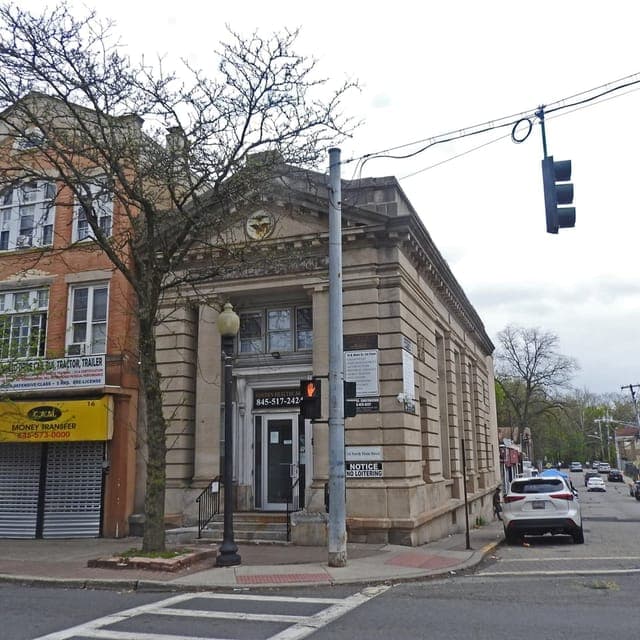
Rockland County feels like the suburbs your parents told you about—leafy, prosperous, and just far enough from Manhattan to breathe, but close enough that the city’s glow still tints the horizon. It’s a place where Nyack’s riverfront cafes buzz on a Saturday afternoon, New City’s school sports pack bleachers on Friday nights, and Suffern’s train station fills with commuters before dawn. With a median household income of $110,631 and a median home value of $564,200, this isn’t a budget-friendly escape—it’s a deliberate investment in space, schools, and a slower pace that still keeps you connected to New York City.
Daily Rhythm: Commuter Towns, Small-City Centers, and Rural Corners
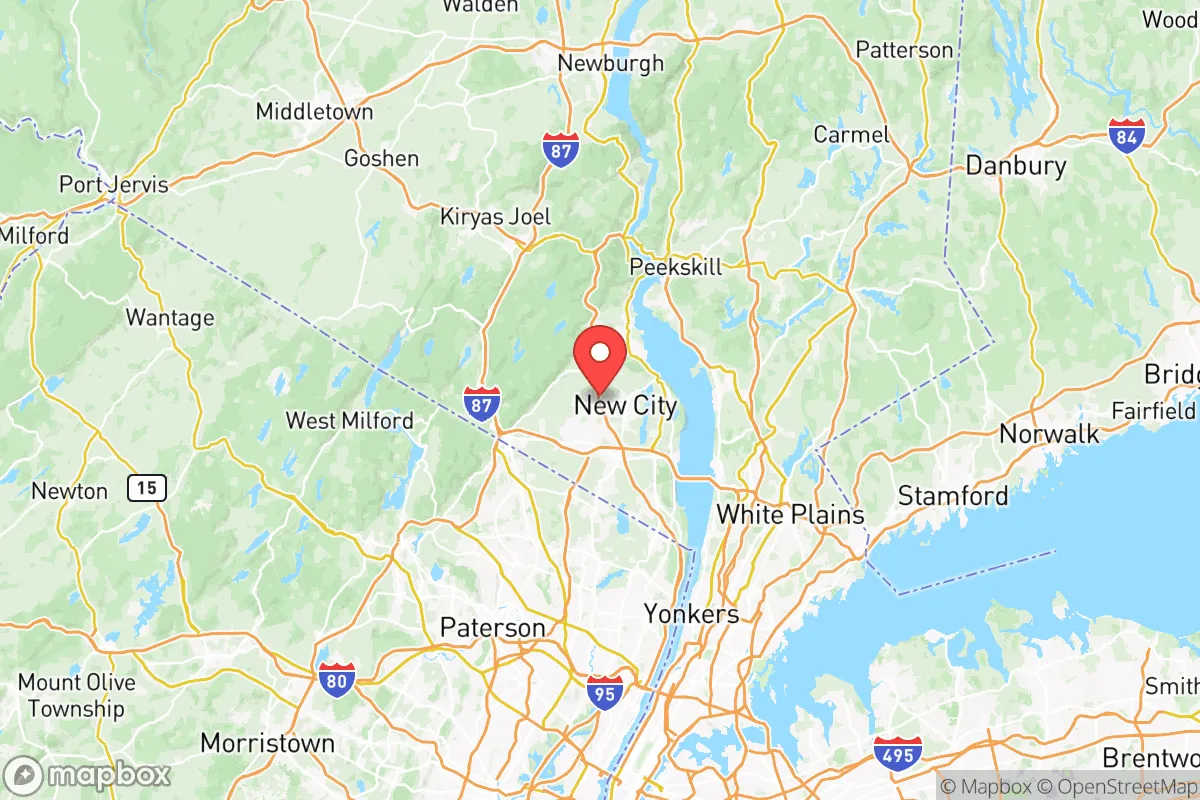
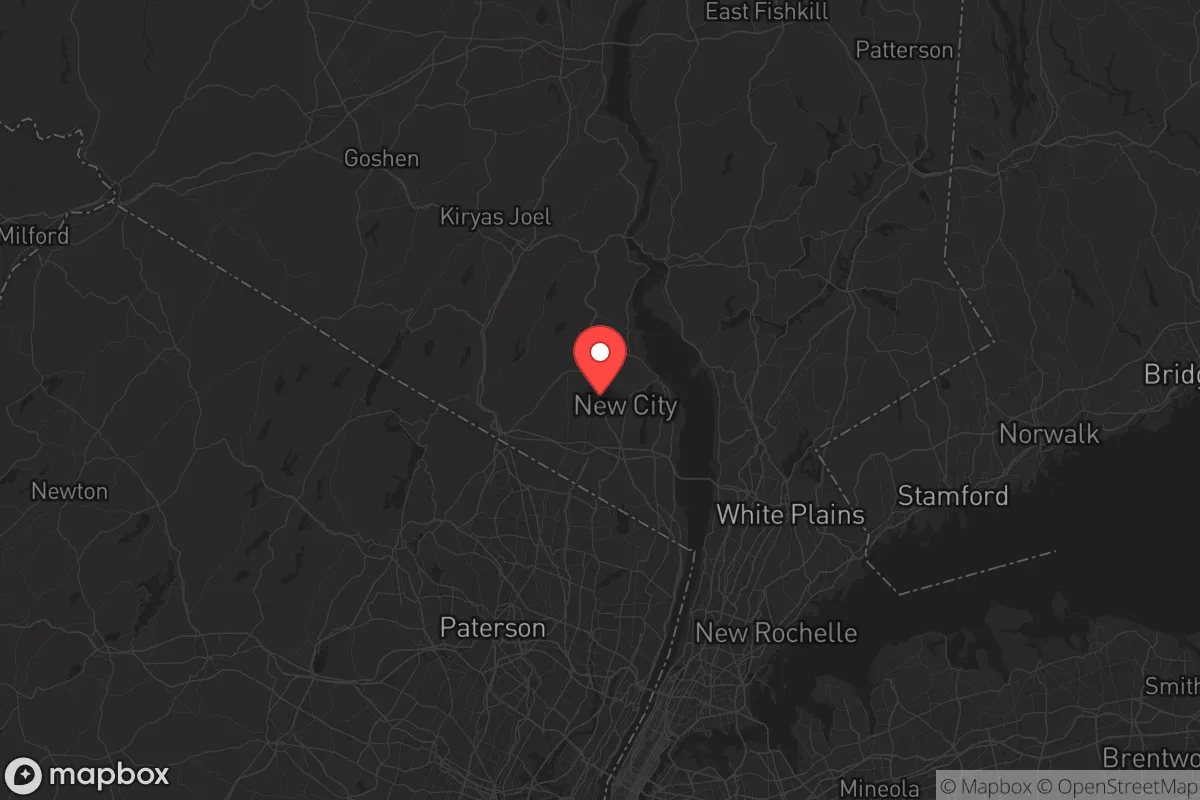
Life in Rockland is shaped by its geography. The eastern edge, hugging the Hudson River, gives you Nyack and Piermont—walkable villages with indie bookstores, farm-to-table restaurants, and a slightly artsy, progressive vibe. Head west toward Suffern and Montebello, and the landscape rises into the Ramapo Mountains, where larger homes sit on wooded lots and the pace slows noticeably. The county’s population of 338,936 is spread across these distinct pockets, and the average commute of about 30 minutes reflects the reality that many residents work in New Jersey or Westchester, not just the city. Traffic on the Palisades Interstate Parkway and Route 59 is a genuine frustration—locals plan errands around it, and the Tappan Zee Bridge (now the Governor Mario M. Cuomo Bridge) can turn a 15-minute drive into 45 during rush hour. For families, the public schools are a major draw, particularly in Clarkstown and North Rockland districts, where sports and music programs are community anchors. The median age of 35.1 suggests a population heavy on young families and mid-career professionals, with a 42.1% college-educated rate that fuels a knowledge-economy workforce.
Sports, Community, and the Weekend Circuit
High school sports are the unifying thread. On a fall Friday, you’ll find parents and alumni packed into Clarkstown North’s stadium or Suffern High School’s gym, where basketball and lacrosse draw genuine crowds. There’s no major pro team in the county, but the Rockland Boulders (a professional baseball team in the Frontier League) play at Palisades Credit Union Park in Pomona, offering affordable, family-friendly games from May to September. The real energy, though, is in the outdoors. Bear Mountain State Park sits just over the county line, but within Rockland itself, Harriman State Park offers 200 miles of hiking trails, lakes for swimming, and winter cross-country skiing. Locals spend weekends at Rockland Lake State Park—the “Icehouse” restaurant there is a weekend brunch staple—or kayaking the Hudson from Nyack’s Memorial Park. The county’s cost of living index of 174 (well above the national average) means that dining out and recreation are priced accordingly, but the quality of life trade-off is a deliberate choice for those who can afford it.
What’s There to Do: Festivals, Food, and Cultural Quirks
Rockland’s cultural calendar is surprisingly packed. Nyack’s Street Fair in October draws thousands for crafts, food trucks, and live music, while the Palisades Center Mall in West Nyack remains a retail and entertainment hub—love it or hate it, it’s where teens hang out and families catch movies. For food, Piermont’s waterfront is the dining destination, with places like X2O Xaviars on the Hudson offering river views and upscale American fare, while Suffern’s downtown has a growing roster of taquerias and pizzerias that reflect the county’s diverse population—large Orthodox Jewish, Hispanic, and Haitian communities all leave their mark on the restaurant scene. A notable quirk: Rockland has a strong tradition of volunteer fire departments and community parades, especially around St. Patrick’s Day and Memorial Day, where local identity feels more small-town than suburban. The violent crime rate of 362.1 per 100,000 is higher than the national average, and this is a real concern for some residents, particularly in parts of Spring Valley and Hillcrest, where property crime and occasional incidents make headlines. Most families in New City or Pearl River feel safe, but it’s worth checking neighborhood-level data before committing.
Pros and Cons of Living Here
- Pro: Schools and community feel. The public schools in Clarkstown, North Rockland, and Suffern are consistently well-rated, and the sense of local pride—especially around sports and volunteer organizations—is genuine.
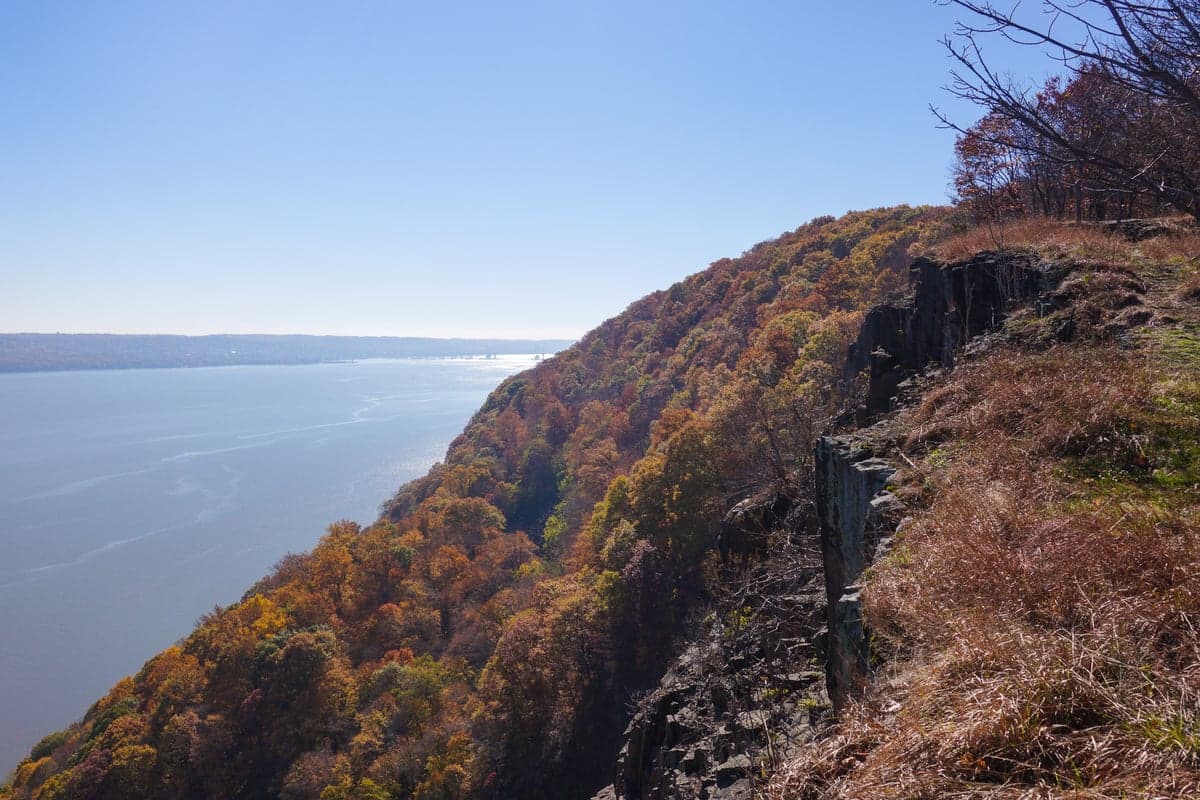
- Pro: Outdoor access. Harriman, Bear Mountain, and the Hudson River waterfront provide year-round recreation that’s rare in a metro area this close to NYC.
- Con: Cost of living. A median home value of $564,200 and a cost of living index of 174 mean you’re paying a premium for space and schools. Renters face similar pressure, with two-bedroom apartments often exceeding $2,500.
- Con: Traffic and commute. The 30-minute average commute masks the reality that local roads—especially Route 59 and the Palisades—are congested during peak hours, and the bridge tolls add up.
- Con: Crime in specific areas. While most of the county is safe, the violent crime rate is a concern in parts of Spring Valley and Hillcrest, and property crime is an issue countywide.
Rockland County works best for people who value strong schools, outdoor recreation, and a community-oriented lifestyle, and who have the income to absorb the higher costs. It’s less suited for young singles seeking nightlife or renters on a tight budget. The seasonal rhythm is classic Northeast: vibrant falls with leaf-peeping in the Ramapos, snowy winters that close schools a few times a year, and humid summers that send families to the lakes. For those who fit the profile—often professionals in their 30s and 40s with kids—it’s a place where you know your neighbors, your kids play on the same fields you did, and the city is a train ride away when you need it.

* Values derived from national, state, county, city and local statistics and may differ in a specific area. Last updated: 2026-06-18T01:42:31.000Z
Narrative content on this page is AI-generated and may contain mistakes. Verify any details that matter before acting on them.
ReloMaps may earn a commission from affiliate links at no extra cost to you.

