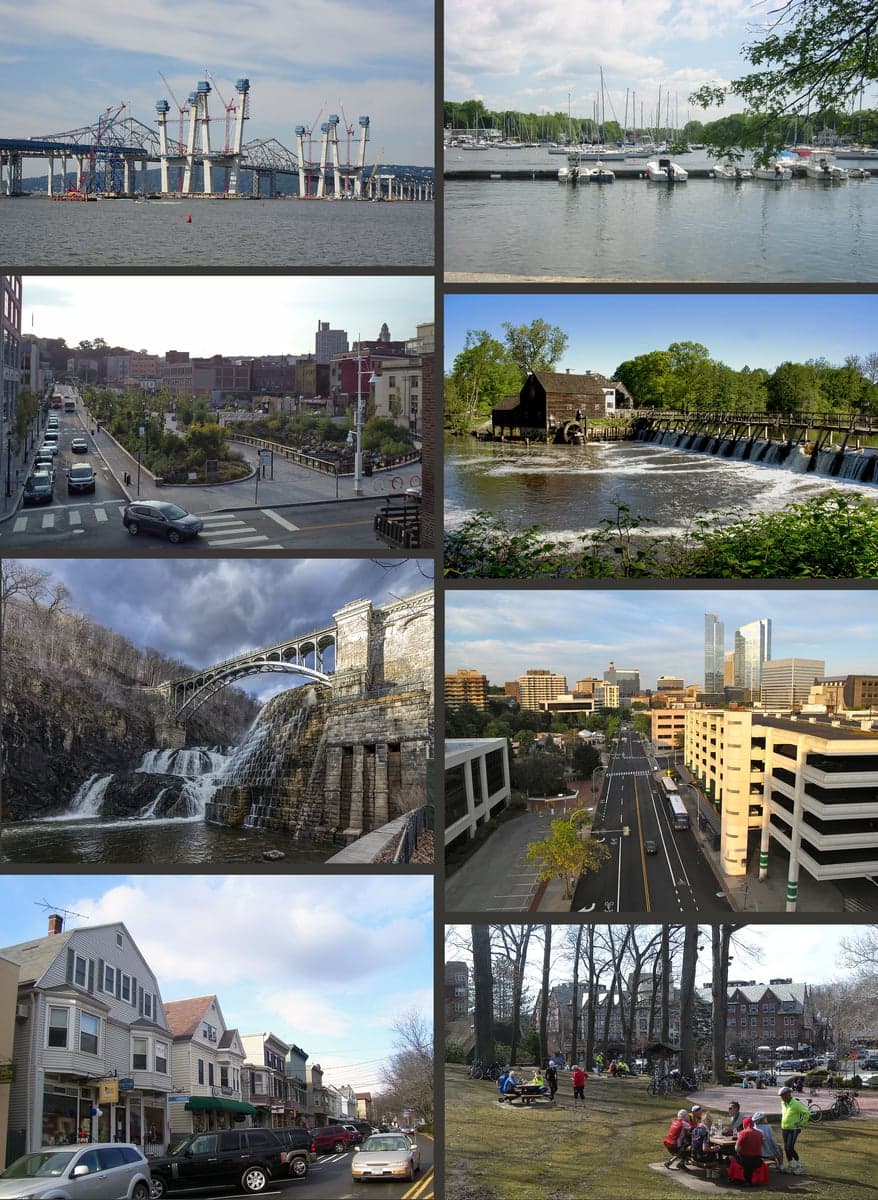
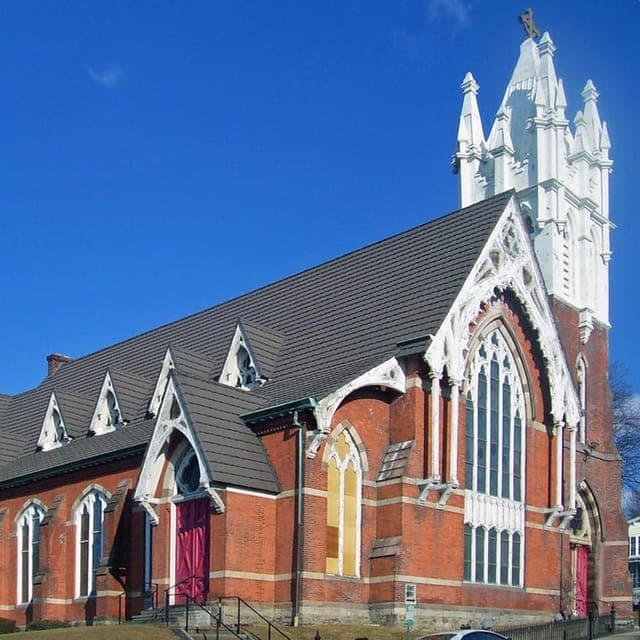
Photo: Wikipedia
Find The Best Places To Live in Westchester County
PRO TIP! You can paste a Zillow or Redfin link to get info on that property.
Best Places to Live in Westchester County
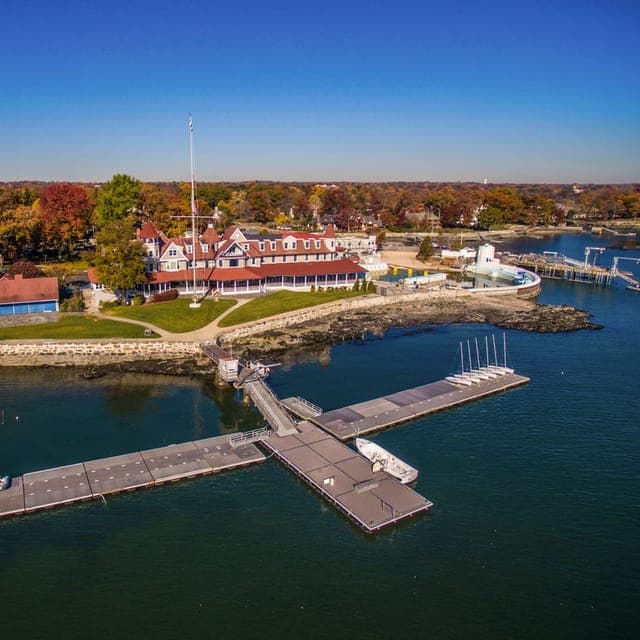
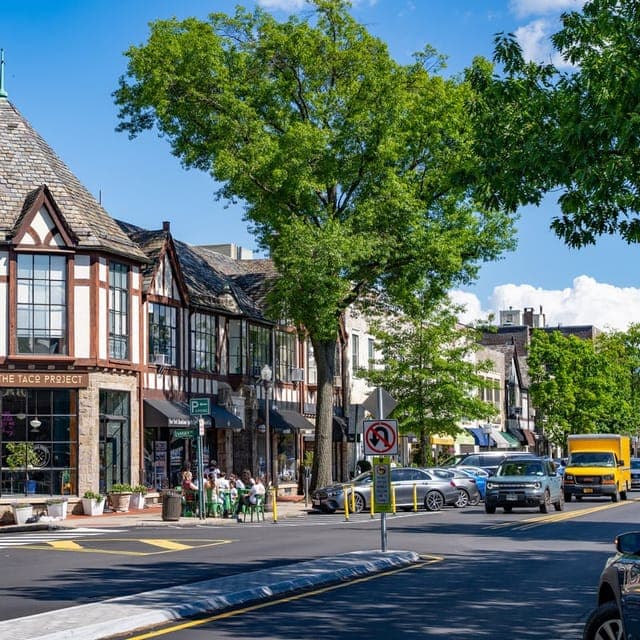
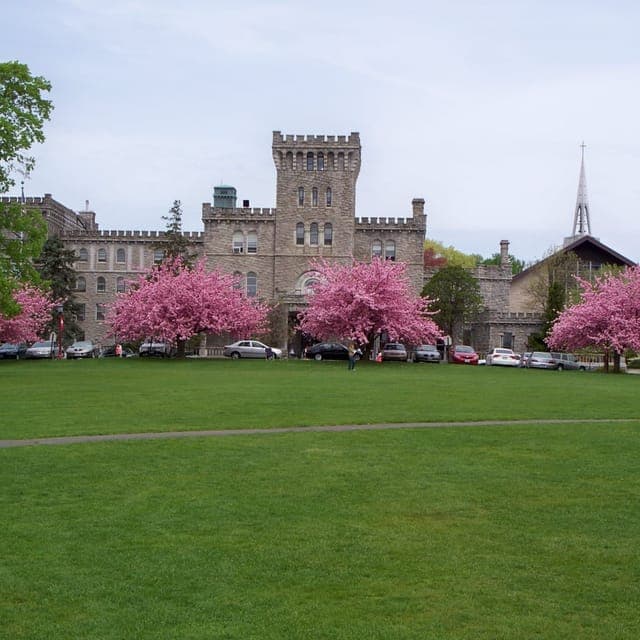
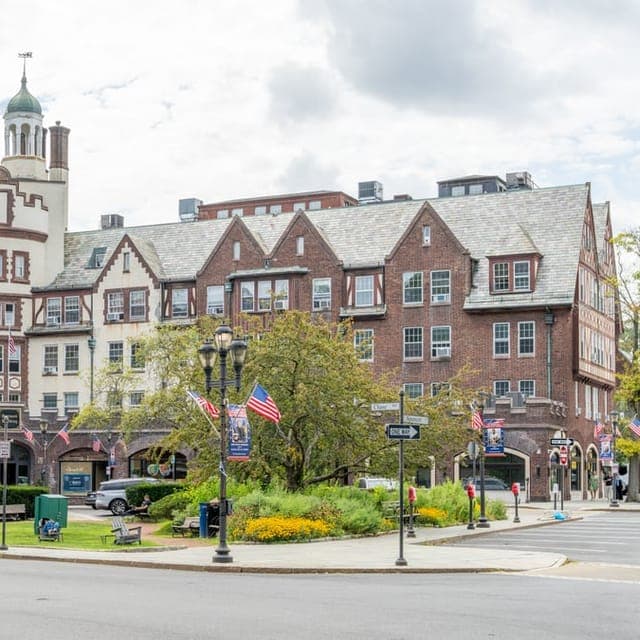
Cities & Towns in Westchester County
Cities in Westchester County
What It's Like Living in Westchester County, NY
Living in Westchester County means straddling two worlds: the quiet, tree-lined predictability of small-town life and the relentless energy of New York City, just a train ride away. It’s a place where you can spend Saturday morning hiking at a county park in Yorktown Heights and be at a Broadway show by evening, but where that convenience comes with a price tag and a commute that tests your patience. For families and professionals who value top-tier schools, green space, and proximity to Manhattan, Westchester delivers—but it demands a certain income and tolerance for traffic to make it work.
The Daily Grind: Commutes, Schools, and Weekend Rhythms
The average commute in Westchester clocks in at just under 35 minutes, but that number masks a stark divide. If you live in White Plains or New Rochelle, you’re likely on a Metro-North train into Grand Central, a ride that can stretch from 30 minutes to over an hour depending on the express vs. local. In more car-dependent towns like Yorktown Heights or Somers, the drive to the city can be a slog, especially on the Saw Mill River Parkway or I-287. The trade-off is space: a 2,500-square-foot colonial on a half-acre lot in Bedford is a realistic goal, whereas in Manhattan it would be a fantasy. Schools are the real engine of daily life here. Districts like Scarsdale, Rye, and Bronxville are nationally recognized, and their reputations drive home prices and property taxes. Weekend life revolves around soccer games, farmers markets (the one in Pleasantville is a local institution), and dinner reservations at Italian-American staples like Rao’s in East Harlem or the more suburban Patsy’s in Yonkers.
Who Fits In—And Who Doesn’t
Westchester is a magnet for two main groups: high-earning professionals who work in Manhattan but want a yard, and families who prioritize school rankings above all else. With a median household income of $118,411 and a cost of living index of 187 (nearly double the national average), it’s not a place for the budget-conscious. The median home value is $638,400, and that figure climbs fast in the Gold Coast towns along the Long Island Sound. The kind of person who thrives here is someone who values stability, good public services, and a predictable routine. You’ll find a lot of lawyers, finance professionals, and doctors. The county’s median age of 41.5 reflects a population that’s settled down—college students and young singles are more likely to be in the city or in New Rochelle’s downtown apartments. Politically, the county leans blue overall, but towns like Yorktown and Somers have a more conservative streak, and the school board meetings can get heated over budgets and curriculum.
Sports, Entertainment, and the Local Identity
Sports fandom here is split between the Yankees and the Mets, with a heavy Yankees tilt in the southern half of the county. High school football is a big deal in places like New Rochelle and White Plains, where Friday-night games draw hundreds. The Westchester Knicks (NBA G League) play in White Plains, offering a cheaper, family-friendly alternative to Madison Square Garden. For entertainment, the Caramoor Center for Music and the Arts in Katonah hosts summer concerts in a stunning outdoor setting, while the Westchester County Center in White Plains brings in everything from home shows to minor-league hockey. The Hudson River Museum in Yonkers is a solid afternoon outing. Outdoor life is a huge draw: the Old Croton Aqueduct Trail runs 26 miles through the county, and Rockefeller State Park Preserve in Pocantico Hills offers groomed carriage roads for hiking and horseback riding. The Bronx River Parkway is a scenic drive but also a notorious bottleneck—locals know to avoid it between 5 and 7 p.m.
Pros and Cons of Calling Westchester Home
What residents love:
- Schools that deliver. Districts like Scarsdale and Rye routinely rank in the top 5% nationally, and property values reflect that premium.
- Green space that feels real. The county has over 18,000 acres of parkland, from the Teatown Lake Reservation in Ossining to the Marshlands Conservancy in Rye.
- Train access to Manhattan. Metro-North’s three main lines (Hudson, Harlem, New Haven) cover most towns, with express trains from White Plains reaching Grand Central in 35 minutes.
What frustrates locals:
- Property taxes that sting. Westchester has some of the highest property taxes in the U.S., often exceeding $20,000 annually for a median-priced home. This is the #1 complaint in every town.
- Traffic that never really lets up. The Saw Mill, the Hutch, the Bronx River—all of them clog during rush hour, and weekend trips to the mall in Yonkers can feel like a commute.
- Cost of living that filters out the middle class. With a cost of living index of 187, a family earning $100,000 feels squeezed. The violent crime rate of 361.3 per 100,000 is higher than the national average, though it’s concentrated in a few urban pockets like Mount Vernon and parts of Yonkers.
The cultural quirk that defines Westchester is its fierce localism. People identify with their village or town first—you’re from Larchmont, not just “Westchester.” The county’s 52.5% college-educated rate means dinner-party conversations can get academic, but it also means the library systems and adult-education programs are excellent. If you can stomach the taxes and the traffic, Westchester offers a version of suburban life that’s hard to beat: safe, smart, and close enough to the city to feel connected, but far enough to have a backyard.

* Values derived from national, state, county, city and local statistics and may differ in a specific area. Last updated: 2026-06-20T16:20:27.000Z
Narrative content on this page is AI-generated and may contain mistakes. Verify any details that matter before acting on them.
ReloMaps may earn a commission from affiliate links at no extra cost to you.

