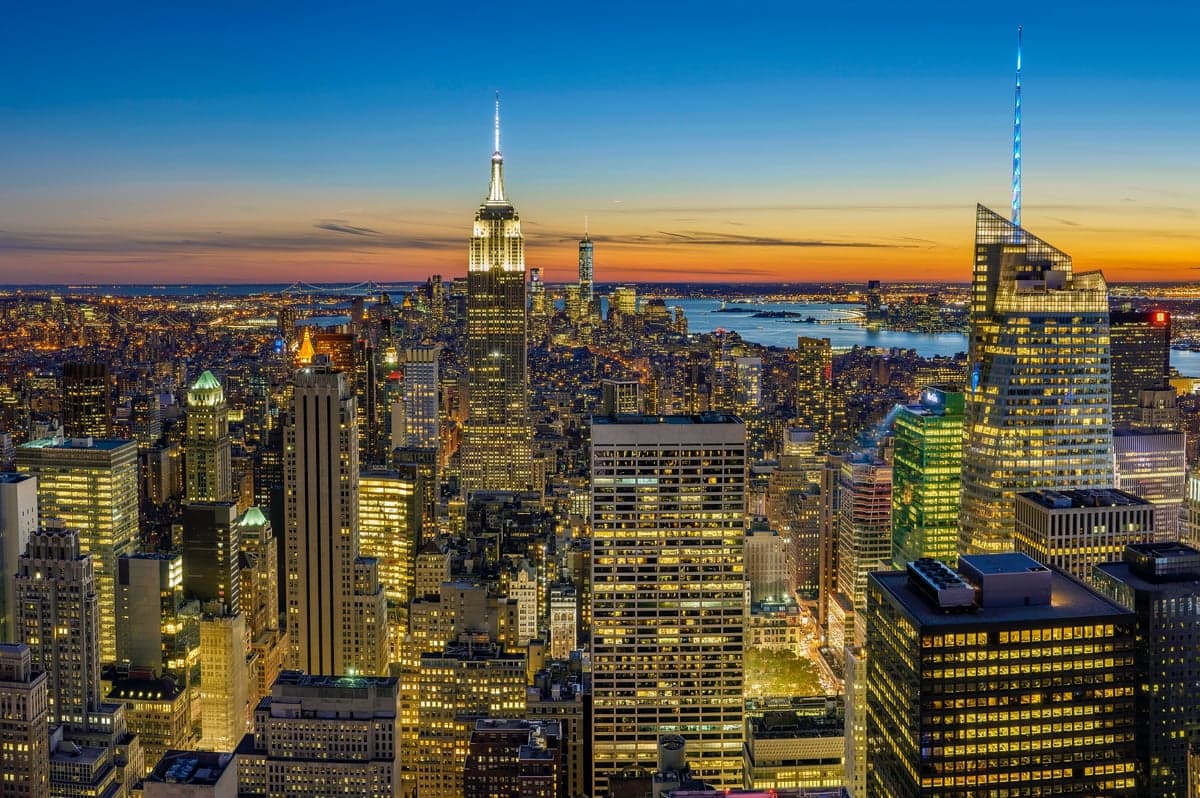
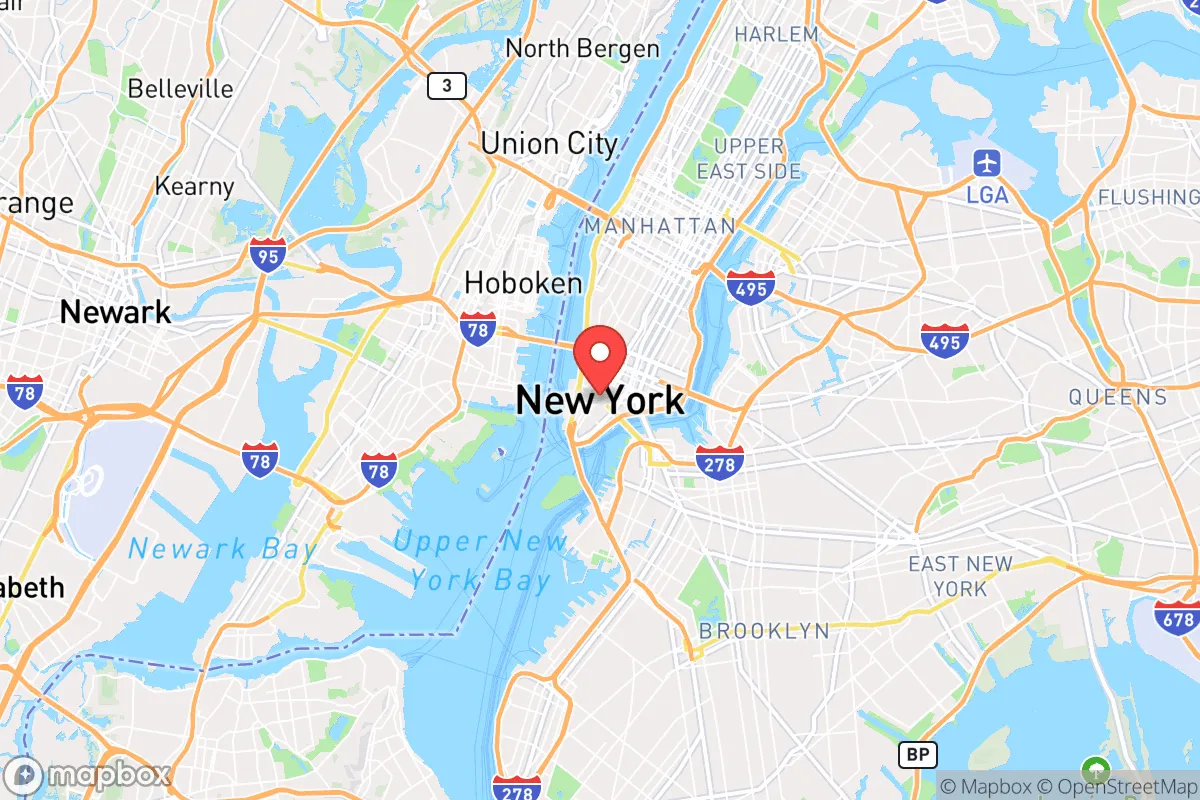
Photo: Wikipedia
An Unincorporated Community in New York County, New York
Find The Best Places To Live
in NYC
PRO TIP! You can paste a Zillow or Redfin link to get info on that property.
What It's Like Living in NYC, NY
Living in New York City means accepting that you’re part of a 24-hour organism that never fully powers down. It’s a place where the subway rumbles under your feet at 3 a.m., where you can buy a bagel at 4 a.m. and a cocktail at 4 p.m., and where the person next to you on the train might be a Broadway actor, a hedge fund analyst, or a third-generation bodega owner. The city’s identity is less a single vibe and more a collection of fiercely distinct neighborhoods—each with its own rhythm, its own loyalties, and its own unspoken rules about where to get the best slice of pizza.
The Daily Grind: Commutes, Coffee, and the Art of the Bodega Run
For most New Yorkers, daily life is a high-stakes game of logistics. The average commute clocks in at just over 40 minutes—one of the longest in the country—and that’s if the MTA is cooperating. You’ll learn to read the subway map like a native, develop a sixth sense for which car will be less crowded, and accept that your morning routine includes a walk past three different coffee carts before you settle on one. Grocery shopping is a near-daily affair, not a weekly haul, because most apartments lack the pantry space for a Costco run. The bodega on the corner becomes your de facto pantry: eggs, milk, a lottery ticket, and a “chopped cheese” sandwich if you’re feeling ambitious. Weekends often involve a farmers’ market (Union Square, Grand Army Plaza, or the smaller ones in Fort Greene and Jackson Heights), a walk through one of the city’s 1,700 parks, and a meal that requires a reservation made three weeks in advance.
Who Thrives Here—and Who Doesn’t
The city tends to attract people who are ambitious, tolerant of noise, and comfortable with a certain level of friction. The median age is 38, which suggests a population that skews slightly older than the “young and hungry” stereotype, but the city still draws a steady stream of recent graduates and career-changers. With a median household income of $79,713, many households are dual-income, and the cost of living index sits at 198—nearly double the national average. That means a studio apartment in a decent neighborhood can easily run $2,500 a month, and a median home value of $751,700 puts homeownership out of reach for most singles. The kind of person who fits in here is someone who values opportunity over square footage, who doesn’t mind that their bedroom doubles as a home office, and who sees the city itself as a kind of gym for resilience. Families do live here—especially in neighborhoods like Park Slope, Forest Hills, and Riverdale—but the trade-off is smaller living spaces and a constant negotiation with the elements.
Sports, Bars, and the Weekend Playbook
Sports loyalty in New York is tribal, and it’s one of the few things that can unite or divide a bar full of strangers. The Yankees and Mets divide the baseball faithful by borough and family history. The Knicks and Nets draw crowds that are equal parts hope and cynicism. And the Giants and Jets share a stadium but not a fanbase—you’ll know which is which by the jersey colors on game day. High school sports don’t carry the same weight as in the suburbs, but college basketball (St. John’s, Columbia) and soccer (NYCFC, Red Bulls) have their own dedicated followings. For weekend entertainment, the city offers an almost paralyzing amount of choice: a free concert in Prospect Park, a $200 tasting menu in the West Village, a dive bar in the East Village where the jukebox hasn’t been updated since 1998, or a rooftop bar in Long Island City with a view of the skyline. Major festivals like the Feast of San Gennaro in Little Italy and the Macy’s Thanksgiving Day Parade are annual rituals, while smaller neighborhood block parties and street fairs happen every weekend from May to October.
The Honest Trade-Offs: What Residents Love and What Wears Them Down
Longtime residents will tell you they love the energy, the convenience, and the fact that you can find almost anything at any hour. They love that their kids grow up exposed to dozens of languages and cultures, and that a single subway ride can take you from a quiet residential street in Queens to a packed concert hall in Midtown. But they’ll also tell you about the frustrations: the violent crime rate of 363.5 per 100,000, which is higher than the national average and a real concern in certain neighborhoods after dark. They’ll mention the trash bags piled on the curb on a hot July day, the rent hikes that push out longtime neighbors, and the feeling that the city is always asking for just a little more of your time and money. The weather is a character in its own right—humid summers that make the subway platforms feel like saunas, and winters that can be gray and slushy for weeks on end. Schools are a major factor for families: the public school system is vast and uneven, with some of the best schools in the country and some of the most overcrowded, and the process of applying to kindergarten can feel like a second job. For those who can navigate the chaos, the reward is a life that feels genuinely singular—a place where you’re never bored, never isolated, and never quite done exploring.

Similar major cities to NYC
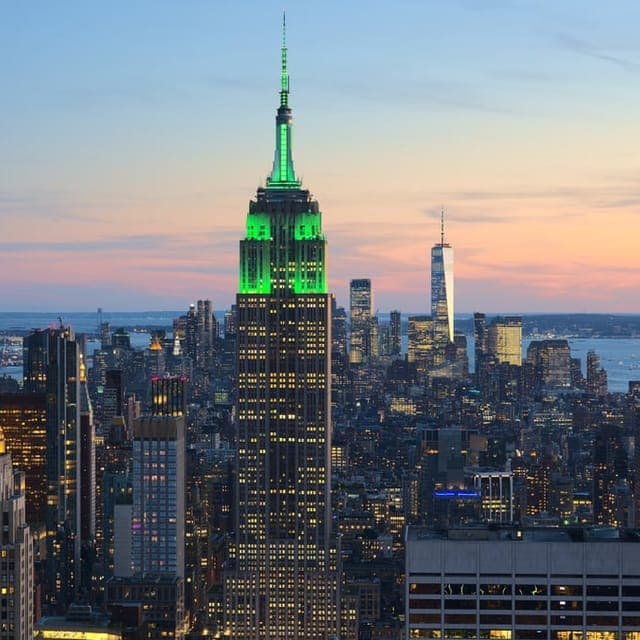

* Values derived from national, state, county, city and local statistics and may differ in a specific area. Last updated: 2026-09-29T17:18:47.000Z
Narrative content on this page is AI-generated and may contain mistakes. Verify any details that matter before acting on them.
ReloMaps may earn a commission from affiliate links at no extra cost to you.

