Photo: Wikipedia
Find The Best Places To Live
in Lubec
PRO TIP! You can paste a Zillow or Redfin link to get info on that property.
What It's Like Living in Lubec, ME
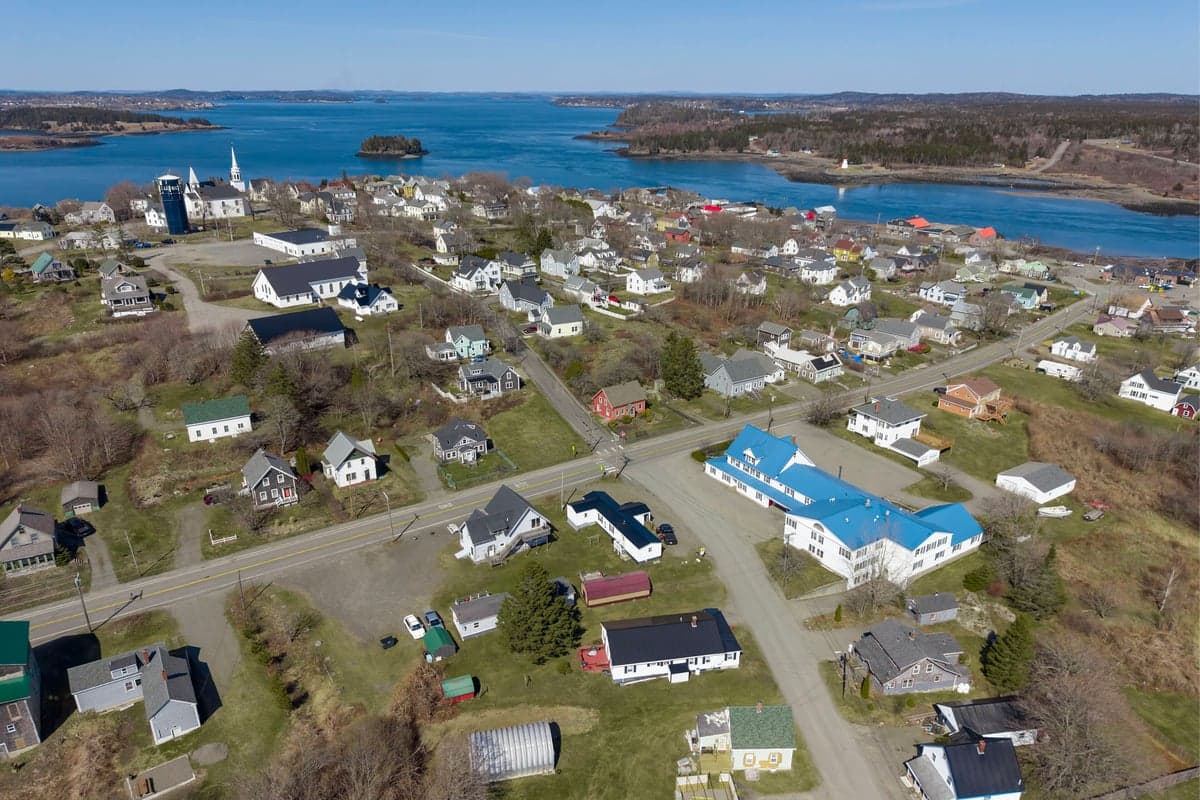
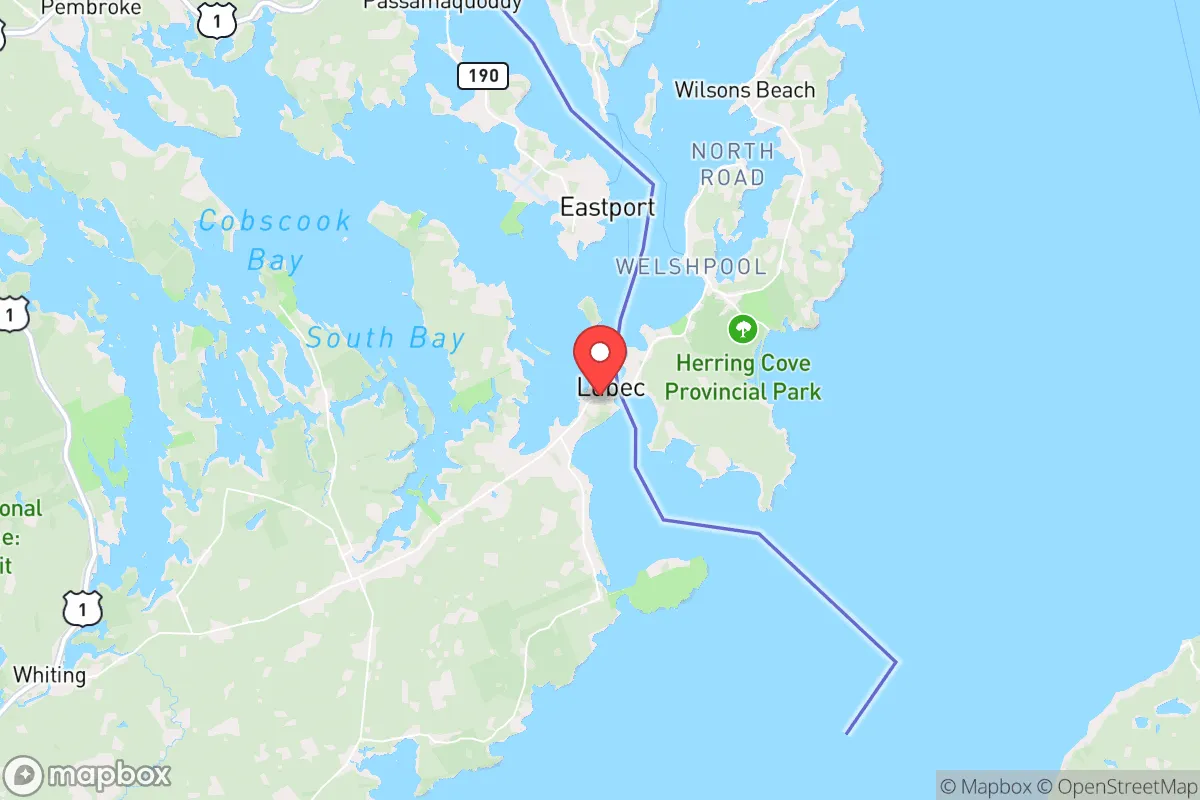
Lubec, Maine, is the kind of place where the day’s rhythm is set by the tide and the fog, not by a commute or a clock. With a population hovering around 320 and a median age of nearly 68, this is a community that feels like a quiet, windswept outpost—the easternmost town in the continental U.S.—where life moves at a pace that suits retirees, remote workers, and those who genuinely prefer solitude over convenience. It’s not for everyone, but for the right person, it’s exactly right.
The Daily Rhythm in a Town of 320
Daily life in Lubec is defined by what’s not there: no traffic lights, no chain stores, no rush hour. The average commute is just over 24 minutes, but that’s usually a drive to jobs in nearby Calais or across the bridge to Campobello Island in Canada. Most errands happen at the IGA in town or the hardware store, and for anything bigger—a Walmart or a hospital—it’s a 45-minute drive to Machias or an hour to Calais. Weekends are spent tending to property, fishing off the docks at West Quoddy Head, or walking the shoreline of Cobscook Bay. The median home value is $204,100, which is affordable by national standards, but the cost of living index of 43 (well below the US average of 100) means your dollar goes further—though the trade-off is limited access to services and goods.
The kind of person who fits here is self-reliant, comfortable with quiet, and not bothered by a long drive for a nice dinner. It’s a place for retirees, artists, and remote workers who value peace over proximity. The median income of $43,750 reflects a mix of seasonal tourism jobs, fishing, and remote work, but the community is not affluent—it’s practical. Families are rare; the median age of 67.8 tells you this is a town where the school, Lubec Consolidated School, serves as a community hub for the few children who remain, hosting town events and the occasional basketball game.
What There Is to Do (and What There Isn’t)
Entertainment in Lubec is low-key and nature-driven. The big draw is West Quoddy Head State Park, with its iconic red-and-white lighthouse and trails along the rugged cliffs—it’s the first place in the U.S. to see the sunrise. Kayaking in Cobscook Bay is popular, and the Downeast Sunrise Trail offers biking and walking on a former rail bed. For food, Frank’s Diner is the local breakfast spot, and Lubec Brewing Company is the go-to for a craft beer and a burger. The Lubec Landmarks museum and the annual Lubec Fourth of July parade are the biggest community events—small, neighborly, and well-attended by the same faces every year.
There are no music venues, no movie theaters, and no sports bars. The closest thing to nightlife is a quiet evening at the brewery or a potluck at the town hall. High school sports are a modest affair—the Lubec Hornets play small-school basketball and soccer, and games are well-attended by families and alumni, but they don’t dominate local conversation the way they might in a larger town. For serious entertainment, residents drive to Bangor (two hours west) or St. Andrews, New Brunswick (30 minutes across the border).
Pros and Cons of Living Here
What longtime residents love:
- The peace and quiet. Crime is virtually nonexistent—the violent crime rate is 93.7 per 100,000, well below the national average—and neighbors look out for each other.
- The natural beauty. The coastline is dramatic, the sunrises are legendary, and you can hike, fish, or kayak without crowds.
- Affordability. With a cost of living index of 43 and home prices under $210,000, it’s one of the cheapest places to live in coastal Maine.
What frustrates them:
- Isolation. The nearest hospital is 45 minutes away, and the nearest airport (Bangor) is two hours. Winter storms can cut off power and road access for days.
- Limited job market. The median income of $43,750 reflects a seasonal economy—tourism, fishing, and a few small businesses. Steady, well-paying jobs are scarce.
- Weather. Fog is a near-daily companion from June through August, and winters are long, dark, and cold. Seasonal affective disorder is a real concern.
One cultural quirk: Lubec is fiercely independent and proud of its “easternmost” status. Locals are used to tourists snapping photos of the sunrise, but they’re also wary of outsiders who don’t understand the pace of life. It’s a town where everyone knows your business, and that’s either comforting or suffocating, depending on your personality.
Seasonal Rhythms and Practical Realities
Summer brings a brief influx of visitors—RV campers, lighthouse tourists, and Canadian day-trippers—but it’s never crowded. Fall is stunning, with foliage and fewer bugs. Winter is the real test: snow piles up, the days are short, and many seasonal businesses close entirely. The school becomes a social anchor, hosting holiday concerts and community suppers. Traffic is never an issue, but the roads can be treacherous in winter, and cell service is spotty outside town. For the 60.5% of residents with a college degree, many work remotely or have retired from careers elsewhere, drawn by the quiet and the low cost of living. If you’re considering Lubec, visit in February first—if you can handle that, you can handle anything.

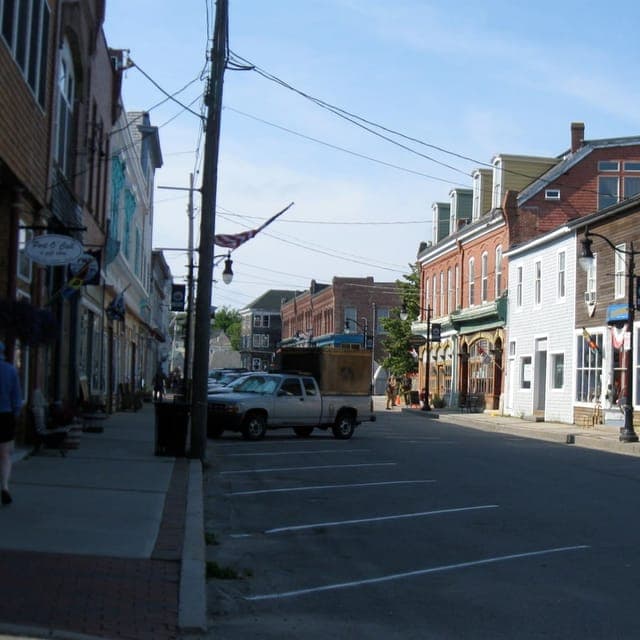
Similar small towns to Lubec
* Values derived from national, state, county, city and local statistics and may differ in a specific area. Last updated: 2026-09-20T21:56:04.000Z
Narrative content on this page is AI-generated and may contain mistakes. Verify any details that matter before acting on them.
ReloMaps may earn a commission from affiliate links at no extra cost to you.

