Photo: Wikipedia
Quality of Life in Lubec, ME
A high quality of life with strong walkability, manageable living costs, healthy neighborhood signals, and solid amenity access.
What does Quality of Life tell us?
Quality of Life blends cost of living, nearby amenities, socioeconomic signals, and neighborhood character. City-level scores represent the whole municipality; individual neighborhoods can differ.
What does this tell us?
Quality of Life blends cost of living, nearby amenities, socioeconomic signals, and neighborhood character. City-level scores represent the whole municipality; individual neighborhoods can differ.
Cost of Living
57% below national average
The Real Cost of Living in Lubec, ME for 2026
| Tier | Individual | Family (4) |
|---|---|---|
| Survival | $10k | $20k |
| Comfortable | $40k | $58k |
| Luxury | $79k+ | $123k+ |
| Elite (Top 5%) | $159k+ | $246k+ |
75%
The Area Signal
A metric tracking the socioeconomic signals of the area.
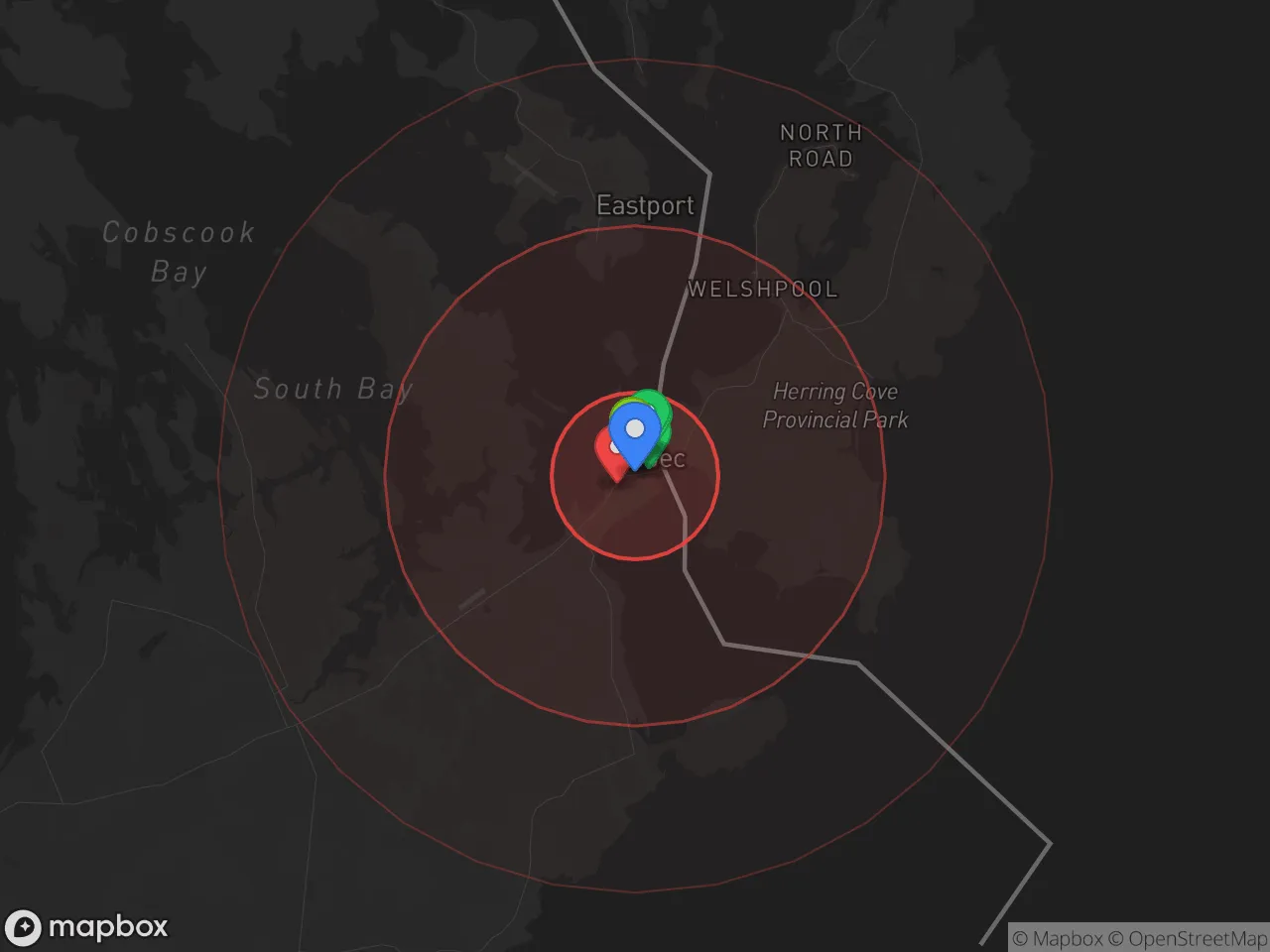
Hobbies
Explore the areaGroceries
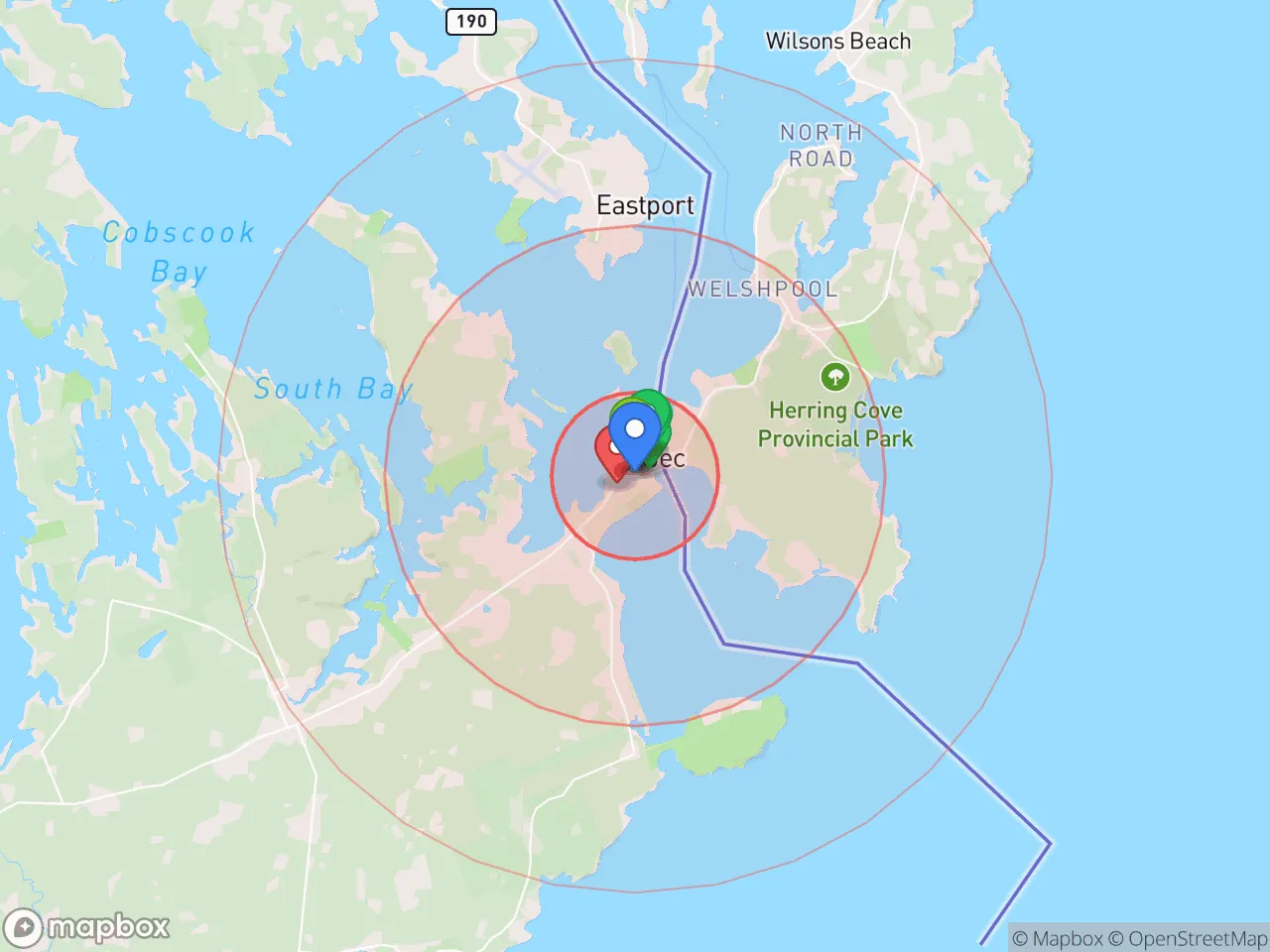
1 within 10 miles
Gas
2 within 10 miles
Hospital
2 within 20 miles
Airport
PDX — Portland International Jetport
Post Office
USPS — Lubec, ME
Critical Amenities
Quality-of-Life Analysis
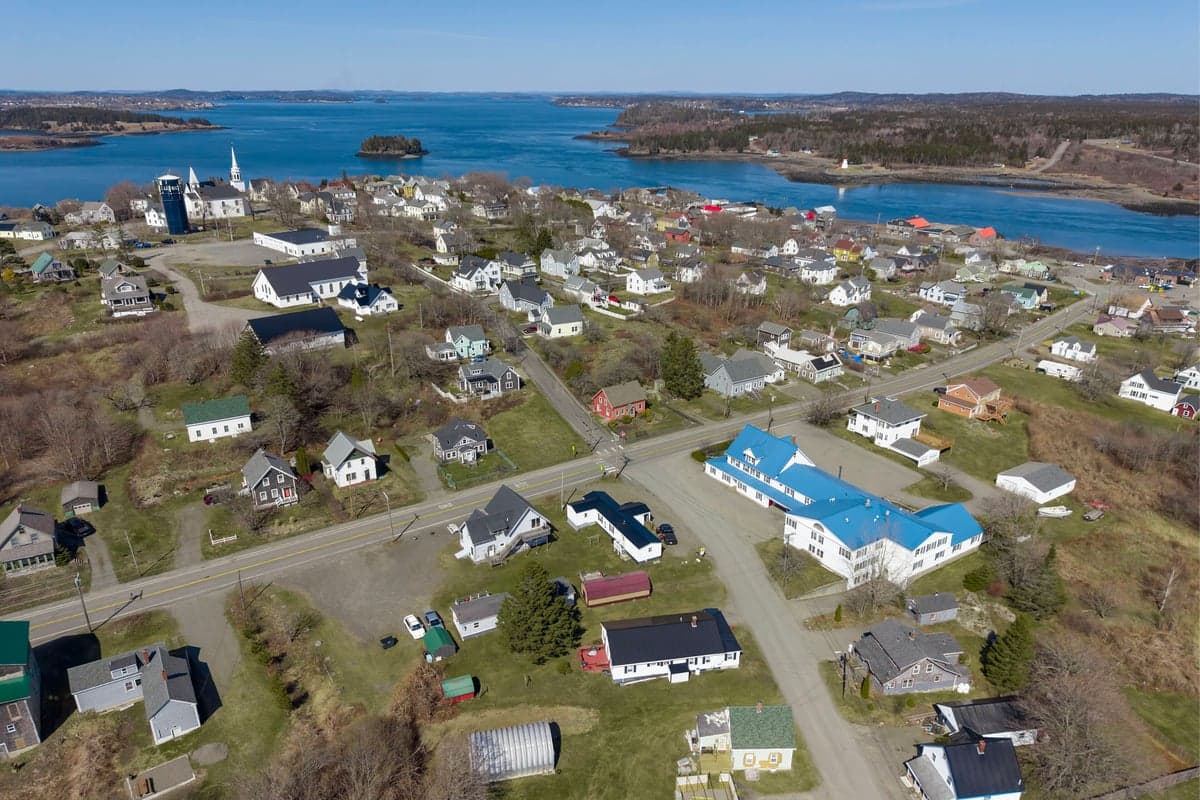
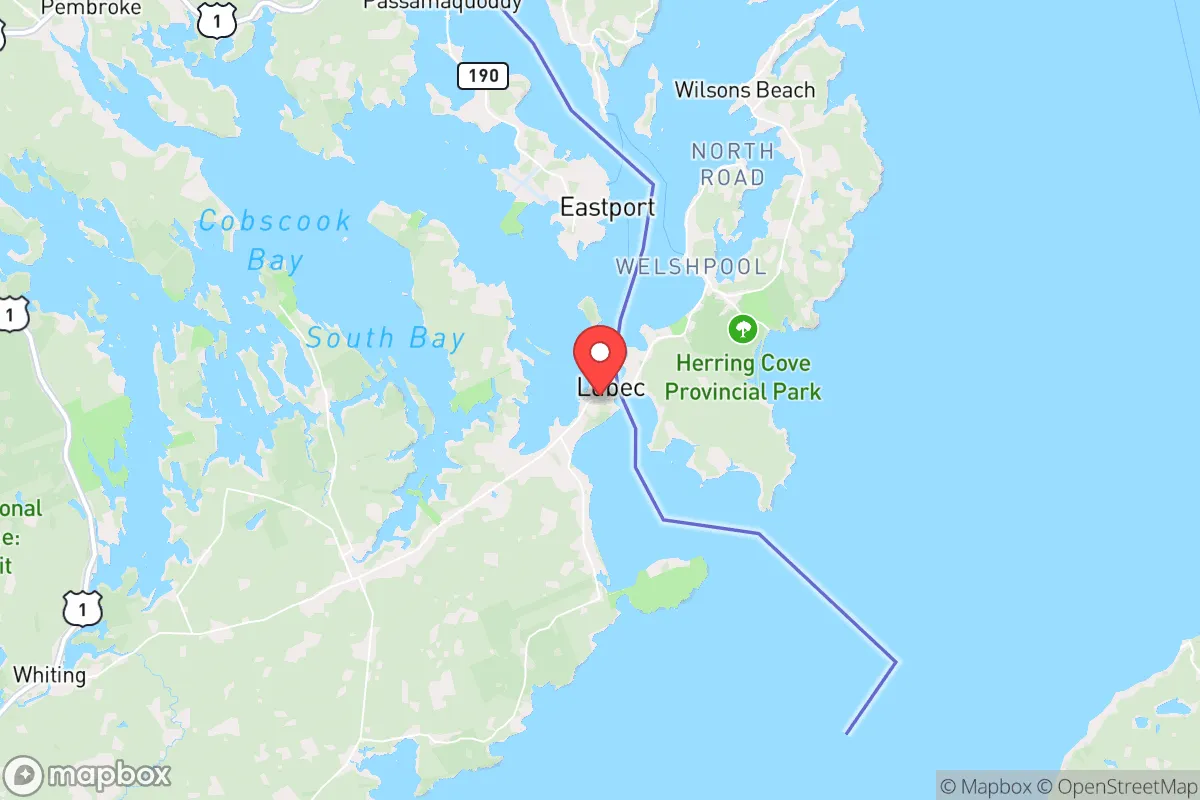
Lubec, Maine, is a remote coastal community where the cost of living is dramatically below national averages, attracting a mix of retirees, seasonal residents, and self-employed workers seeking solitude and natural beauty. With a cost-of-living index of just 43 (compared to the U.S. average of 100), Lubec is one of the most affordable places in New England, though its isolation means residents must be self-sufficient. The population hovers around 1,200 year-round, swelling in summer with tourists and second-home owners drawn to the rugged Washington County coastline and proximity to Campobello Island.
How housing costs and daily expenses compare to nearby towns
Lubec’s housing market is exceptionally affordable by regional standards. The median home value is $204,100, roughly half the Maine state median of $400,000, while the median rent is just $280 per month — a figure that reflects a high proportion of older, smaller homes and limited rental inventory. For context, a comparable home in Bar Harbor (90 miles southwest) would cost three to four times more, and even in nearby Machias (20 miles west), median home values run about 20% higher. Groceries and utilities are slightly above the national average due to transportation costs, but property taxes in Washington County are among the lowest in Maine, averaging 1.1% of assessed value. The average commute of 24.4 minutes is shorter than the national average of 26 minutes, but most residents drive to jobs in Lubec itself, to the fishing port of Eastport (12 miles north), or across the Canadian border to St. Stephen, New Brunswick (30 minutes).
What daily life is like for families, retirees, and remote workers
Lubec offers a quiet, slow-paced lifestyle defined by the tides and seasons. The town has one K-8 public school (Lubec Consolidated School) with about 100 students, and high school students commute to Shead High School in Eastport. For groceries and essentials, residents rely on a small IGA market and a handful of local shops; the nearest Walmart is 45 minutes away in Calais. Healthcare is limited: the Lubec Health Center provides primary care, but hospital services require a 45-minute drive to Calais Regional Hospital or a 90-minute trip to Bangor. Dining options include a few seasonal seafood spots and the Lubec Brewing Company, but most evening entertainment is home-based. Internet access has improved with Spectrum cable and Starlink satellite service, making remote work feasible, though cellular coverage remains spotty in the outer coves. The town’s signature amenity is the Roosevelt Campobello International Park, a 2,800-acre natural preserve on the adjacent island, accessible via the Franklin Delano Roosevelt Bridge — a major draw for hikers, birders, and history buffs.
Lubec is best suited for people who prioritize low costs, quiet surroundings, and outdoor recreation over urban conveniences. Retirees on fixed incomes, fishermen, and remote workers who can tolerate limited services will find the affordability unmatched in coastal Maine. Families with school-age children should weigh the small school system and limited extracurriculars, while those needing frequent medical care or cultural amenities may find the isolation challenging. For the right person — someone who values the Bay of Fundy’s dramatic tides, the lack of traffic, and a tight-knit community — Lubec offers a quality of life that is both financially sustainable and deeply connected to the natural world.

Crime in Lubec, ME
Lower crime rates than 81% of comparable U.S. locations.
Violent CrimeViolent Crime Analysis
Property CrimeProperty Crime Analysis
Crime Analysis
Lubec, Maine, is one of the safest small towns in the state, with violent crime rates dramatically below both the Maine average and national benchmarks. The town's remote coastal location at the easternmost point of the continental U.S. contributes to a low-crime environment, though property crime remains a more tangible concern for residents. The overall safety picture is strong, driven by a tight-knit community and limited access for transient criminal activity.
Crime in context
Lubec's violent crime rate stands at 93.7 incidents per 100,000 residents, which is roughly one-third the national average and well below Maine's statewide rate of approximately 110 per 100,000. This places Lubec among the safest 10% of communities in the country for violent offenses. Property crime, however, is more prevalent at 948.4 per 100,000 — slightly below the Maine average of about 1,100 per 100,000 but still a factor residents should monitor. The most common property crimes in Lubec are thefts from unlocked vehicles and seasonal break-ins at unoccupied summer homes, a pattern typical of coastal Washington County. Unlike larger Maine cities such as Portland or Bangor, Lubec has not experienced the upward crime pressure associated with progressive prosecutorial policies; the local district attorney's office in Washington County takes a consistently conservative approach to charging and sentencing, which helps keep recidivism low.
What residents experience
Daily life in Lubec is characterized by a high degree of personal safety. Residents routinely leave doors unlocked during the day, and children walk to the town's single elementary school without concern. The Lubec Police Department, though small, maintains a visible presence and responds quickly to calls. The most frequent complaints involve theft of outdoor equipment — lobster traps, fishing gear, and lawn tools — rather than violent confrontations. Domestic disturbances and alcohol-related incidents account for the majority of the few violent crimes reported each year. The town's isolation works as a natural deterrent: with only one road in and out (Route 189), criminals have limited escape routes, and the year-round population of roughly 1,300 means strangers are quickly noticed. Seasonal population surges in summer bring a slight uptick in minor thefts but do not significantly alter the safety profile.
Neighborhood-level variation
Crime in Lubec is not evenly distributed. The downtown core along Water Street, which sees the heaviest tourist traffic and contains most of the town's bars and restaurants, experiences the highest concentration of property crime — particularly thefts from parked cars and shoplifting. The residential neighborhoods on the South Lubec Road and the rural stretches toward West Lubec are extremely safe, with virtually no violent crime and only occasional thefts from outbuildings. The remote coastal properties along the Bold Coast, popular with seasonal residents, are the most vulnerable to break-ins during the winter months when homes sit vacant. Overall, Lubec's crime pattern is one of opportunity rather than organized criminal activity, and residents who practice basic precautions — locking vehicles, securing seasonal properties, and maintaining good relationships with neighbors — enjoy an exceptionally low risk of victimization.
* Values derived from national, state, county, city and local statistics and may differ in a specific area. Last updated: 2026-09-20T21:56:04.000Z
Narrative content on this page is AI-generated and may contain mistakes. Verify any details that matter before acting on them.
ReloMaps may earn a commission from affiliate links at no extra cost to you.

