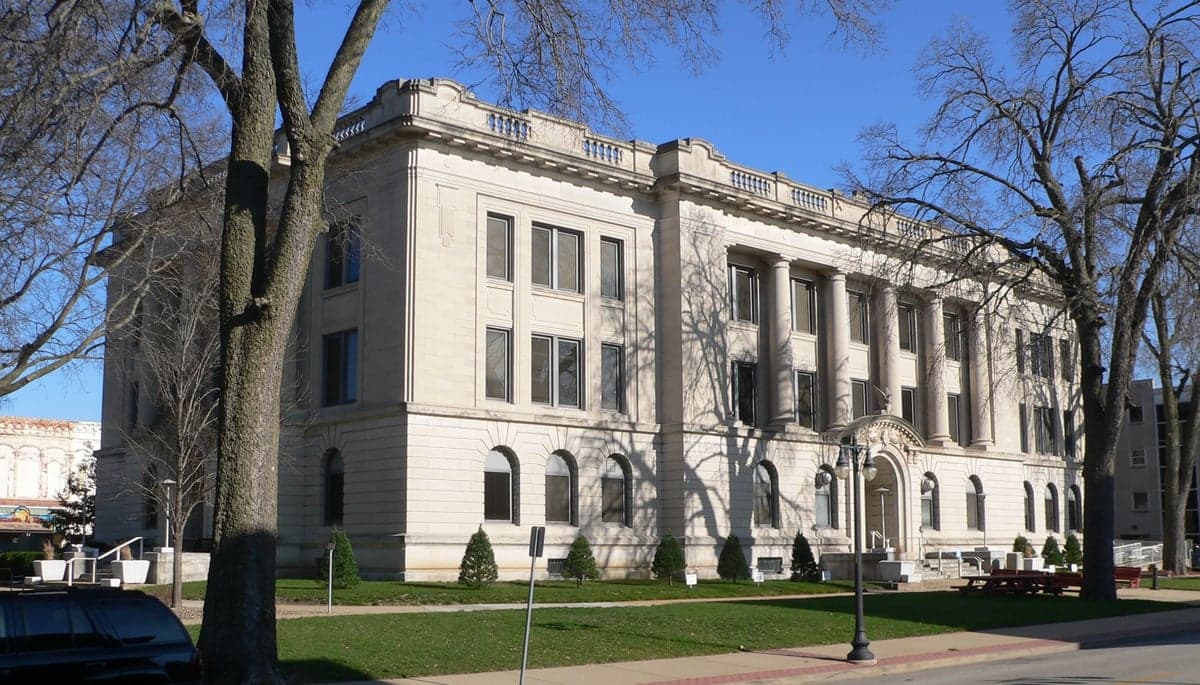
Photo: Wikipedia
Quality of Life in Tazewell County
A livable area that tracks near national norms for affordability, walkability, and neighborhood health.
What does Quality of Life tell us?
Quality of Life measures an area by evaluating factors like cost of living, nearby amenities, country club access, airport proximity, socioeconomic signals and neighborhood character. For large states, this is a general average — quality of life can vary dramatically between metro areas, suburbs, and rural communities within the same state.
What does this tell us?
Quality of Life measures an area by evaluating factors like cost of living, nearby amenities, country club access, airport proximity, socioeconomic signals and neighborhood character. For large states, this is a general average — quality of life can vary dramatically between metro areas, suburbs, and rural communities within the same state.
Cost of Living
30% below national average
163%
The Real Cost of Living in Tazewell County for 2026
| Tier | Individual | Family (4) |
|---|---|---|
| Survival | $14k | $27k |
| Comfortable | $32k | $47k |
| Luxury | $121k+ | $187k+ |
| Elite (Top 5%) | $142k+ | $220k+ |
Quality-of-Life Analysis
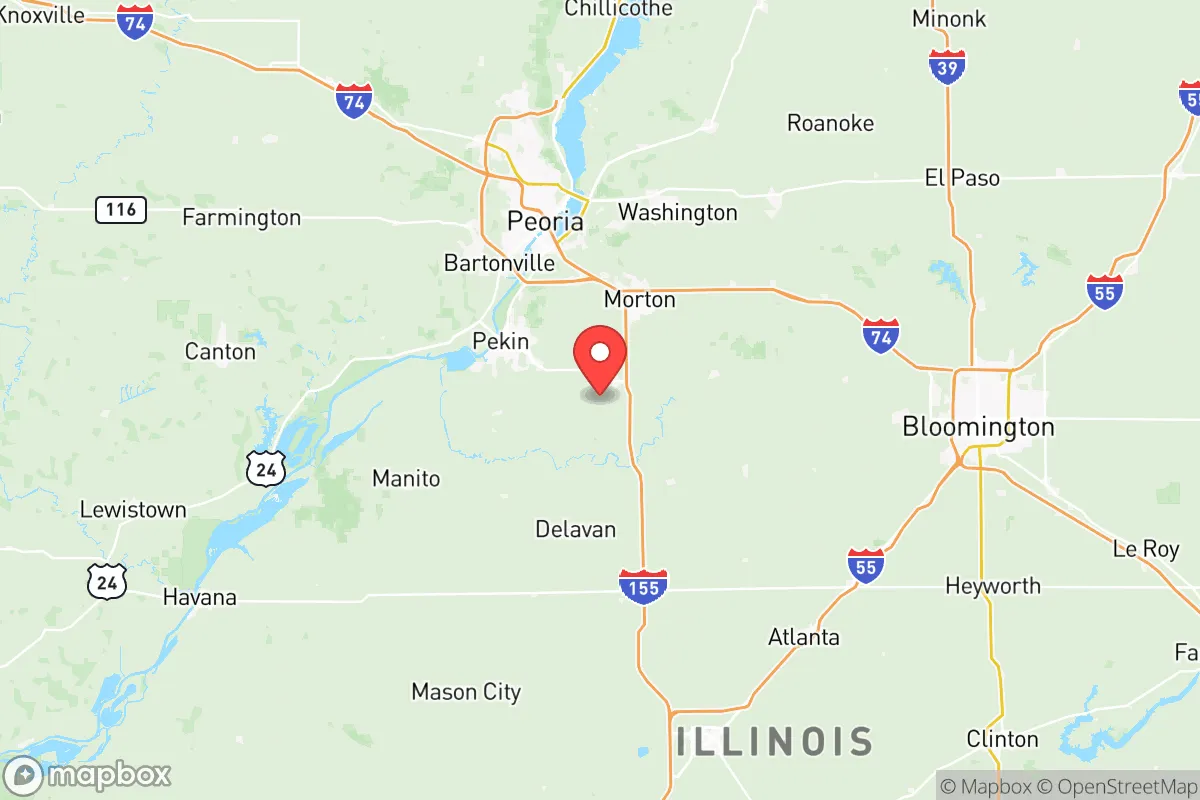
Tazewell County offers one of the most pronounced urban-to-rural spectrums in Central Illinois, anchored by the midsized city of Pekin and the county seat of Tremont, while dissolving into quiet agricultural townships like Hopedale and rural stretches along the Mackinaw River. With a cost-of-living index of 70 (30% below the national average), a median home value of $164,500, and a median rent of $898, the county attracts both workers commuting into Peoria and families seeking affordable acreage. The average commute of roughly 21 minutes keeps the entire county within practical reach of regional employment hubs, making lifestyle choice more about preference than proximity.
Largest town(s) & population centers
Pekin is the county's largest city and its commercial and industrial heart, with roughly 32,000 residents. Daily life here centers on a mix of riverfront parks along the Illinois River, the Pekin Mall retail corridor, and major employers like the Pekin Energy ethanol plant and the federal correctional facility. The city offers the county's most complete set of amenities — a hospital (Pekin Hospital), multiple grocery chains, and a historic downtown with local dining — but also carries higher traffic and older housing stock than outlying towns. East Peoria, the second-largest municipality, functions almost as a retail and entertainment hub for the entire region, anchored by the Levee District with its Bass Pro Shops, movie theater, and riverfront restaurants. Its housing market skews newer and slightly pricier than Pekin's, appealing to professionals who work across the river in Peoria but want Illinois-side taxes and schools. Washington, the county's third major population center, is the most affluent of the three, with a strong school district and a suburban feel that has made it the top choice for families relocating from the Chicago area.
Smaller towns & rural pockets
Beyond the three main cities, Tazewell County's character shifts dramatically in its smaller communities. Tremont, the county seat, is a classic courthouse town with a compact historic square, a highly regarded school system, and a population under 3,000 — it functions as the administrative and legal center while retaining a small-town pace. Morton, technically a village but the county's fourth-largest municipality, brands itself the "Pumpkin Capital of the World" and offers a walkable downtown, the large Morton Arboretum-adjacent park system, and a strong manufacturing base anchored by Morton Buildings. Further out, Hopedale (pop. ~850) and Deer Creek (pop. ~700) are true farming communities where grain elevators and church steeples define the skyline. Green Valley, South Pekin, and Creve Coeur sit along the Illinois River floodplain, offering some of the county's most affordable housing but also the highest flood risk and most limited retail options. Unincorporated areas like Hittle and Armington (which straddles the Logan County line) are pure rural territory, where residents often drive 15-20 minutes for basic groceries.
Cost & lifestyle range
The cost spread across Tazewell County is significant even within a low-cost region. At the affordable end, South Pekin and Creve Coeur routinely list homes below the county median of $164,500, with older ranch houses and bungalows often available in the $90,000-$130,000 range; renters in these river towns can find two-bedroom units near the $750-$850 mark. The middle of the market sits in Pekin and East Peoria, where the median home value aligns closely with the county figure and rental options range from older downtown apartments to newer complexes near the Levee District. At the premium end, Washington and Morton push home values to $250,000-$400,000 for newer construction, and their rental markets are tighter, with fewer multi-family units available. The lifestyle tradeoff is clear: Washington and Morton buyers pay a premium for top-tier schools and newer subdivisions, while South Pekin and rural townships offer the lowest entry costs but require longer drives for employment, shopping, and healthcare. Property taxes, a perennial Illinois concern, run roughly 2.0%-2.5% of assessed value countywide, with slightly lower rates in rural townships than in the incorporated cities.
The county's sweet spot is the buyer who wants Illinois affordability without sacrificing access to a metro economy. Commuters to Peoria's healthcare and manufacturing sectors (OSF HealthCare, Caterpillar) find the 20-minute average commute manageable from any corner of the county, while retirees and remote workers gravitate to the quiet river towns and farm communities for the lowest cost of living in the Peoria metropolitan area. Families prioritizing schools should target Washington, Morton, or Tremont; those prioritizing maximum square footage per dollar will find it in South Pekin or the unincorporated townships. Tazewell County rewards residents who know what they want — it offers genuine choice between suburban comfort, small-town charm, and rural seclusion, all within a 30-minute drive of a regional city.

Crime in Tazewell County
Crime rates similar to the national median for U.S. locations.
Violent CrimeViolent Crime Analysis
Property CrimeProperty Crime Analysis
Crime Analysis
Tazewell County, Illinois, reports a violent crime rate of 244.1 incidents per 100,000 residents and a property crime rate of 1,473.5 per 100,000, placing it in a moderate tier when compared to the rest of the state. While the county is not among Illinois' most dangerous, its proximity to Peoria and its mix of industrial towns and rural townships create a patchwork of safety outcomes that vary significantly by municipality. The county seat, Pekin, and the city of East Peoria account for a disproportionate share of reported incidents, while smaller communities like Morton, Washington, and Tremont consistently post lower crime figures.
Crime in context
Illinois' statewide violent crime rate sits at roughly 440 per 100,000, meaning Tazewell County's 244.1 figure is about 45% below the state average. Property crime in the county, at 1,473.5 per 100,000, is closer to the national median of approximately 1,950 per 100,000, but still trails the Illinois average of roughly 1,800. The county's numbers are heavily influenced by its two largest cities: Pekin and East Peoria. Pekin, with a population near 32,000, sees the bulk of the county's aggravated assaults and burglaries, while East Peoria's commercial corridors along Illinois Route 116 and the Levee District drive up larceny and shoplifting figures. By contrast, Morton — a village of about 17,000 known as the "Pumpkin Capital of the World" — reports violent crime rates below 100 per 100,000 in most years, and Washington, with roughly 16,000 residents, consistently logs property crime rates under 1,000 per 100,000.
What residents experience
For the average resident, the most likely encounter with crime in Tazewell County is a property offense — vehicle break-ins, shed burglaries, and package thefts — rather than a violent confrontation. The county's violent crime is largely concentrated in specific corridors: the downtown Pekin area around Court Street and the Pekin Park District, and the apartment complexes near East Peoria's Levee District. Drug-related offenses, particularly methamphetamine and opioid cases, are a persistent driver of both property and violent crime, with the Tazewell County Sheriff's Office and Pekin Police Department running joint task force operations through the Multi-County Narcotics Enforcement Group (MEG). Residents in rural townships like Groveland and Deer Creek report minimal day-to-day safety concerns, though agricultural equipment theft and rural burglaries spike during planting and harvest seasons.
Judicial handling of these cases matters to local safety outcomes. Tazewell County is part of the 10th Judicial Circuit, which also covers Peoria County. The circuit's judges and the Peoria County State's Attorney's Office — which handles some cross-jurisdictional cases — have faced criticism from local law enforcement for a pattern of pretrial release and plea bargaining that critics argue puts repeat offenders back on the street quickly. Peoria County's State's Attorney, Jodi Hoos, has been a particular focus of this concern, with her office's diversion programs and reduced sentencing recommendations drawing scrutiny from Pekin and East Peoria police chiefs. Residents in Tazewell County who follow local crime coverage will note that many property crimes are committed by a small cohort of repeat offenders who cycle through the justice system, a dynamic that county board members have cited when pushing for stricter bond conditions and mandatory minimums.
Neighborhood-level variation
Safety in Tazewell County is best understood block by block rather than county-wide. Pekin's south side, particularly the area between Broadway and Koch Street, sees the highest concentration of violent incidents, while the north side near Mineral Springs Park is markedly safer. East Peoria's riverfront entertainment district attracts crowds and petty crime on weekends, but the residential neighborhoods east of Interstate 74 — including the Fondulac Township area — report crime rates comparable to Morton's. For families relocating to the county, Morton, Washington, and Tremont offer the strongest safety profiles, with violent crime rates near zero in some years and property crime driven almost entirely by unlocked vehicles. The tradeoff is higher home prices and property taxes in those communities, while Pekin and East Peoria offer more affordable housing with a correspondingly higher risk profile.
* Values derived from national, state, county, city and local statistics and may differ in a specific area. Last updated: 2026-10-27T12:21:43.000Z
Narrative content on this page is AI-generated and may contain mistakes. Verify any details that matter before acting on them.
ReloMaps may earn a commission from affiliate links at no extra cost to you.

