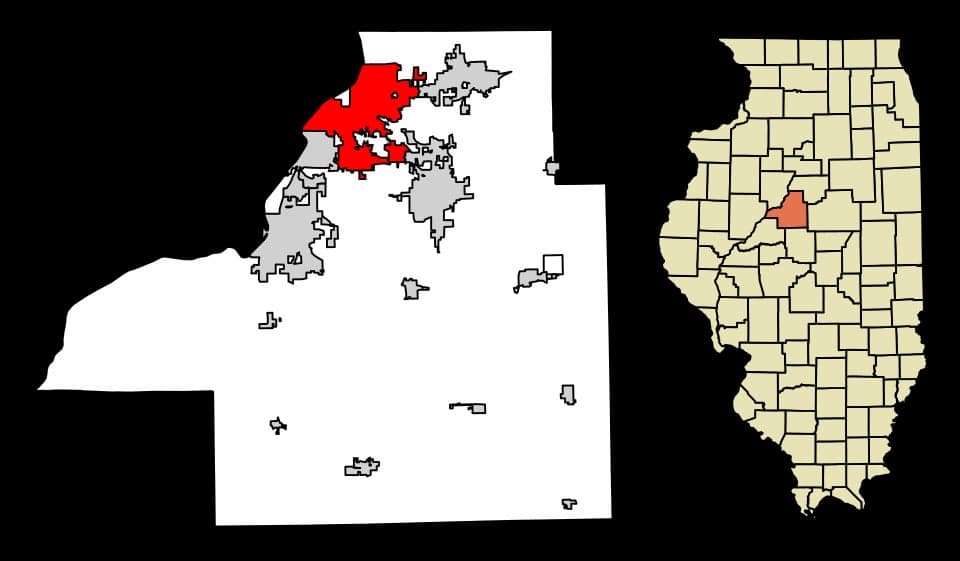
Photo: Wikipedia
Find The Best Places To Live
in East Peoria
PRO TIP! You can paste a Zillow or Redfin link to get info on that property.
What It's Like Living in East Peoria, IL
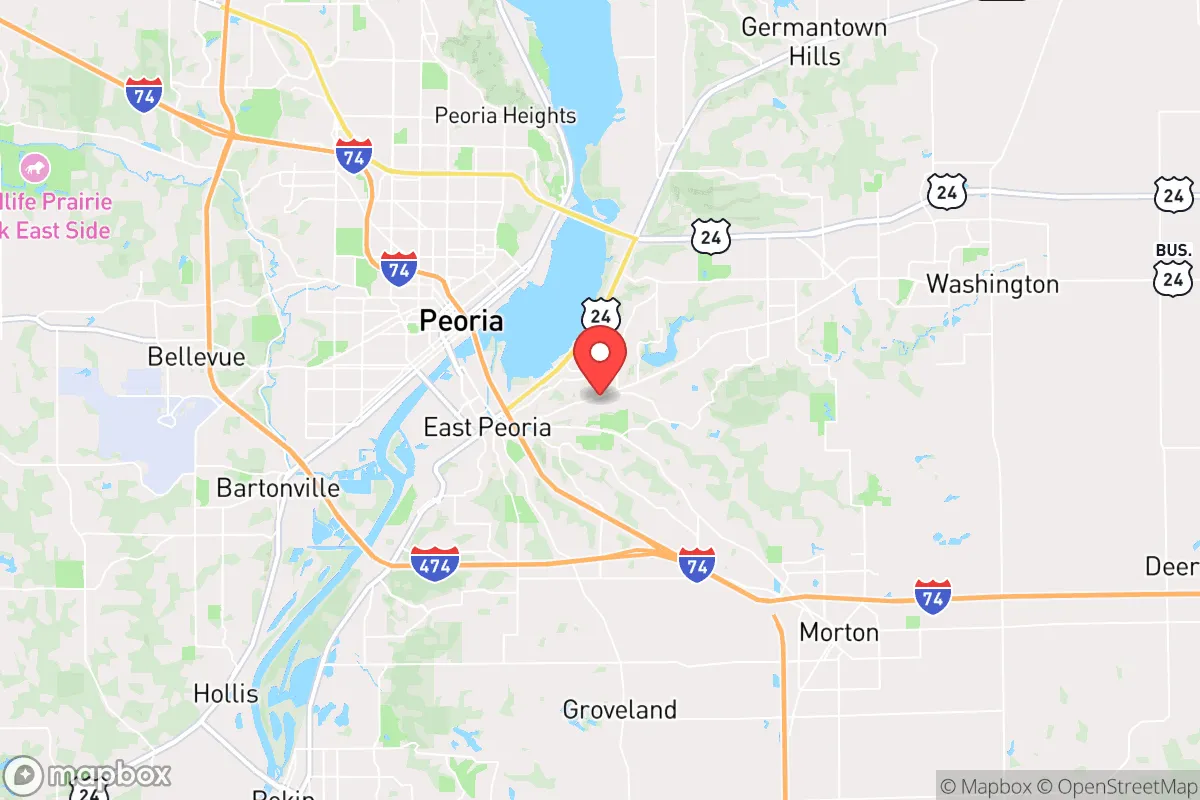
East Peoria feels like a town that knows exactly what it is: a solid, no-nonsense place where the Illinois River bends and the Caterpillar plant hums in the background. It’s not trying to be the next hip suburb or a weekend getaway destination—it’s a community built for people who want a decent house, a short commute, and enough going on to keep weekends interesting without the chaos of a big city. If you’re the type who values a 20-minute drive to work over a packed social calendar, you’ll probably fit right in.
The Daily Rhythm: River Views and Short Commutes
Life here moves at a pace that suits the median age of 42.4. Mornings are quiet, with most folks heading out for an average commute of just over 20 minutes—short enough that you can actually enjoy your coffee before walking out the door. The big employer in town is Caterpillar, and its presence shapes a lot of the local identity; you’ll meet plenty of engineers, machinists, and office workers who’ve spent their whole careers there. After work, people tend to gravitate toward the riverfront. The River Trail of Illinois runs right through town, and on a mild evening you’ll see joggers, cyclists, and families pushing strollers along the water. It’s not dramatic scenery, but it’s pleasant and well-maintained, and the sunsets over the river are genuinely good.
Weekends often mean errands at the Levee District, the town’s main commercial hub—think Target, Kohl’s, and a solid lineup of chain restaurants that locals actually use. But the real character comes from the smaller spots. Jim’s Steakhouse has been a fixture for decades, serving up no-frills steaks and a dark-wood atmosphere that hasn’t changed much since the 1970s. For something more casual, Obie’s is the kind of bar where everybody knows the bartender’s name, and the pizza is better than it has any right to be. If you’re looking for a Friday night fish fry or a Sunday brunch with river views, Rizzs is the place—it’s been around long enough that multiple generations of families have celebrated birthdays there.
Sports, Schools, and What Brings People Together
High school sports are a bigger deal here than in many places its size. East Peoria Community High School football and basketball games draw real crowds, especially when they’re playing rival Washington or Pekin. Friday nights in the fall have that classic Midwestern feel—bleachers full of parents and students, concession stand coffee, and a sense that the whole town is pulling in the same direction. For college sports, Bradley University in nearby Peoria is the main draw, and plenty of locals make the 10-minute drive for basketball games at Carver Arena. The Peoria Rivermen (SPHL hockey) also play there, and they’re a surprisingly fun night out—cheap tickets, fast action, and a crowd that actually cares.
The schools themselves are a mixed bag. East Peoria’s public schools are adequate but not standout; families who prioritize education often look at the private options or consider moving to Washington or Dunlap, which have stronger reputations. That said, the schools are deeply woven into community life. School board meetings get real attendance, and the annual East Peoria Festival of Lights parade is a massive deal—bands, floats, and thousands of people lining the streets in December. It’s the kind of tradition that makes you feel like you’re part of something, even if you’re new in town.
What There Is to Do (and What There Isn’t)
Entertainment here is practical and low-key. The EastSide Centre is a sprawling sports complex that hosts tournaments year-round—soccer, baseball, softball—and on any given weekend you’ll see families hauling coolers and folding chairs across its fields. For outdoor types, Farmdale Reservoir is just a few miles east, offering hiking and mountain biking trails that are genuinely good by Illinois standards. The Peoria Zoo and Luthy Botanical Garden are a short drive away in Peoria proper, and they’re popular for weekend outings with young kids.
Festivals are where East Peoria really shines. The East Peoria Festival of Lights runs through December and includes a drive-through light display that people come from surrounding counties to see. Summer brings Riverfest, a multi-day event with carnival rides, live music, and food vendors that takes over the riverfront. It’s not Coachella, but it’s exactly what a town of 22,485 needs—something that feels special without being overwhelming. The downside? Nightlife is thin. If you want live music past 10 p.m. or a trendy cocktail bar, you’re heading to Peoria or Bloomington. Most bars here close early, and the scene skews toward older crowds nursing a beer at the counter.
Pros and Cons of Living Here
Let’s be honest about what works and what doesn’t. The cost of living is a major win—with a median home value of $160,800 and a cost of living index of 69 (well below the national average of 100), a median household income of $71,763 goes a long way. You can buy a decent three-bedroom ranch here for what a studio apartment costs in Denver or Austin. Property taxes are high by national standards (welcome to Illinois), but they’re lower than in Cook County, and you get reasonable services for what you pay. The violent crime rate of 292 per 100,000 is slightly above the national average, though most of it is concentrated in specific areas and property crime is the bigger day-to-day concern. Locals will tell you to lock your car doors and not leave valuables visible, which is pretty standard advice for any town this size.
Weather is another honest trade-off. Summers are humid and hot, winters are cold and gray, and spring brings enough rain to keep the riverfront green. The Illinois River flooding is a real concern in low-lying areas—some neighborhoods have seen water damage in bad years, so it’s worth checking flood maps before buying. On the plus side, the seasons are distinct, and locals take pride in making the most of each one—ice fishing in winter, river boating in summer, and leaf-peeping drives in the fall. Traffic is almost never a problem, except during festival weekends when the main drag gets backed up for a few blocks. Overall, East Peoria is a place where you trade excitement for affordability, and for a lot of people—especially those raising families or saving for retirement—that’s a trade worth making.

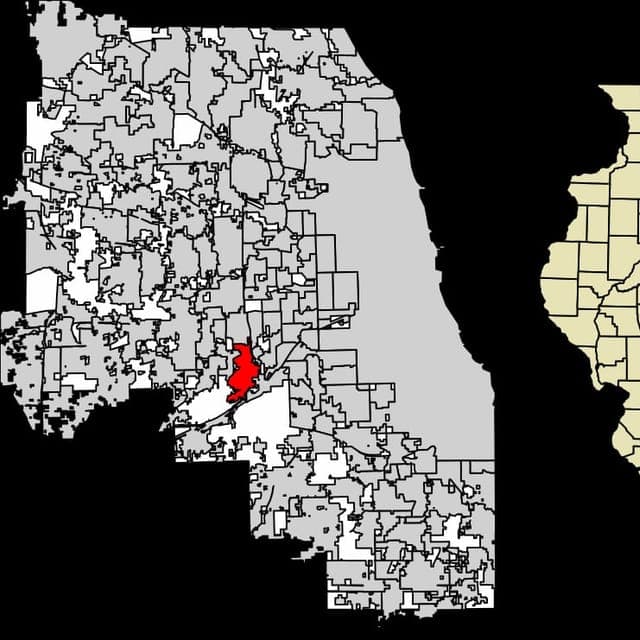
Similar towns to East Peoria


* Values derived from national, state, county, city and local statistics and may differ in a specific area. Last updated: 2026-10-11T13:01:13.000Z
Narrative content on this page is AI-generated and may contain mistakes. Verify any details that matter before acting on them.
ReloMaps may earn a commission from affiliate links at no extra cost to you.

