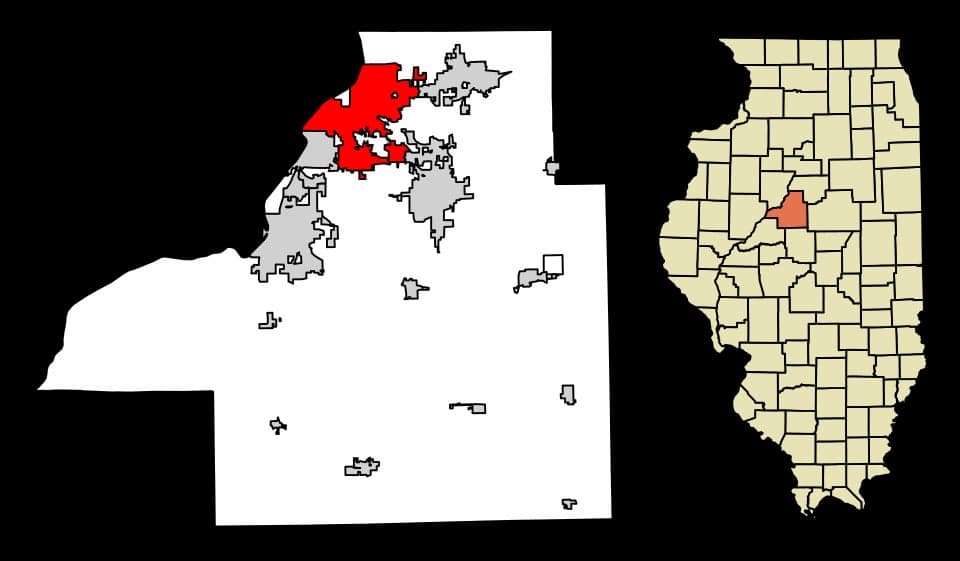
Photo: Wikipedia
Quality of Life in East Peoria, IL
A high quality of life with strong walkability, manageable living costs, healthy neighborhood signals, and solid amenity access.
What does Quality of Life tell us?
Quality of Life blends cost of living, nearby amenities, socioeconomic signals, and neighborhood character. City-level scores represent the whole municipality; individual neighborhoods can differ.
What does this tell us?
Quality of Life blends cost of living, nearby amenities, socioeconomic signals, and neighborhood character. City-level scores represent the whole municipality; individual neighborhoods can differ.
Cost of Living
31% below national average
The Real Cost of Living in East Peoria, IL for 2026
| Tier | Individual | Family (4) |
|---|---|---|
| Survival | $14k | $27k |
| Comfortable | $31k | $46k |
| Luxury | $110k+ | $171k+ |
| Elite (Top 5%) | $129k+ | $201k+ |
156%
The Area Signal
A metric tracking the socioeconomic signals of the area.
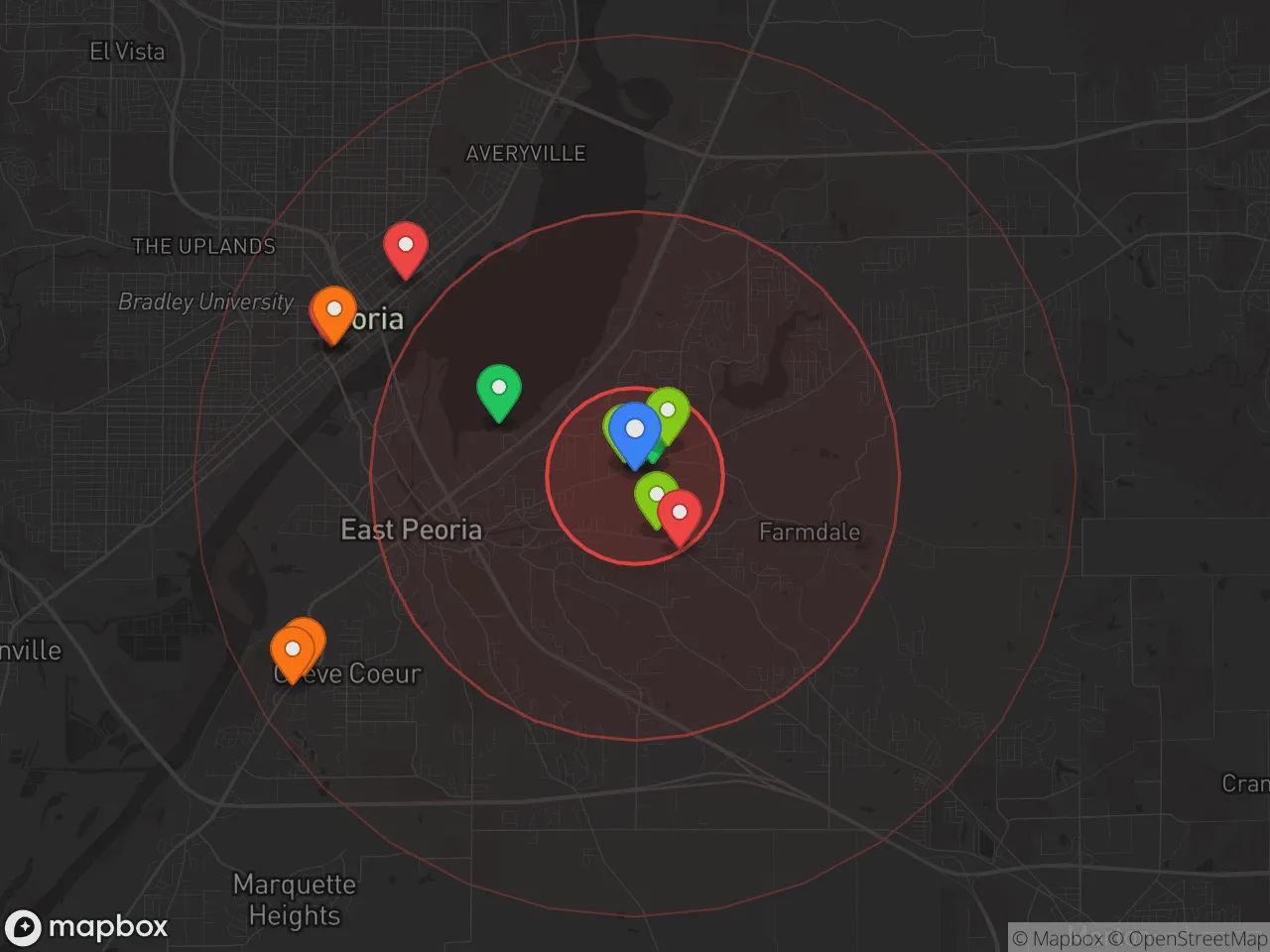
Hobbies
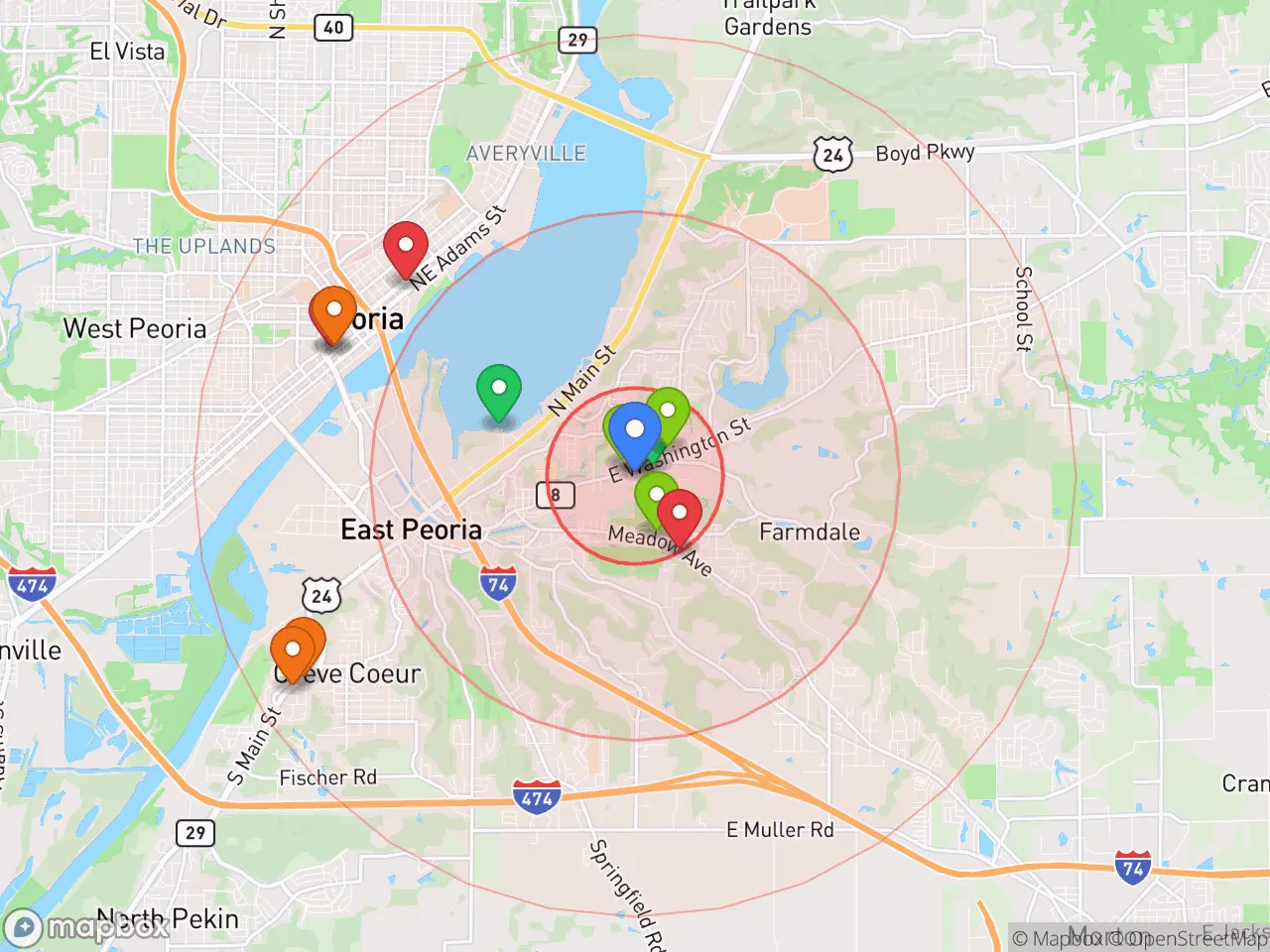
Explore the areaGroceries
0 within 10 miles
Gas
0 within 10 miles
Hospital
0 within 20 miles
Airport
MDW — Midway International
Post Office
Critical Amenities
Quality-of-Life Analysis
East Peoria, Illinois, offers a quality of life defined by strong affordability and a stable, family-oriented atmosphere, with a cost of living index of 69—31% below the national average. The area attracts a mix of long-term residents employed in manufacturing, logistics, and healthcare, as well as commuters who work in nearby Peoria but prefer the quieter, more suburban feel of the east side of the Illinois River. Median household incomes here align closely with state averages, supporting a solid middle-class lifestyle without the financial strain found in larger metro areas.
Cost of living, housing affordability, and how it compares to nearby areas
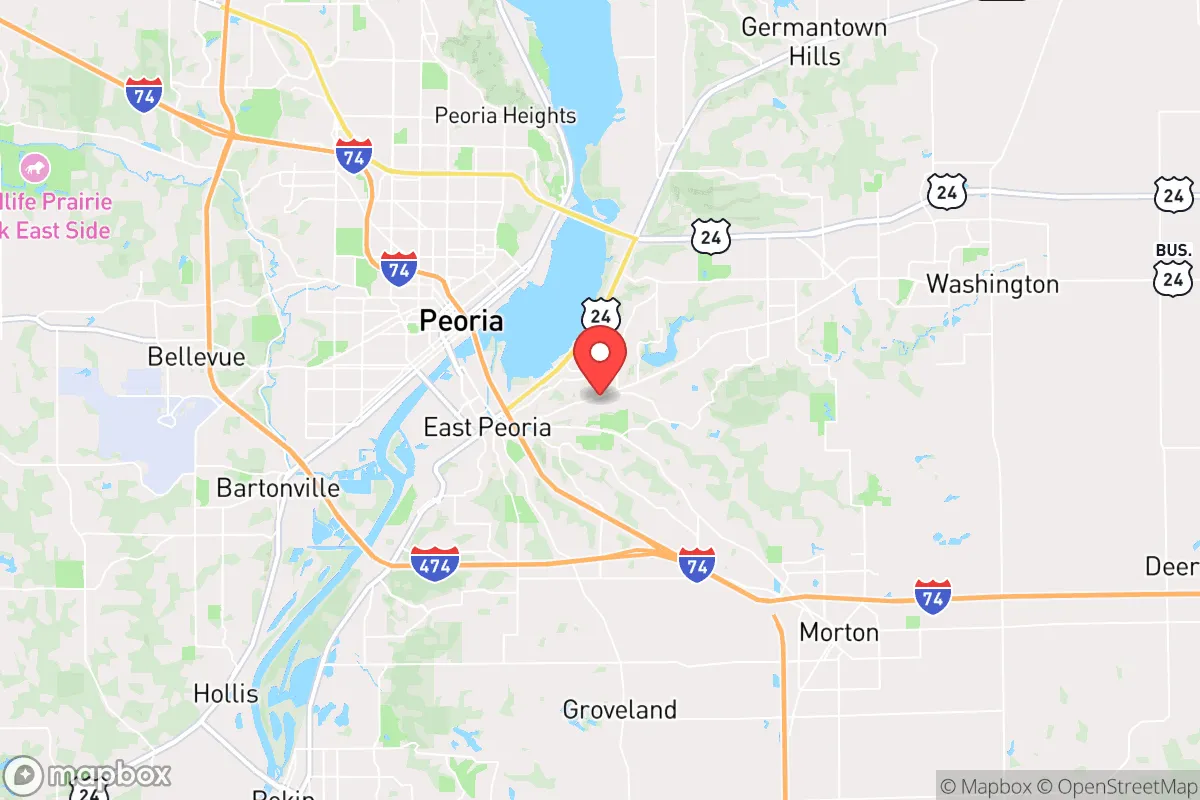
East Peoria’s cost of living is significantly lower than the national benchmark, and housing is the primary driver of that advantage. The median home value sits at $160,800, roughly half the U.S. median, while the median rent is $894 per month—well below what renters pay in Peoria Heights or Dunlap. Compared to the city of Peoria directly across the river, East Peoria offers slightly newer housing stock and more single-family homes in established subdivisions, often at comparable or slightly lower prices per square foot. The average commute of just over 20 minutes is shorter than the national average, making daily travel to employers like Caterpillar’s headquarters or OSF Healthcare in Peoria manageable and predictable. Property taxes in Tazewell County are moderate for Illinois, though still higher than the national norm, which buyers should factor into monthly costs.
What daily life is like for families: schools, shopping, and recreation
Daily life in East Peoria centers on convenience and access to outdoor recreation along the Illinois River. The East Peoria Community High School and several elementary schools serve the area, with graduation rates above 90% and a range of extracurricular programs. The Levee District provides a concentrated hub of retail, dining, and entertainment, including a movie theater and seasonal events, reducing the need to cross the river for errands or nights out. For outdoor activity, the River Trail of Illinois runs through town, offering paved paths for biking and walking, while nearby Farmdale Reservoir and Jubilee College State Park provide hiking, fishing, and camping within a 15-minute drive. The city’s layout is car-dependent, but traffic is light compared to Peoria, and most daily needs—groceries, pharmacies, and big-box stores—are within a five-minute drive of most neighborhoods.
East Peoria is best suited for families, retirees, and workers in manufacturing or healthcare who prioritize low housing costs and a quiet, safe environment over urban nightlife or walkability. The city lacks the dining diversity and cultural density of downtown Peoria, but compensates with lower crime rates, good schools, and a strong sense of community in its older neighborhoods. For anyone seeking a stable, affordable base within easy reach of a mid-sized city’s jobs and amenities, East Peoria delivers a practical and comfortable quality of life.

Crime in East Peoria, IL
Generally safer than 65% of comparable U.S. locations.
Violent CrimeViolent Crime Analysis
Property CrimeProperty Crime Analysis
Crime Analysis
East Peoria, Illinois, reports a violent crime rate of 292 per 100,000 residents and a property crime rate of 2,723.4 per 100,000, placing it in a moderate-risk category for a suburban community adjacent to a mid-sized metropolitan area. These figures suggest that while the city is not among the most dangerous in the state, residents face elevated risks compared to the safest small towns, particularly in property-related offenses. The broader Peoria metropolitan context, including local prosecutorial and judicial philosophies, plays a significant role in shaping public safety outcomes.
Crime in context
East Peoria’s violent crime rate of 292 per 100,000 is roughly 20% below the national average of about 370 per 100,000, but it remains notably higher than the Illinois statewide average for smaller suburban communities. Property crime, at 2,723.4 per 100,000, exceeds the national average of approximately 1,950 per 100,000, indicating that theft, burglary, and vehicle-related offenses are a more pressing concern than violent incidents. The city benefits from its position outside Peoria’s urban core, but it is still subject to spillover crime from the larger metro area. Readers should note that the Peoria region operates under a judicial system influenced by progressive prosecutorial policies, which critics argue prioritize offender rehabilitation over strict enforcement, potentially contributing to recidivism and a higher tolerance for property crime.
What residents experience
Daily life in East Peoria involves a tangible awareness of property crime, with residents reporting frequent package thefts, vehicle break-ins, and occasional burglaries in residential neighborhoods. The violent crime rate, while lower than the national figure, still translates to roughly 3 violent incidents per 1,000 residents annually, meaning most people will not directly experience an assault, robbery, or homicide, but the risk is not negligible. The presence of liberal-leaning district attorneys in the broader Peoria area has been associated with lighter sentencing for repeat offenders and a greater emphasis on diversion programs, which some residents believe undermines deterrence. This ideological approach can lead to a perception that the justice system is more sympathetic to criminals than to victims, a concern that is especially acute for families and elderly residents who feel vulnerable to property crimes that are treated as low-priority offenses.
Neighborhood-level variation
Safety in East Peoria is not uniform across the city. Areas near the Levee District and along the Illinois Riverfront tend to have lower crime rates, benefiting from higher property values, better lighting, and more active commercial surveillance. In contrast, neighborhoods closer to the Interstate 74 corridor and the border with Peoria itself experience higher rates of property crime and occasional violent incidents, as these areas see more transient traffic and proximity to higher-crime zones in the urban core. The Fondulac Township section, which includes older housing stock and some multi-family units, reports more frequent burglaries and vehicle thefts. Prospective residents should examine block-level crime maps and consider that the progressive judicial environment in Tazewell County, while less extreme than in Cook County, still influences how offenses are prosecuted and sentenced, potentially affecting long-term safety trends in the city’s more vulnerable pockets.
* Values derived from national, state, county, city and local statistics and may differ in a specific area. Last updated: 2026-10-11T13:01:13.000Z
Narrative content on this page is AI-generated and may contain mistakes. Verify any details that matter before acting on them.
ReloMaps may earn a commission from affiliate links at no extra cost to you.

