Photo: Wikipedia
Find The Best Places To Live in Tazewell County
PRO TIP! You can paste a Zillow or Redfin link to get info on that property.
Best Places to Live in Tazewell County
Cities & Towns in Tazewell County
Cities in Tazewell County
What It's Like Living in Tazewell County, IL
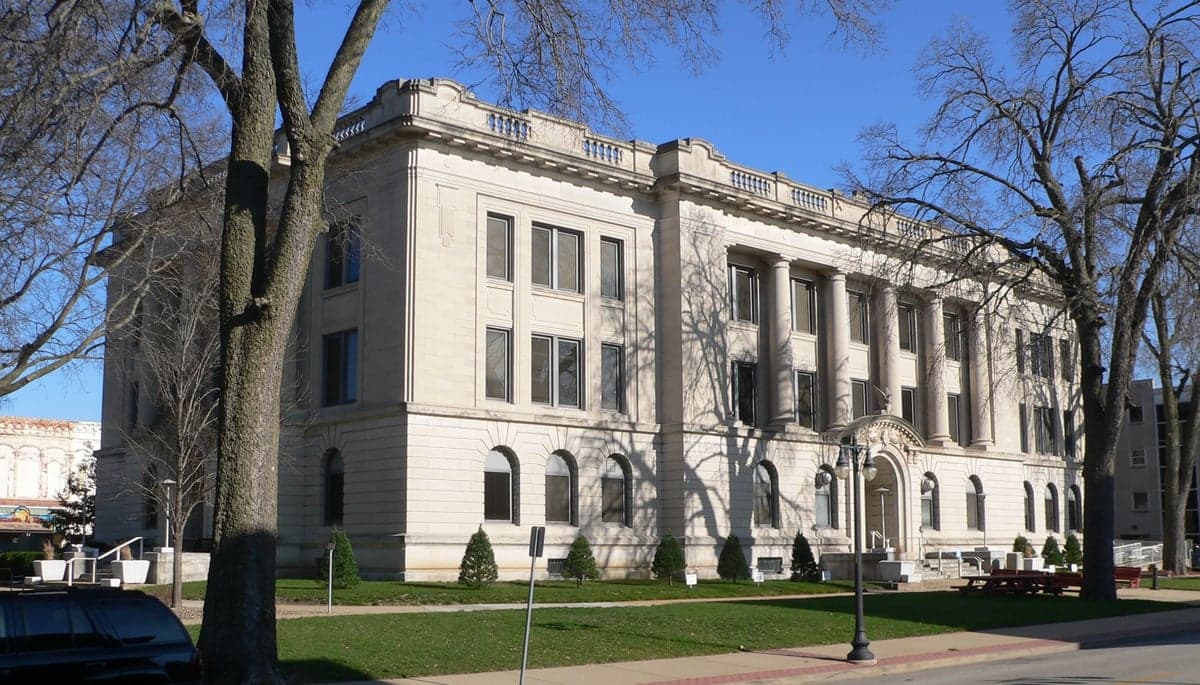
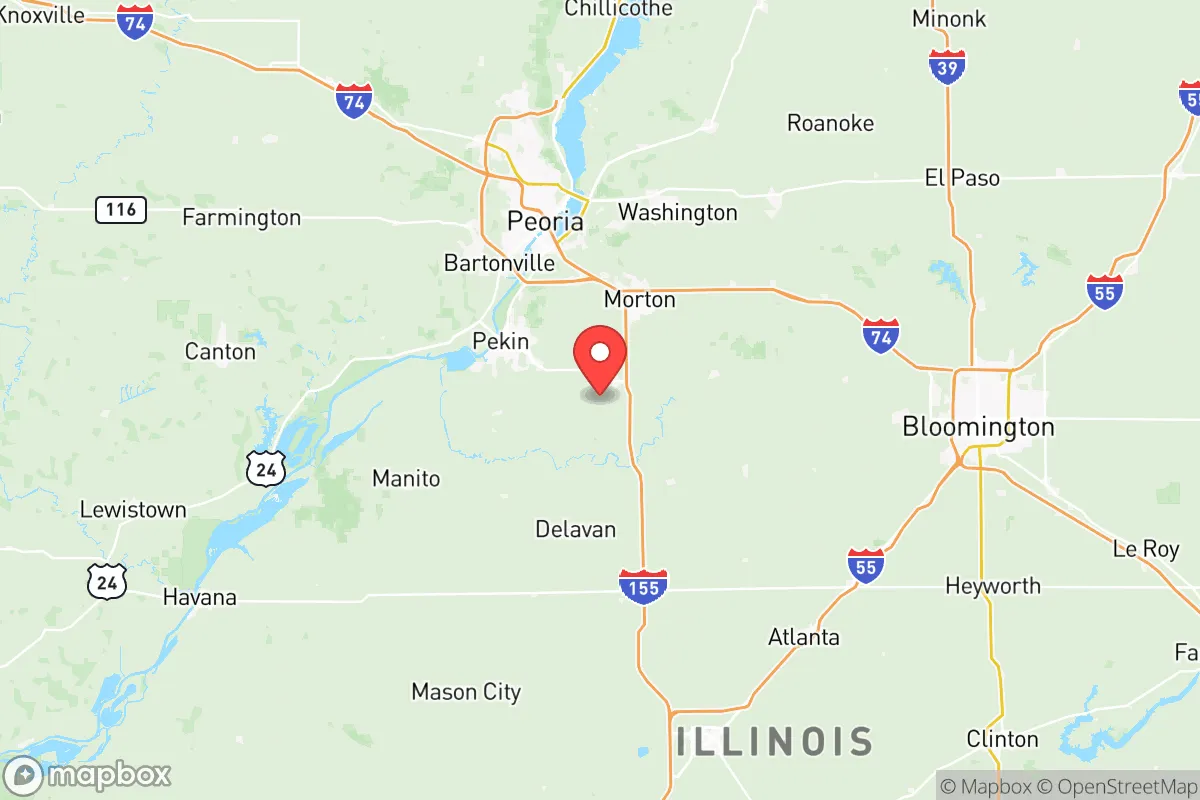
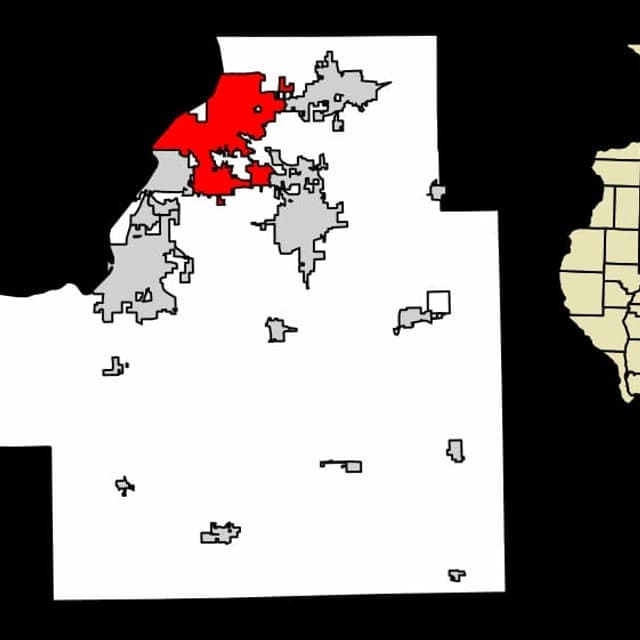
Tazewell County is the kind of place where people wave from their tractors on a Tuesday afternoon and then cheer their hearts out at a high school football game on Friday night. Sitting right on the Illinois River across from Peoria, it's a county of working-class roots, tight-knit communities, and a pace of life that feels deliberately unhurried. With a population of 130,555 spread across cities like Pekin, Morton, Washington, East Peoria, and a scattering of smaller towns like Tremont, Minier, and Hopedale, it offers a distinctly Midwestern blend of small-town familiarity and access to a metro area's amenities.
Daily Rhythm: Where People Actually Spend Their Time
Life in Tazewell County revolves around a few reliable anchors: work, family, church, and the river. The average commute here is just under 21 minutes, which means people genuinely go home for lunch if they want to, and the idea of sitting in traffic for an hour is something residents hear about on the news, not something they experience. The median household income sits at $76,704, and with a cost of living index of 70 (well below the national average of 100), that money goes noticeably further than it would in Chicago or even Bloomington-Normal.
Pekin is the county seat and its largest city, a river town with a working-class soul. On any given Saturday, you'll find folks at the Pekin Riverfront Market, or grabbing a cold one at a local spot like the Ice House. Morton, on the other hand, is the county's most prosperous suburb — it's the self-proclaimed "Pumpkin Capital of the World" (the Libby's pumpkin plant is a massive local employer), and its tree-lined streets and strong schools make it a magnet for families. Washington, just to the north, is a classic Midwestern bedroom community that has rebuilt impressively since the devastating 2013 tornado, and its downtown coffee shops and diners give it a quiet, neighborly charm. East Peoria, hugging the river across from Peoria proper, is the county's retail and entertainment hub, anchored by the Levee District with its chain restaurants, hotels, and the Par-A-Dice Casino.
For the kind of person who fits in here, that mix is the appeal. You can live on a few acres outside of Tremont or Hopedale, raise chickens, and still be 15 minutes from a Target. The median age is 41.7, which tells you this isn't a county of young renters — it's a place where people settle down, buy a house, and stay. About 28.4% of adults hold a college degree, which is below the national average; this is a county of tradespeople, nurses, teachers, and factory workers, and there's a quiet pride in that.
Sports, Community, and the Glue That Holds It Together
If you want to understand Tazewell County, start with its high school sports. Friday nights in the fall belong to the Pekin Dragons, the Morton Potters, and the Washington Panthers, and the stands are packed with parents, grandparents, and former players who never really left. The Morton Potters' nickname is a nod to the town's historic pottery industry, and the rivalry between Morton and Washington is the kind of thing that gets talked about at the grocery store all week. The Illinois River also shapes the county's identity — fishing, boating, and jet skiing are summer staples, and the riverfront parks in Pekin and East Peoria are where families go to grill out and watch the barges roll by.
Beyond sports, the county's calendar is built around community festivals. Morton's Pumpkin Festival in September draws tens of thousands of visitors, with the world's largest pumpkin pie as its centerpiece. Pekin's Marigold Festival in August is another local institution, a low-key celebration of the city's flower heritage with carnival rides, live music, and a parade. In Washington, the annual Washington Cherry Festival in June brings the town out for a weekend of pie-eating contests and craft booths. For a county of this size, there's also a surprising amount of live music and theater — the Peoria Civic Center is just across the river, and the Five Points Washington community center offers a performing arts series, a fitness center, and a pool that draws families from all over the county.
The Honest Trade-Offs: What Residents Love and What Frustrates Them
Let's be straight about the pros and cons, because there are real ones on both sides. The biggest selling point is affordability: the median home value here is $164,500, which means a solid three-bedroom house in Pekin or Tremont can cost less than a down payment on a starter home in a coastal suburb. That's why so many people priced out of Bloomington-Normal or Peoria's nicer neighborhoods end up here. The trade-off is that the county's economic base is narrower than it used to be. The old industrial jobs at Caterpillar and the riverfront factories have shrunk, and while health care (OSF HealthCare and UnityPoint Health are major employers) and education have picked up some of the slack, the county's population has been roughly flat for two decades.
Another honest frustration is the weather. Winters in Tazewell County are real — January highs hover around freezing, and the wind off the river can make it feel much colder. Snow removal is generally efficient, but residents know that a "light dusting" can turn into a 10-inch event overnight. Summers, by contrast, are hot and humid, with July temperatures frequently hitting the low 90s. The flip side is that the county has four distinct seasons, and the fall — with the pumpkin harvest in Morton and the leaves turning along the river bluffs — is genuinely spectacular.
Crime is a modest concern but not a defining one. The county's violent crime rate is 244.1 per 100,000 residents, which is below the national average, and most of that is concentrated in a few specific areas of Pekin and East Peoria. The smaller towns — Washington, Tremont, Minier, Hopedale — are the kind of places where people still don't lock their doors, and where a lost dog gets found within the hour because everyone knows everyone. That's the real Tazewell County trade-off: you give up the cultural variety and career opportunities of a big city, and in exchange you get a place where your neighbors know your name, your kids can ride their bikes to school, and the cost of living leaves room in the budget for a boat, a camper, or a vacation to somewhere warmer in February.

* Values derived from national, state, county, city and local statistics and may differ in a specific area. Last updated: 2026-10-27T12:21:43.000Z
Narrative content on this page is AI-generated and may contain mistakes. Verify any details that matter before acting on them.
ReloMaps may earn a commission from affiliate links at no extra cost to you.

