
Photo: Wikipedia
Find The Best Places To Live in Peoria County
PRO TIP! You can paste a Zillow or Redfin link to get info on that property.
Best Places to Live in Peoria County
Cities & Towns in Peoria County
Cities in Peoria County
What It's Like Living in Peoria County, IL
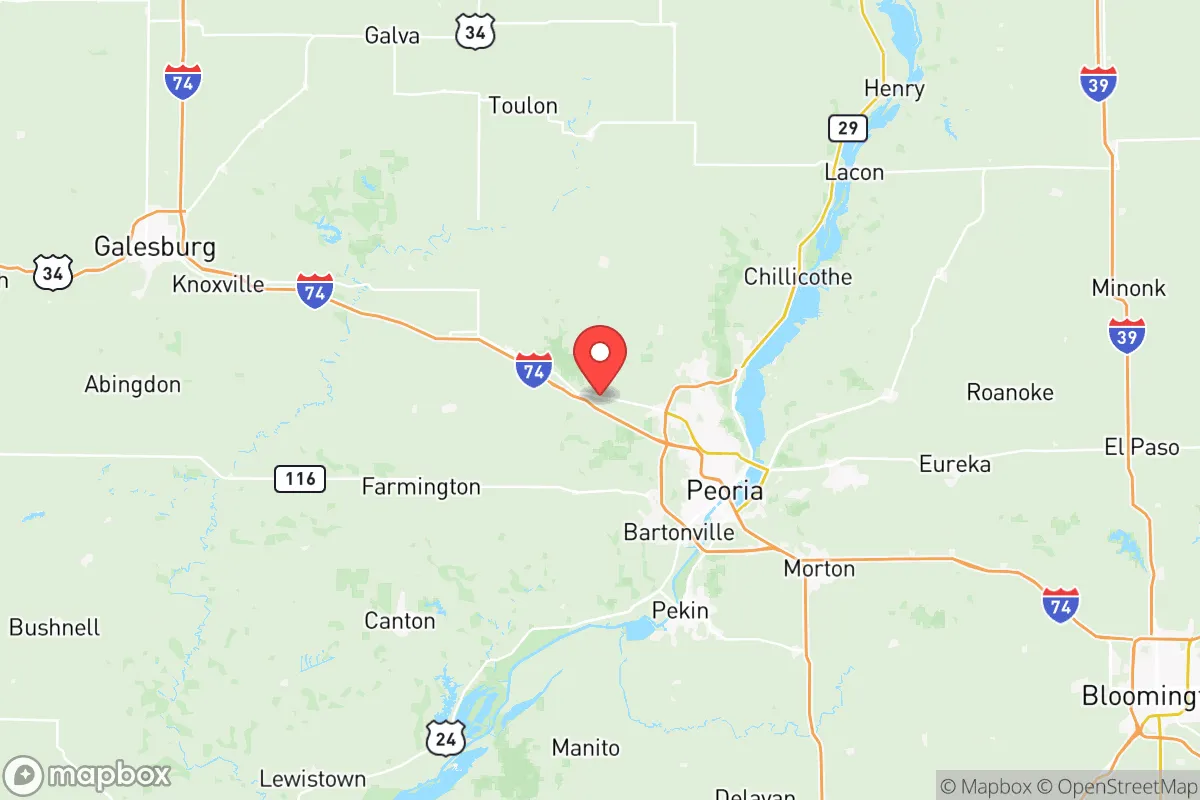
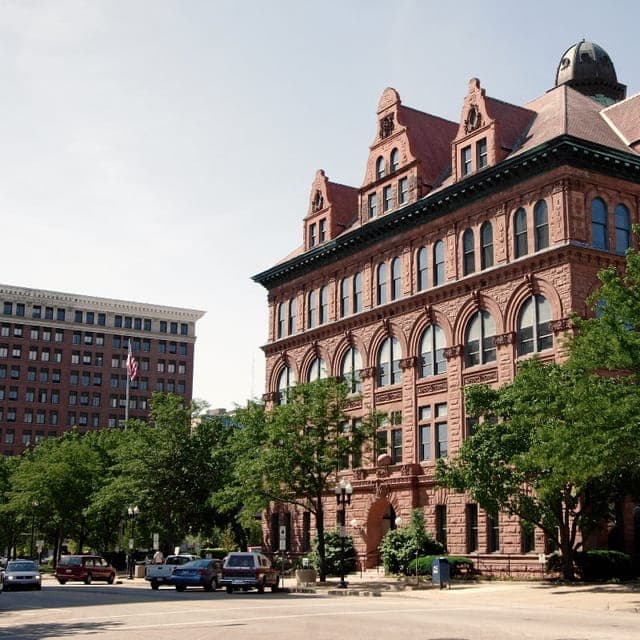
Living in Peoria County means straddling two worlds: the steady hum of a historic river city and the quiet of small towns like Chillicothe, Dunlap, or Elmwood. It’s a place where the Illinois River bends through the landscape, where Caterpillar’s global headquarters anchors the economy, and where Friday-night football at Peoria High or Notre Dame still draws a crowd. The county feels like a Midwest time capsule in the best ways—affordable, neighborly, and slower-paced—but it also carries the weight of an older industrial base and the frustrations that come with it.
Daily Rhythm: River City Pace and Small-Town Roots
Most days in Peoria County move at a deliberate, unhurried clip. The average commute clocks in at just under 19 minutes, which means people actually have time for a sit-down breakfast or a stop at a local coffee shop before heading to work. In Peoria itself, you’ll find workers heading to OSF HealthCare, the county’s largest employer, or to the sprawling Caterpillar campus in Mossville. In smaller towns like Dunlap, the morning rush is more about dropping kids at the highly-rated Dunlap schools before a quick drive to an office park or a remote-work setup at home. The median household income sits at $64,938, which goes a long way here—the cost of living index is 30 percent below the national average, so a middle-class salary buys a solid three-bedroom home in places like Bartonville or a newer build in the Dunlap school district.
Weekends often revolve around the river. People launch kayaks at Detweiller Park, fish off the banks near the Peoria Riverfront Museum, or grab a table at a spot like the Blue Duck Barbecue Tavern in the Warehouse District. In the fall, the rhythm shifts to high school sports—Peoria High’s football games are an event, and the annual state basketball tournament at the Peoria Civic Center turns the whole county into a hoops hub for a week. The median age of 38.1 reflects a population that’s settled but not elderly; you see young families pushing strollers along the Riverfront Trail and retirees tending gardens in Elmwood.
Sports, Tradition, and the Things That Bring People Together
Sports are a genuine cultural glue here, and not just at the pro level. The Peoria Chiefs, a Class-A affiliate of the St. Louis Cardinals, pack Dozer Park on summer nights with a crowd that’s equal parts baseball purists and families looking for cheap entertainment. High school basketball is a bigger deal than you might expect—Peoria High and Manual have produced Division-I talent, and the rivalry games draw crowds that rival small-college atmospheres. Outside of sports, the Peoria Riverfront Museum and the Peoria Civic Center host everything from Broadway tours to the annual Heart of Illinois Fair. For a county of 179,831 people, the cultural offerings punch above their weight, largely because the Caterpillar wealth and Bradley University’s presence fund a more robust arts scene than similarly-sized counties.
Festivals mark the seasons. The Peoria Blues & Heritage Festival brings national acts to the riverfront, while the Chillicothe Pumpkin Festival in October is a classic small-town affair with parades and pie contests. In Dunlap, the Fourth of July celebration is the kind of event where neighbors save you a spot on the lawn. These gatherings matter—they’re the social backbone in a county where people still know their mail carrier and the bartender at the local pub remembers your order.
What Works, What Grates, and Who Thrives Here
The pros of Peoria County are straightforward and substantial. Housing is genuinely affordable: the median home value is $152,600, which means a family earning the median income can buy a home without being house-poor. You can live in a historic brick house in Peoria’s West Bluff neighborhood or a newer subdivision in Germantown Hills and still have money left for vacations and savings. The commute is short, the traffic is negligible (rush hour on War Memorial Drive is the closest thing to a jam), and the schools in Dunlap, Morton, and Washington are consistently strong draws for families. The violent crime rate of 243.3 per 100,000 is below the national average, though property crime in central Peoria is a real concern—longtime residents will tell you to lock your car and keep your garage shut.
The cons are equally real. The job market is narrow—Caterpillar and healthcare dominate, and if you’re not in manufacturing, medicine, or education, you may struggle to find a role that matches your skills. The weather is classic Midwest: humid summers, gray winters, and a stretch of January where the river freezes and the wind cuts through you. Young professionals without family ties sometimes find the social scene thin, especially outside Peoria proper. And while the county leans conservative overall—Peoria County itself votes blue in presidential years, but the rural townships and villages like Elmwood and Princeville are deeply red—the political divide is less heated than in suburban Chicago; people tend to get along over a beer at Kelleher’s or a burger at the Spotted Cow regardless of their yard signs.
The kind of person who fits best here is someone who values stability over hustle, who wants a house with a yard and a short drive to work, and who doesn’t need a new restaurant opening every week to feel entertained. It’s a place for families who want good schools without the price tag of the Chicago suburbs, for outdoorsy types who like the river and the nearby wildlife areas, and for anyone who appreciates a community where the high school football coach is a local celebrity and the hardware store clerk knows how to fix your problem. Peoria County isn’t flashy, but it’s solid—and for the right person, that’s exactly the point.

* Values derived from national, state, county, city and local statistics and may differ in a specific area. Last updated: 2026-07-17T15:52:30.000Z
Narrative content on this page is AI-generated and may contain mistakes. Verify any details that matter before acting on them.
ReloMaps may earn a commission from affiliate links at no extra cost to you.

