Photo: Wikipedia
Find The Best Places To Live
in Highland Park
PRO TIP! You can paste a Zillow or Redfin link to get info on that property.
What It's Like Living in Highland Park, MI
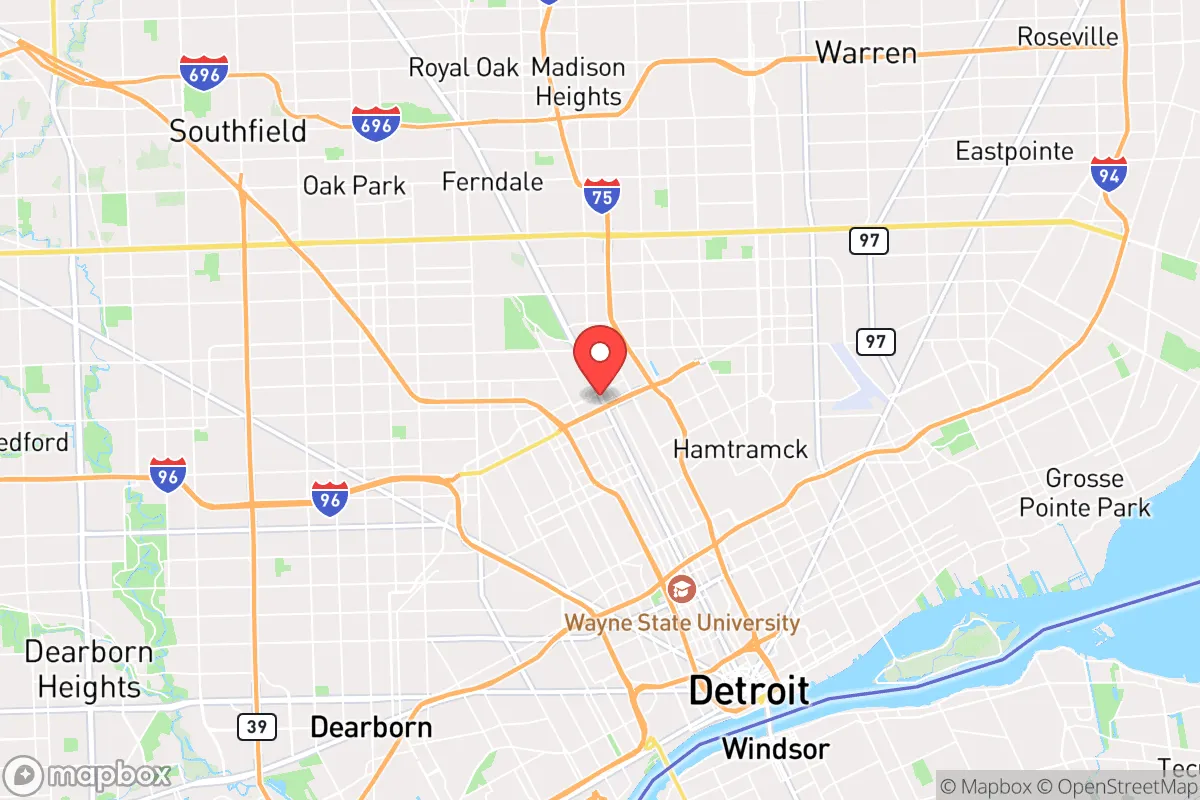
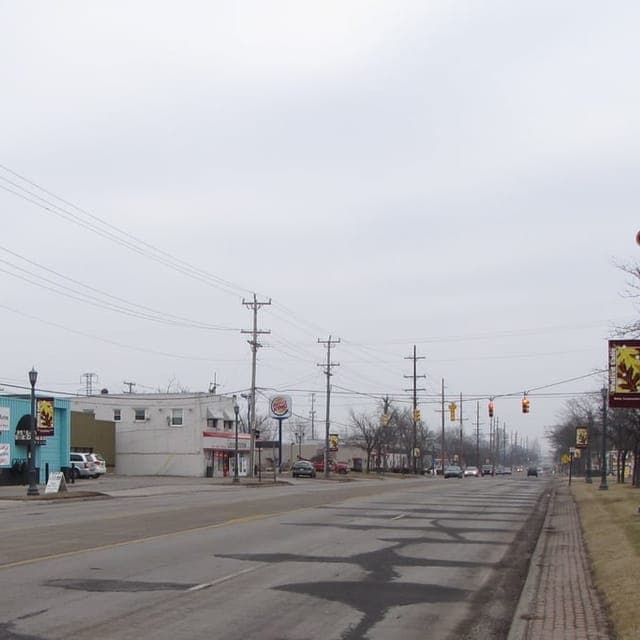
Highland Park feels like a small town that got dropped inside a major city. It’s a tight-knit, historically significant community of just under 8,800 people, entirely surrounded by Detroit, with its own identity, its own school district, and a pace of life that’s noticeably quieter than the big city next door. You won’t find chain stores or a bustling downtown nightlife here; what you’ll find is a place where people know their neighbors, where the legacy of the auto industry is still written into the streets, and where the cost of living is low enough to make homeownership a real possibility for people on modest incomes.
Daily Rhythm: Quiet Streets and a Car-Centric Life
Life in Highland Park moves slowly. The median age is 45.1, which is older than the national average, and that shows in the daily routines. Weekday mornings are quiet, with a noticeable number of retirees and people working from home. The average commute is just under 24 minutes, and for most residents, that means getting in a car and driving to jobs in Detroit, Warren, or the surrounding suburbs. There’s no real walkable commercial core; people drive to nearby Hamtramck or into Detroit for groceries, dining, and errands. The cost of living index sits at 46—less than half the national average—so everyday expenses like rent, utilities, and gas don’t stretch the budget the way they do in most of the country.
Weekends are often spent on home projects, visiting family, or heading to Detroit for entertainment. The median home value is $75,800, which means a mortgage payment can be shockingly low, but it also reflects the reality that many homes need significant work. You’ll see a mix of well-maintained historic houses and vacant lots, a reminder of the population decline that followed the auto industry’s contraction. The kind of person who fits in here is someone who values affordability and space over nightlife and convenience—often a single person or family on a tight budget, or someone who works in the trades or a service job and wants to own a home without a six-figure salary. The median household income is $27,582, so this is not a place for high earners; it’s a place for people who are priced out of Detroit’s trendier neighborhoods but still want to live near the city.
Sports, Community, and the Ford Legacy
Highland Park’s identity is still shaped by its role as the birthplace of the moving assembly line. The old Ford Highland Park Plant, where the Model T was mass-produced, sits as a historic landmark, and the city’s pride in that industrial heritage is real. But when it comes to sports, the focus is on Detroit’s teams. You won’t find a local minor-league team or a big college program here; instead, residents are die-hard Lions, Tigers, Red Wings, and Pistons fans, and game days mean driving to Ford Field or Comerica Park, about 10 minutes away. High school sports at Highland Park High School are a smaller affair—attendance is modest, but the community rallies around the teams, especially during football season. The school itself has faced challenges with enrollment and funding, reflecting the city’s broader economic struggles, but for families who are invested, it’s a point of local pride.
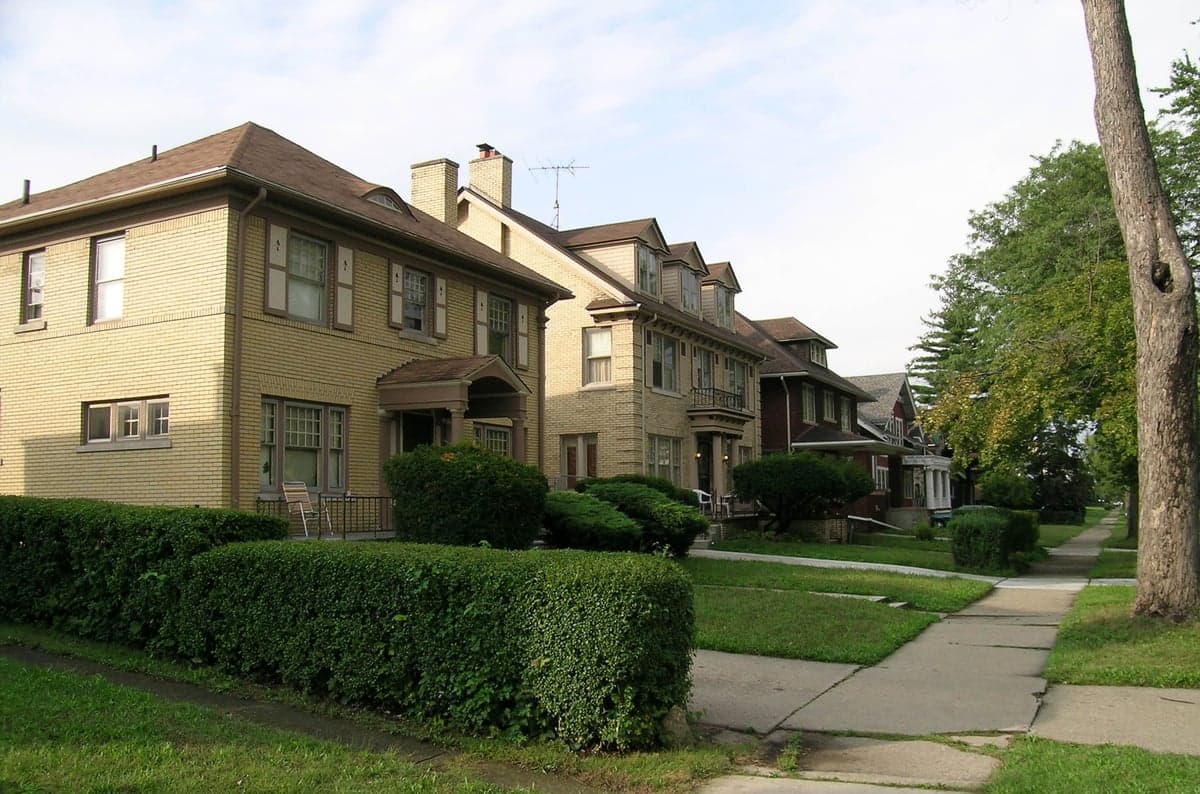
The city’s cultural quirks are tied to its history. There’s a strong sense of resilience here, a “we’re still here” attitude among longtime residents. You’ll see it in the annual Highland Park Heritage Festival, a summer event that draws people from across the area with live music, food vendors, and a community parade. It’s not a big-budget affair, but it’s genuine. The city also has a notable collection of historic architecture, including homes designed by Albert Kahn, and walking or driving through the older neighborhoods feels like stepping into a different era. That said, there’s no major music venue or arts district within the city limits; for that, residents head to Detroit’s Midtown or Hamtramck’s dive bars and live music spots.
Pros and Cons of Living Here
The biggest draw is the cost. A median home value of $75,800 and a cost of living index of 46 mean that a single person earning a modest wage can afford a house. Property taxes are relatively low compared to the surrounding suburbs, and there’s no city income tax. For families, the ability to own a home with a yard—even a small one—is a real advantage. The commute to downtown Detroit is short, and you’re close to everything the city offers without paying Detroit’s higher housing costs.
The downsides are significant and honest. The violent crime rate is 413 per 100,000, which is higher than the national average and a real concern, especially for families with children. Property crime is also an issue, and many residents invest in security systems and keep their cars locked. The school system has struggled with low enrollment and limited resources; only 17.0% of adults hold a college degree, and the schools reflect the economic challenges of the community. For families who prioritize education, private or charter schools in Detroit or the suburbs are often the choice. The lack of local amenities—no major grocery store, few restaurants, limited public transit—means you’ll drive almost everywhere. And the city’s infrastructure shows its age: potholes, streetlight outages, and slow city services are common frustrations.
Weather follows the standard Southeast Michigan pattern: cold, gray winters with significant snow, and humid summers that can feel oppressive. Spring and fall are brief but beautiful. The seasonal rhythm is one of hunkering down in winter and coming alive in summer, when people spend more time outside, gardening, grilling, and attending the few local events. For the right person—someone who values affordability, history, and a quiet pace, and who is realistic about the trade-offs—Highland Park offers a chance to own a piece of a city with a remarkable past, without the price tag of its neighbors.

Similar small towns to Highland Park
* Values derived from national, state, county, city and local statistics and may differ in a specific area. Last updated: 2026-10-07T06:17:31.000Z
Narrative content on this page is AI-generated and may contain mistakes. Verify any details that matter before acting on them.
ReloMaps may earn a commission from affiliate links at no extra cost to you.

