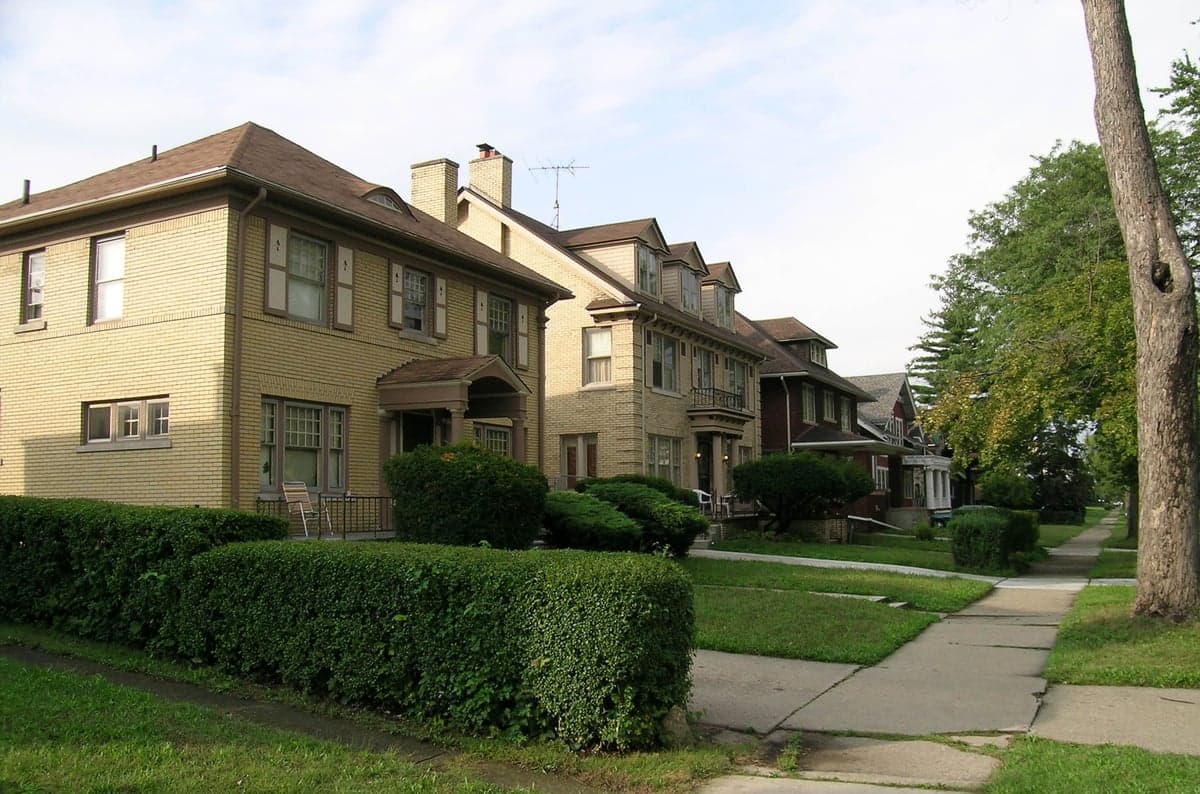
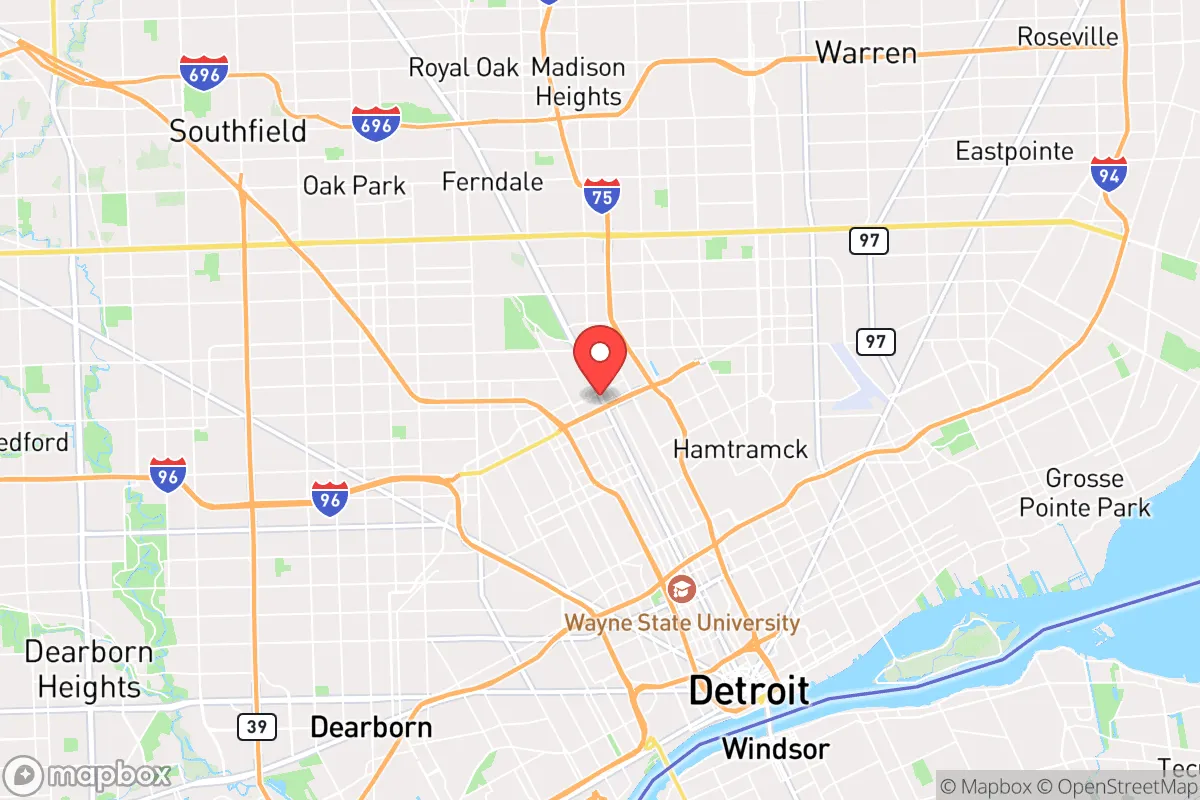
Photo: Wikipedia
Quality of Life in Highland Park, MI
Above-average quality of iife. The area offers a reasonable cost of living, decent mobility, and a mix of neighborhood amenities.
What does Quality of Life tell us?
Quality of Life blends cost of living, nearby amenities, socioeconomic signals, and neighborhood character. City-level scores represent the whole municipality; individual neighborhoods can differ.
What does this tell us?
Quality of Life blends cost of living, nearby amenities, socioeconomic signals, and neighborhood character. City-level scores represent the whole municipality; individual neighborhoods can differ.
Cost of Living
54% below national average
The Real Cost of Living in Highland Park, MI for 2026
| Tier | Individual | Family (4) |
|---|---|---|
| Survival | $11k | $21k |
| Comfortable | $20k | $29k |
| Luxury | $50k+ | $77k+ |
| Elite (Top 5%) | $108k+ | $168k+ |
95%
The Area Signal
A metric tracking the socioeconomic signals of the area.
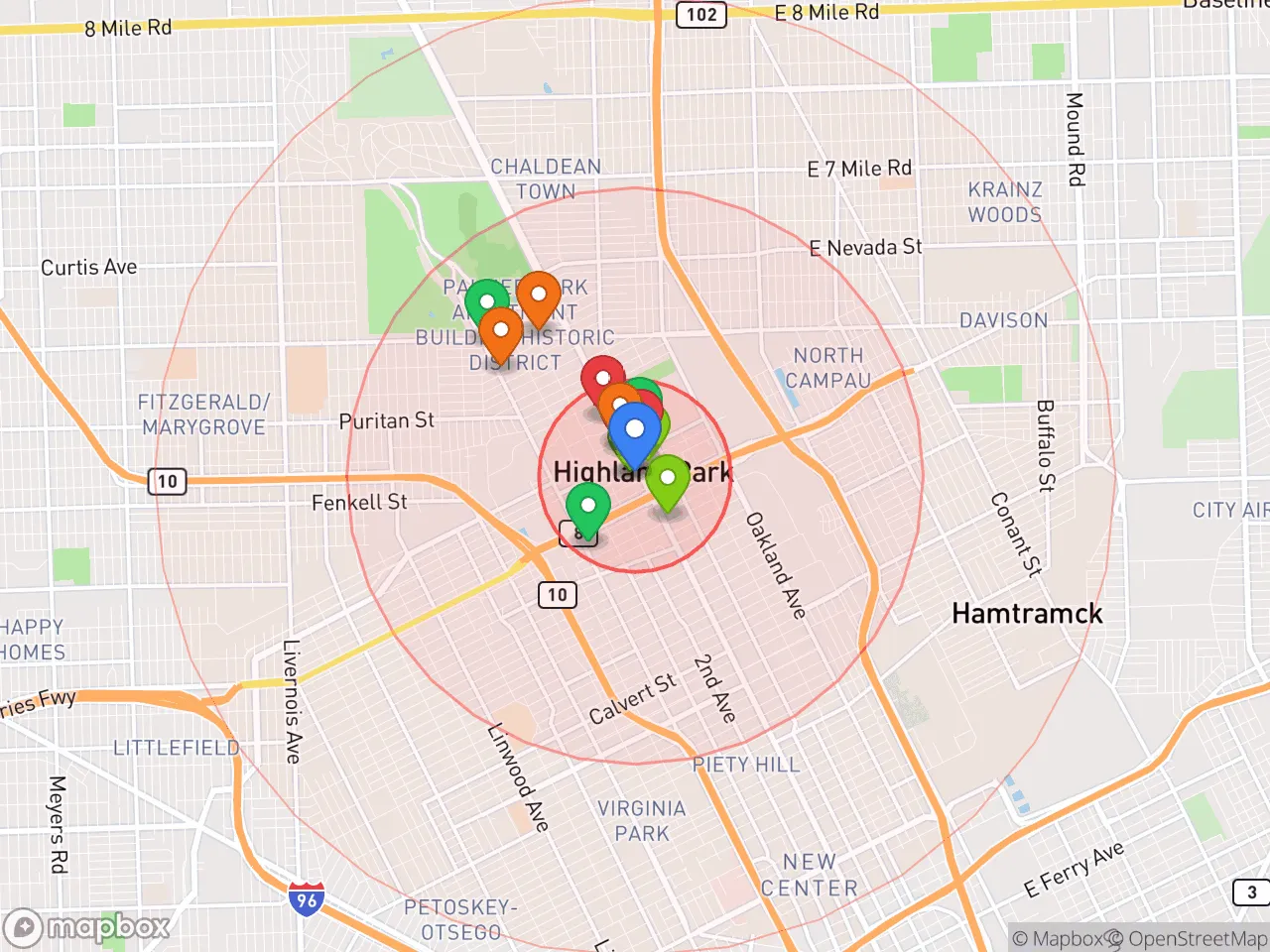
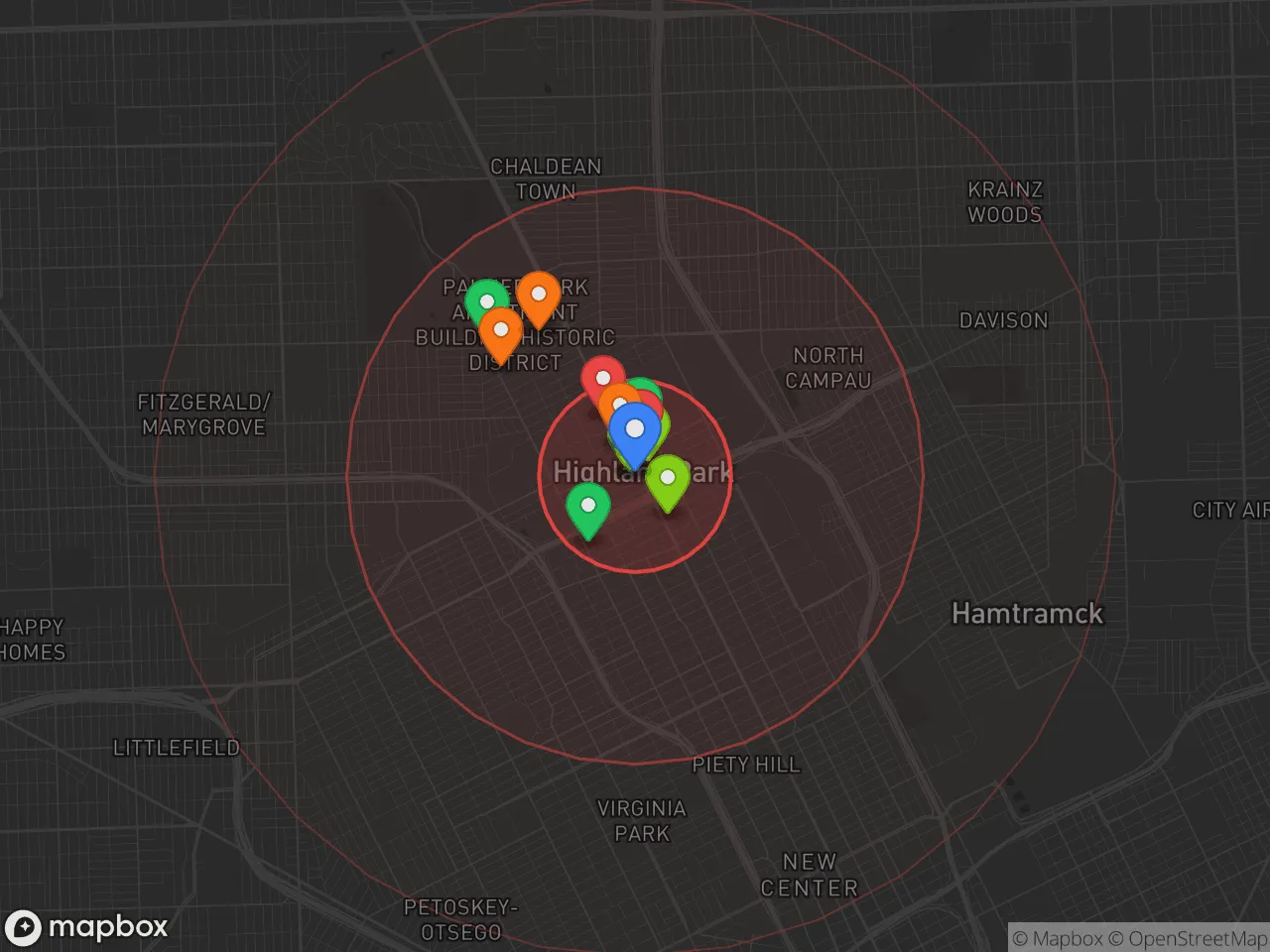
Hobbies
Explore the areaGroceries
6 within 10 miles
Gas
20 within 10 miles
Hospital
20 within 20 miles
Airport
DTW — Detroit Metropolitan Wayne County
Post Office
USPS — Highland Park, MI
Critical Amenities
Quality-of-Life Analysis
Highland Park, Michigan, presents a unique quality-of-life profile defined by deep affordability and urban convenience, contrasting sharply with the affluence of its immediate neighbors. The city is home to a predominantly working-class and middle-income population, with a median household income well below state averages, and a significant portion of residents are long-term homeowners. While the city faces economic challenges, its low cost of living and proximity to Detroit’s job centers attract those seeking an accessible entry point into the metro area.
Cost of living, housing, and affordability compared to Detroit and the suburbs
Highland Park’s cost of living is exceptionally low, with a composite index of 46—meaning it is 54% cheaper than the national average. The median home value sits at $75,800, a fraction of the $200,000+ median in nearby suburbs like Royal Oak or Ferndale. Rents are similarly modest, with a median of $691 per month, roughly half the metro Detroit average. This affordability allows residents to allocate far less of their income to housing than in surrounding communities, though it also reflects the city’s limited housing stock and lower demand. The average commute of 23.96 minutes is slightly shorter than the national average, aided by direct access to I-75 and the Davison Freeway, making downtown Detroit reachable in under 15 minutes. However, property taxes remain a consideration: Highland Park’s millage rates are higher than many outlying suburbs, partially offsetting the low purchase price for homeowners.
Amenities, schools, and what daily life is like for families
Daily life in Highland Park is shaped by its small-town feel within a major urban area. The city’s public schools are part of the Highland Park Schools district, which has struggled with enrollment and funding; many families opt for charter schools or Detroit Public Schools Community District options. For amenities, residents rely heavily on nearby Detroit for grocery stores, healthcare, and entertainment—the nearest full-service supermarket is roughly 3 miles away in Detroit’s New Center area. Parks like Danaher Park and Ford Field Park provide green space, but the city lacks the retail density of its neighbors. The historic Highland Park Ford Plant site remains a landmark, though it is not a commercial destination. Daily rhythm is car-dependent, with limited bus service via DDOT routes; walkability is low outside the central commercial corridor along Woodward Avenue. For families, the trade-off is clear: lower housing costs versus fewer on-site services and school options.
Highland Park is best suited for budget-conscious buyers, investors, or renters who prioritize low housing costs and a short commute to Detroit over suburban amenities and school quality. It is less ideal for families seeking top-rated public schools or those wanting walkable retail and dining. The city’s affordability is genuine, but it comes with trade-offs in services and property appreciation that potential residents should weigh carefully against their lifestyle priorities.

Crime in Highland Park, MI
Crime rates similar to the national median for U.S. locations.
Violent CrimeViolent Crime Analysis
Property CrimeProperty Crime Analysis
Crime Analysis
Highland Park, Michigan, presents a challenging safety landscape for prospective residents, with crime rates that significantly exceed both state and national averages. The city recorded a violent crime rate of 413 incidents per 100,000 residents and a property crime rate of 1,246.5 per 100,000, placing it in a higher-risk category compared to many surrounding communities. These figures reflect a community grappling with the broader public safety issues common to older industrial suburbs near Detroit, where systemic economic pressures and justice system policies intersect.
Crime in context
Highland Park's violent crime rate of 413 per 100,000 is roughly 2.5 times the national average of approximately 170 per 100,000, and its property crime rate of 1,246.5 per 100,000 is about 1.5 times the national average of roughly 800 per 100,000. Compared to Michigan's statewide rates—which typically hover around 200 violent crimes and 1,000 property crimes per 100,000—Highland Park is elevated on both counts. The city's proximity to Detroit, combined with its status as a small, economically distressed enclave, means it is often affected by regional crime patterns. A significant contributing factor is the progressive criminal justice philosophy prevalent in Wayne County, where district attorneys and judges frequently prioritize rehabilitation and diversion over incarceration. While intended to reduce recidivism, this approach has been criticized for placing more criminals back on the street sooner, undermining deterrence and leaving victims with a diminished sense of justice.
What residents experience
For those living in Highland Park, the daily reality involves a heightened vigilance against both violent and property offenses. Violent crime, including aggravated assault, robbery, and homicide, occurs at a frequency that makes it a tangible concern for residents, particularly in the evening and overnight hours. Property crime—encompassing burglary, larceny, and motor vehicle theft—is even more pervasive, with residents reporting break-ins and car thefts as common occurrences. The city's limited police resources, a consequence of its small tax base and history of municipal financial distress, mean response times can be slower than in wealthier suburbs. This combination of high crime rates and constrained law enforcement capacity creates an environment where personal security measures—such as security cameras, alarm systems, and neighborhood watch participation—are considered essential by many households.
Neighborhood-level variation
Crime in Highland Park is not uniformly distributed, with some areas experiencing significantly higher incident rates than others. The southern and central portions of the city, particularly along the Woodward Avenue corridor and near the border with Detroit, tend to report more violent offenses. In contrast, the northern sections, closer to Palmer Park and the border with Ferndale, generally see lower crime volumes, though property crime remains a concern citywide. Prospective residents should research block-level data through the Highland Park Police Department or local crime mapping tools, as a single street can differ markedly from its neighbors. The city's small geographic size—roughly 3 square miles—means that safety conditions can shift quickly, and no area is entirely insulated from the broader crime trends driven by the region's progressive justice policies.
* Values derived from national, state, county, city and local statistics and may differ in a specific area. Last updated: 2026-10-07T06:17:31.000Z
Narrative content on this page is AI-generated and may contain mistakes. Verify any details that matter before acting on them.
ReloMaps may earn a commission from affiliate links at no extra cost to you.

