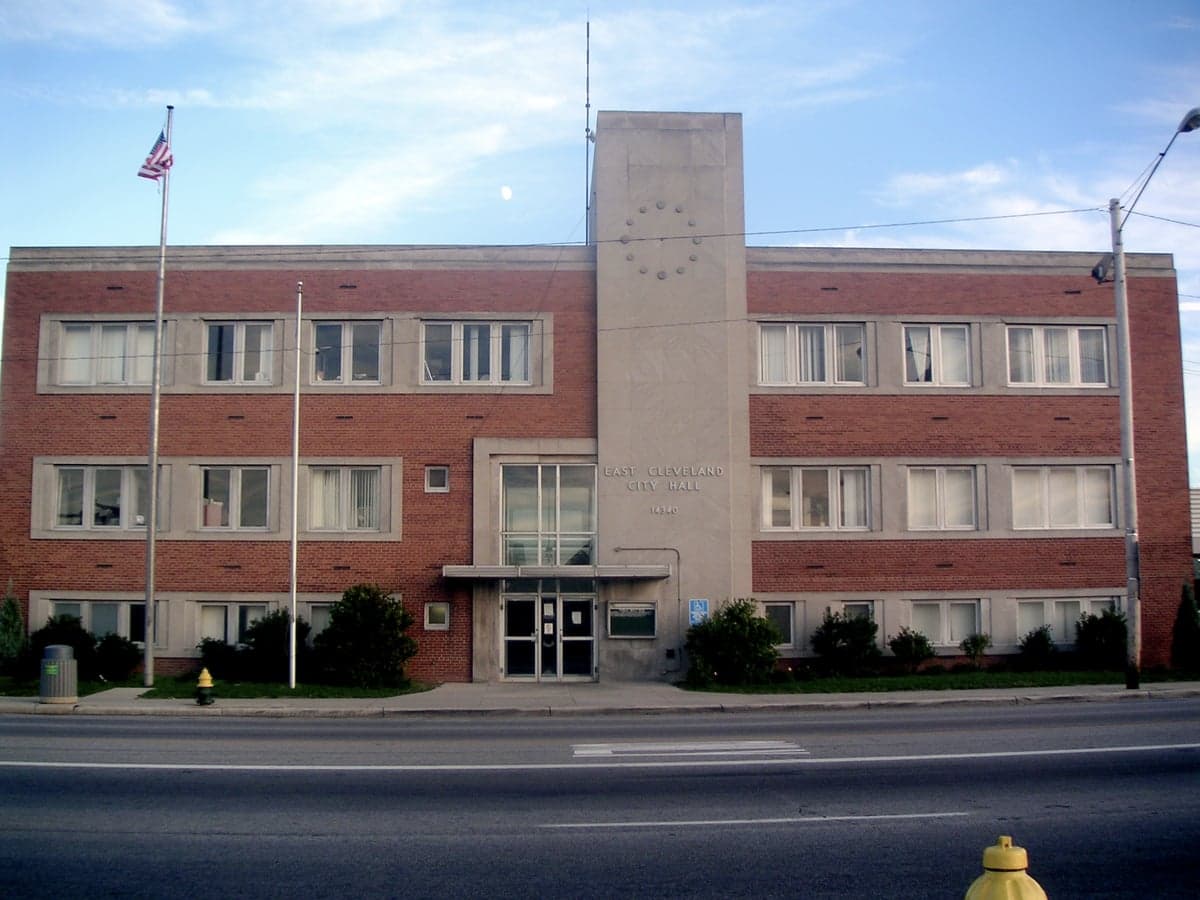
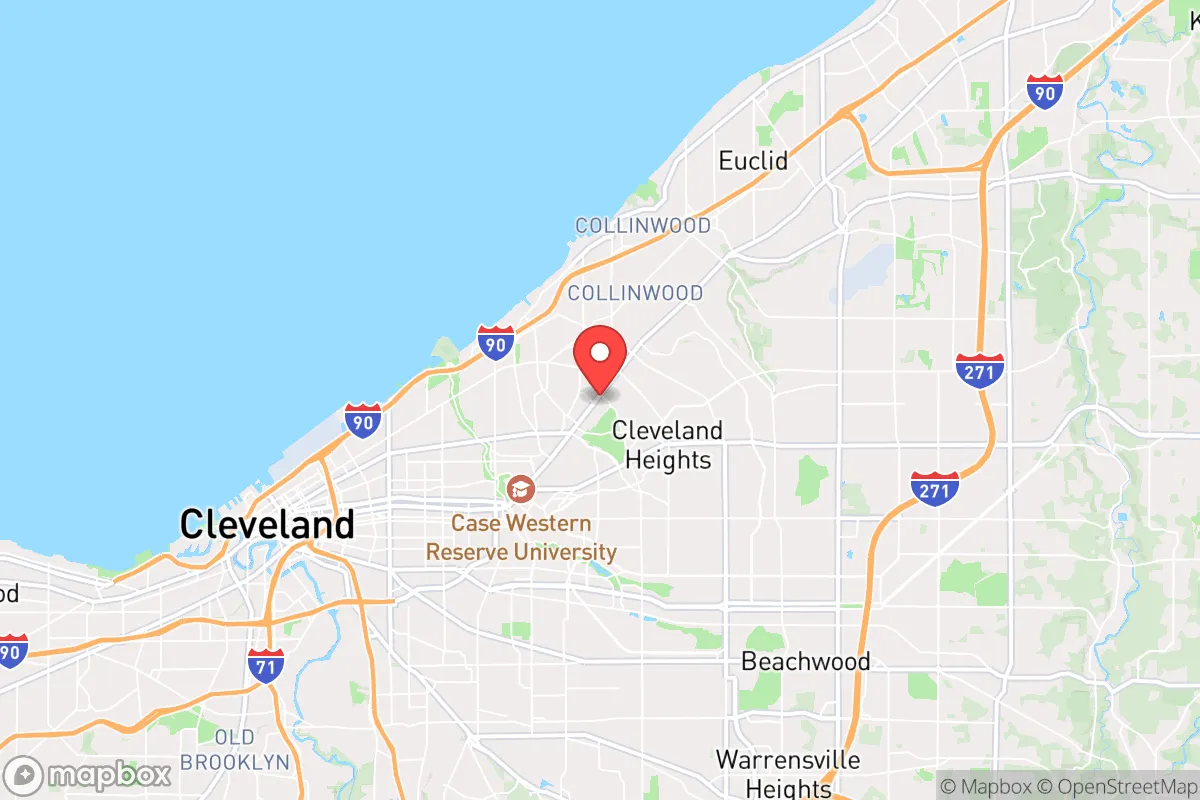
Photo: Wikipedia
Find The Best Places To Live
in East Cleveland
PRO TIP! You can paste a Zillow or Redfin link to get info on that property.
What It's Like Living in East Cleveland, OH
East Cleveland is a place that feels both deeply rooted and quietly resilient, a small city of roughly 13,600 people that sits just east of downtown Cleveland but operates on its own rhythm. It’s a community where the past is visible in the aging brick homes and wide streets, and where the present is shaped by a tight-knit, often overlooked population that values affordability and familiarity over flash. If you’re considering a move here, you’re likely looking for a low-cost entry point into the Greater Cleveland area—but you’ll also need to be honest about the trade-offs that come with it.
Daily Rhythm: What Life Actually Looks Like
Life in East Cleveland moves at a slower, more local pace than its suburban neighbors. Most residents commute out for work—the average commute clocks in at about 24 minutes, which is manageable and typical for the region. The median household income sits at $22,883, so the majority of households are either working-class or on fixed incomes. You won’t find a bustling downtown strip of boutique shops or trendy coffee houses; instead, daily errands happen at corner stores, the Save-A-Lot on Euclid Avenue, or by driving a few miles west into Cleveland proper or east into Cleveland Heights for bigger grocery runs. Weekends often involve cookouts in backyards, church gatherings, or trips to nearby parks like Shawnee Hills Park or the Cleveland Metroparks’ Euclid Creek Reservation, which is a short drive north.
The kind of person who fits in here is someone who values low overhead and doesn’t mind a quieter, grittier urban environment. With a median home value of $68,900 and a cost-of-living index of 49—roughly half the national average—homeownership is attainable for people who might be priced out of other parts of Cuyahoga County. That said, the population skews older (median age 39.1) and only about 15.8% of adults hold a college degree, so the community is less about young professionals and more about families, retirees, and people who have deep generational ties to the area.
Sports, Community, and What People Actually Do
Sports culture here is less about pro teams and more about high school pride and regional loyalty. Shaw High School (part of the East Cleveland City School District) is the local anchor—Friday night football games in the fall draw a loyal crowd, and the Cardinals’ basketball games are a genuine social event. For pro sports, residents are die-hard Cleveland fans: Browns, Guardians, and Cavaliers gear is common, and game-day traffic on I-90 heading downtown is part of the weekly rhythm. There’s no major music venue or festival within East Cleveland’s borders, but the city is a 10-minute drive from Playhouse Square and the Rock & Roll Hall of Fame, so entertainment is accessible without being walkable.
For outdoor activity, the Lake Erie shoreline is about 15 minutes north, and the Cleveland Metroparks Zoo is a 20-minute drive. Locals also frequent Gordon Park and the lakefront trails. One notable cultural quirk: East Cleveland has a strong tradition of block clubs and neighborhood associations—residents who stay often know their neighbors by name, and there’s a palpable sense of looking out for one another that’s rarer in more transient suburbs.
Pros and Cons of Living Here
Let’s be direct about the upsides and downsides, because this is a city where the trade-offs are real.
- Pro: Affordability is unmatched. You can buy a home for under $70,000, and your overall cost of living is half the national average. For a single person or family on a tight budget, that’s life-changing.
- Pro: Location. You’re 10 minutes from University Circle (home to Case Western Reserve, the Cleveland Museum of Art, and University Hospitals) and 15 minutes from downtown Cleveland. You get proximity to city amenities without paying city rents.
- Con: Crime is a serious concern. The violent crime rate is 1,712.9 per 100,000 residents—roughly four times the national average. Property crime is also elevated. Longtime residents will tell you it’s block-by-block, but it’s not something to ignore.
- Con: Schools are struggling. The East Cleveland City School District has faced state oversight and low academic performance ratings for years. Families who can often opt for charter, private, or neighboring districts (like Cleveland Heights-University Heights), which adds a commute.
- Con: Limited retail and dining. There’s no Target, no sit-down chain restaurant, and very few local eateries that draw from outside the city. You’ll drive for most errands and entertainment.
Weather follows the standard Northeast Ohio pattern: cold, gray winters with lake-effect snow (expect 60-80 inches annually), and humid summers that peak in the 80s. Spring and fall are brief but pleasant. The seasonal rhythm here is real—winters can feel isolating, and summer block parties and cookouts are the social highlight of the year.
Who Thrives Here—and Who Should Think Twice
East Cleveland works best for someone who needs a low-cost base in the Cleveland metro, values community ties over commercial amenities, and is willing to be street-smart about safety. It’s not a place for someone looking for a walkable, trendy neighborhood or top-tier public schools. But for a retiree on a fixed income, a single person saving for a future move, or a family with strong local roots, it offers a genuine sense of place at a price that’s hard to beat anywhere else in the region. The city’s identity is one of survival and pride—it’s not polished, but it’s real, and the people who call it home tend to stay because they know their neighbors and they know the cost of living elsewhere.

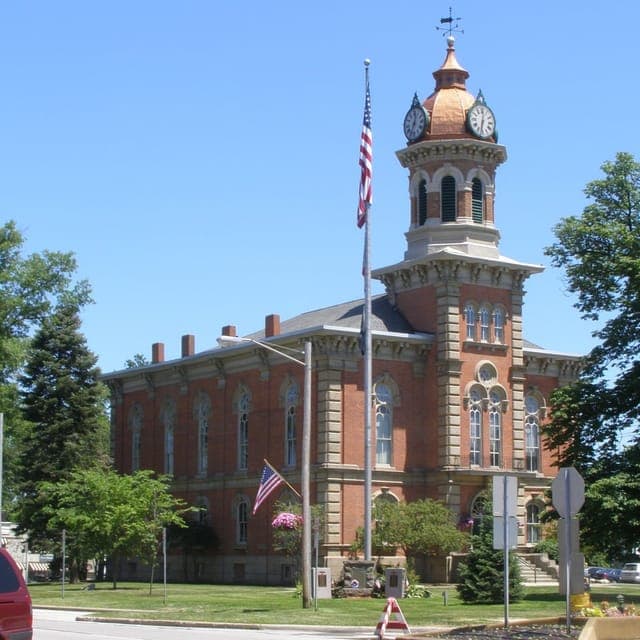
Similar towns to East Cleveland

* Values derived from national, state, county, city and local statistics and may differ in a specific area. Last updated: 2026-06-16T10:00:30.000Z
Narrative content on this page is AI-generated and may contain mistakes. Verify any details that matter before acting on them.
ReloMaps may earn a commission from affiliate links at no extra cost to you.

