Photo: Wikipedia
Find The Best Places To Live
in Chardon
PRO TIP! You can paste a Zillow or Redfin link to get info on that property.
What It's Like Living in Chardon, OH
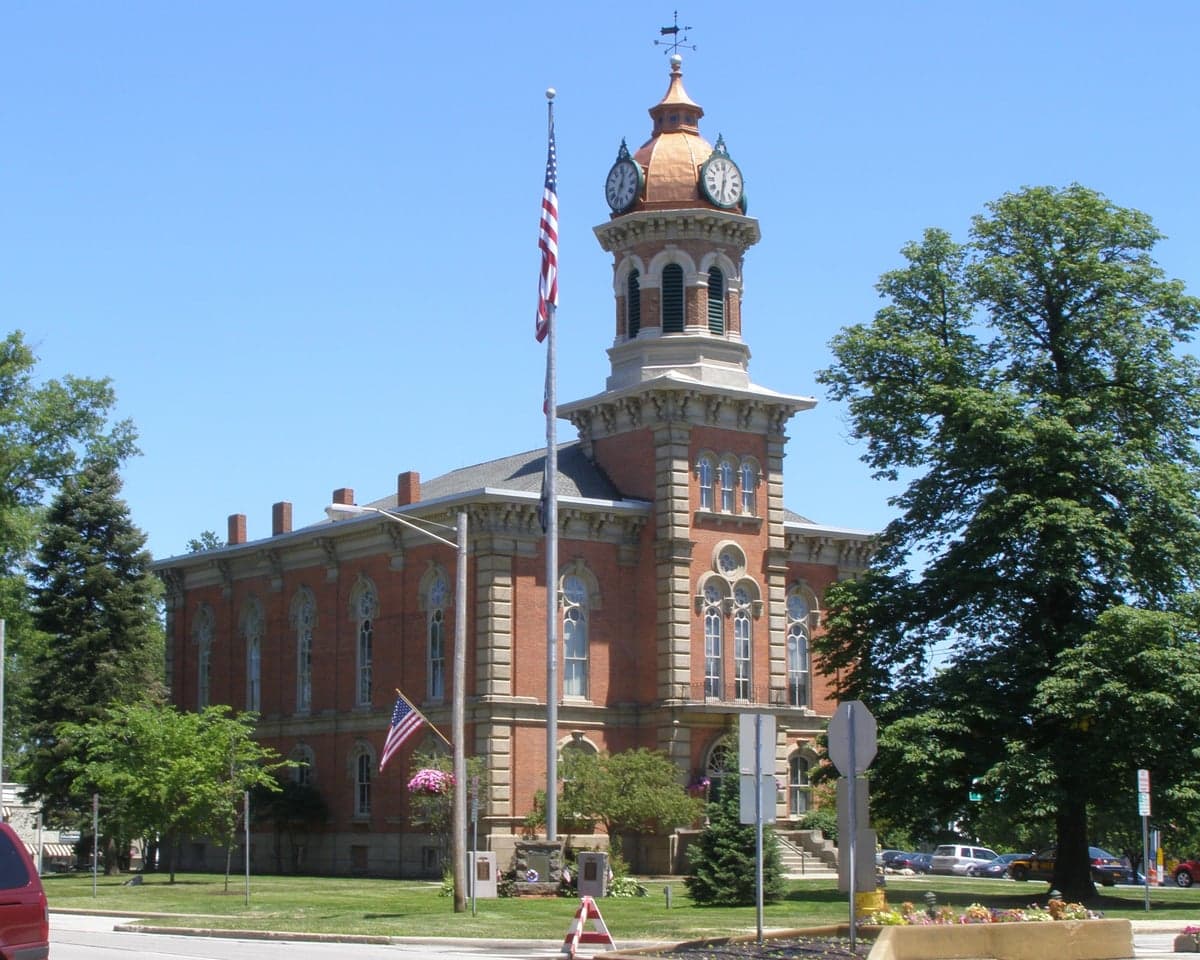
Chardon feels like a small town that knows exactly what it is and doesn't try to be anything else. It's the kind of place where the square is the center of gravity, the high school football game is the Friday night event, and people wave to each other on the sidewalk. With just over 5,200 residents, it’s compact enough that you’ll recognize faces at the grocery store but big enough to have its own distinct identity, anchored by the historic Geauga County Courthouse and a maple syrup tradition that dates back generations.
The Daily Rhythm: What Life Actually Looks Like
Most people here work outside Chardon itself. The average commute runs about 25 minutes, which usually means heading south toward Cleveland or east into the more rural parts of Geauga County. That commute is a trade-off people willingly make—you get the quiet of a small town without being completely cut off from city jobs. The local economy leans on healthcare, education, and small manufacturing, with University Hospitals Geauga Medical Center and the Chardon Local Schools district being two of the largest employers in town. The median household income sits at $86,618, which goes further here than in many suburbs because the cost of living index is 92—eight points below the national average. That gap is most visible in housing: the median home value is $274,500, a figure that feels reasonable compared to what you’d pay for a similar house in the eastern Cleveland suburbs.
Weekends tend to revolve around the square. In warmer months, the Chardon Square Association runs concerts and farmers markets. In fall, the Geauga County Maple Festival takes over the entire downtown for four days, drawing crowds from across Northeast Ohio for pancake breakfasts, parades, and the syrup-tapping demonstrations that have been a tradition since 1926. For everyday errands, there’s a Marc’s and a Giant Eagle on the outskirts, but most people drive to Mentor or Mayfield for bigger shopping trips. The local restaurant scene is modest but solid—Mario’s Pizza and Bella’s Restaurant are the reliable standbys, and Stancato’s is where families go for a nicer dinner out. If you want a drink, Chardon BrewWerks is the local craft beer spot, and the West End Tavern is the kind of bar where the bartender knows your name after a few visits.
Sports, Schools, and Community Identity
High school sports are a big deal here—not in the obsessive, Friday Night Lights way you see in Texas, but in the genuine, community-gathering way that defines small-town Ohio. Chardon High School football is the main event, and the Hilltoppers have a loyal following that fills the stands on game nights. The school system itself is a major reason families move here. Chardon Local Schools consistently rank among the top districts in Northeast Ohio, and about 43% of adults in town hold a college degree, which is notably high for a community this size. The schools function as a social hub—parent-teacher events, band concerts, and booster club meetings are where a lot of the town’s social life happens.
The median age is 37.1, which tells you this is a place where people settle down. You see a lot of families with young kids, but also empty-nesters who stayed because they like the pace. The kind of person who fits in here is someone who values predictability, safety, and knowing their neighbors. The violent crime rate is zero per 100,000 residents, and that’s not a marketing line—it’s a lived reality. People leave their doors unlocked, kids ride bikes around the square, and the biggest local controversy is usually about parking during the Maple Festival.
What’s There to Do—and What’s Missing
Outdoor life is a big part of the appeal. Big Creek Park and The West Woods are both within a ten-minute drive, offering hiking trails, sledding hills, and the kind of quiet that’s hard to find closer to the city. In winter, the snowbelt effect is real—Chardon averages over 100 inches of snow per year, which means snowmobiling, cross-country skiing, and a general acceptance that winter lasts from November through April. That snow is both a draw and a frustration. Locals either embrace it or complain about it constantly; there’s not much middle ground.
For entertainment beyond the square, you’re driving. There’s no movie theater in town, no bowling alley, no major music venue. The closest multiplex is in Mentor, about 20 minutes north. Cleveland’s professional sports teams—the Guardians, Cavaliers, and Browns—are a 40-minute drive, and plenty of residents make that trip for weekend games. But within Chardon itself, the entertainment options are limited to what the community creates: church potlucks, library events, high school theater productions, and the occasional concert series on the square. That’s fine if you’re looking for a quiet life. It feels restrictive if you’re used to having options on demand.
Pros and Cons of Living Here
- Pro: Genuine safety. The zero violent crime rate isn’t a statistic you can find in many places. Parents let their kids walk to the square without worry.
- Pro: Affordable housing for what you get. A $274,500 median home value buys a well-maintained single-family home with a yard, in a top-rated school district. That’s a deal compared to similar communities in Summit or Cuyahoga counties.
- Pro: Strong community fabric. The Maple Festival, the football games, the small-town politics—it’s all real here. If you want to know your neighbors, you will.
- Con: The snow. Over 100 inches annually means shoveling, plowing, and a shorter outdoor season. It’s beautiful but exhausting.
- Con: Limited local amenities. No movie theater, no bowling, no late-night food options. You’ll drive for most entertainment beyond the square.
- Con: Commute dependency. Most jobs are outside town. The 25-minute average commute is manageable, but it’s a daily reality for nearly everyone.
Chardon is a trade-off, and the people who stay here are the ones who made peace with that trade-off years ago. You get a safe, affordable, community-driven life with good schools and a strong sense of place. What you give up is convenience, variety, and the kind of anonymity that bigger cities offer. For families who want roots, and for single people who don’t mind a quiet evening, it works. For anyone looking for nightlife or career density, it probably won’t.

Similar small towns to Chardon
* Values derived from national, state, county, city and local statistics and may differ in a specific area. Last updated: 2026-06-16T09:56:04.000Z
Narrative content on this page is AI-generated and may contain mistakes. Verify any details that matter before acting on them.
ReloMaps may earn a commission from affiliate links at no extra cost to you.

