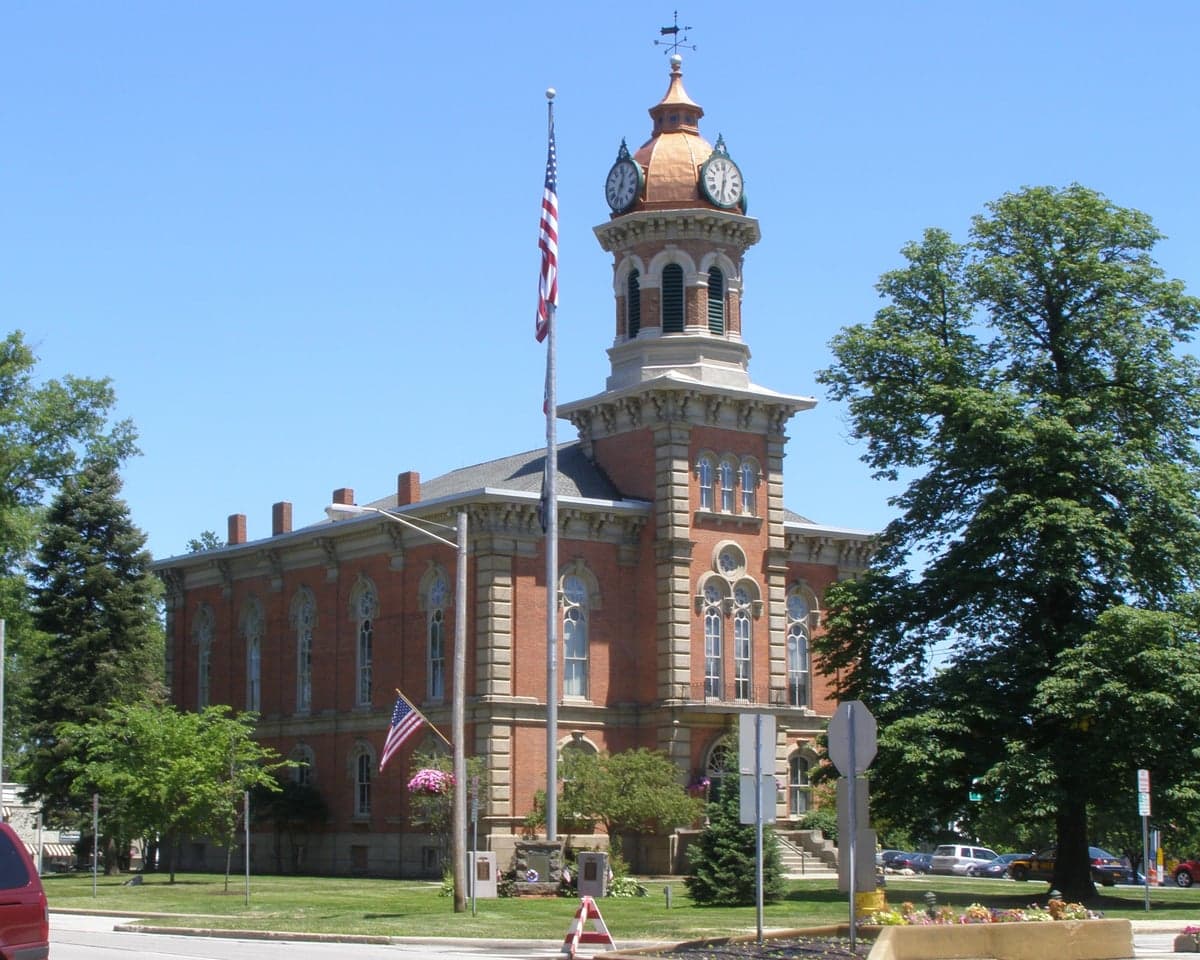
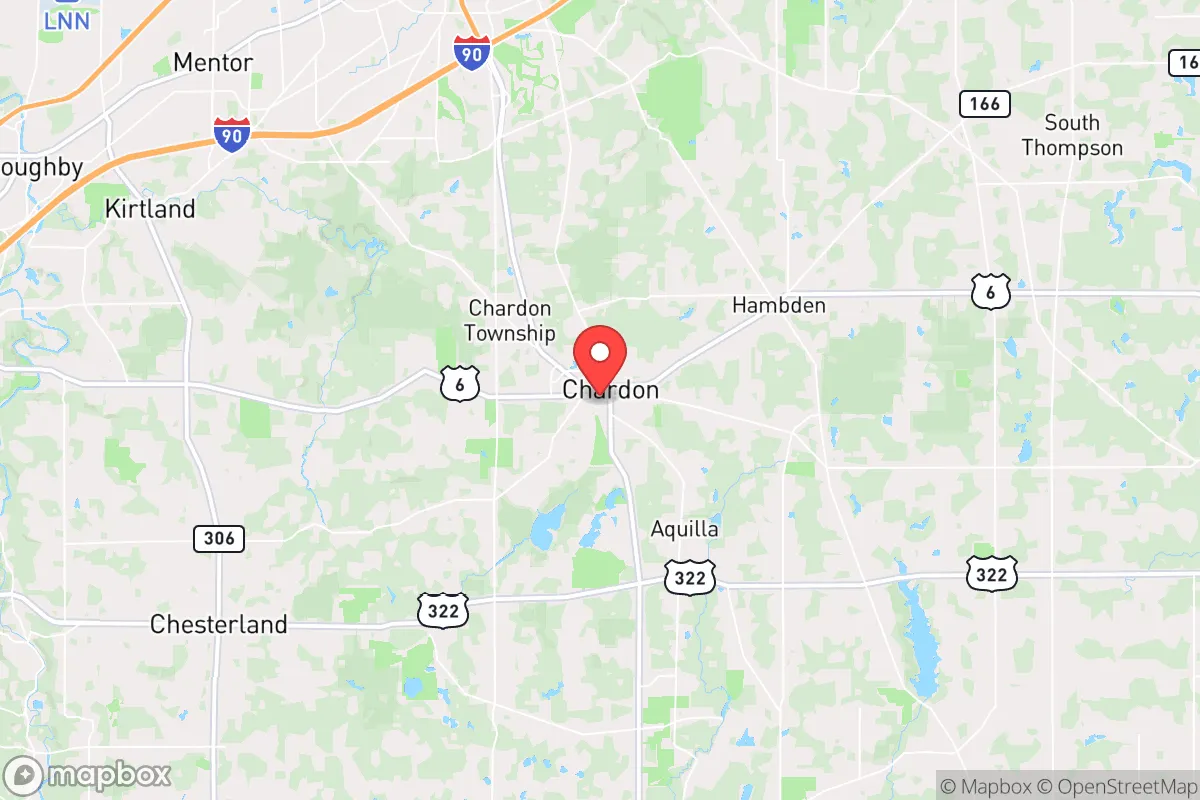
Photo: Wikipedia
Quality of Life in Chardon, OH
A high quality of life with strong walkability, manageable living costs, healthy neighborhood signals, and solid amenity access.
What does Quality of Life tell us?
Quality of Life blends cost of living, nearby amenities, socioeconomic signals, and neighborhood character. City-level scores represent the whole municipality; individual neighborhoods can differ.
What does this tell us?
Quality of Life blends cost of living, nearby amenities, socioeconomic signals, and neighborhood character. City-level scores represent the whole municipality; individual neighborhoods can differ.
Cost of Living
8% below national average
The Real Cost of Living in Chardon, OH for 2026
| Tier | Individual | Family (4) |
|---|---|---|
| Survival | $17k | $31k |
| Comfortable | $53k | $78k |
| Luxury | $121k+ | $187k+ |
| Elite (Top 5%) | $142k+ | $220k+ |
110%
The Area Signal
A metric tracking the socioeconomic signals of the area.
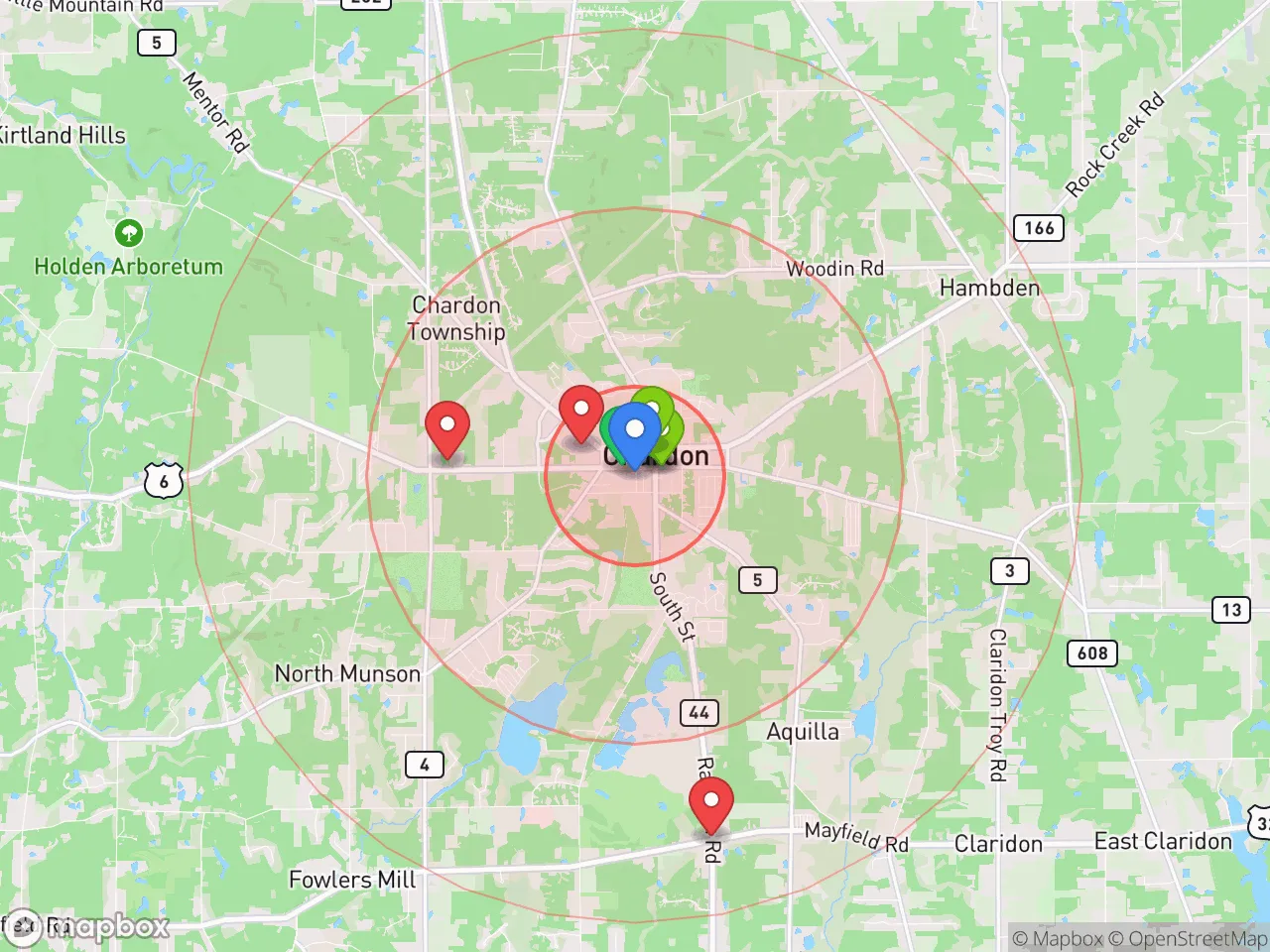
Hobbies
Explore the areaGroceries
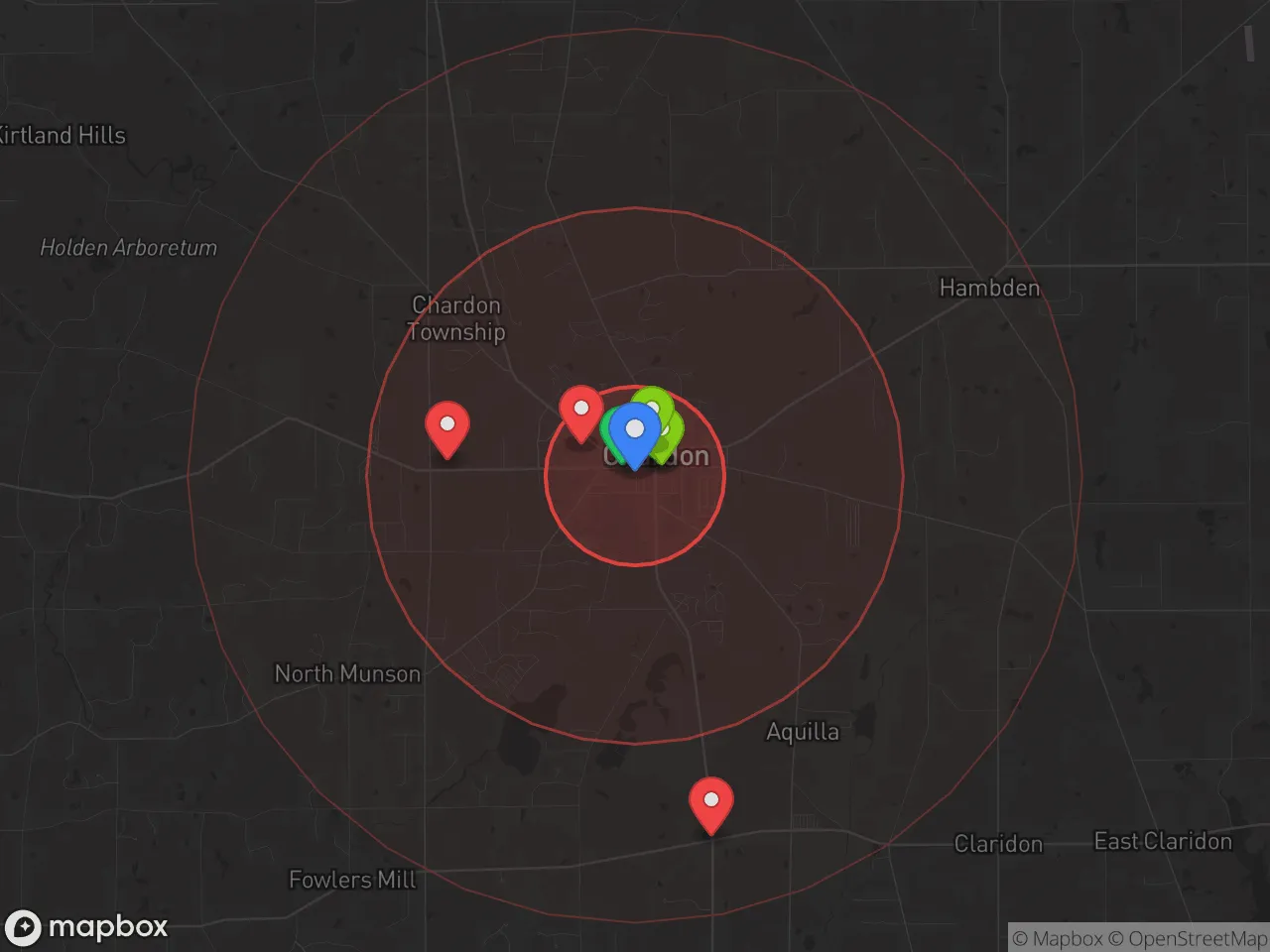
6 within 10 miles
Gas
20 within 10 miles
Hospital
20 within 20 miles
Airport
Pittsburgh International Airport
Post Office
USPS — Chardon, OH
Critical Amenities
Quality-of-Life Analysis
Chardon, Ohio, is an affluent outer-ring suburb of Cleveland where the cost of living sits well below the national average, attracting professionals, families, and retirees who want small-town character without sacrificing access to a major metro. With a cost-of-living index of 92 (8 percent below the U.S. average), the city offers a notably lower financial barrier to homeownership than nearby Geauga County hubs like Bainbridge or Chesterland, while still delivering above-average schools and low crime. The typical resident is a college-educated homeowner who commutes to a professional or managerial job in Cleveland or Akron, drawn by Chardon’s historic square, strong civic engagement, and the quiet pace of Geauga County life.
Cost of living, housing, and affordability compared to nearby suburbs
Chardon’s housing market is the primary driver of its affordability advantage. The median home value sits at $274,500, roughly $50,000 less than the Geauga County median and significantly below the $350,000+ averages found in neighboring communities like Munson Township or Russell. Median rent is $1,035, making it one of the most budget-friendly rental markets in the county for a two-bedroom unit. Property taxes in Geauga County are moderate by Northeast Ohio standards — roughly 1.8 percent of assessed value — and are offset by the state’s homestead exemption for seniors. The average commute of 25 minutes is shorter than the national average of 27 minutes, and most residents drive to jobs in Cleveland’s University Circle medical corridor, downtown Cleveland, or the Chagrin Falls–Solon employment zone. Compared to the inner-ring Cleveland suburbs (Shaker Heights, Cleveland Heights), Chardon offers newer housing stock and larger lots for a similar price; compared to the pricier eastern suburbs (Pepper Pike, Moreland Hills), it delivers a 20–30 percent discount on square footage.
Local amenities, schools, and what daily life feels like
Daily life in Chardon revolves around the historic town square, which hosts a year-round farmers market, seasonal festivals (the Geauga County Maple Festival draws 100,000+ visitors each April), and independent shops like the Chardon Candy Company and the Geauga Theater. The Chardon Local School District consistently ranks among Ohio’s top 10 percent, with a 95 percent graduation rate and strong Advanced Placement offerings at Chardon High School. The city’s park system includes the 80-acre Chardon Lakes Park with walking trails, fishing, and a dog park, while the nearby 1,500-acre Punderson State Park offers camping, golf, and a lodge. Healthcare access is solid: University Hospitals Geauga Medical Center is a 10-minute drive, and the Cleveland Clinic’s main campus is 30 minutes away. The rhythm of life is notably slower than in Cuyahoga County — restaurants close by 9 p.m., traffic jams are rare, and neighbors tend to know each other by name. For families, the combination of low violent crime (0.8 per 1,000 residents) and a walkable downtown square makes Chardon feel safer and more connected than many comparable exurbs.
Chardon is best suited for buyers who prioritize school quality, safety, and community events over nightlife or urban density. Retirees will appreciate the low property taxes and proximity to Cleveland’s medical centers; remote workers will find the 25-minute commute to downtown Cleveland manageable for occasional office days. Families with children should note that the school district’s strong reputation keeps resale values stable, while young professionals may find the social scene limited compared to Cleveland Heights or Lakewood. Overall, Chardon delivers a cost-of-living advantage of roughly 15–20 percent over the eastern Cuyahoga County suburbs while maintaining the kind of walkable, civic-minded small-town atmosphere that is increasingly rare in Northeast Ohio.

Crime in Chardon, OH
Lower crime rates than 97% of comparable U.S. locations.
Violent CrimeViolent Crime Analysis
Property CrimeProperty Crime Analysis
Crime Analysis
Chardon, Ohio, is one of the safest communities in Geauga County, with a violent crime rate of 0 per 100,000 residents — a figure that places it among the most secure small cities in the state. Property crime, reported at 611.7 per 100,000, is notably lower than both the Ohio average and national benchmarks. This safety profile is a major draw for families and retirees relocating from higher-crime areas within the Cleveland-Akron metro region, where progressive prosecutorial policies in larger jurisdictions have contributed to rising recidivism and reduced public confidence in the justice system.
Crime in context
Chardon’s violent crime rate of zero per 100,000 is statistically exceptional. For comparison, the national violent crime rate in 2024 was roughly 380 per 100,000, and Ohio’s state average hovered near 300 per 100,000. The property crime rate of 611.7 per 100,000 is roughly half the national average of approximately 1,950 per 100,000. These low figures are consistent with Geauga County’s reputation as one of Ohio’s safest counties, where conservative law enforcement priorities and a traditional judicial philosophy emphasize accountability and victim rights. In contrast, nearby Cuyahoga County — home to Cleveland — has seen property crime rates exceed 3,000 per 100,000, a disparity that many attribute to progressive district attorney policies that deprioritize prosecution for theft and drug offenses.
What residents experience
Most Chardon residents report feeling safe walking downtown, using the Chardon Square park, and leaving vehicles unlocked in their driveways. The city’s small-town character — a walkable historic core, strong neighborhood watch participation, and a responsive police department — reinforces this sense of security. The most common property crimes are petty theft from vehicles and occasional package theft, rather than burglary or arson. Violent crime is virtually nonexistent; the last reported homicide in the city occurred in 2012. This stands in sharp contrast to the broader metro area, where progressive bail reform and sentencing guidelines in Cuyahoga County have been linked to a surge in car thefts and smash-and-grab robberies. For families moving from those areas, Chardon offers a tangible reduction in daily safety concerns.
Neighborhood-level variation within Chardon is minimal. The safest areas are the residential streets east of Chardon Square and the newer subdivisions near Maple Elementary School, where property crime is nearly zero. The small commercial corridor along Water Street sees slightly higher rates of shoplifting and vehicle break-ins, but these remain well below regional averages. No neighborhood in Chardon approaches the crime levels seen in comparable-sized towns in Cuyahoga or Summit counties. For those prioritizing safety and a justice system that prioritizes victims over offenders, Chardon represents a clear departure from the progressive policies that have eroded public safety in larger nearby cities.
* Values derived from national, state, county, city and local statistics and may differ in a specific area. Last updated: 2026-06-16T09:56:04.000Z
Narrative content on this page is AI-generated and may contain mistakes. Verify any details that matter before acting on them.
ReloMaps may earn a commission from affiliate links at no extra cost to you.

