Photo: Wikipedia
Find The Best Places To Live in Cuyahoga County
PRO TIP! You can paste a Zillow or Redfin link to get info on that property.
Best Places to Live in Cuyahoga County
Cities & Towns in Cuyahoga County
Cities in Cuyahoga County
What It's Like Living in Cuyahoga County, OH
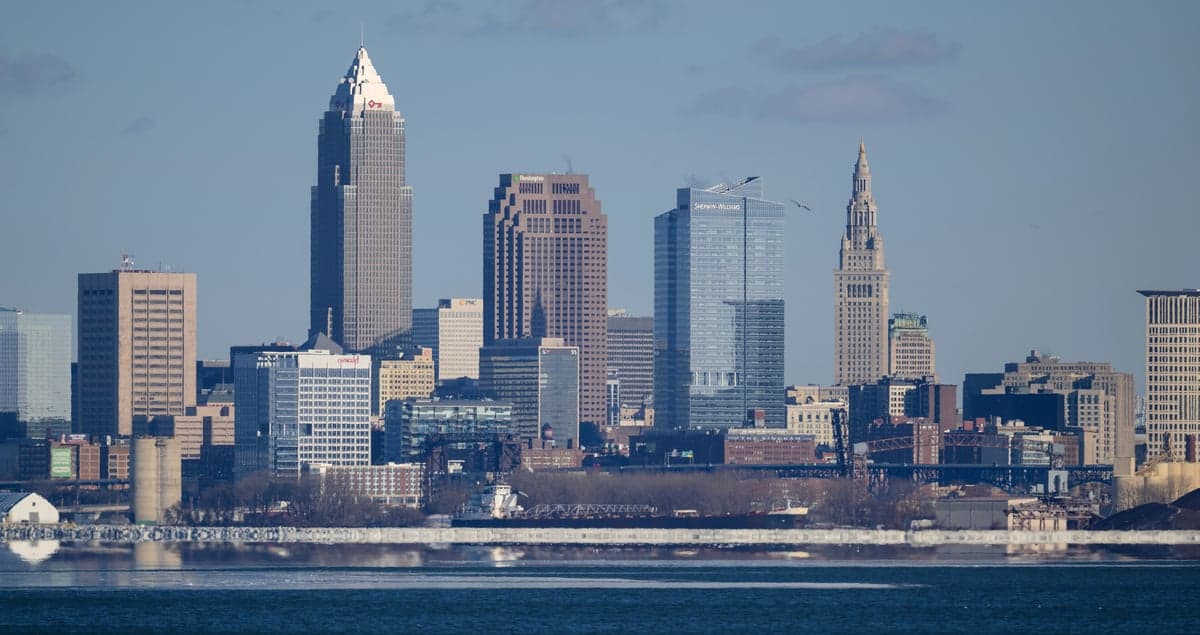
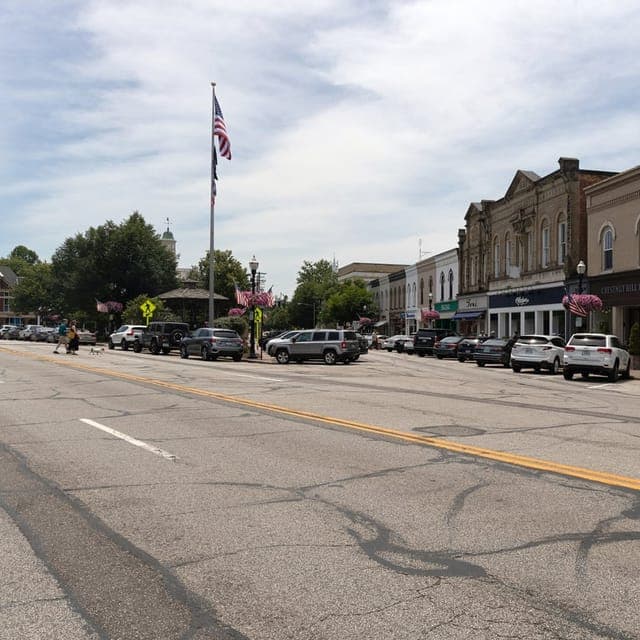
Cuyahoga County is a place of stark contrasts, where the urban pulse of Cleveland meets the quiet, tree-lined streets of suburbs like Rocky River and the more rural stretches of places like Olmsted Falls. It’s a region that feels both gritty and green, with a strong sense of local pride that’s less about boosterism and more about a shared, weathered resilience. For a single person or family considering a move here, the county offers a surprisingly affordable cost of living—indexed at 78 compared to the US average—and a lifestyle that’s deeply rooted in community, sports, and the changing seasons.
Daily Rhythm: From Cleveland’s Core to Suburban Serenity
Life in Cuyahoga County moves at a pace dictated by your zip code. In Cleveland proper, you’ll find a dense, walkable urban core with a thriving food scene and a palpable energy around places like Ohio City and Tremont. But the daily grind for most residents is a suburban affair. The average commute is a manageable 23.6 minutes, a fact that makes living in a place like Strongsville or Parma—with their excellent schools and larger homes—a practical choice for families. Weekends often revolve around errands at a local Heinen’s or Marc’s, followed by a trip to one of the county’s many Metroparks. The “Emerald Necklace” is a real point of pride; you can hike the trails of the Rocky River Reservation in the morning and be at a Browns game by afternoon. The kind of person who fits in here values substance over flash. They’re often mid-career professionals, tradespeople, or young families who appreciate that a median home value of $183,200 can get you a solid, older home with a yard—something unthinkable in pricier parts of the country.
Sports, Community, and the Unifying Power of a Game
Sports aren’t just entertainment here; they’re a civic religion. The Cleveland Browns, Guardians, and Cavaliers are the big three, but the passion runs deeper. On a fall Sunday, you’ll see more Browns jerseys in a Lakewood coffee shop than in the stadium itself. High school football is a major social event, particularly in suburbs like St. Edward and St. Ignatius, where games draw thousands. But the real local color comes from the grassroots. You’ll find fierce rivalries in youth hockey and soccer, and the Lake Erie Crushers (a minor-league team) offer a cheap, fun night out. The county’s identity is also shaped by its ethnic enclaves. Parma is famously known for its Polish and Ukrainian heritage, with church festivals and pierogi dinners being a staple of community life. This isn’t a place for pretension; it’s a place where you bond over a shared love of a team, a local bar’s fish fry on a Friday during Lent, or a mutual complaint about the potholes.
What’s There to Do: Festivals, Parks, and the Quirks of the Seasons
Entertainment here is defined by the calendar. Summer is a non-stop festival season, from the Cleveland International Film Festival to the massive Feast of the Assumption in Little Italy. The West Side Market in Ohio City is a weekend ritual for many, a sensory overload of meats, cheeses, and produce. For outdoor enthusiasts, the Cuyahoga Valley National Park is a 30-minute drive from downtown, offering waterfalls and the scenic Cuyahoga Valley Scenic Railroad. The winters, however, are a reality check. Lake-effect snow can dump feet of snow on the eastern suburbs like Mayfield Heights while the west side sees flurries. This seasonal rhythm forces a certain coziness—people hunker down, attend high school basketball games, and hit the indoor ice rinks. A notable cultural quirk is the local dialect: you’ll hear “pop” for soda, and the city’s name is pronounced “CLE-ve-land,” not “Cleve-land.” It’s a small thing, but it marks you as a local.
Pros and Cons of Living Here: The Honest Trade-Offs
Longtime residents will tell you they love the affordability and the genuine, no-nonsense people. The cost of living is a huge draw—your dollar goes further here than in almost any other major metro. But the frustrations are real. The violent crime rate of 267.6 per 100,000 is a concern, though it’s heavily concentrated in specific neighborhoods of Cleveland, not the suburbs. Property taxes are high, and the region’s economy, while stable, doesn’t offer the explosive job growth of the Sun Belt. The weather is the most common complaint—gray skies from November to March can wear on you. Yet, the trade-off is a community that knows how to have fun when the sun finally comes out. The schools are a major asset in the suburbs, with districts like Solon and Beachwood consistently ranking among the best in Ohio. For a family or a single person looking for a place with real character, a strong sense of place, and a price tag that doesn’t require a second mortgage, Cuyahoga County delivers a life that’s both grounded and surprisingly vibrant.

* Values derived from national, state, county, city and local statistics and may differ in a specific area. Last updated: 2026-07-27T02:20:11.000Z
Narrative content on this page is AI-generated and may contain mistakes. Verify any details that matter before acting on them.
ReloMaps may earn a commission from affiliate links at no extra cost to you.

