Photo: Wikipedia
Find The Best Places To Live
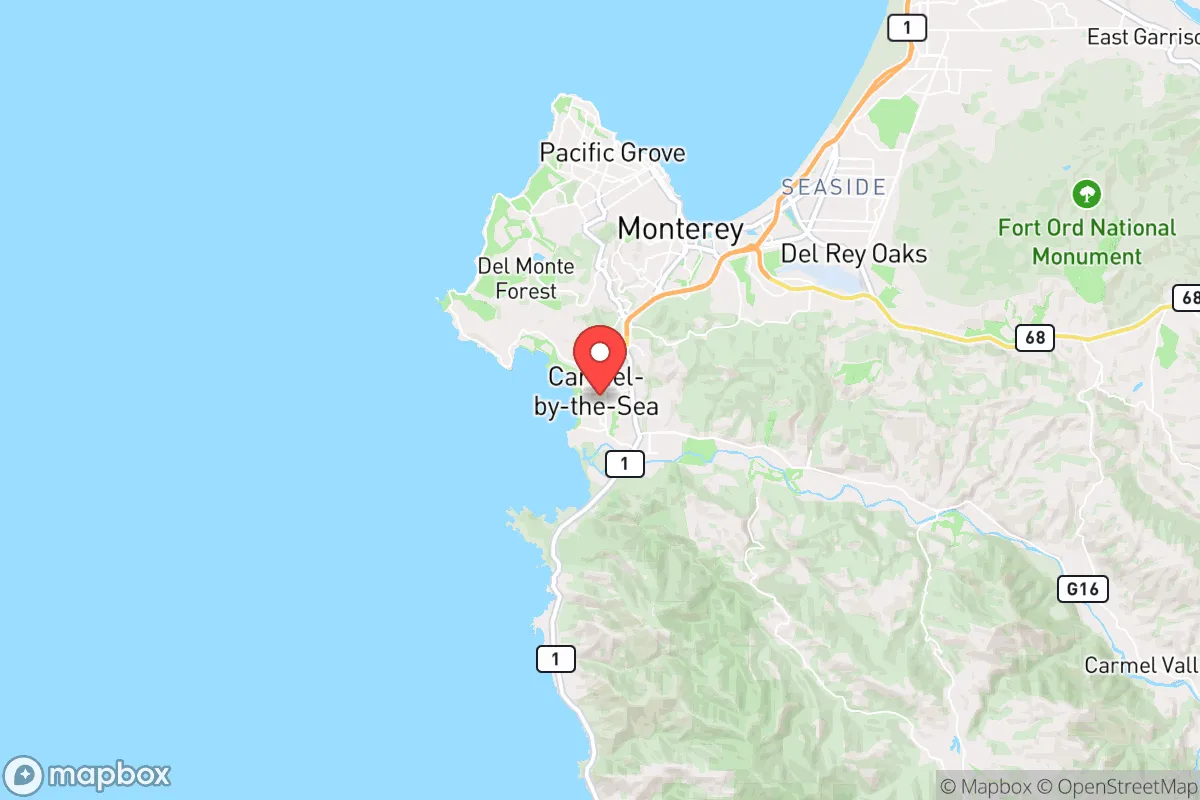
in Carmel-by-the-Sea
PRO TIP! You can paste a Zillow or Redfin link to get info on that property.
What It's Like Living in Carmel-by-the-Sea, CA
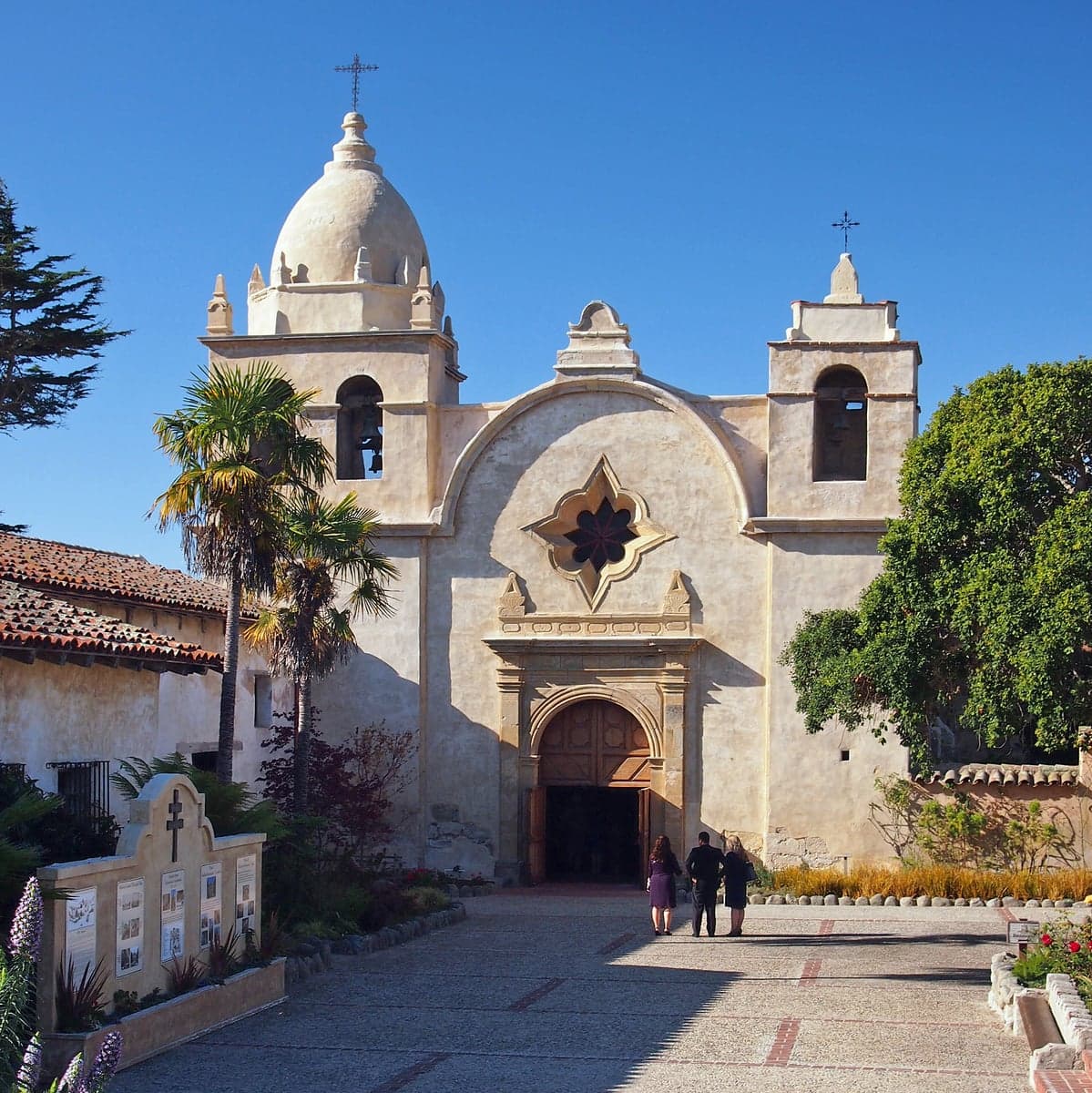
Carmel-by-the-Sea feels less like a typical California town and more like a carefully preserved storybook village where the ocean meets an old-world European sensibility. With just over 3,100 residents and a median age pushing 69, this is a place that rewards quiet appreciation over nightlife, and where a $2 million median home value isn't a luxury—it's the baseline for entry.
The Daily Rhythm: Slow Mornings, Coastal Afternoons, Early Evenings
Life here moves at a pace that can feel jarring if you're coming from a major metro. Mornings typically start with a walk on Carmel Beach—locals know the best spots to watch the surfers at First Point—followed by coffee at Carmel Bakery on Ocean Avenue or a pastry from Patisserie Boissiere. The village itself is compact and walkable, with no chain stores allowed in the commercial district. Instead, you'll find independent art galleries, boutique clothing shops, and restaurants like Aubergine (a Michelin-starred staple) or the more casual Flaherty's Seafood Grill for a post-walk lunch.
Weekends often revolve around the Carmel Farmers Market (Tuesday afternoons on Vista del Monte) or a drive down scenic Highway 1 to Point Lobos State Natural Reserve for hiking. By 8 p.m., most restaurants have cleared out, and the village streets go quiet. This is not a town for late-night bar crawls—the Carmel Plaza and Hog's Breath Inn (Clint Eastwood's old haunt) draw a mellow crowd, but the energy is low-key and conversational.
Who Fits In—and Who Doesn't
Carmel-by-the-Sea attracts a specific profile: retirees, empty-nesters, and affluent professionals who value privacy, natural beauty, and a slower rhythm. With 76% of adults holding a college degree and a median income of $115,729, the population is highly educated but not necessarily young. The median age of 68.9 tells the story—this is a place where people come to settle down, not to launch a career. Families with school-age children are a minority; the local school system, Carmel River School and Carmel High School, serve a broader area that includes more family-oriented neighborhoods like Carmel Valley.
If you're a single professional in your 20s or 30s, you'll likely find the social scene thin. There's no nightclub, no college sports bar, and the dating pool is shallow. The kind of person who thrives here values solitude, has a flexible income, and doesn't mind driving 25 minutes (the average commute) to Monterey or Salinas for work or errands.
Sports, Festivals, and What Passes for Entertainment
Sports culture is minimal within town limits. There are no professional teams, and the nearest major sports action is the Monterey Bay FC soccer team (USL Championship) or the Cal State Monterey Bay Otters for college athletics. High school football at Carmel High School draws a loyal local crowd on Friday nights, but it's a community event, not a spectacle. What Carmel lacks in sports, it makes up for in festivals. The Carmel International Film Festival (October) and the Carmel Bach Festival (July) bring in visitors and fill the village with music and art. The Carmel Art & Film Festival in October is another highlight, blending gallery walks with outdoor screenings.
Outdoor life is the real entertainment. Point Lobos State Natural Reserve offers world-class hiking with sea lion sightings and dramatic coastal views. Carmel River State Beach is a quieter alternative, and Mission Trail Park provides shaded walking paths. For a drink with a view, locals head to The Bench at Pebble Beach or the Terrace Lounge at the Lodge at Pebble Beach—both are a short drive and feel like extensions of the Carmel lifestyle.
Honest Pros and Cons of Living Here
What longtime residents love:
- Unmatched natural beauty—the coastline, the cypress trees, the white sand beach are genuinely world-class.
- Walkable village—no need for a car for daily errands, and the ban on chain stores keeps the character intact.
- Strong sense of community—neighbors know each other, and events like the Christmas Tree Lighting at Devendorf Park feel genuinely communal.
- Low crime overall—property crime is the main concern, but violent crime is rare in the village itself.
What frustrates residents:
- Cost of living index of 435—nearly 4.5 times the national average. Everything from groceries to home maintenance is expensive.
- Limited housing stock—with a median home value over $2 million, even renting is prohibitive for most working people.
- Tourist crowds—summer weekends and holidays bring gridlock on Ocean Avenue and scarce parking. Locals learn to avoid the village on Saturdays from May through October.
- Violent crime rate of 434.6 per 100K—this figure is skewed by a small population (a few incidents can spike the rate), but it's worth noting that property crime, especially car break-ins, is a real issue near tourist-heavy spots.
Carmel-by-the-Sea is a beautiful, expensive, and quiet place that rewards those who can afford its price of admission and appreciate its unhurried pace. It's not for everyone—and that's exactly how its residents like it.

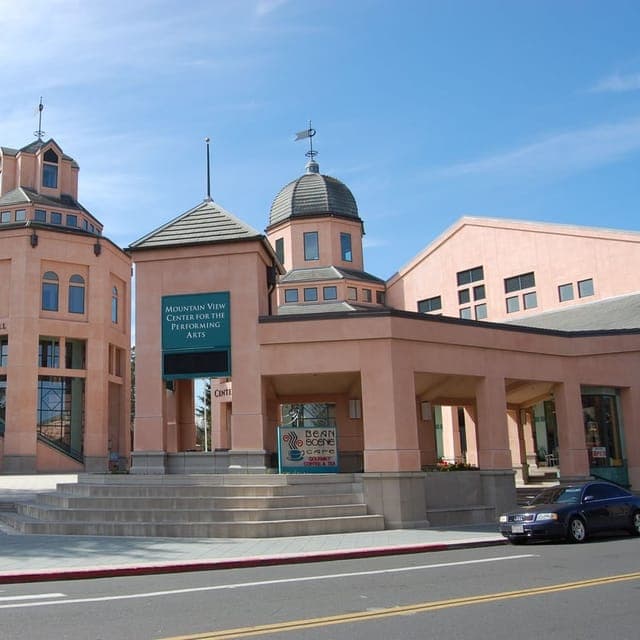
Similar small towns to Carmel-by-the-Sea
* Values derived from national, state, county, city and local statistics and may differ in a specific area. Last updated: 2026-09-02T22:09:17.000Z
Narrative content on this page is AI-generated and may contain mistakes. Verify any details that matter before acting on them.
ReloMaps may earn a commission from affiliate links at no extra cost to you.

