Photo: Wikipedia
Quality of Life in Carmel-by-the-Sea, CA
A high quality of life with strong walkability, manageable living costs, healthy neighborhood signals, and solid amenity access.
What does Quality of Life tell us?
Quality of Life blends cost of living, nearby amenities, socioeconomic signals, and neighborhood character. City-level scores represent the whole municipality; individual neighborhoods can differ.
What does this tell us?
Quality of Life blends cost of living, nearby amenities, socioeconomic signals, and neighborhood character. City-level scores represent the whole municipality; individual neighborhoods can differ.
Cost of Living
335% above national average
The Real Cost of Living in Carmel-by-the-Sea, CA for 2026
| Tier | Individual | Family (4) |
|---|---|---|
| Survival | $43k | $81k |
| Comfortable | $121k | $178k |
| Luxury | $177k+ | $275k+ |
| Elite (Top 5%) | $209k+ | $323k+ |
65%
* top-5% income substituted from county-level data — local Census figures unavailable for small populations
The Area Signal
A metric tracking the socioeconomic signals of the area.
Hobbies
Explore the areaGroceries
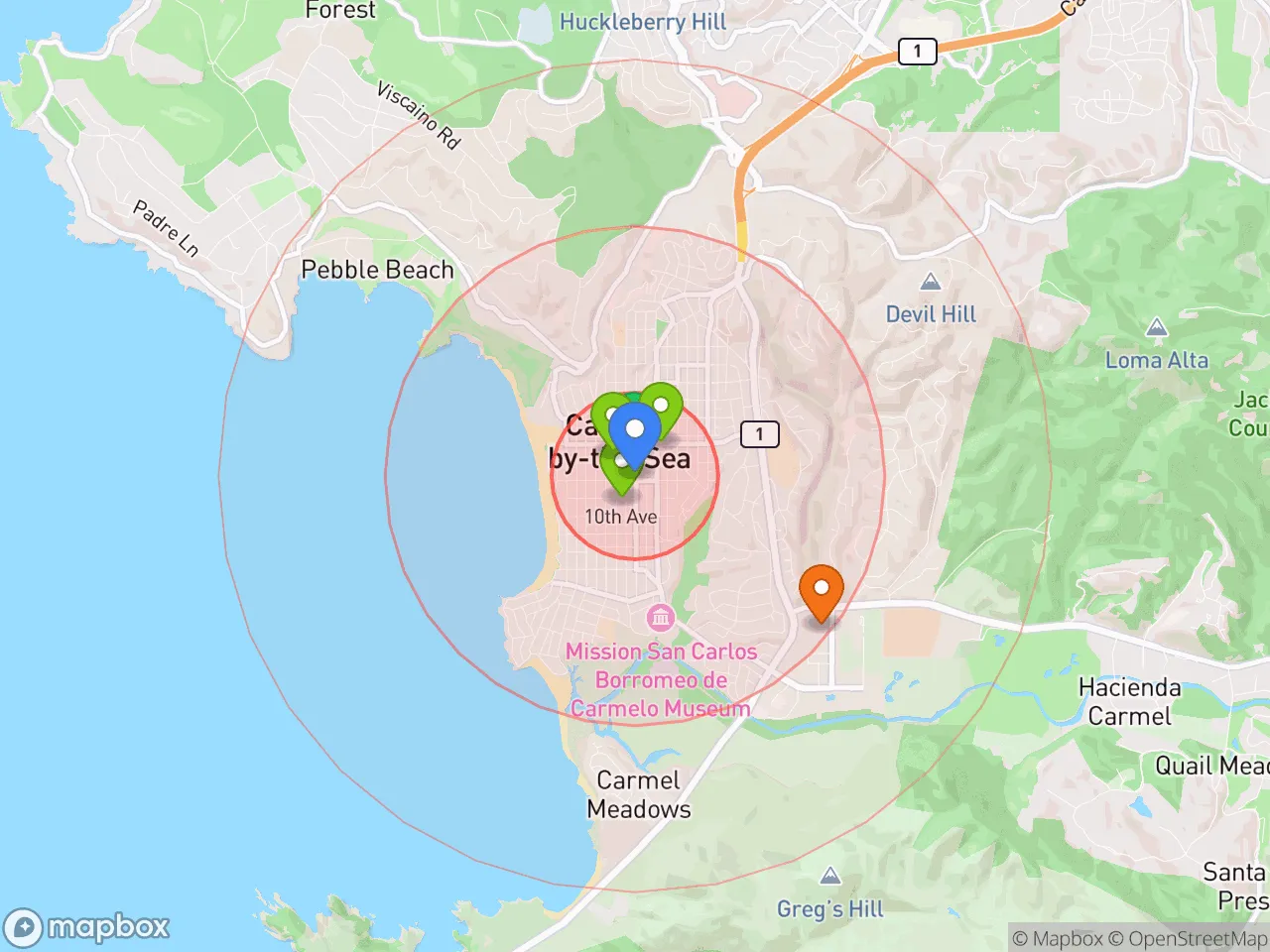
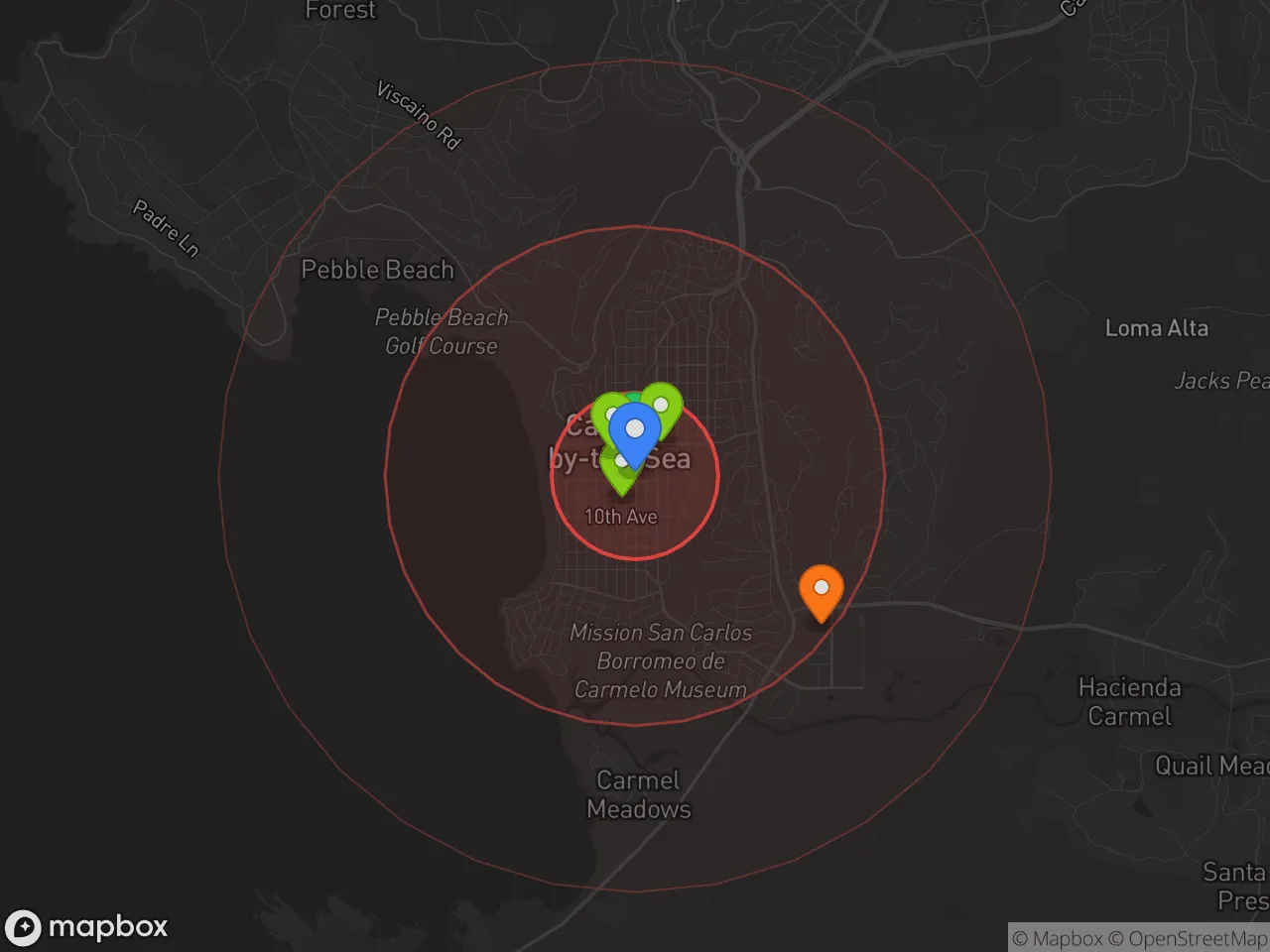
6 within 10 miles
Gas
20 within 10 miles
Hospital
2 within 20 miles
Airport
SJC — San Jose International
Post Office
USPS — Carmel-by-the-Sea, CA
Critical Amenities
Quality-of-Life Analysis
Carmel-by-the-Sea is one of the most affluent and exclusive small towns in the United States, with a cost of living index of 435—more than four times the national average—placing it among the priciest ZIP codes in California. The roughly 3,200 residents are overwhelmingly white-collar professionals, retirees, and second-home owners drawn by the village’s storied artist colony history, pristine white-sand beaches, and walkable, car-free downtown. Median household income hovers well above $100,000, and the town’s demographic skew is older, with a median age near 50, reflecting a community that prioritizes quiet luxury, natural beauty, and privacy over nightlife or urban bustle.
Cost of living, housing, and how Carmel compares to nearby areas
Carmel’s housing market is among the most extreme in the Monterey Bay region. The median home value sits at $2,000,001, roughly double that of nearby Monterey ($1.1 million) and triple the California median. Renters face a median monthly rent of $2,933, which is about 40% higher than the state average and comparable to upscale coastal enclaves like Santa Monica. The cost of living index of 435 is driven almost entirely by housing; groceries and utilities are only moderately above national averages. For context, a household earning $200,000 annually in Carmel has roughly the same purchasing power as one earning $46,000 in a typical U.S. city. Most buyers are cash-heavy, and inventory is chronically low—fewer than 30 homes typically list per month. The average commute of 25.4 minutes is slightly longer than the national average (26 minutes) but reflects the reality that many workers commute to Monterey, Salinas, or even Silicon Valley via Highway 1 and US-101. There is no direct public transit to major employment hubs, so car ownership is essential.
Local amenities, schools, and the daily rhythm of life
Daily life in Carmel revolves around its compact, pedestrian-friendly village core, which bans chain restaurants and features over 100 art galleries, boutique shops, and fine-dining establishments like the Michelin-starred Aubergine. The town’s crown jewel is Carmel Beach, a mile-long white-sand strand with free parking and dog-friendly access year-round. For families, the Carmel Unified School District is highly rated—Carmel High School consistently ranks in the top 10% of California public schools—but class sizes are small, and the district serves only about 2,200 students total. Recreation includes the nearby Pebble Beach golf courses, Point Lobos State Natural Reserve for hiking, and the Monterey Bay Aquarium a 10-minute drive away. The town has no hospital (the nearest is Community Hospital of the Monterey Peninsula in Monterey), and no high school football stadium or large supermarket within city limits, which reinforces its quiet, resort-like atmosphere. Most errands require a short drive to Monterey or Carmel Valley.
Carmel-by-the-Sea is best suited for wealthy retirees, remote workers with six-figure incomes, and families who prioritize top-tier schools and outdoor access over urban convenience. The extreme housing costs and lack of rental inventory make it nearly inaccessible for young professionals or service workers unless they commute from more affordable areas like Seaside or Marina. Those who thrive here value solitude, natural beauty, and a slower pace—and are willing to pay a steep premium for it. For anyone seeking nightlife, diversity, or a lower cost of living, nearby Monterey or Pacific Grove offer more practical alternatives.

Crime in Carmel-by-the-Sea, CA
Higher crime rates than 58% of comparable U.S. locations.
Violent CrimeViolent Crime Analysis
Property CrimeProperty Crime Analysis
Crime Analysis
Carmel-by-the-Sea is a small, affluent coastal city in Monterey County with a crime profile that warrants careful consideration, particularly given its location within a larger metro area influenced by progressive criminal justice policies. The city's violent crime rate stands at 434.6 incidents per 100,000 residents, while property crime reaches 1,820.1 per 100,000. These figures place Carmel-by-the-Sea in a concerning position relative to its reputation as a tranquil tourist destination.
Crime in context
Carmel-by-the-Sea's violent crime rate of 434.6 per 100,000 is approximately 24% higher than the national average of roughly 350 per 100,000 and significantly exceeds the California state average of about 440 per 100,000. The property crime rate of 1,820.1 per 100,000 is roughly 35% higher than the national average of 1,342 per 100,000. These statistics are particularly notable because Carmel-by-the-Sea is a small city (population roughly 3,200) within the larger Monterey Bay metro area. The broader region, including Monterey and Salinas, has experienced elevated crime rates in recent years, partly attributed to progressive district attorneys and judges who emphasize diversion programs and reduced sentencing. This ideological approach, while intended to reduce incarceration, has resulted in more repeat offenders cycling back onto the streets, directly impacting smaller communities like Carmel-by-the-Sea that lack the resources to manage chronic criminal activity.
What residents experience
For residents, the elevated property crime rate translates into tangible risks. Vehicle break-ins and thefts from parked cars are the most commonly reported incidents, particularly near the commercial core along Ocean Avenue and tourist-heavy areas like Carmel Beach. Burglaries of vacation rentals and second homes also occur, as these properties are often unoccupied for extended periods. Violent crime, while less frequent, includes incidents of assault and robbery that are often underreported in a community that relies heavily on tourism revenue. The presence of a progressive justice system in Monterey County means that many property crime offenders face minimal consequences, with cases frequently diverted to pretrial programs or resulting in short sentences. This creates a revolving-door effect where the same individuals commit multiple offenses, eroding public confidence in the justice system's ability to protect victims.
Neighborhood-level variation is limited in a city as compact as Carmel-by-the-Sea, but some patterns emerge. The commercial corridor along Ocean Avenue and the areas near the beach see the highest concentration of property crimes, while the residential streets east of Highway 1 (the "Hat" area) and the more secluded neighborhoods near Mission Trail Park report fewer incidents. However, the city's small size means that crime is not confined to any single area, and residents across all neighborhoods should remain vigilant. The broader context of Monterey County's progressive criminal justice policies means that Carmel-by-the-Sea's crime challenges are unlikely to improve without systemic changes in prosecution and sentencing philosophy.
* Values derived from national, state, county, city and local statistics and may differ in a specific area. Last updated: 2026-09-02T22:09:17.000Z
Narrative content on this page is AI-generated and may contain mistakes. Verify any details that matter before acting on them.
ReloMaps may earn a commission from affiliate links at no extra cost to you.

