Photo: Wikipedia
Find The Best Places To Live
in Vista
PRO TIP! You can paste a Zillow or Redfin link to get info on that property.
What It's Like Living in Vista, CA
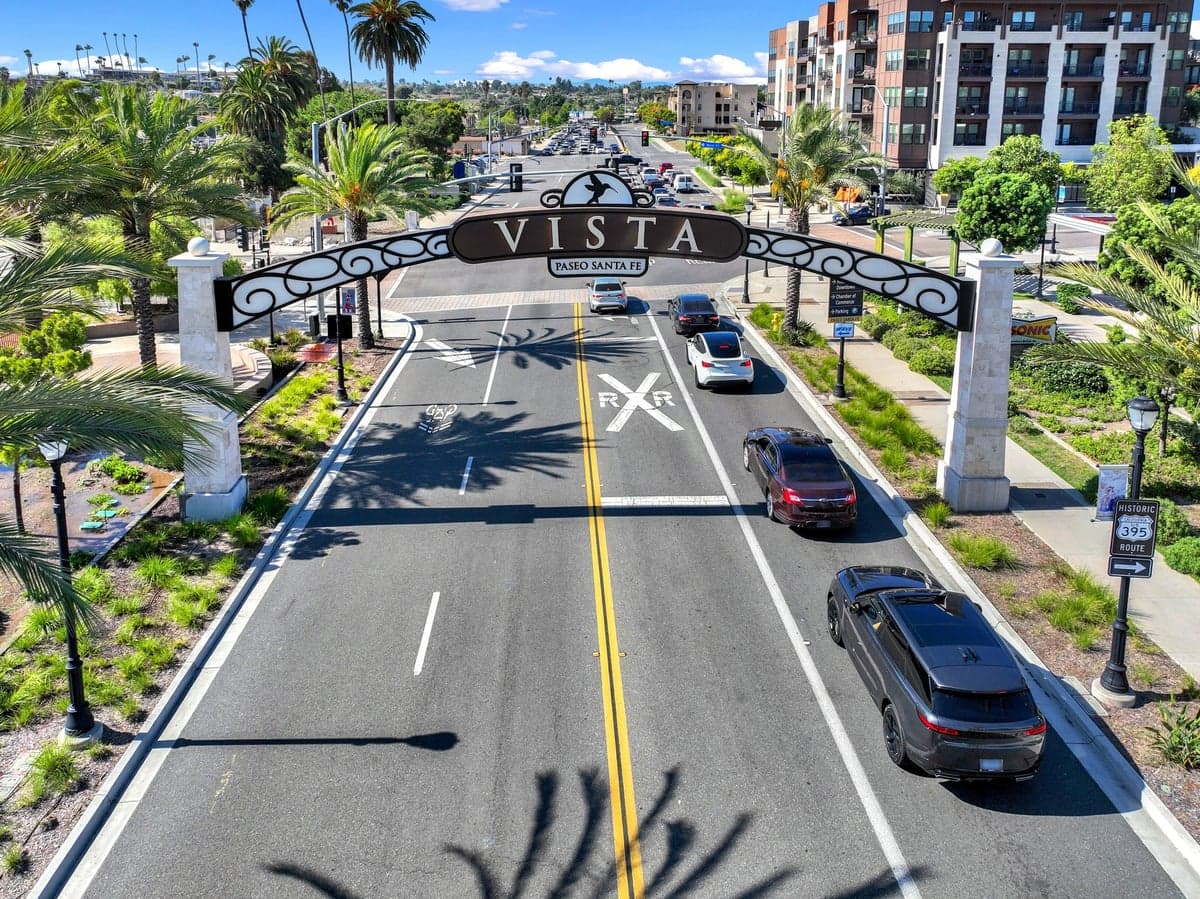
Vista, California, feels like the quieter cousin of its more famous North County neighbors—less flashy than Carlsbad, less crowded than Oceanside, but with a distinct, grounded identity all its own. It’s a city of about 98,600 people where the median age hovers just under 35, giving it a young, family-oriented energy that’s neither sleepy nor frantic. You’ll find a mix of longtime residents who remember when the avocado groves were still working farms and newer arrivals drawn by the relative affordability (for coastal San Diego, anyway) and the sense that this is a place where you can actually put down roots.
Daily Rhythm: What People Actually Do Here
Most mornings in Vista start with a commute—the average drive clocks in around 27 minutes, which feels about right for North County. People head west toward the biotech and office parks of Carlsbad or south toward Sorrento Valley and downtown San Diego, but a surprising number work locally. The city has its own employment base in manufacturing, logistics, and the growing craft beverage scene. After work, the rhythm shifts to the neighborhoods. You’ll see families at Brengle Terrace Park, kids playing soccer at the sprawling sports complex, and couples grabbing dinner at one of the many taco shops that dot the main arteries. Grocery shopping often means a trip to the local Sprouts or the North County Mall area, but the real weekend ritual is hitting the Vista Farmers Market on Saturday mornings—it’s one of the best in the county, with live music and a genuine community feel.
Sports, Community, and the Local Identity
High school sports are a surprisingly big deal here. Vista High School’s football and basketball games draw solid crowds, and the rivalry with Rancho Buena Vista High is the kind of thing that gets people talking at the local coffee shop. There’s no major pro team in town, but the Padres are a 35-minute drive south, and plenty of residents are die-hard Chargers fans (the NFL team’s move to L.A. still stings). The real local identity, though, is tied to the city’s craft beer and wine scene. Vista has quietly become a destination for brewery hopping—places like Belching Beaver Brewery and Mother Earth Brew Co. are anchors, and the annual Vista Beer Festival draws thousands. It’s a blue-collar kind of cool: not pretentious, just good beer and good company. The city also hosts the Vista Strawberry Festival in late May, a throwback to its agricultural roots that feels more like a small-town parade than a suburban event.
What’s There to Do (and What’s Missing)
Outdoor life is a major draw. Guajome Regional Park offers hiking and fishing, and the nearby San Luis Rey River Trail is a favorite for biking and walking. The weather is the classic San Diego Goldilocks zone—mid-70s most of the year, with a marine layer that burns off by late morning. Winters are mild, summers are dry, and you’ll rarely need more than a light jacket. For entertainment, the Moonlight Amphitheatre in nearby Vista (actually in Brengle Terrace Park) hosts Broadway-caliber shows and concerts under the stars. But here’s the honest trade-off: nightlife is limited. There are solid bars like Urge Gastropub and Dirty Birds for wings and craft beer, but if you want a club scene or late-night music venue, you’re driving to Oceanside or San Diego. The city’s cultural quirks include a noticeable military presence (Camp Pendleton is 15 minutes west) and a strong sense of local pride that can feel insular to newcomers—people here tend to have deep roots.
Pros and Cons of Living Here
- What longtime residents love: The genuine community feel—neighbors know each other, and local events like the Vista Street Faire and the Christmas parade feel authentic, not staged. The cost of living, while high (index of 207, or double the national average), is still a relative bargain compared to Carlsbad or Encinitas. The median home value of $674,400 is steep, but it’s achievable for dual-income families earning the median household income of $91,854. The schools are solid, with several highly rated elementary schools and a strong high school that anchors the community.
- What frustrates them: Traffic on the 78 freeway can be a slog during peak hours, and the lack of a direct train line to downtown San Diego means you’re driving or taking a bus. The violent crime rate of 208.2 per 100,000 is slightly above the national average, though property crime is the bigger concern in some neighborhoods. The city’s retail options are improving but still lag behind—you’ll find yourself driving to Carlsbad for a Target run or a sit-down chain restaurant. And the marine layer can feel oppressive in June and July, when “May Gray” stretches into “June Gloom” and the sun doesn’t break through until afternoon.
Vista is a place for people who want the California lifestyle without the coastal price tag or the tourist crowds. It’s not a destination city—it’s a home base. The kind of person who fits in here is someone who values community over scene, who doesn’t mind a 27-minute commute, and who sees a $674,000 home as a reasonable trade-off for good schools, decent weather, and a backyard where the kids can play. It’s a little rough around the edges, but that’s part of the charm. If you’re looking for a place that feels like a real town rather than a sprawling suburb, Vista might be exactly what you didn’t know you were looking for.

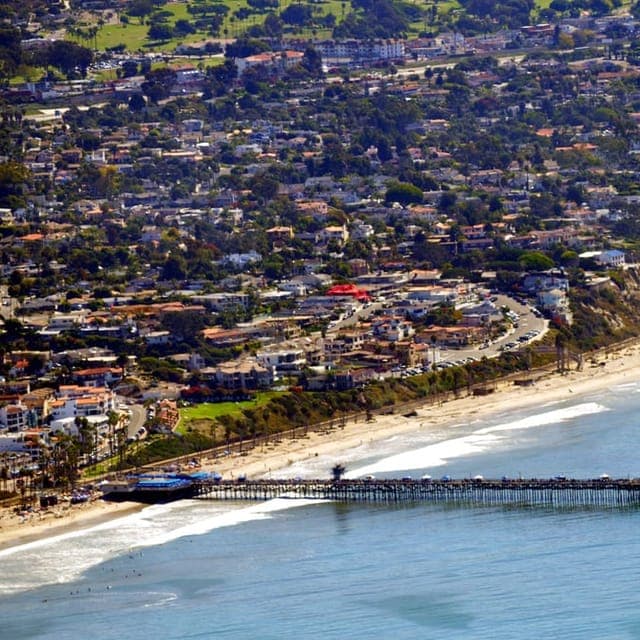
Similar small cities to Vista

* Values derived from national, state, county, city and local statistics and may differ in a specific area. Last updated: 2026-10-05T23:57:58.000Z
Narrative content on this page is AI-generated and may contain mistakes. Verify any details that matter before acting on them.
ReloMaps may earn a commission from affiliate links at no extra cost to you.

