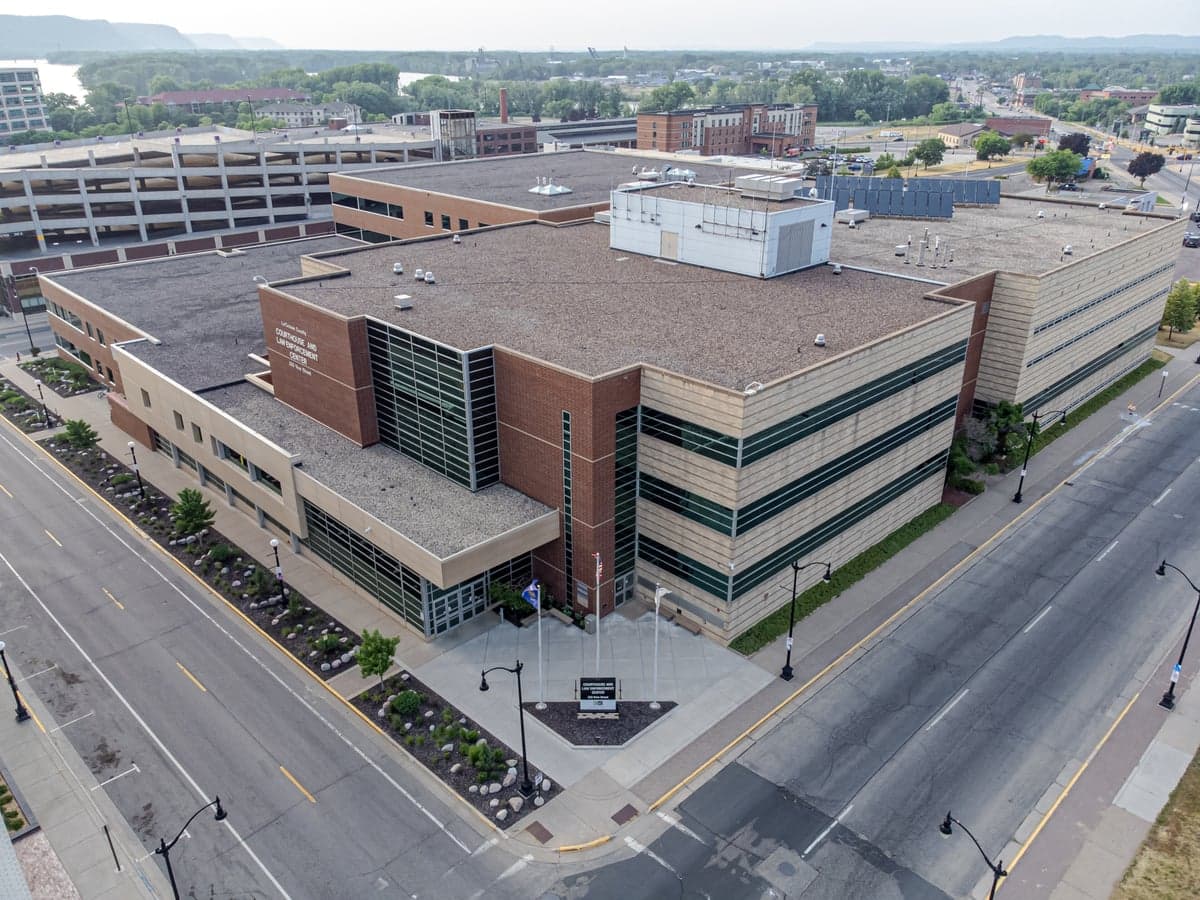
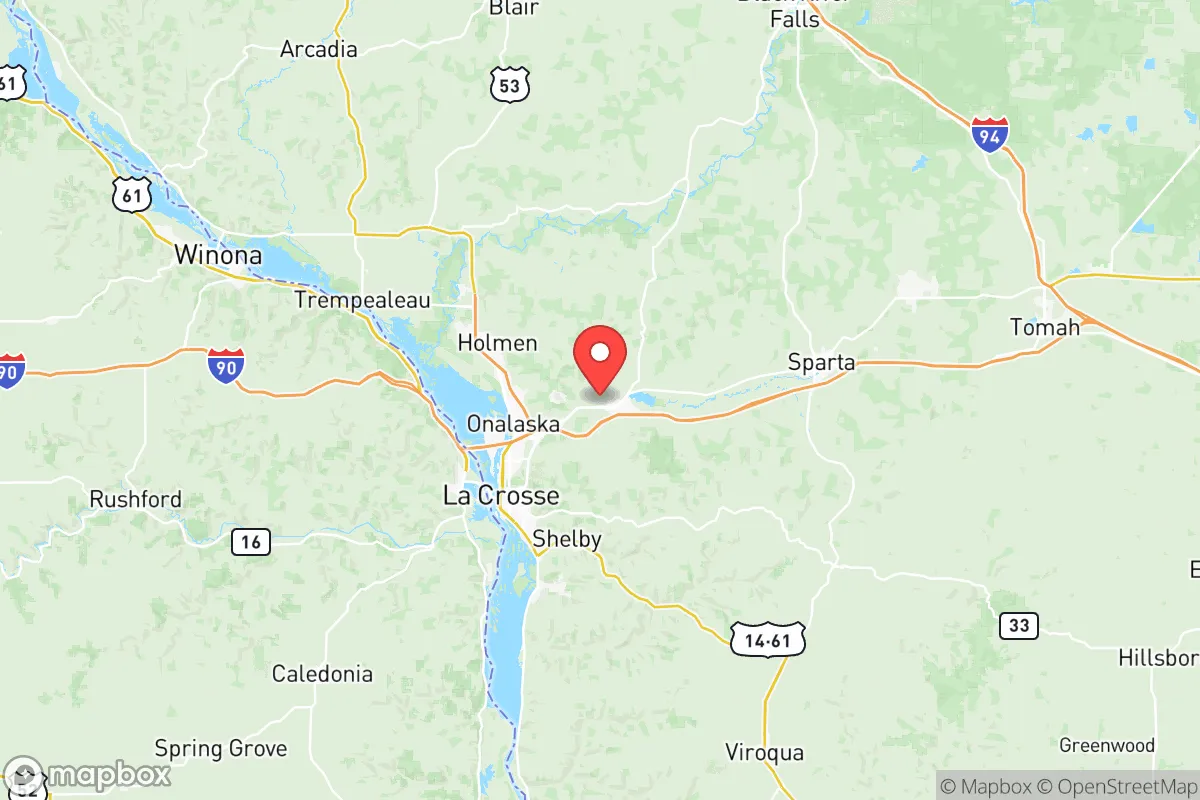
Photo: Wikipedia
Find The Best Places To Live in La Crosse County
PRO TIP! You can paste a Zillow or Redfin link to get info on that property.
Best Places to Live in La Crosse County
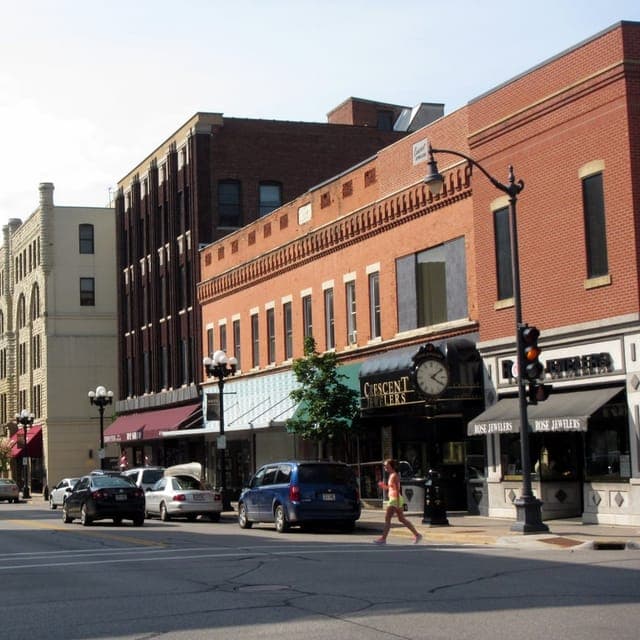
Cities & Towns in La Crosse County
Cities in La Crosse County
What It's Like Living in La Crosse County, WI
Living in La Crosse County means settling into a place where the Mississippi River bluffs shape both the skyline and the daily rhythm, and where the line between small-town familiarity and city amenities stays blurry. The county’s anchor, the city of La Crosse, gives you a walkable downtown and a major medical employer, while towns like Onalaska, Holmen, and West Salem offer quieter, family-oriented neighborhoods with their own school districts and Friday-night football rivalries. For a single person or family weighing a move here, the appeal is straightforward: you get a lower cost of living than the national average, a median home value around $243,200 that still feels attainable, and a pace of life that doesn’t demand a long commute—most people are at work in under 20 minutes.
Daily Rhythm: From River Bluffs to School Pickup Lines
A typical weekday in La Crosse County starts early for many, especially those working at Gundersen Health System or Mayo Clinic Health System, the two dominant employers that anchor the local economy. The commute is genuinely short—the average drive clocks in at just over 19 minutes—so you’re not burning an hour of your morning on interstate traffic. Families tend to cluster in Holmen or Onalaska for the school reputations, while younger singles and empty-nesters gravitate toward the historic neighborhoods near downtown La Crosse, where you can walk to coffee shops like the Root Note or catch a show at the Pump House Regional Arts Center. Weekend mornings often mean a trip to the La Crosse Farmers Market, one of the larger ones in the region, or a hike up Grandad Bluff for a view that makes you remember why people put up with the snow.
The county’s median age of 37.1 reflects a mix of young professionals drawn by healthcare jobs and families who stay put after college at UW-La Crosse. About 36% of adults hold a bachelor’s degree or higher, which is noticeable in the local culture—book clubs, lecture series, and a surprisingly active arts scene for a metro area of 120,000 people. That said, the vibe is more blue-jeans practical than coastal pretentious. You’ll see as many pickup trucks in the grocery store parking lot as Subarus.
Sports, Community, and the Things That Bring People Together
If you ask a local what binds this county together, they’ll probably mention the La Crosse Loggers, the collegiate summer baseball team that packs Copeland Park most evenings from June through August. It’s the kind of affordable, family-friendly outing where kids run the bases after the game and adults grab a beer from the concession stand. High school sports are a serious matter too—Onalaska and Holmen football games draw big crowds, and the rivalry between La Crosse Central and La Crosse Aquinas in basketball can fill a gym on a Tuesday night. For college sports, UW-La Crosse’s football and wrestling programs consistently compete at the Division III national level, and the university’s presence keeps the county feeling younger than its median age might suggest.
Beyond sports, the county’s identity is tied to the river and the bluffs. The La Crosse River State Trail and the Great River State Trail offer miles of paved biking and walking paths that connect communities, and in winter, cross-country skiing and ice fishing replace the summer kayaking and paddleboarding. Oktoberfest, held each fall in La Crosse, is the region’s biggest cultural event—four days of parades, beer tents, and bratwurst that draw people from all over the Midwest. It’s a genuine tradition, not a tourist gimmick, and it gives the county a shared annual rhythm.
Pros and Cons of Living in La Crosse County
No place is perfect, and La Crosse County has its trade-offs. Here’s what longtime residents tend to highlight:
- Pro: Cost of living that actually works. With a cost of living index of 87—13 percent below the national average—housing, groceries, and utilities leave more room in the budget. The median home value of $243,200 means a family with a median income of $70,704 can realistically buy a house in Onalaska or West Salem without stretching into debt.
- Pro: Outdoor access without the crowds. The bluffs, the Mississippi backwaters, and the trails are used, but you’re not competing for parking like you would in Colorado or even the Dells. Perrot State Park and Goose Island County Park are local standbys.
- Con: Winters are long and real. Snow starts in November and can linger into April. The county averages about 50 inches of snow annually, and gray skies wear on some people. If you hate shoveling or seasonal affective disorder hits you hard, this is a genuine factor.
- Con: Violent crime is above the national average. The county’s violent crime rate of 236.8 per 100,000 is higher than the U.S. average of roughly 230, though it’s concentrated in specific areas of La Crosse city rather than the suburbs or rural towns. Property crime is more widespread, so locking cars and securing bikes matters more here than in some neighboring counties.
Overall, the county attracts people who value community, don’t mind four distinct seasons, and want a place where a 20-minute commute feels long. It’s not a destination for nightlife seekers or those chasing rapid career growth outside healthcare, but for families and individuals who want a stable, affordable base with genuine character, it holds up well.

* Values derived from national, state, county, city and local statistics and may differ in a specific area. Last updated: 2026-07-12T00:21:09.000Z
Narrative content on this page is AI-generated and may contain mistakes. Verify any details that matter before acting on them.
ReloMaps may earn a commission from affiliate links at no extra cost to you.

