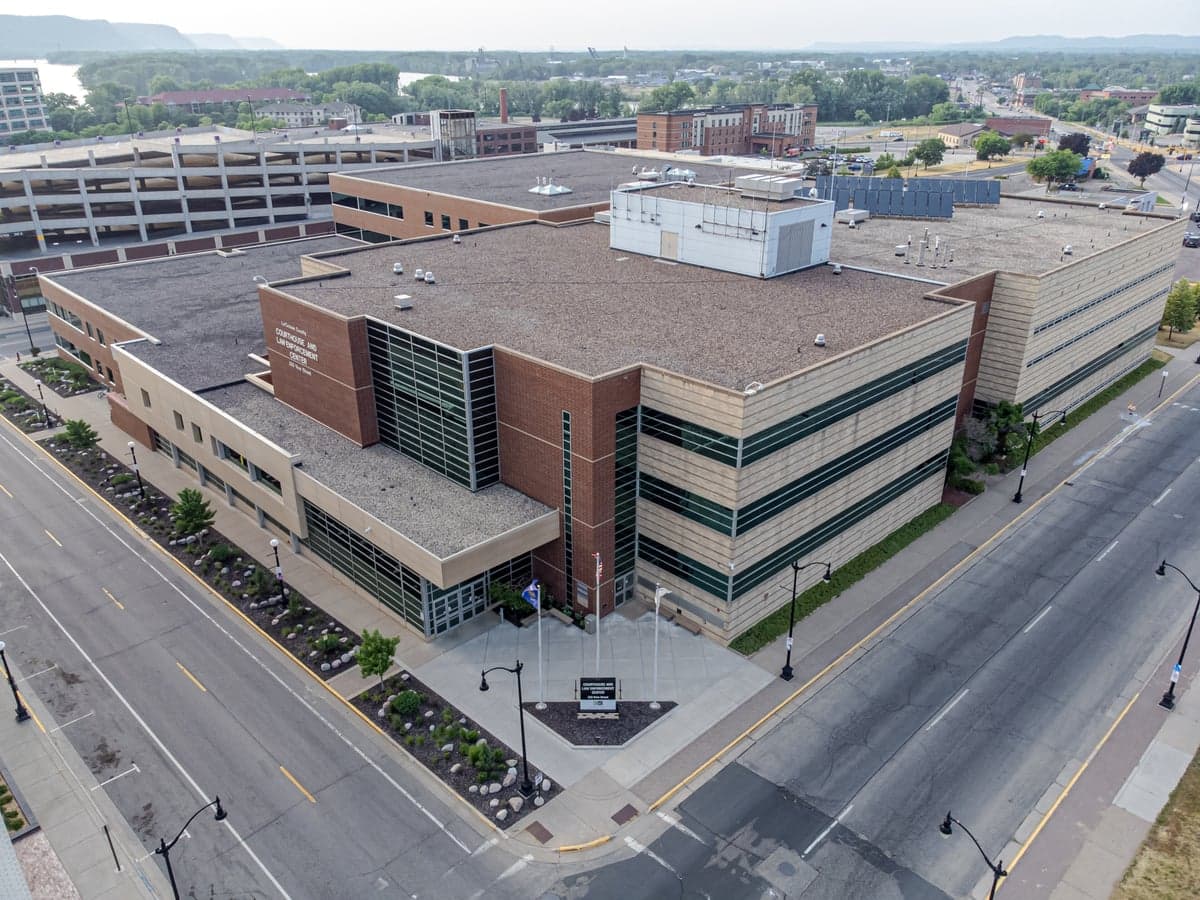
Photo: Wikipedia
Quality of Life in La Crosse County
A livable area that tracks near national norms for affordability, walkability, and neighborhood health.
What does Quality of Life tell us?
Quality of Life measures an area by evaluating factors like cost of living, nearby amenities, country club access, airport proximity, socioeconomic signals and neighborhood character. For large states, this is a general average — quality of life can vary dramatically between metro areas, suburbs, and rural communities within the same state.
What does this tell us?
Quality of Life measures an area by evaluating factors like cost of living, nearby amenities, country club access, airport proximity, socioeconomic signals and neighborhood character. For large states, this is a general average — quality of life can vary dramatically between metro areas, suburbs, and rural communities within the same state.
Cost of Living
13% below national average
102%
The Real Cost of Living in La Crosse County for 2026
| Tier | Individual | Family (4) |
|---|---|---|
| Survival | $16k | $31k |
| Comfortable | $47k | $69k |
| Luxury | $128k+ | $198k+ |
| Elite (Top 5%) | $153k+ | $236k+ |
Quality-of-Life Analysis
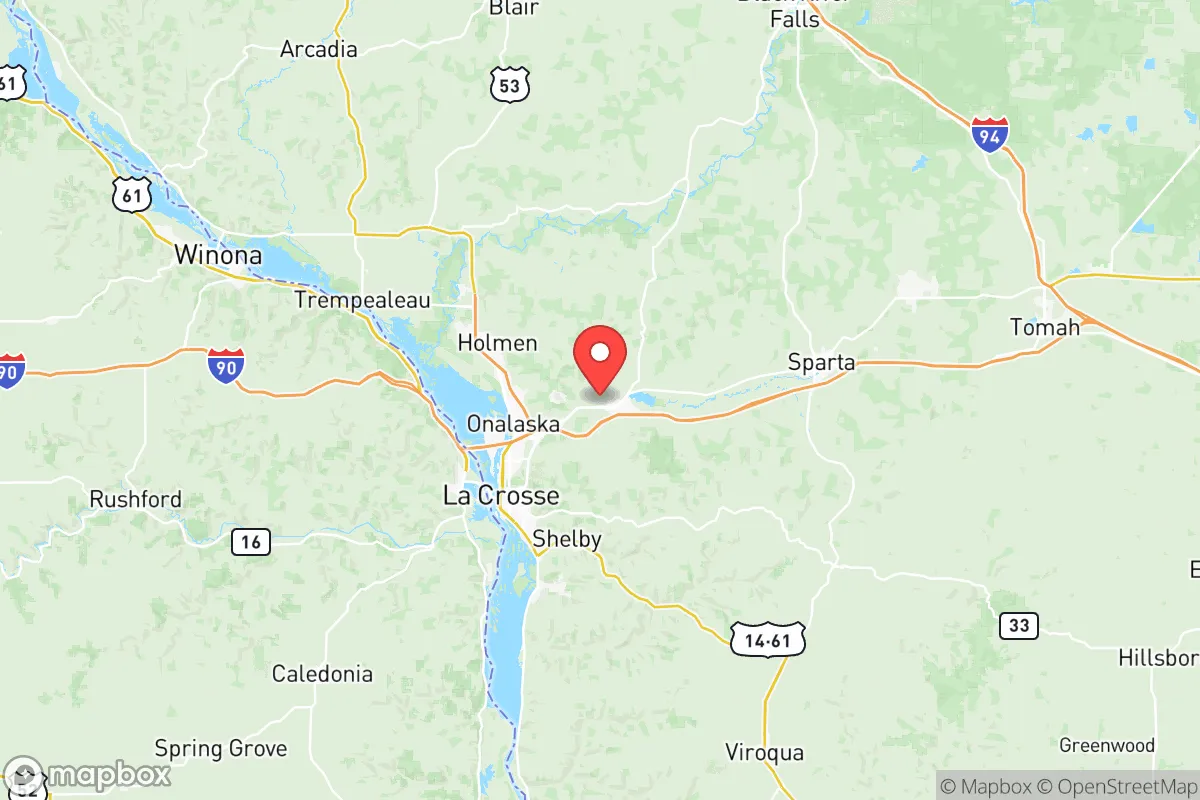
La Crosse County offers a spectrum of living environments that range from the urban core of La Crosse itself to quiet, unincorporated crossroads and working farms, all within a county where the cost of living sits at 87 on the national index (100 = US average). The county attracts a mix of university students and medical professionals drawn to the city's amenities, alongside families and retirees seeking small-town affordability in communities like Onalaska or Holmen, and homesteaders or commuters looking for land in the rural townships of Holland or Farmington. The 19-minute average commute makes this spread practical, allowing residents to choose their setting without sacrificing access to the region's largest employment hub.
Largest town(s) & population centers
La Crosse, the county seat and home to the University of Wisconsin-La Crosse and Mayo Clinic Health System, is the dense, walkable urban center with a median home value of $243,200 and a median rent of $1,023. Daily life here revolves around the downtown riverfront, the Grandad Bluff hiking trails, and a calendar of festivals. Onalaska, immediately north, functions as a major retail and employment subcenter with newer subdivisions and big-box shopping along Highway 53, offering a more suburban daily rhythm. Holmen, the fastest-growing village in the county, provides a family-oriented, newer-construction feel with its own school district and a growing commercial corridor.
Smaller towns & rural pockets
West Salem, a village of roughly 5,000, offers a quieter, self-contained downtown and a strong school system, appealing to those who want small-town identity within a 15-minute drive of La Crosse. The unincorporated hamlet of Mindoro, tucked into the county's rural northwest, is a crossroads community surrounded by dairy farms and bluffland. The townships of Holland, Farmington, and Bangor are predominantly agricultural, with scattered homes on acreage and a handful of local taverns and churches serving as social anchors.
Cost & lifestyle range
At the higher end of the cost spectrum, La Crosse's historic neighborhoods near the university and Riverside Park command prices above the county median, while newer subdivisions in Onalaska and Holmen push toward $300,000. At the lower end, older homes in rural townships like Washington or the village of Rockland can be found for under $175,000, and rent in these areas often falls below $900. The trade-off is clear: city dwellers pay more for walkability and nightlife, while rural residents gain acreage and quiet but drive farther for groceries and services.
This county works best for people who want options within a compact geography — a medical professional living in a downtown La Crosse condo, a remote worker on five acres near Mindoro, and a family in a Holmen subdivision can all share the same school district, hospital system, and 19-minute commute. The diversity of settings within a single county is its defining strength.

Crime in La Crosse County
Generally safer than 61% of comparable U.S. locations.
Violent CrimeViolent Crime Analysis
Property CrimeProperty Crime Analysis
Crime Analysis
La Crosse County, anchored by the city of La Crosse along the Mississippi River, presents a mixed safety profile where property crime rates significantly exceed national averages while violent crime remains below the U.S. norm. With a violent crime rate of 236.8 per 100,000 residents and a property crime rate of 996.9 per 100,000, the county's overall safety picture is heavily influenced by the urban core of La Crosse and its surrounding townships. Residents in outlying communities like Onalaska and Holmen generally experience lower crime incidence, while the city of La Crosse itself, particularly near the downtown and university districts, accounts for a disproportionate share of reported offenses.
Crime in context
When compared to Wisconsin's statewide violent crime rate of approximately 290 per 100,000, La Crosse County's 236.8 figure places it below the state average and well under the national rate of roughly 380 per 100,000. Property crime, however, tells a different story: the county's 996.9 per 100,000 rate exceeds both the Wisconsin average of about 1,100 and the national figure of approximately 1,950, indicating a moderate property crime problem relative to the state but a lower one nationally. The disparity between violent and property crime rates suggests that while serious personal offenses are less common, theft, burglary, and vehicle break-ins are persistent concerns, particularly in the city of La Crosse's downtown and near the University of Wisconsin-La Crosse campus. The La Crosse County District Attorney's office, operating under a progressive prosecutorial philosophy in recent years, has emphasized diversion programs and reduced incarceration for non-violent property offenders, a policy approach that critics argue contributes to repeat offenses and undermines deterrence. Surrounding jurisdictions like the town of Campbell and the village of West Salem report lower property crime volumes, though their rates per capita can spike due to small population denominators.
What residents experience
Daily life in La Crosse County varies sharply by location. Residents in the city of La Crosse, especially those living near the downtown entertainment district or the university area, frequently encounter issues like bicycle theft, car break-ins, and occasional vandalism, with the La Crosse Police Department responding to a high volume of service calls relative to the city's population of roughly 52,000. In contrast, families in Onalaska and Holmen describe a quieter environment where unlocked cars and package thefts are the primary nuisances, and violent crime is rare. The progressive judicial philosophy in La Crosse County, where judges and the district attorney have prioritized alternatives to incarceration and restorative justice, has led to concerns among residents about repeat property offenders cycling through the system without meaningful consequences. This approach, while intended to reduce jail overcrowding and address root causes of crime, has resulted in a perception among some community members that the justice system prioritizes offender rehabilitation over public safety and victim restitution. The La Crosse County Sheriff's Department patrols unincorporated areas and smaller towns like Bangor and Rockland, where crime rates remain low and community policing is more personal.
Neighborhood-level variation within the city of La Crosse is pronounced. The Washburn neighborhood and areas near the south side commercial corridors report higher concentrations of property crime and drug-related offenses, while the historic Cass Street and State Road neighborhoods see fewer incidents. In the suburbs of Onalaska and Holmen, crime is largely confined to retail theft at shopping centers and occasional domestic disturbances, with violent crime almost nonexistent. The progressive policies of the La Crosse County justice system, including the use of deferred prosecution agreements and reduced bond amounts for property offenders, have drawn criticism from residents in higher-crime neighborhoods who feel the system fails to protect them from repeat victimization. For those considering relocation, the safest areas within La Crosse County are generally the smaller towns and suburban communities, while the city of La Crosse requires more vigilance, particularly regarding property security and awareness of the local justice system's lenient approach to non-violent crime.
* Values derived from national, state, county, city and local statistics and may differ in a specific area. Last updated: 2026-07-12T00:21:09.000Z
Narrative content on this page is AI-generated and may contain mistakes. Verify any details that matter before acting on them.
ReloMaps may earn a commission from affiliate links at no extra cost to you.

