Photo: Wikipedia
Find The Best Places To Live
in La Crosse
PRO TIP! You can paste a Zillow or Redfin link to get info on that property.
What It's Like Living in La Crosse, WI
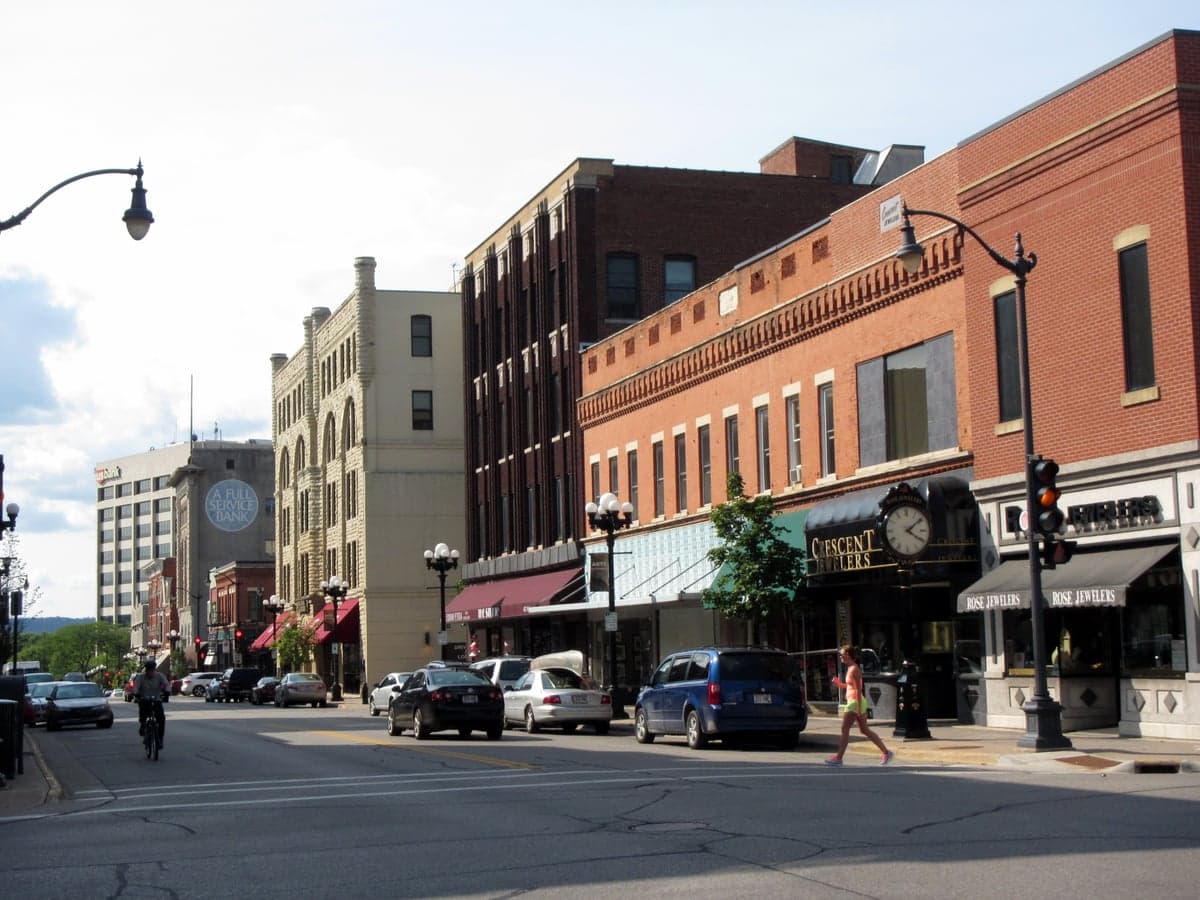
La Crosse has a way of feeling bigger than its population of 51,791 suggests, thanks to the three rivers, the bluffs, and the energy that comes from being the biggest city for a hundred miles in any direction. It’s a place where a downtown bar scene that could pass for a small city’s and a deep-rooted high school sports culture coexist with a surprisingly young median age of 30.3. You get the sense that people here are either passing through for college or a first job and then deciding to stay, or they’ve been here for three generations and know every back road through the coulees.
The Daily Rhythm: Work, Commute, and Weekend Habits
Daily life in La Crosse moves at a pace that feels deliberate without being slow. The average commute is just over 16 minutes, which means most people are home in time to actually do something with their evening — whether that’s a bike ride along the Mississippi River, a quick hike up Grandad Bluff for the view, or grabbing a table at The Crow or Lovechild for dinner. The median household income sits at $53,803, which goes further here than in most places thanks to a cost of living index of 78 — well below the national average of 100. That means a family can afford a median home value of $196,600 on a single moderate income, something that’s become rare in much of the Midwest.
Weekends are split between outdoor activity and socializing. In warmer months, the La Crosse River State Trail and the Great River State Trail fill with cyclists and runners. In winter, people ice fish on the backwaters or head to Mount La Crosse for skiing and snowboarding. The Downtown Main Street area is the social hub, with a mix of breweries like Pearl Street Brewery and 608 Brewing Company, plus coffee shops and the historic Rivoli Theatre for live music and films.
Sports, Schools, and Community Identity
High school sports are a genuine cultural force here. La Crosse Central and La Crosse Logan have fierce rivalries, and Friday night football games in the fall draw crowds that rival some small colleges. The University of Wisconsin-La Crosse (UWL) is a major presence — not just for its 10,000 students, but for its Division III athletics, which are taken seriously by locals. The UWL Eagles football and basketball games are well-attended, and the university’s Mitchell Hall is a community gathering spot for events. There’s no pro sports team, but the La Crosse Loggers (Northwoods League summer collegiate baseball) pack Copeland Park on summer nights, offering cheap tickets and a family-friendly atmosphere that feels like a throwback to small-town America.
Schools themselves are a point of pride. The La Crosse School District is one of the larger employers in the area, and the community invests heavily in its facilities and programs. For parents, the presence of Viterbo University and Western Technical College alongside UWL means there’s a strong pipeline from high school to local higher education, which keeps many families rooted here.
What’s There to Do: Festivals, Bars, and the Outdoors
La Crosse punches above its weight in entertainment. The Oktoberfest celebration each fall is the city’s signature event — a multi-weekend festival with parades, beer tents, and a carnival that draws people from across the region. It’s a genuine tradition, not a tourist gimmick. The Riverfest in July brings national music acts to the riverfront, and the La Crosse Blues Festival is a smaller but dedicated gathering. For nightlife, the downtown bar scene is dense — The Bodega, Browntown, and Starlite Lounge each have their own loyal followings, and the La Crosse Center hosts concerts and conventions.
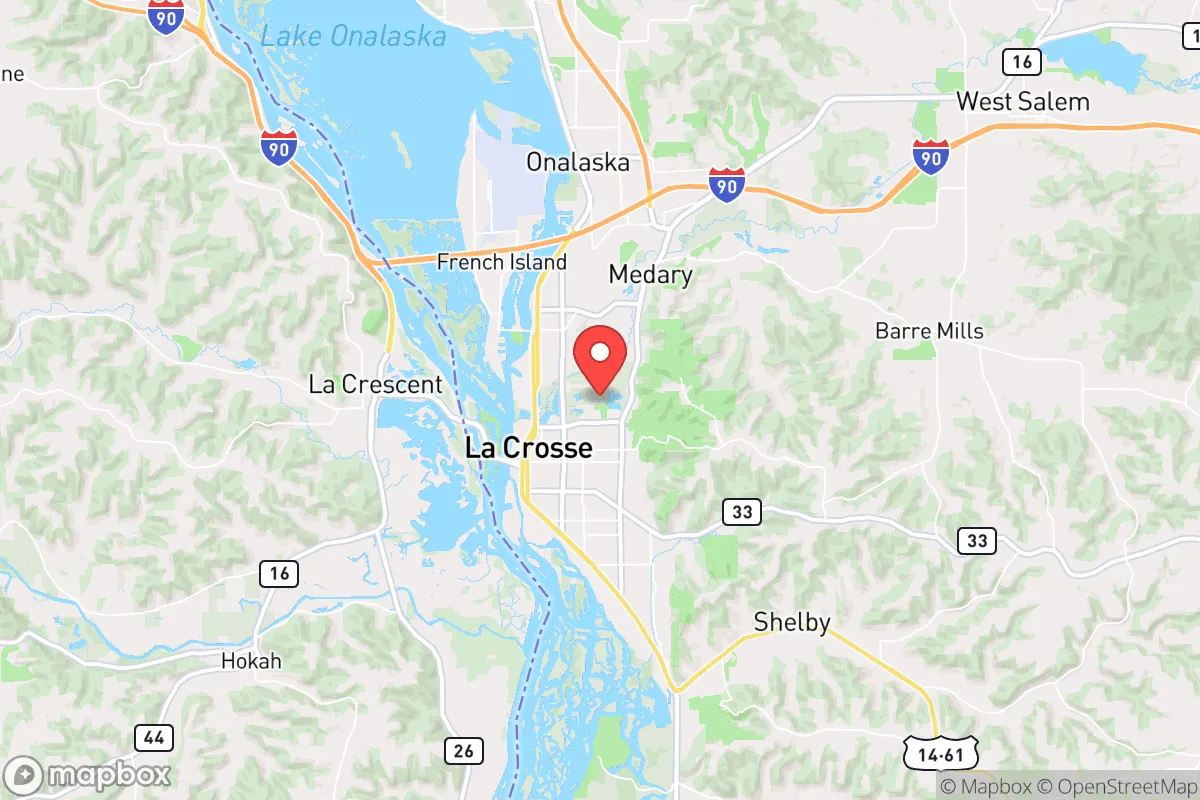
Outdoor life is the real draw. The Upper Mississippi River National Wildlife and Fish Refuge is right at the city’s edge, offering fishing, kayaking, and birding. The bluffs — Grandad Bluff is the most famous — provide hiking with views that stop you in your tracks. The La Crosse River and Black River converge with the Mississippi here, creating a landscape that feels more like the Pacific Northwest than the Midwest.
Pros and Cons of Living Here
What longtime residents love: The low cost of living, the short commute, the genuine sense of community where neighbors know each other, and the access to outdoor recreation that rivals much larger cities. The schools are solid, the downtown is walkable and vibrant, and the festivals give the year a rhythm.
What frustrates them: The violent crime rate of 416.5 per 100,000 is higher than the national average, and while it’s concentrated in certain areas, it’s a real concern for families choosing neighborhoods. The weather is a mixed bag — winters are long and cold, with lake-effect snow from the Mississippi keeping things gray from November through March. Job growth is steady but not explosive; the largest employers are Mayo Clinic Health System, Gundersen Health System, and the school district, so the economy is heavily healthcare- and education-driven. That’s stable, but it can feel limited for people in tech or manufacturing.
Cultural quirks: La Crosse has a strong “Wisconsin nice” vibe, but it can also feel insular. Newcomers sometimes note that social circles formed in high school or college are hard to break into. The city is also notably young — 34.8% of adults have a college degree, which is above the national average, and the bar scene reflects that with a lively, sometimes rowdy, energy on weekends. It’s a place that rewards people who put down roots, but it can feel small for those who don’t.

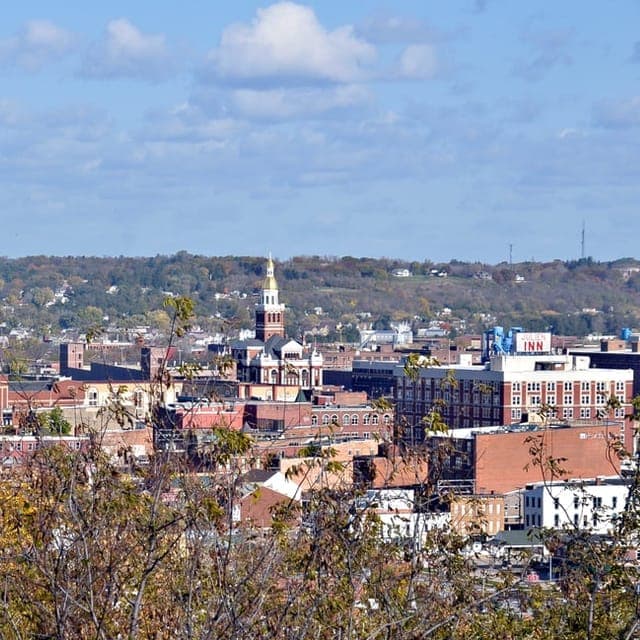
Similar small cities to La Crosse

* Values derived from national, state, county, city and local statistics and may differ in a specific area. Last updated: 2026-04-21T10:34:26.000Z
Narrative content on this page is AI-generated and may contain mistakes. Verify any details that matter before acting on them.
ReloMaps may earn a commission from affiliate links at no extra cost to you.

