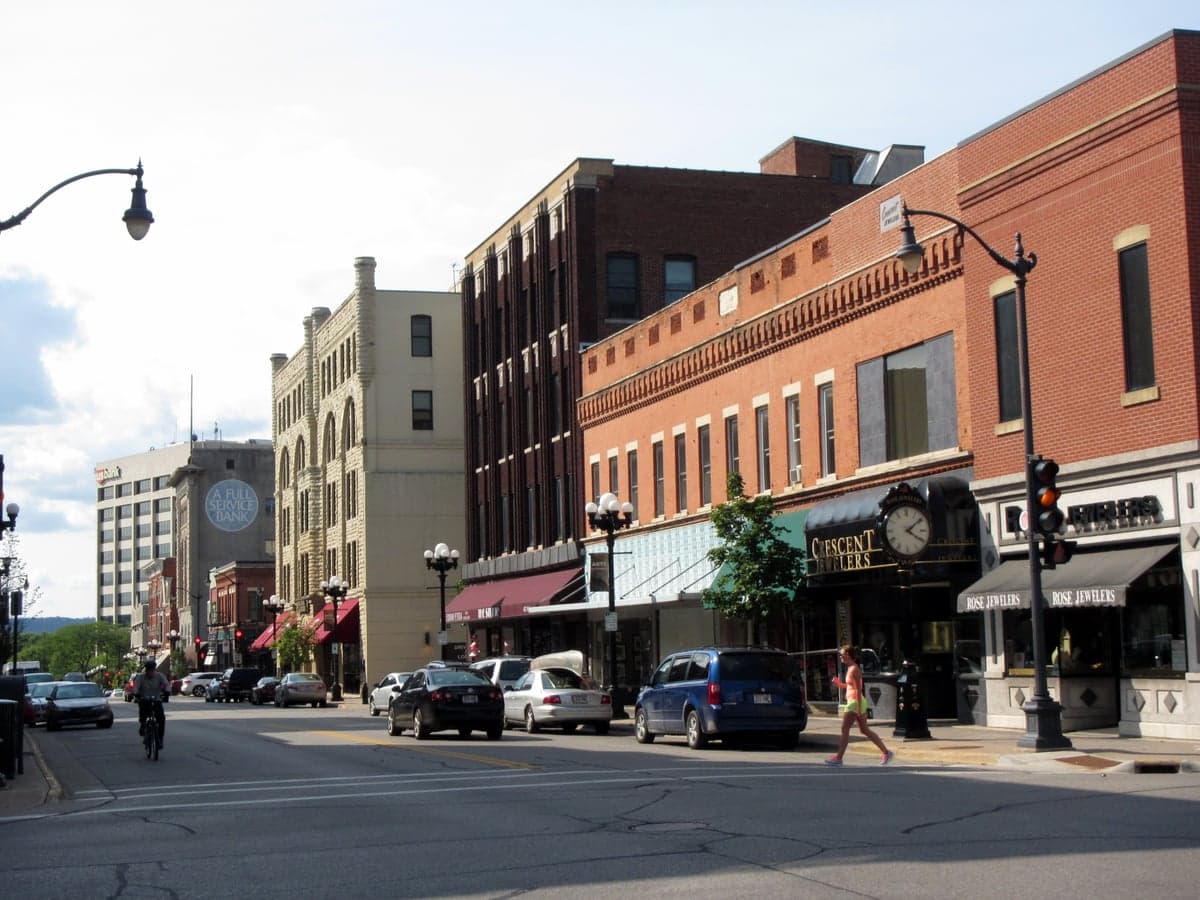
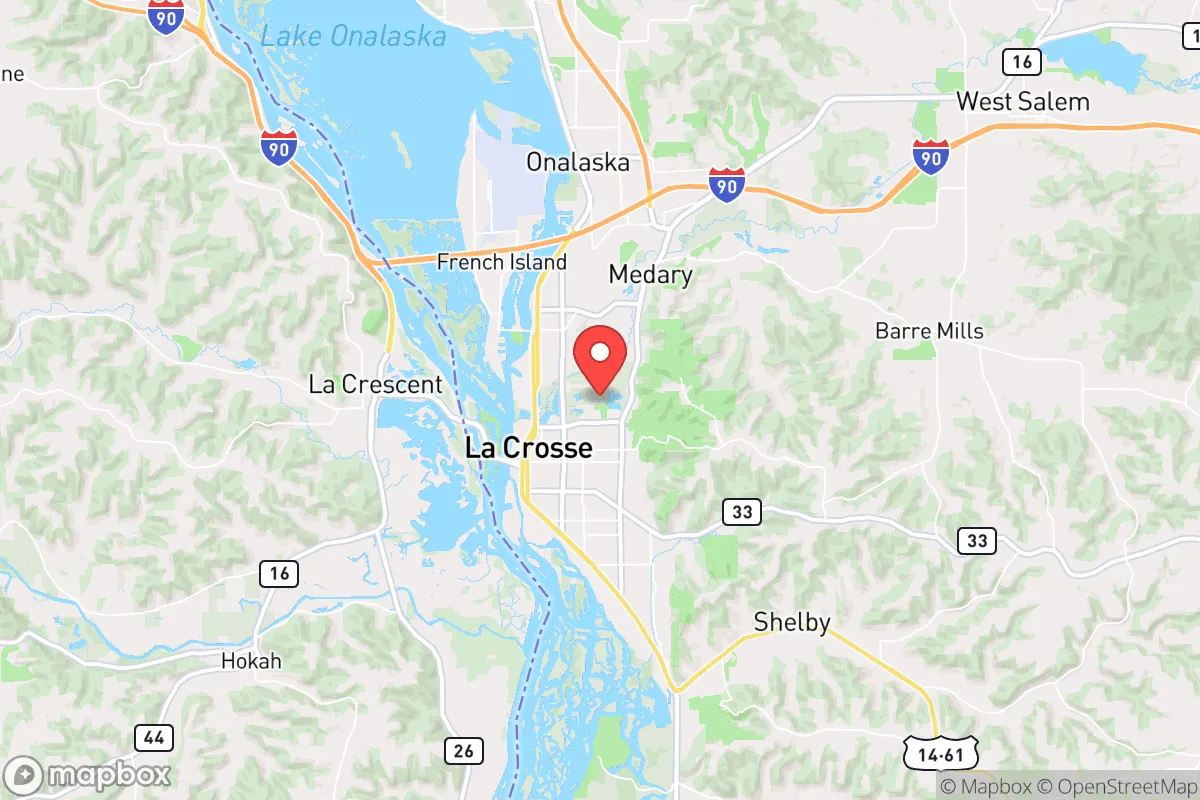
Photo: Wikipedia
Quality of Life in La Crosse, WI
A high quality of life with strong walkability, manageable living costs, healthy neighborhood signals, and solid amenity access.
What does Quality of Life tell us?
Quality of Life blends cost of living, nearby amenities, socioeconomic signals, and neighborhood character. City-level scores represent the whole municipality; individual neighborhoods can differ.
What does this tell us?
Quality of Life blends cost of living, nearby amenities, socioeconomic signals, and neighborhood character. City-level scores represent the whole municipality; individual neighborhoods can differ.
Cost of Living
22% below national average
The Real Cost of Living in La Crosse, WI for 2026
| Tier | Individual | Family (4) |
|---|---|---|
| Survival | $16k | $29k |
| Comfortable | $38k | $56k |
| Luxury | $97k+ | $151k+ |
| Elite (Top 5%) | $124k+ | $193k+ |
96%
The Area Signal
A metric tracking the socioeconomic signals of the area.
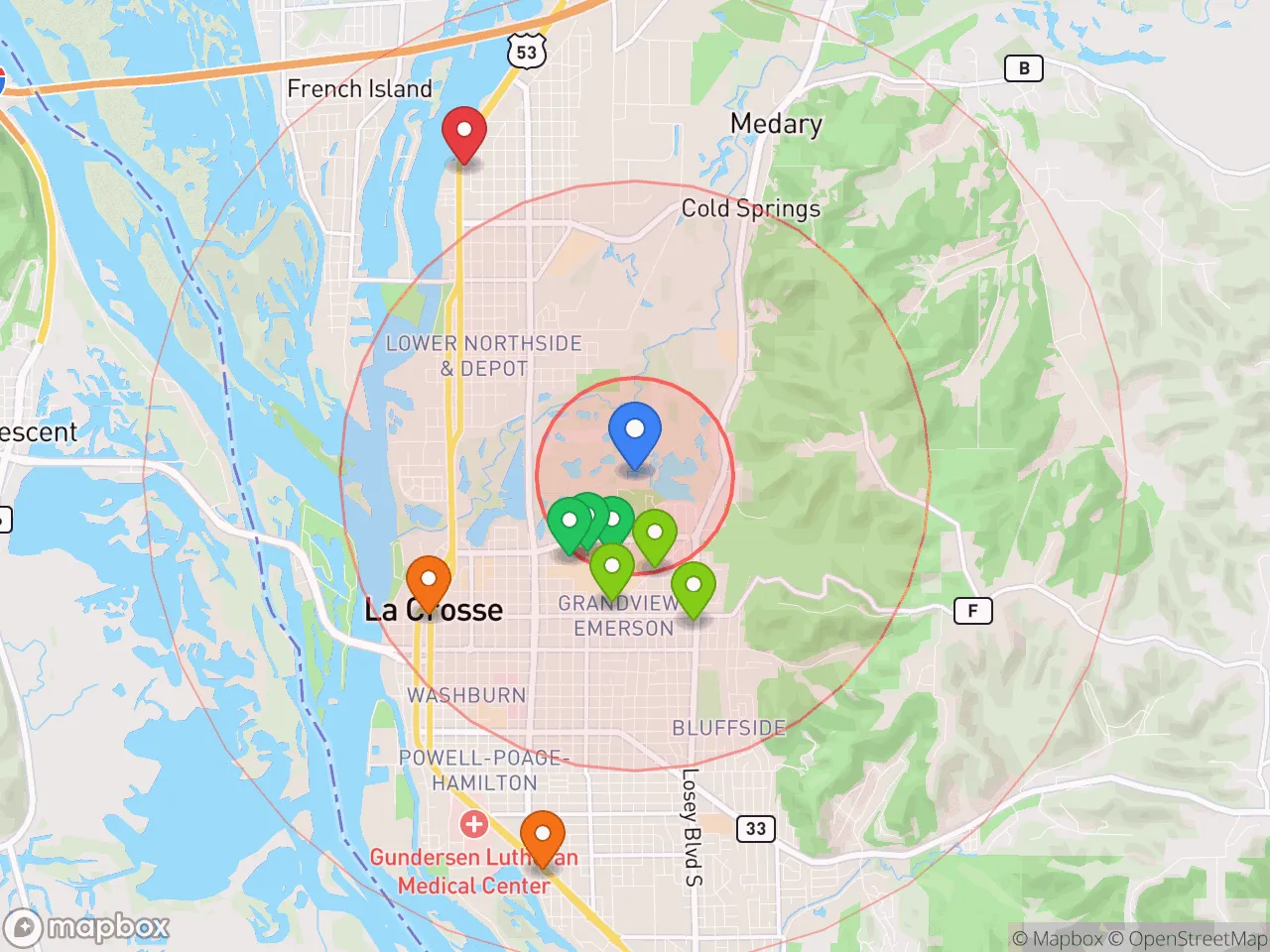
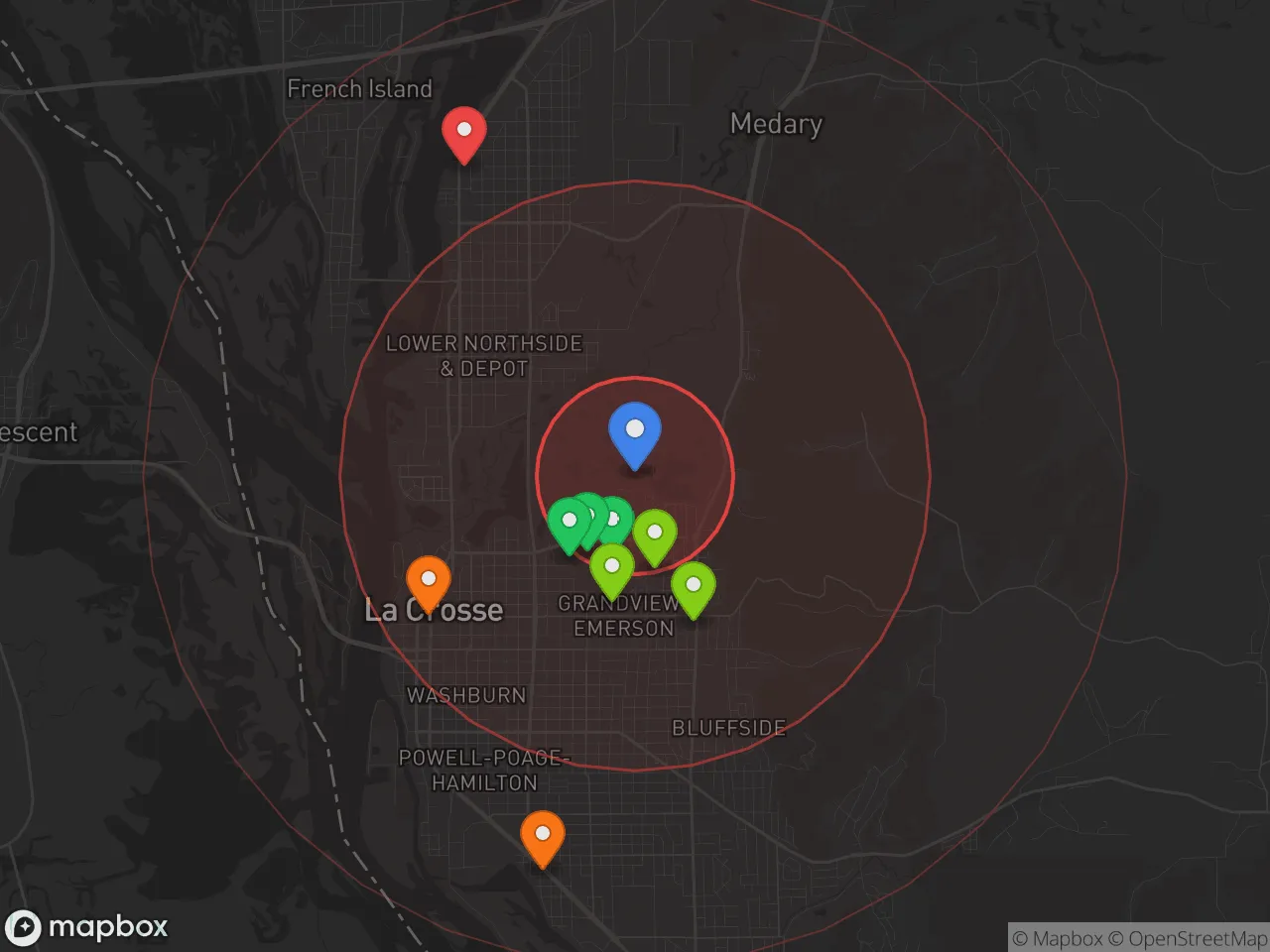
Hobbies
Explore the areaGroceries
5 within 10 miles
Gas
20 within 10 miles
Hospital
2 within 20 miles
Airport
JFK — John F. Kennedy Memorial
Post Office
USPS — La Crosse, WI
Critical Amenities
Quality-of-Life Analysis
La Crosse, Wisconsin, offers a quality of life defined by moderate affluence and a strong sense of community, attracting a mix of young professionals, families, and retirees who value outdoor recreation and a lower cost of living. With a cost of living index of 78—well below the national average of 100—the area provides financial breathing room that is increasingly rare in the Upper Midwest. The population skews younger due to the presence of three universities, including the University of Wisconsin-La Crosse, giving the city a vibrant, educated demographic alongside a stable base of long-term residents in healthcare and manufacturing.
How housing costs and affordability compare to nearby cities
Housing in La Crosse is notably affordable, with a median home value of $196,600 and a median rent of $977, both significantly lower than in comparable regional hubs like Rochester, MN (median home value ~$280,000) or Madison, WI (~$350,000). The cost of living index of 78 means everyday expenses—groceries, utilities, and transportation—are roughly 22% cheaper than the U.S. average. The average commute of just 16.5 minutes is a standout advantage, cutting typical travel time by nearly half compared to the national average of 26 minutes, which reduces both transportation costs and daily stress. For renters, the median rent of $977 is manageable on a median household income of roughly $55,000, though homebuyers should note that inventory can be tight in desirable neighborhoods like the Historic Powell-Poage-Hamilton District or near the bluffs.
What daily life is like for families and professionals
Daily life in La Crosse revolves around a compact, walkable downtown and the natural playground of the Mississippi River bluffs. The La Crosse School District serves about 5,000 students and includes Logan High School and Central High School, both with strong extracurricular programs, while private options like Aquinas Catholic Schools offer alternatives. For professionals, major employers like Mayo Clinic Health System, Gundersen Health System, and Trane Technologies anchor the economy, providing stable jobs in healthcare and manufacturing. The city’s amenities include the La Crosse Center for concerts and events, the 7-mile La Crosse River State Trail for biking and hiking, and the annual Oktoberfest celebration that draws over 100,000 visitors. The rhythm is slower than in larger metros, with a strong emphasis on outdoor recreation—kayaking on the Black River, skiing at Mt. La Crosse, and hiking the bluff trails at Grandad Bluff Park are common weekend activities.
This combination of affordability, short commutes, and access to nature makes La Crosse an ideal fit for people who prioritize financial stability and outdoor lifestyle over urban nightlife or career extremes. Young families will appreciate the low cost of raising children and the safe, tight-knit neighborhoods, while remote workers and retirees can stretch their dollars further than in pricier Midwest cities. However, those seeking a fast-paced, diverse metropolitan scene or high-end retail and dining may find the options limited. Overall, La Crosse thrives as a place where a balanced, unhurried life is the norm, supported by solid schools, reliable employers, and a landscape that encourages daily exploration.

Crime in La Crosse, WI
Crime rates similar to the national median for U.S. locations.
Violent CrimeViolent Crime Analysis
Property CrimeProperty Crime Analysis
Crime Analysis
La Crosse, Wisconsin, presents a crime profile that warrants careful consideration for potential residents. The city's violent crime rate of 416.5 incidents per 100,000 residents and property crime rate of 3,454.2 per 100,000 place it significantly above both state and national averages, a pattern that reflects broader challenges in many Midwestern metro areas. These figures, drawn from the most recent FBI Uniform Crime Reporting data, indicate that La Crosse experiences a notably higher incidence of crime than similarly sized communities in Wisconsin, a factor that should be weighed alongside the city's otherwise strong quality-of-life indicators.
Crime in context
To understand La Crosse's safety landscape, it is essential to compare its rates to benchmarks. The national violent crime rate for 2023 was approximately 380 per 100,000, while Wisconsin's statewide rate was roughly 290 per 100,000. La Crosse's violent crime rate of 416.5 per 100,000 is therefore about 10% higher than the national average and a striking 44% higher than the Wisconsin average. Property crime tells a similar story: the national rate hovers around 1,950 per 100,000, and Wisconsin's is about 1,600 per 100,000. La Crosse's property crime rate of 3,454.2 per 100,000 is nearly double the national average and more than double the state average. These disparities are not trivial; they suggest systemic issues that go beyond typical urban density. A contributing factor, as seen in many larger metro areas with progressive judicial philosophies, is a local justice system that may prioritize rehabilitation and diversion over incarceration. While sympathetic to offenders, such an approach can result in more criminals remaining on the street, undermining public safety and diminishing justice for victims. La Crosse's status as a regional hub for healthcare, education, and retail draws a transient population that can also elevate crime statistics, but the judicial climate remains a key concern for those evaluating long-term safety.
What residents experience
For those living in La Crosse, the elevated crime rates translate into tangible daily realities. Property crime—including theft, burglary, and motor vehicle theft—is the most common concern, with residents frequently reporting stolen packages, bicycle thefts, and break-ins, particularly in areas near the University of Wisconsin-La Crosse campus and downtown. Violent crime, while less frequent, is concentrated in specific corridors, with aggravated assault accounting for the majority of incidents. The city's police department has implemented community policing initiatives and crime prevention programs, but the sheer volume of property crime can strain resources. Residents in neighborhoods like the North Side and near the downtown core often report a heightened sense of vigilance, while those in outlying areas such as the South Side or near Grandad Bluff may experience lower incident rates. The progressive lean of local elected officials and district attorneys, who often advocate for alternatives to prosecution, can create a perception that repeat offenders face minimal consequences, further eroding trust in the system. For families and professionals, this means that choosing a specific neighborhood is not just about aesthetics but about proximity to known crime hotspots and the effectiveness of local law enforcement.
Neighborhood-level variation in La Crosse is pronounced. The downtown area and the near-campus neighborhoods (e.g., the "Student Ghetto") see the highest concentrations of both property and violent crime, driven by nightlife activity and transient populations. In contrast, residential areas like the historic districts near the bluffs or the newer developments on the city's outskirts report significantly lower crime rates, often comparable to the state average. Prospective residents are advised to consult the La Crosse Police Department's online crime mapping tool and speak with local real estate agents who can provide block-by-block insights. While the city's overall crime numbers are concerning, a careful choice of neighborhood can mitigate much of the risk, though the broader judicial and policy environment remains a persistent factor that demands ongoing attention.
* Values derived from national, state, county, city and local statistics and may differ in a specific area. Last updated: 2026-04-21T10:34:26.000Z
Narrative content on this page is AI-generated and may contain mistakes. Verify any details that matter before acting on them.
ReloMaps may earn a commission from affiliate links at no extra cost to you.

