
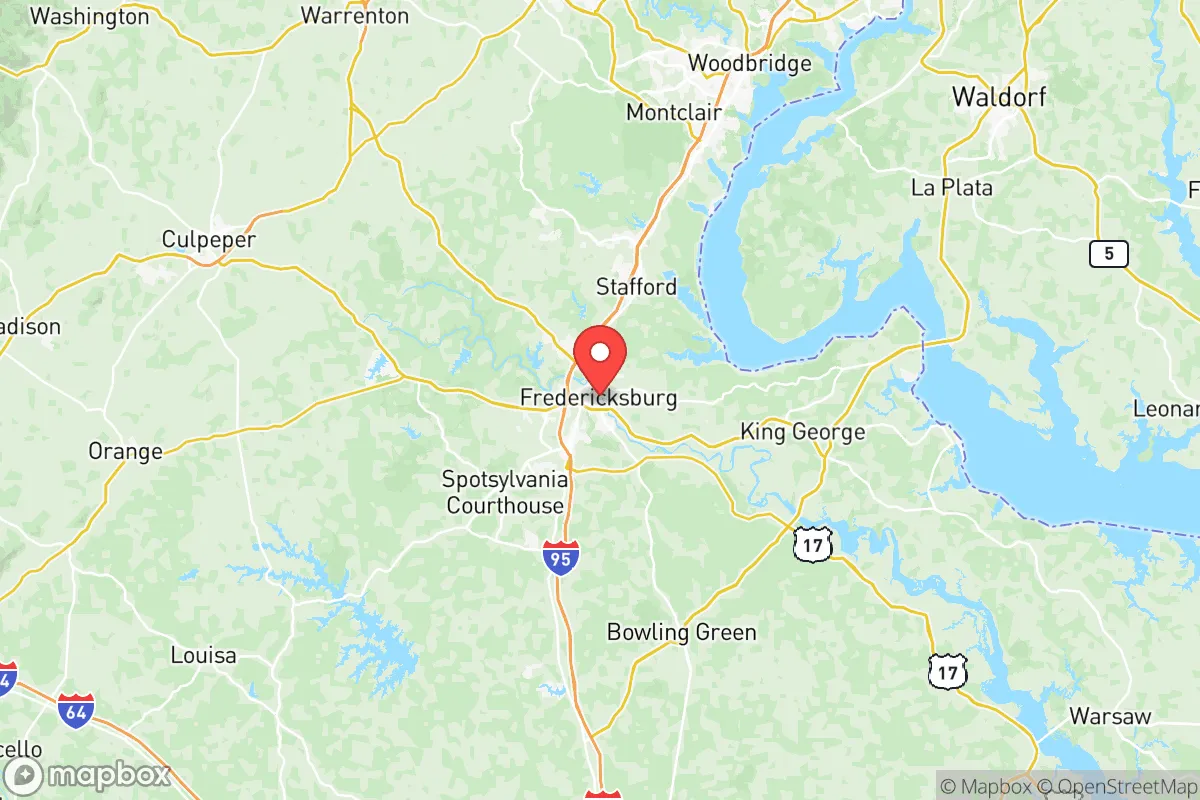
Photo by Damien Santos on Unsplash
Find The Best Places To Live in Fredericksburg City County
PRO TIP! You can paste a Zillow or Redfin link to get info on that property.
Best Places to Live in Fredericksburg City County
Cities & Towns in Fredericksburg City County
Cities in Fredericksburg City County
What It's Like Living in Fredericksburg City County, VA
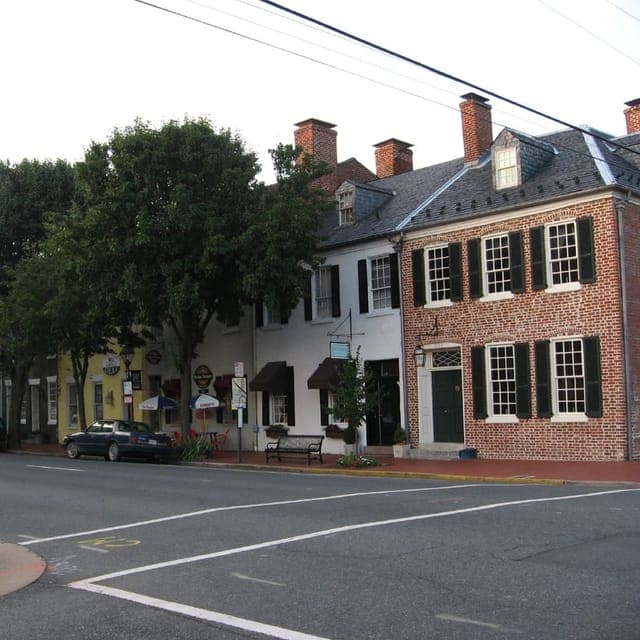
Living in Fredericksburg City County feels like being in a small, historic city that punches above its weight in culture and convenience, but without the sprawl of its bigger neighbors. It’s a place where you can walk to a Civil War battlefield in the morning, grab coffee at a local roastery, and be in Washington, D.C. for a night game—all in the same day. The 28,383 residents here are a mix of young professionals, military families from nearby Quantico, and long-timers who remember when Caroline Street had more antique shops than breweries.
The Daily Rhythm: Walkable History Meets Commuter Reality
Fredericksburg’s daily life revolves around its compact, walkable downtown—a rarity in Virginia. People actually live above the shops on Princess Anne Street, and weekend mornings see crowds at Hyperion Espresso or Katora Coffee before hitting the Fredericksburg Farmers Market at Hurkamp Park. The median age here is just 31, which explains the energy: you’ll see as many young families pushing strollers as students from the University of Mary Washington. That said, the average commute of 32.7 minutes is a real trade-off. Many residents commute north to Quantico or even D.C. (a 60-90 minute drive on I-95), while others work at Mary Washington Healthcare, the city’s largest employer, or at the Naval Surface Warfare Center Dahlgren just down the river.
For families, the schools are a central hub. Fredericksburg City Public Schools serve the city proper, while many families in the county’s rural edges—like Spotsylvania or Stafford—choose private options like Fredericksburg Christian School. The city’s own James Monroe High School is a point of pride, especially during football season when the Yellow Jackets pack the stands on Friday nights. The weather here is four-season but mild: summers are humid and hit the 90s, winters rarely see heavy snow (maybe one or two dustings), and spring and fall are gorgeous—perfect for the city’s many outdoor festivals.
Sports, Entertainment, and the Weekend Vibe
Sports culture in Fredericksburg is more about community than big-league spectacle. The Fredericksburg Nationals (a Washington Nationals minor-league affiliate) play at Virginia Credit Union Stadium, and a summer evening game with $5 beers is a classic local outing. High school sports are a bigger deal here than in many suburbs—Friday-night football at Riverbend High School in nearby Spotsylvania draws crowds, and the rivalry between James Monroe and Massaponax High is genuine. For college sports, University of Mary Washington’s Eagles compete in Division III, but most locals drive an hour to Charlottesville for UVA games or to Richmond for VCU basketball.
Entertainment leans historic and outdoorsy. The Fredericksburg Area Museum and Kenmore Plantation draw history buffs, while the Rappahannock River offers kayaking, tubing, and the popular Canal Path for running and biking. The city’s biggest event is the Fredericksburg Dog Mart (a quirky 300-year-old tradition where people once traded dogs—now it’s a family festival with live music). Other can’t-miss spots include Carl’s Frozen Custard (a local institution since 1947) and Brock’s Riverside Grill for riverside dining. For nightlife, Adventure Brewing Company and Red Dragon Brewery are the go-to spots for craft beer, while Kybecca is a wine bar that feels more Richmond than small-town Virginia.
Pros and Cons: What Locals Love and What Grinds Their Gears
What residents love:
- Walkable history: You can live in a 200-year-old house and walk to dinner, the train station, and the river. The historic district is genuinely charming, not just a tourist trap.
- Proximity to everything: D.C. is 50 miles north, Richmond 55 miles south, and the Blue Ridge Mountains an hour west. You get small-town life with big-city access.
- Strong sense of community: The median income of $85,368 supports a solid middle class, and you’ll see the same faces at the farmers market, the Nats game, and church on Sunday.
What frustrates them:
- I-95 traffic: The commute is the #1 complaint. A 32-minute average commute sounds fine, but that’s the local average—D.C. commuters often face 90 minutes each way. The VRE train to D.C. helps, but it’s not a cure-all.
- Cost of living: At 144 on the index (44% above the U.S. average), Fredericksburg isn’t cheap. The median home value of $461,500 prices out many young families, especially compared to Stafford or Spotsylvania where homes run $100K less.
- Limited nightlife: If you’re under 25 and not into breweries or history, you’ll find the scene thin. The city rolls up sidewalks early—most bars close by midnight.
Crime is a mixed bag. The violent crime rate of 209 per 100,000 is below the national average (about 380), but property crime—especially car break-ins near the train station—is a real annoyance. Most residents feel safe downtown, but they lock their cars.
The kind of person who fits here is someone who values history, walkability, and community over nightlife and sprawl. It’s ideal for a young professional who works in D.C. but wants a yard, or a family that wants good schools and a downtown they can actually use. It’s less ideal for someone seeking a 24-hour city or a cheap cost of living. The cultural quirk? Fredericksburg is fiercely independent—it’s not Northern Virginia, not Richmond, and definitely not the rural South. It’s its own thing, and locals like it that way.

* Values derived from national, state, county, city and local statistics and may differ in a specific area. Last updated: 2026-06-28T12:31:20.000Z
Narrative content on this page is AI-generated and may contain mistakes. Verify any details that matter before acting on them.
ReloMaps may earn a commission from affiliate links at no extra cost to you.

