Photo: Wikipedia
Find The Best Places To Live
in Arlington
PRO TIP! You can paste a Zillow or Redfin link to get info on that property.
What It's Like Living in Arlington, VA
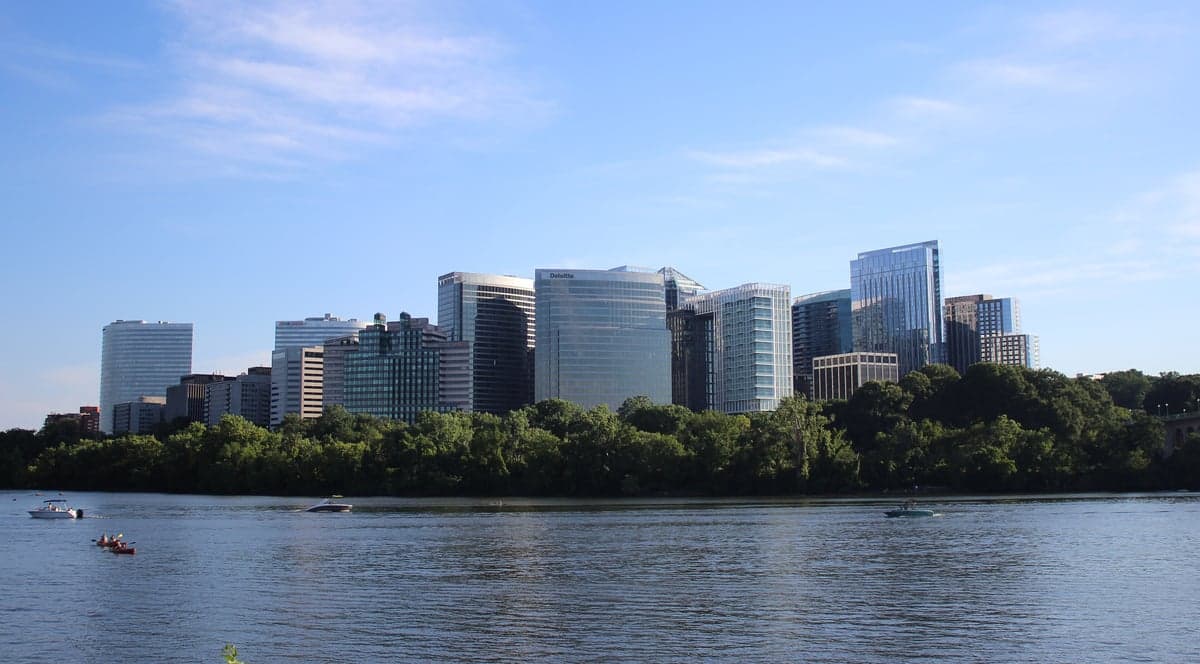
Arlington, Virginia, has a way of surprising people. It’s not quite D.C., not quite the suburbs, and not quite a small town—it’s its own creature, a dense, leafy, intensely educated community where the daily rhythm is set by federal jobs, Metro trains, and a fierce loyalty to local parks and schools. If you’re moving here, you’re likely trading a yard for a patio and a car for a bike, but you’re also gaining a place where your neighbors can talk policy and high school football with equal passion.
Daily Rhythm: The Commute, the Coffee, and the Weekend Reset
Most mornings in Arlington start with a walk to the Metro. The average commute clocks in at just under 27 minutes, but that number hides a split personality: people heading into D.C. on the Orange or Silver lines often have a quicker trip than those driving to Tysons or the Pentagon. By 8 a.m., the coffee shops in Clarendon and Ballston are packed with people in suits and Patagonia vests alike, grabbing a pastry from Northside Social or a pour-over at Swings Coffee. Weekends shift gears entirely. You’ll see families biking the Mount Vernon Trail along the Potomac, couples playing kickball at Fort Ethan Allen Park, and crowds spilling onto the patios of Galaxy Hut or The Liberty Tavern. The median age here is 35.5, and it shows—this is a place where people are still building careers and families, not winding down.
Who Fits In: The Educated, the Ambitious, and the Outdoorsy
With 77.1% of residents holding a college degree and a median household income of $140,160, Arlington attracts a specific type: professionals who value walkability, public transit, and a calendar full of community events. It’s a place where a single analyst and a family of four can coexist on the same block, but the cost of living index of 240 (more than double the national average) means that comfort often requires two incomes or a high-level government salary. The median home value of $864,800 puts single-family homes out of reach for many, so condos and townhouses are the norm. If you’re looking for a big yard and a quiet cul-de-sac, you’ll likely end up in Falls Church or McLean. But if you want to walk to a farmers market, a Metro stop, and a half-dozen restaurants, Arlington is hard to beat.
Sports & Community: From High School Rivalries to the Nationals
Sports here are less about pro teams and more about local pride. Washington-Liberty High School and Yorktown High School have fierce football and lacrosse rivalries that draw hundreds of parents and alumni on Friday nights. The Arlington Soccer Association is a massive youth operation, and on weekends, the fields at Greenbrier Park are a sea of jerseys. For pro sports, most residents adopt D.C. teams—the Washington Nationals (just across the river) and the Washington Commanders (out in Landover) are the default. But the real local obsession is the Marine Corps Marathon, which snakes through Arlington every October, shutting down streets and turning the entire county into a cheering section.
What’s There to Do: Festivals, Parks, and the Quirks of County Life
Arlington packs a lot into its 26 square miles. The Arlington County Fair in August is a beloved tradition—think carnival rides, 4-H animals, and funnel cakes. The Columbia Pike Blues Festival and Rosslyn Jazz Festival draw big crowds in the summer. For outdoor enthusiasts, the Potomac Overlook Regional Park offers hiking and a nature center, while the Arlington National Cemetery is both a solemn landmark and a stunning place for a contemplative walk. The food scene leans heavily on ethnic diversity—Pho 75 in Clarendon is a cult favorite for pho, and Ray’s the Steaks in Courthouse is a no-frills steakhouse that locals swear by. One cultural quirk: Arlingtonians are obsessed with their county government. The Arlington County Board meetings are genuinely well-attended, and people have strong opinions about bike lanes and zoning.
Pros and Cons of Living Here
- Pro: Walkability is exceptional. Most neighborhoods have grocery stores, restaurants, and parks within a 10-minute walk. The Arlington Loop bus is free and connects key areas.
- Con: Traffic on I-66 and Route 50 is brutal during rush hour, and parking is a constant headache in denser areas like Clarendon and Courthouse.
- Pro: Schools are top-tier. Arlington Public Schools consistently rank among the best in Virginia, and the Arlington Career Center offers specialized programs.
- Con: The cost of living is punishing. A modest two-bedroom condo can cost $600,000, and rent for a one-bedroom averages over $2,200.
- Pro: The violent crime rate of 210.4 per 100,000 is lower than D.C.’s and comparable to other affluent suburbs, though property crime (especially bike theft) is a real issue.
- Con: The weather is a mixed bag—humid summers, mild winters, and a pollen season that can be brutal for allergy sufferers.
Practical Realities: Weather, Schools, and the Seasonal Beat
Arlington has four distinct seasons. Summers are hot and sticky, with temperatures often in the 90s and thunderstorms rolling through in the afternoon. Winters are mild, with maybe one or two snow days that shut down the city for a day. Spring and fall are glorious—cherry blossoms along the Potomac in April, and crisp, golden leaves in October. Schools are the backbone of the community; Arlington Public Schools are so well-regarded that many families move here specifically for them, and the Arlington County Library system is a hub for kids’ programs and adult book clubs. The biggest frustration for longtime residents is the constant construction—Arlington is still building, with new apartment towers going up in Pentagon City and National Landing, bringing more people and more traffic. But for those who can afford it, the trade-off is a vibrant, walkable, and deeply engaged community that feels like a small town inside a big city’s orbit.

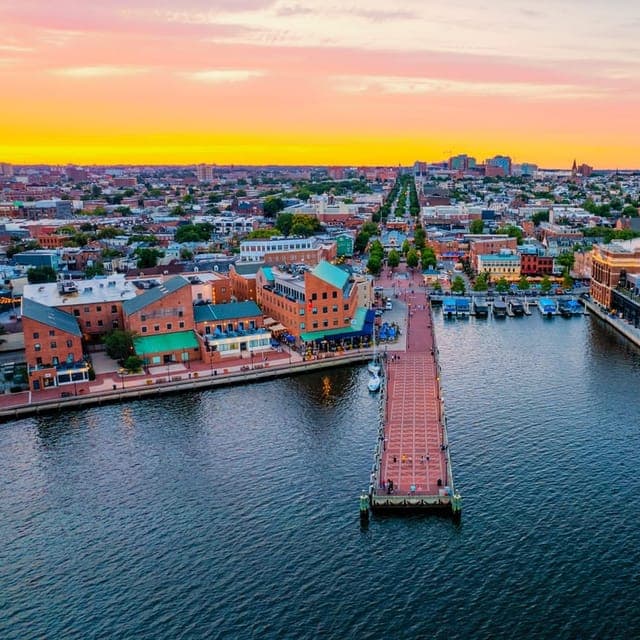
Similar small cities to Arlington

* Values derived from national, state, county, city and local statistics and may differ in a specific area. Last updated: 2026-10-01T19:42:59.000Z
Narrative content on this page is AI-generated and may contain mistakes. Verify any details that matter before acting on them.
ReloMaps may earn a commission from affiliate links at no extra cost to you.

