Find The Best Places To Live in Chesapeake City County
PRO TIP! You can paste a Zillow or Redfin link to get info on that property.
Best Places to Live in Chesapeake City County
Cities & Towns in Chesapeake City County
Cities in Chesapeake City County
What It's Like Living in Chesapeake City County, VA
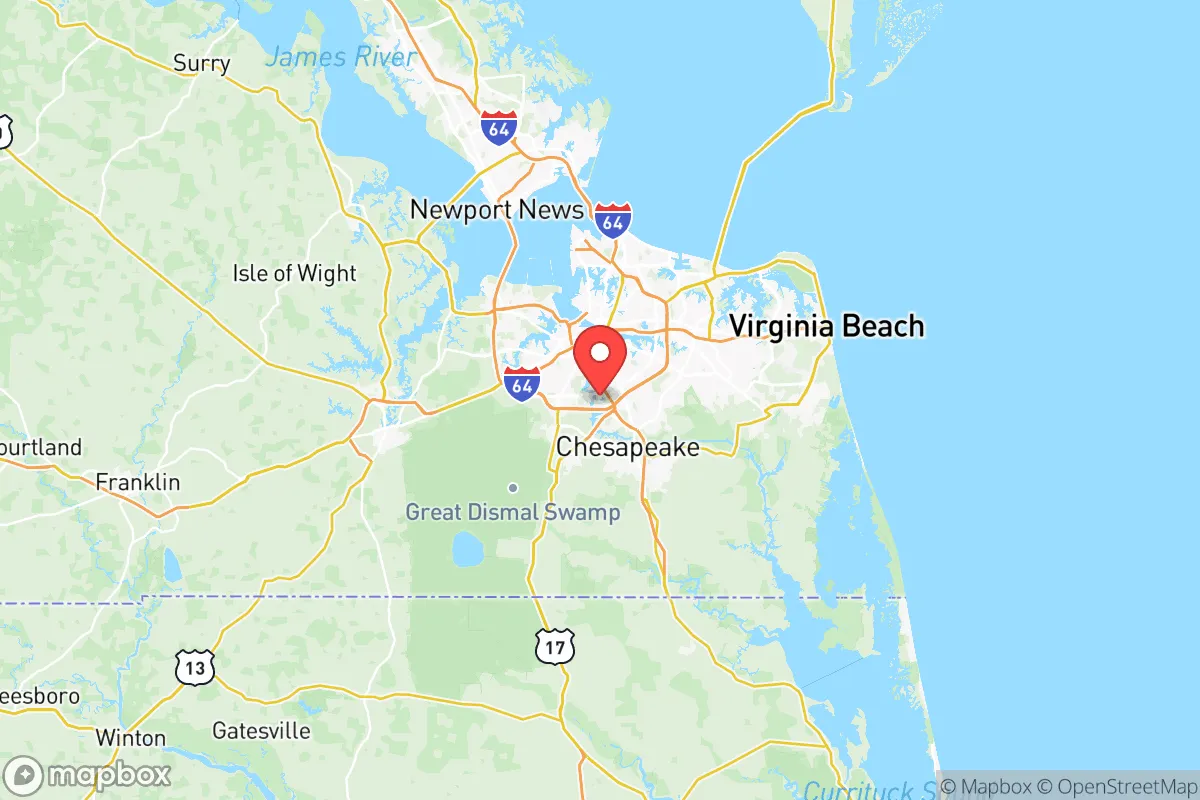
Chesapeake City County, Virginia, is a place where the line between city convenience and rural space blurs in a way that feels distinctly Virginian. It’s the kind of area where you can live on a quiet, wooded lot in Deep Creek and still be 20 minutes from the Norfolk Naval Base, or raise a family in a newer subdivision near Great Bridge while your kids play on the same ball fields their parents did. With a population just over 251,000, it’s Virginia’s second-largest city by land area, and that sprawl means you’ll find everything from working waterfronts in South Norfolk to horse farms out near Hickory.
Daily Rhythm: The Commute, the Schools, and the Weekend Reset
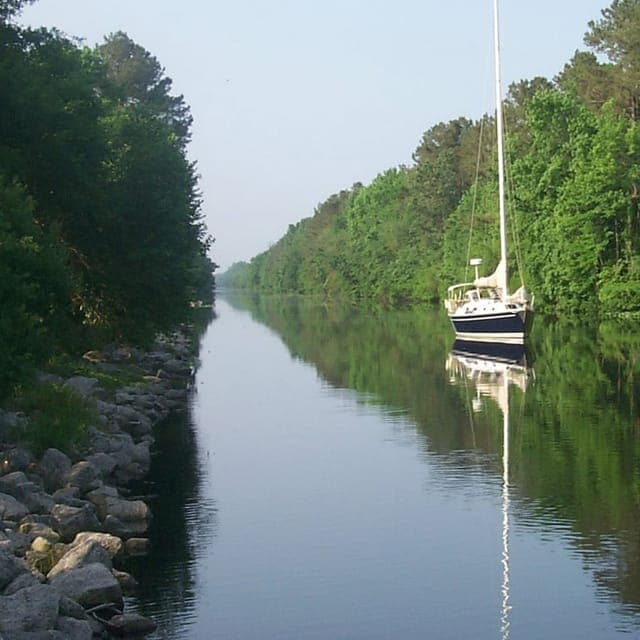
For most people here, the day starts with a drive. The average commute clocks in at about 25.5 minutes, which is manageable but real—especially if you’re heading into Norfolk or Virginia Beach. The main arteries, like Battlefield Boulevard and George Washington Highway, can get thick during rush hour, but locals know the back roads through Western Branch or along the Dismal Swamp Canal. Once you’re home, life slows down. Weekends often mean hitting the Intracoastal Waterway for kayaking, grabbing a plate of fried oysters at a spot like The Butcher’s Son in Great Bridge, or spending Saturday morning at the Chesapeake Farmers Market on Battlefield Boulevard. The median age here is 37.7, and the median household income sits at $94,189—a number that reflects the mix of military families, shipyard workers, and professionals who’ve traded Norfolk’s bustle for a yard and a garage.
Schools are a big deal. Chesapeake Public Schools are consistently rated among the best in Hampton Roads, and neighborhoods like Greenbrier are popular precisely because of schools like Hickory High and Great Bridge High. Friday nights in the fall mean high school football, and the rivalry between Oscar Smith High and Indian River High draws crowds that rival some small-college games. If you’re a family with school-age kids, this is a place where the school calendar shapes the social calendar.
What’s There to Do: Water, Woods, and a Little Nightlife
Outdoor life is the backbone of Chesapeake’s identity. The Great Dismal Swamp National Wildlife Refuge is a 112,000-acre gem for hiking and birding, and the Northwest River Park offers canoe rentals and miles of trails. On the water, the Elizabeth River and its tributaries are dotted with community docks and small boat launches. For entertainment, the Chesapeake City Park hosts concerts and the annual Chesapeake Jubilee, a three-day festival with carnival rides and live music that feels like a county fair. The Greenbrier Mall area is the commercial hub, with chain restaurants and a movie theater, but the real local flavor is in the independent spots: Kelly’s Tavern in Great Bridge for a beer and a burger, or Amicci’s in Deep Creek for Italian. The cost of living index is 130, notably higher than the national average, so a night out isn’t cheap—but the median home value of $359,100 is still more attainable than in Arlington or Richmond.
For sports fans, you’re close to the Norfolk Tides (Triple-A baseball) and the Norfolk Admirals (hockey), but the real energy is around college sports. Virginia Tech and UVA are both a few hours away, and you’ll see Hokies and Cavaliers flags flying in equal measure. The area also has a strong youth sports culture, with soccer and lacrosse leagues filling the weekends at fields in Bells Mill and Cedar Road.
Pros and Cons of Living Here: What Locals Will Tell You
Ask anyone who’s been here a decade, and they’ll start with the space. Chesapeake is one of the few places in Hampton Roads where you can still buy a house with a half-acre lot and not feel like you’re in the middle of nowhere. The violent crime rate is 209.3 per 100,000—lower than Norfolk’s and about on par with Virginia Beach—and most residents feel safe in their neighborhoods. The downsides? Traffic is real, especially on the I-64 corridor, and the humidity from June through September can be oppressive. Mosquitoes are a fact of life near the swamp, and hurricane season keeps everyone on alert. Some locals grumble that the city has grown too fast, with new subdivisions eating up farmland in Hickory and Moyock just over the North Carolina line.
But the trade-off is a community that feels both rooted and practical. You’ll find more pickup trucks than Teslas, more church potlucks than rooftop bars, and a general attitude that people are here to live, not to show off. The 36.4% college-educated rate is solid but not elite, and the workforce leans heavily toward trades, military service, and healthcare. If you’re a single professional looking for a vibrant nightlife, this probably isn’t your spot—you’ll want Norfolk. But if you’re a family or someone who values a quiet yard, good schools, and easy access to both the coast and the country, Chesapeake makes a lot of sense.

* Values derived from national, state, county, city and local statistics and may differ in a specific area. Last updated: 2026-07-16T05:54:36.000Z
Narrative content on this page is AI-generated and may contain mistakes. Verify any details that matter before acting on them.
ReloMaps may earn a commission from affiliate links at no extra cost to you.

