
Photo: Wikipedia
Find The Best Places To Live in Maverick County
PRO TIP! You can paste a Zillow or Redfin link to get info on that property.
Best Places to Live in Maverick County
Cities & Towns in Maverick County
Cities in Maverick County
What It's Like Living in Maverick County, TX
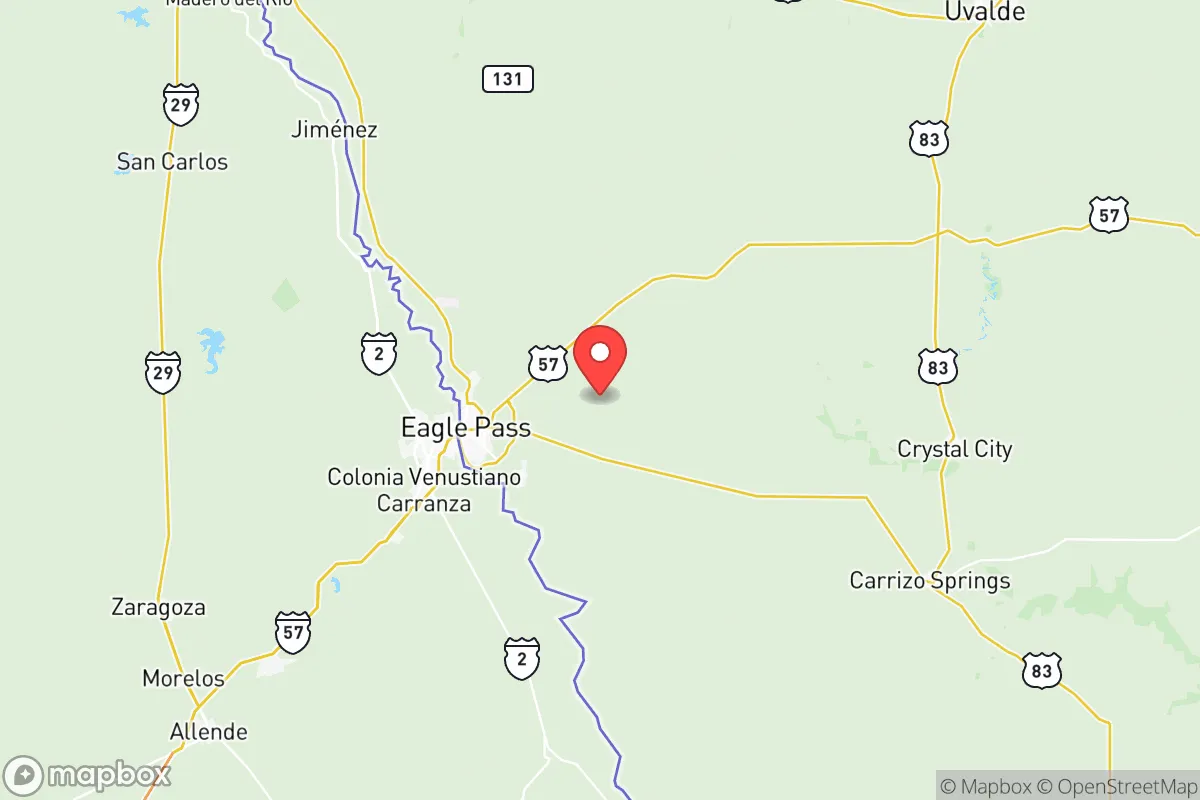
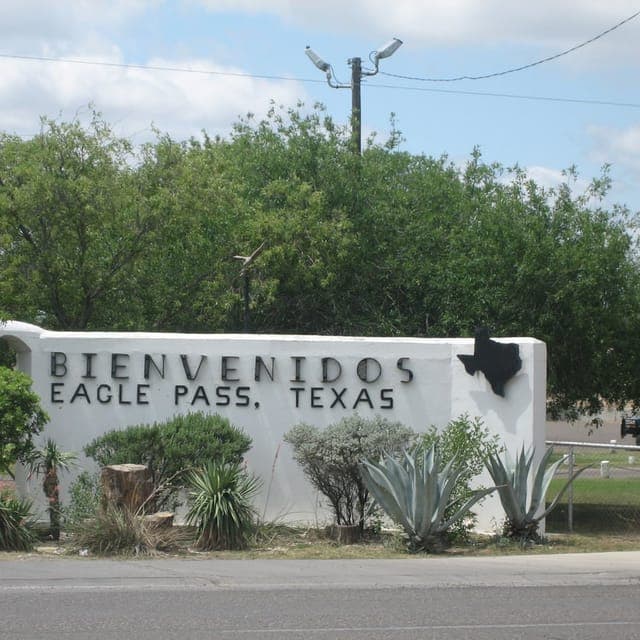
Living in Maverick County means settling into a stretch of the Rio Grande where life moves at a slower, more deliberate pace than the big Texas cities. The county’s anchor, Eagle Pass, is the only incorporated city, and it’s where most of the 57,770 residents live, work, and shop. The rest of the county is wide-open ranchland and small unincorporated communities like El Indio and Quemado, where the nearest grocery store might be a 20-minute drive. This is a place where family ties run deep, the border is a daily fact of life, and the cost of living is low enough that a median income of $51,270 stretches further than it would almost anywhere else in the state.
Daily Rhythm and Who Fits In
A typical weekday in Eagle Pass starts early. People commute an average of 23 minutes—mostly within the county—to jobs in healthcare, retail, education, or at the international bridges and ports of entry that anchor the local economy. The median age here is just 30.2, so you see a lot of young families and single adults in their twenties and thirties. The kind of person who fits in is someone who values affordability and community over nightlife and career ladder-climbing. Only 15.3% of adults hold a college degree, so the workforce is heavy on trades, service jobs, and border-related logistics. If you’re a remote worker or a retiree on a fixed income, the cost of living index of 62—well below the national 100—means your money goes a long way. The median home value sits at $151,500, making homeownership realistic for a lot of people who’d be priced out of San Antonio or Austin.
Weekends in Eagle Pass often revolve around family gatherings, church, and outdoor time. You’ll find people shopping at the Walmart on Main Street or grabbing lunch at a local spot like El Rodeo for solid Tex-Mex. The weather is hot from May through September, with summer highs regularly topping 100°F, so mornings and evenings are the prime time for being outside. Winters are mild and pleasant, which keeps the seasonal rhythm simple: you deal with the heat, then you enjoy the cool.
Sports, Community, and What There Is to Do
High school football is the undisputed king of local sports. Eagle Pass High School’s Eagles and the C.C. Winn Mavericks draw big crowds on Friday nights at the Eagle Pass Stadium, and the rivalry between them is genuine. For college sports, most locals follow the University of Texas or Texas A&M, but there’s no pro team within a two-hour drive. The nearest major-league action is in San Antonio, about 140 miles northeast. That distance shapes entertainment options: you’re not going to a concert or a Spurs game on a whim. Instead, local entertainment centers on the county’s parks and the river. The Eagle Pass Riverwalk along the Rio Grande is a popular spot for evening strolls, and the county’s Lake Amistad, about 30 miles upriver, offers fishing, boating, and camping. The annual Eagle Pass Livestock Show and Rodeo in February is a big deal, drawing families from across the county for a week of rodeo events, carnival rides, and live music.
For dining, you’re mostly looking at family-run Mexican restaurants and a few chains. A standout is La Fogata, known for its fajitas and margaritas. Nightlife is limited—a handful of bars and cantinas, but nothing like a club scene. The cultural quirk here is the deep binational identity: many residents cross into Piedras Negras, Mexico, just across the bridge, for shopping, dental work, or dinner. That cross-border rhythm is a normal part of life, not a novelty.
Pros and Cons of Living Here
Let’s be honest about the trade-offs. The biggest upside is the cost of living. A median home price of $151,500 means a family can buy a three-bedroom house on a single income of $51,270. The low cost of living index of 62 also means utilities, groceries, and gas are cheaper than the national average. The community is tight-knit; people know their neighbors, and there’s a real sense of safety in that familiarity. The violent crime rate of 346.5 per 100,000 residents is higher than the national average of about 380, but property crime is the bigger concern in Eagle Pass, especially near the border crossings.
On the downside, job opportunities are limited. The economy leans heavily on government, healthcare, and border trade, so if you’re in tech or professional services, you’ll likely be commuting to San Antonio or working remotely. The lack of entertainment options frustrates some younger residents, who drive to Piedras Negras for nightlife or to San Antonio for concerts. The summer heat is relentless, and the county’s rural areas can feel isolated if you’re used to city amenities. Schools are a mixed bag—Eagle Pass ISD is the main district, and while some schools perform well, the district overall struggles with state ratings. For families, the quality of local schools is often a deciding factor in whether to stay or move.
Ultimately, Maverick County is a place for people who prioritize affordability, family, and a slower pace over career ambition and urban amenities. It’s not for everyone, but for those who fit, it’s home.

* Values derived from national, state, county, city and local statistics and may differ in a specific area. Last updated: 2026-11-20T20:00:47.000Z
Narrative content on this page is AI-generated and may contain mistakes. Verify any details that matter before acting on them.
ReloMaps may earn a commission from affiliate links at no extra cost to you.

