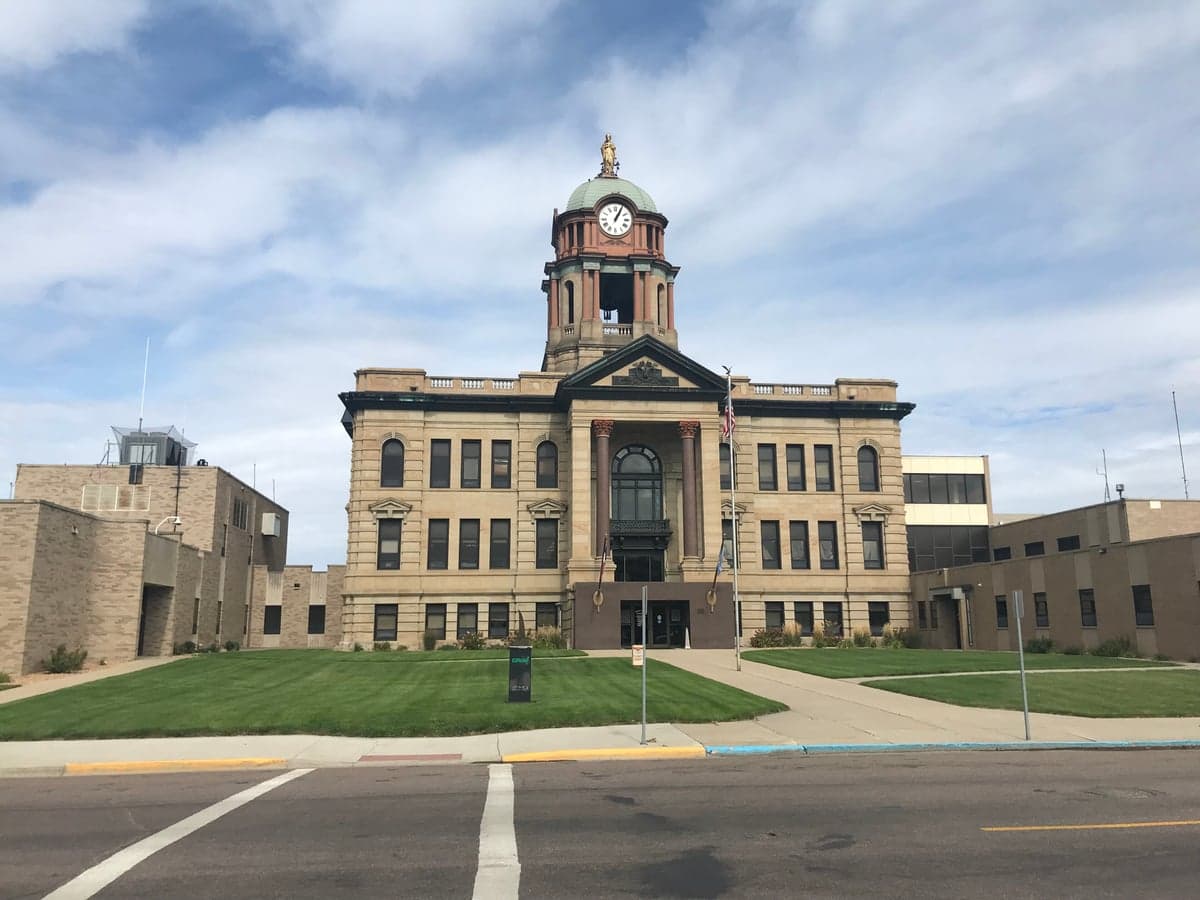
Photo: Wikipedia
Quality of Life in Brown County
A livable area that tracks near national norms for affordability, walkability, and neighborhood health.
What does Quality of Life tell us?
Quality of Life measures an area by evaluating factors like cost of living, nearby amenities, country club access, airport proximity, socioeconomic signals and neighborhood character. For large states, this is a general average — quality of life can vary dramatically between metro areas, suburbs, and rural communities within the same state.
What does this tell us?
Quality of Life measures an area by evaluating factors like cost of living, nearby amenities, country club access, airport proximity, socioeconomic signals and neighborhood character. For large states, this is a general average — quality of life can vary dramatically between metro areas, suburbs, and rural communities within the same state.
Cost of Living
29% below national average
116%
The Real Cost of Living in Brown County for 2026
| Tier | Individual | Family (4) |
|---|---|---|
| Survival | $13k | $24k |
| Comfortable | $41k | $61k |
| Luxury | $119k+ | $184k+ |
| Elite (Top 5%) | $140k+ | $217k+ |
Quality-of-Life Analysis
Brown County, South Dakota, offers a quality-of-life spectrum that ranges from the regional hub of Aberdeen, with its full-service amenities and steady job market, to quiet, unincorporated farming communities where the nearest stoplight is miles away. The county’s overall cost of living index sits at 71 (well below the US average of 100), with a median home value of $212,900 and median rent of $794, making it one of the more affordable places in the upper Midwest. This range attracts a mix of residents: young professionals and families drawn to Aberdeen’s schools and healthcare, alongside retirees and agricultural workers who prefer the solitude and lower land costs of the county’s rural townships.
Largest town(s) & population centers
Aberdeen is the undisputed population and economic center of Brown County, home to roughly 28,000 residents and the county seat. Daily life here revolves around a compact downtown with local restaurants, the Northern State University campus, and the Avera St. Luke’s Hospital system, which is the region’s largest employer. The city offers a full slate of amenities—a performing arts center, a multiplex cinema, multiple grocery chains, and a regional shopping mall—that are rare for a town of its size in South Dakota. The average commute in the county is just 13.4 minutes, and for Aberdeen residents, that figure is often even lower, with most errands reachable within a 10-minute drive. Families are drawn to the Aberdeen Public School District, which includes three elementary schools, a middle school, and Central High School, consistently rated among the state’s top 20. For outdoor recreation, residents use the Wylie Park complex, which includes a lake, campground, and the Storybook Land theme park.
Smaller towns & rural pockets
Outside Aberdeen, the county’s smaller communities offer a distinctly quieter pace. Groton (pop. ~1,450) sits 20 miles northeast and is known for its strong K-12 school system and annual Groton Dairy Day festival. Claremont (pop. ~110) and Hecla (pop. ~220) are tiny agricultural service centers near the James River, where grain elevators and a single gas station define the commercial landscape. Warner (pop. ~450) lies just south of Aberdeen and functions as a bedroom community, with many residents commuting the 10 minutes into the city for work. Unincorporated areas like Rondell and Ferney are little more than crossroads with a handful of homes and active farmsteads. In these pockets, internet access can be limited to satellite or fixed wireless, and the nearest hospital or supermarket is a 20- to 30-minute drive into Aberdeen. Property taxes here are among the lowest in the county, with many rural parcels assessed at under $100,000.
Cost & lifestyle range
The cost-of-life spread across Brown County is wide but consistently affordable. At the low end, a two-bedroom rental in a small town like Claremont or Hecla can be found for $500–$600 per month, and a modest three-bedroom home on a rural lot might sell for $150,000–$180,000. At the higher end, newer construction in Aberdeen’s Lakewood Addition or near the Brown County Golf Course can push past $350,000, though even that is well below the national median. Renters in Aberdeen pay a median of $794, which is roughly 30% less than the national average. Lifestyle differences are stark: Aberdeen offers multiple dining options, a YMCA, and a regional airport with daily flights to Denver; rural residents trade those conveniences for acreage, privacy, and the ability to hunt or fish on their own land. The county’s property tax rate is roughly 1.2% of assessed value, one of the lowest in the state, which keeps carrying costs low for homeowners in all areas.
Brown County is best suited for people who value a low cost of living and short commutes but are willing to accept a limited range of cultural and retail options. Young families and professionals will find the most opportunity in Aberdeen, while retirees, remote workers, and agricultural families often prefer the lower density and lower housing costs of Groton, Warner, or the unincorporated townships. The county’s combination of a strong regional hub and genuinely rural surroundings means that most residents can find a niche that matches their budget and lifestyle preferences without leaving the county lines.

Crime in Brown County
Generally safer than 61% of comparable U.S. locations.
Violent CrimeViolent Crime Analysis
Property CrimeProperty Crime Analysis
Crime Analysis
Brown County, South Dakota, presents a mixed safety profile where property crime rates notably exceed national averages while violent crime remains slightly below the U.S. median. The county's overall crime picture is heavily influenced by its largest city, Aberdeen, which accounts for the majority of reported incidents, while smaller communities like Groton, Hecla, and Warner experience significantly lower crime volumes. Residents and prospective movers should weigh these localized differences carefully, as neighborhood-level variation within Aberdeen itself can be substantial.
Crime in context
Brown County's violent crime rate of 293.6 per 100,000 residents sits just below the national average of approximately 380 per 100,000, but is notably higher than the South Dakota state average of roughly 260 per 100,000. The property crime rate of 1,283 per 100,000 is a more significant concern, exceeding both the state average (around 1,100 per 100,000) and the national average (approximately 1,200 per 100,000). These figures place Brown County in a middle tier among South Dakota counties—safer than Minnehaha County (Sioux Falls) or Pennington County (Rapid City), but less safe than rural counties like McPherson or Marshall. The county's location along the U.S. Highway 12 and Interstate 29 corridors contributes to transient crime, including vehicle thefts and burglaries targeting unoccupied rural properties.
What residents experience
In Aberdeen, the county seat and economic hub, property crime—particularly theft from vehicles and residential burglary—is the most common complaint, concentrated around the downtown core and areas near Northern State University. Violent crime in Aberdeen is typically non-random, involving domestic disputes or altercations among acquaintances, with aggravated assault accounting for roughly 70% of violent incidents. The Brown County State's Attorney's Office, led by a conservative prosecutor, maintains a firm stance on felony property crimes and drug offenses, which has kept repeat-offender rates lower than in more progressive jurisdictions. However, residents in outlying towns like Groton (population ~1,500) and Hecla (~300) report near-zero violent crime and only occasional thefts, making them attractive for families seeking a quieter environment. Warner, a small bedroom community just south of Aberdeen, benefits from its proximity to the county sheriff's patrols and has seen no homicides in over a decade.
Neighborhood-level variation and judicial impact
Within Aberdeen, the safest areas are the west-side neighborhoods near Wylie Park and the residential streets east of North State Street, where home values are higher and police response times average under five minutes. The northeast quadrant, particularly around the industrial zone and lower-income housing near the railroad tracks, sees higher rates of reported theft and vandalism. The Brown County Commission and local judges have resisted progressive sentencing reforms common in larger metro areas, instead emphasizing mandatory minimums for drug trafficking and burglary convictions. This conservative judicial philosophy means that offenders in Brown County face a 78% conviction rate for felony property crimes, compared to lower rates in more liberal jurisdictions. For prospective residents, the practical takeaway is that property crime is a real concern countywide—especially in Aberdeen—but violent crime is rare and typically targeted. Choosing a home in Groton, Hecla, or the west side of Aberdeen significantly reduces exposure to both categories of crime.
* Values derived from national, state, county, city and local statistics and may differ in a specific area. Last updated: 2026-07-06T23:41:48.000Z
Narrative content on this page is AI-generated and may contain mistakes. Verify any details that matter before acting on them.
ReloMaps may earn a commission from affiliate links at no extra cost to you.

