Photo: Wikipedia
Find The Best Places To Live in Minnehaha County
PRO TIP! You can paste a Zillow or Redfin link to get info on that property.
Best Places to Live in Minnehaha County
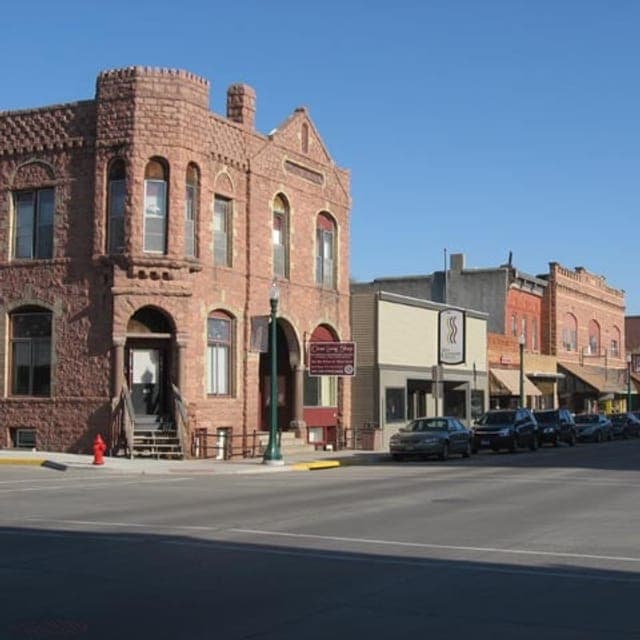
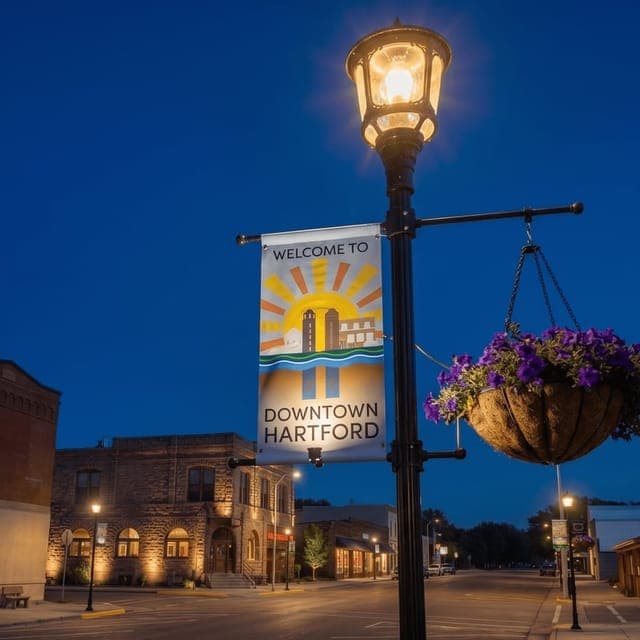
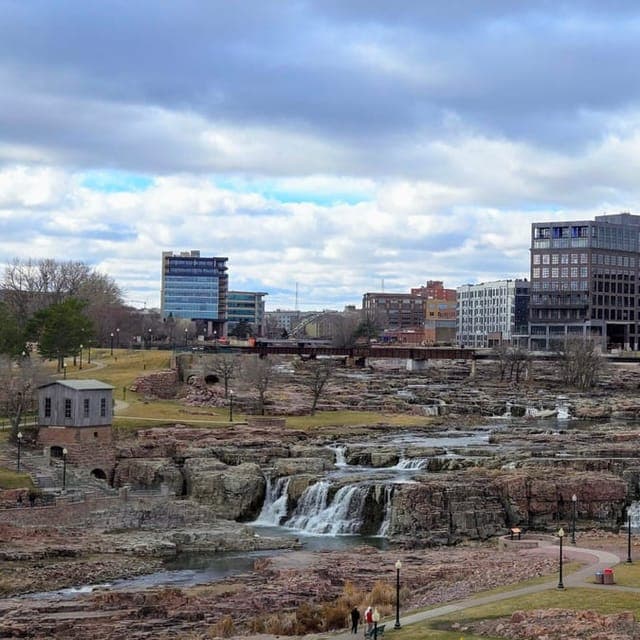
Cities & Towns in Minnehaha County
Cities in Minnehaha County
What It's Like Living in Minnehaha County, SD
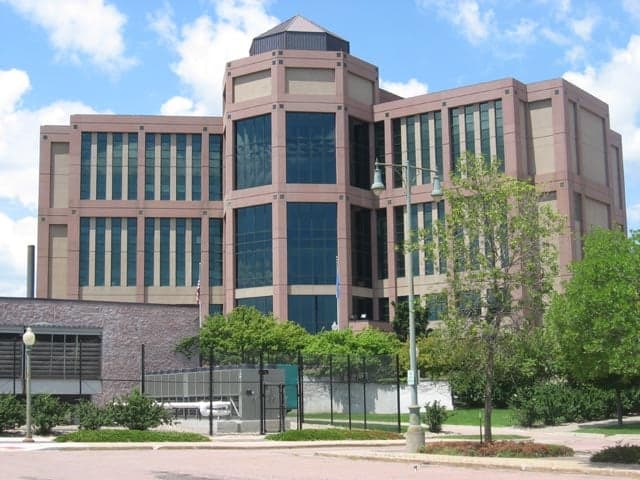
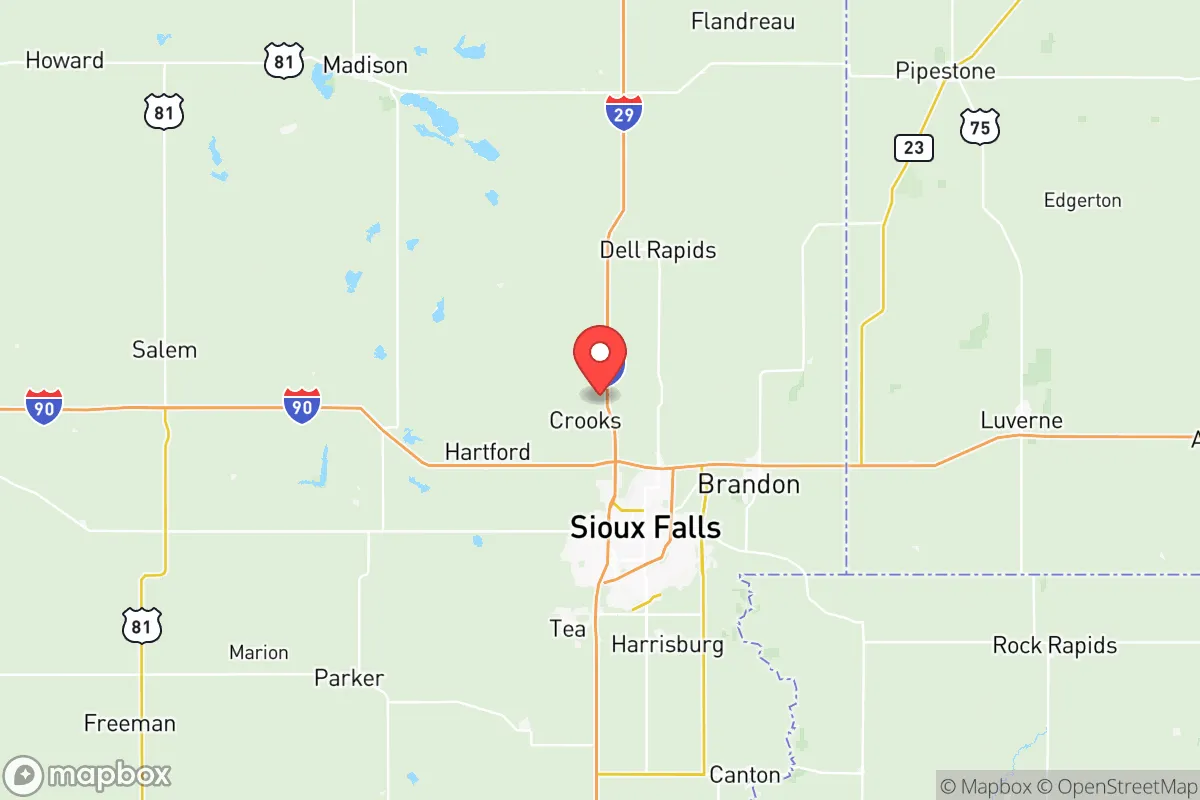
If you picture South Dakota as nothing but rolling prairie and small farming towns, Minnehaha County will surprise you. Anchored by Sioux Falls, the state’s largest city, this county is the economic and cultural engine of eastern South Dakota, where a fast-growing metro area meets wide-open farmland and quiet small towns like Brandon, Dell Rapids, and Hartford. It’s a place where you can grab a craft beer at a downtown Sioux Falls brewery one night and be hiking the trails at Palisades State Park the next, all without the traffic headaches or cost-of-living stress of a big city.
The Daily Rhythm: Work, Commute, and Weekend Errands
Life here moves at a comfortable pace. The average commute in Minnehaha County is just over 18 minutes, which means most people spend less time in the car and more time at home or out doing things. In Sioux Falls, the workday often revolves around major employers like Sanford Health, Avera Health, and Citibank, which together anchor a surprisingly diverse economy for the region. In smaller towns like Brandon or Dell Rapids, the rhythm is quieter — think local diners for breakfast, kids walking to school, and neighbors who actually know each other. The cost of living index sits at 87, well below the national average, and with a median household income of $76,074, families here find they can actually afford a house. The median home value is $266,600, which feels like a steal to anyone coming from Denver or Minneapolis.
Weekends often involve a mix of practical errands and genuine fun. People shop at the Empire Mall or the newer retail developments along 41st Street in Sioux Falls, but they also hit the Falls Park farmers market in summer or take a short drive to Palisades State Park for kayaking and climbing. In the winter, ice fishing on the Big Sioux River and nearby lakes is a genuine pastime, not just a stereotype. The county’s median age of 35.7 reflects a population that’s young enough to be active but settled enough to care about school districts and property taxes.
Sports, Schools, and Community Pride
High school sports are a big deal here, especially in the smaller towns. On a Friday night in the fall, you’ll find the stands packed for football in Dell Rapids or Brandon, where the Quarriers and the Bears draw crowds that rival some small colleges. In Sioux Falls, the Sioux Falls Storm indoor football team has a loyal following, and the Sioux Falls Canaries baseball team offers affordable summer entertainment at the Birdcage. College sports are less dominant, but the University of Sioux Falls and Augustana University both field competitive teams that keep local sports fans engaged.
Schools themselves are a central part of community identity. The Sioux Falls School District is the largest in the state, but districts in Brandon Valley and Tea are known for strong academics and smaller class sizes. Families often choose where to live based on school boundaries, and the county’s relatively young population means school events are well-attended and well-funded. About 34.6% of adults here hold a college degree, which is slightly below the national average but rising as the metro area attracts more professionals.
What to Do: Festivals, Food, and the Outdoors
Minnehaha County punches above its weight when it comes to entertainment. The Sioux Falls Jazz and Blues Festival draws big crowds every summer, and the Sioux Empire Fair is a genuine county fair with rodeos, carnival rides, and 4-H competitions. In downtown Sioux Falls, Phillips Avenue is lined with local restaurants and bars — places like M.B. Haskett Delicatessen for sandwiches, Monkey’s Lounge for a dive-bar vibe, and Severance Brewing Company for craft beer. For a quieter night, the Washington Pavilion hosts concerts, Broadway tours, and a science center that families love.
Outdoor life is a major draw. The Big Sioux River runs right through the county, and the greenway trail system in Sioux Falls is over 30 miles long, perfect for biking, running, or walking the dog. Palisades State Park in Garretson is a 25-minute drive from downtown Sioux Falls and offers quartzite rock formations, hiking, and camping that feel far removed from suburban life. In the winter, cross-country skiing and ice skating at the Scheels IcePlex keep people moving despite the cold.
Honest Pros and Cons of Living Here
Let’s be real: no place is perfect. Here’s what longtime residents love and what frustrates them.
- Pro: Affordability. You can buy a nice home in Hartford or Crooks for under $300,000 and still be 15 minutes from downtown Sioux Falls. The cost of living is genuinely low, and incomes are solid.
- Pro: Community feel. Even in Sioux Falls, people are friendly and neighborly. In towns like Dell Rapids, the sense of community is strong — parades, church potlucks, and knowing your mailman by name are real.
- Con: Winters are long and cold. From November through March, temperatures often drop below freezing, and the wind across the prairie can be brutal. Cabin fever is a real thing.
- Con: Limited nightlife and cultural options. While Sioux Falls has more than you’d expect for a city its size, it’s not Chicago or Denver. If you crave world-class museums, late-night clubs, or a huge music scene, you’ll feel the limits.
- Con: Violent crime rate is 293.6 per 100,000, which is above the national average. Most crime is concentrated in specific areas of Sioux Falls, and the smaller towns are very safe, but it’s worth knowing.
Minnehaha County works best for people who want a balance — good jobs, affordable homes, and a slower pace, but with enough restaurants, parks, and events to keep life interesting. It’s not for everyone, but for the 200,000-plus people who call it home, it’s exactly right.

* Values derived from national, state, county, city and local statistics and may differ in a specific area. Last updated: 2026-07-04T13:28:05.000Z
Narrative content on this page is AI-generated and may contain mistakes. Verify any details that matter before acting on them.
ReloMaps may earn a commission from affiliate links at no extra cost to you.

