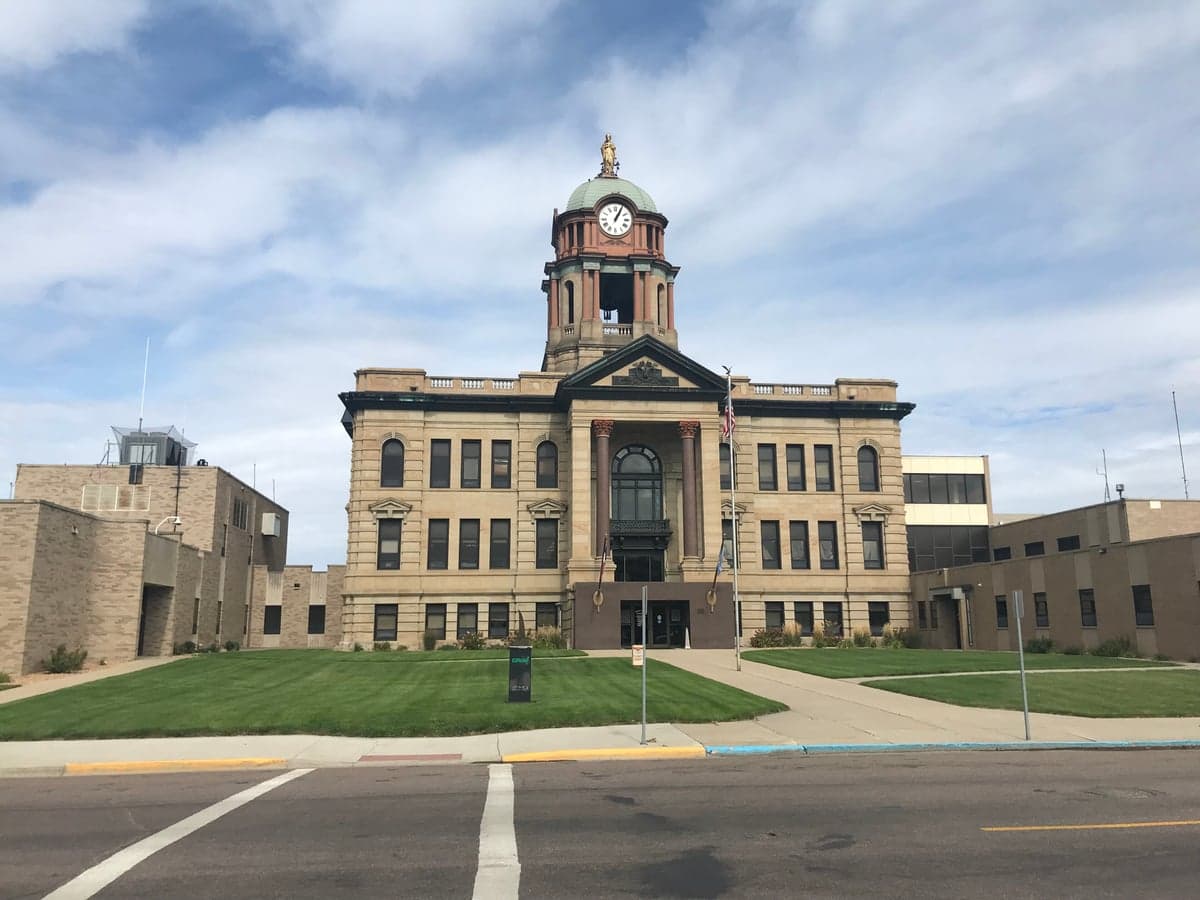
Photo: Wikipedia
Find The Best Places To Live in Brown County
PRO TIP! You can paste a Zillow or Redfin link to get info on that property.
Best Places to Live in Brown County
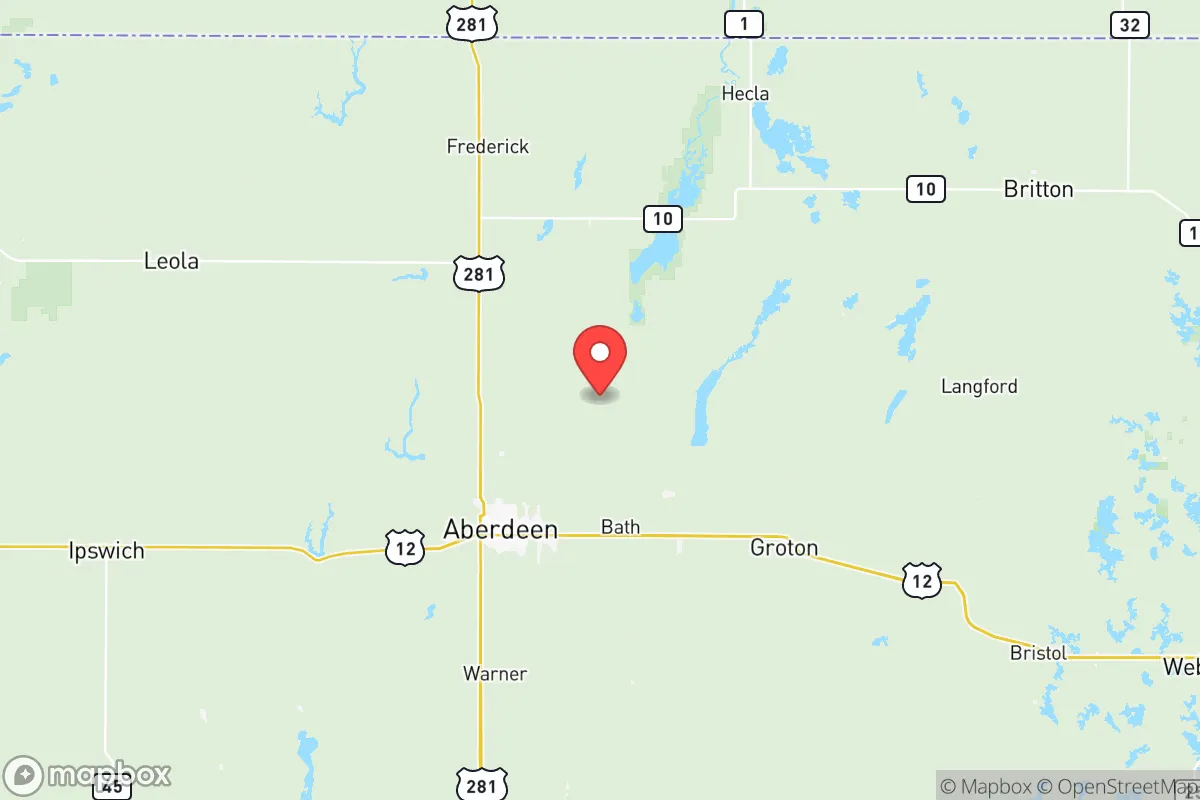
Cities & Towns in Brown County
Cities in Brown County
What It's Like Living in Brown County, SD
Living in Brown County, South Dakota, means being part of a region where the small-city anchor of Aberdeen provides most of the jobs and shopping, while the surrounding towns like Groton, Frederick, and Warner offer quieter, more rural lifestyles. The area has a steady, grounded feel—people work hard, support local schools, and value the space and affordability that come with living off the beaten path. It’s not a place for those seeking nightlife or urban energy, but for families and individuals who want a safe, low-cost environment with a strong sense of community, it fits like a well-worn glove.
Daily Rhythm: Work, Commute, and Weekend Routines
Most of the county’s economic activity centers on Aberdeen, home to major employers like 3M, Avera Health, and Northern State University. The average commute across the county is just over 13 minutes, meaning people who live in outlying towns like Groton or Frederick can be at their desks in Aberdeen in under 20 minutes. Weekday evenings often involve youth sports practices, church events, or a quick dinner at a local spot like Maverick’s Steakhouse or The Ward in Aberdeen. Weekends are for errands at the Aberdeen Mall, hitting the Brown County Speedway for stock car races, or heading to Richmond Lake for fishing and kayaking. The pace is deliberate, not rushed.
The median household income of $70,239 sits slightly below the national average, but the cost of living index of 71 makes that money stretch significantly further. A median home value of $212,900 means a family can afford a three-bedroom house on a single income in places like Warner or Westport, something increasingly rare in larger metros. The trade-off is fewer high-end retail options—residents often drive to Sioux Falls or Fargo for major furniture or electronics purchases.
Sports, Community, and Local Pride
High school sports are the heartbeat of Brown County’s social calendar. Aberdeen Central and Roncalli High School draw big crowds for football and basketball, and the rivalry with Groton Area High School is genuine, not manufactured. Northern State University’s Wolves basketball and football games provide a college sports outlet, with the Barnett Center regularly packed during winter months. For a taste of local tradition, the Brown County Fair in Aberdeen each August is a week-long event with rodeos, carnival rides, and 4-H livestock shows that bring families from every corner of the county.
The area also has a strong hunting and outdoor culture. Deer and pheasant seasons are practically holidays, with many residents taking time off work to hunt in the fields around Hecla and Stratford. The Sand Lake National Wildlife Refuge, just north of the county line, is a major draw for birdwatchers and waterfowl hunters. If you don’t hunt or fish, you might feel slightly outside the mainstream, but there’s still plenty of community through church groups, volunteer fire departments, and local library events.
What’s There to Do: Entertainment, Dining, and Quirks
Entertainment options are modest but genuine. Aberdeen’s Dacotah Bank Center hosts concerts and rodeos, and the Storybook Land Theatre offers family-friendly plays. For dining, Mama Mia’s serves reliable Italian, and Kountry Kitchen is the go-to for breakfast. A notable local quirk: Brown County has a higher-than-average number of drive-in movie theaters for its size, with the Starlite Drive-In in Aberdeen still operating during summer months—a nostalgic experience that draws families from across the region.
One cultural marker is the area’s strong German-Russian heritage, visible in church suppers and community potlucks where kuchen and knoephla soup are common. The county also has a small but active arts scene centered on Northern State’s Johnson Fine Arts Center. What frustrates some residents is the lack of variety in late-night options—most restaurants close by 9 p.m., and bars are the primary evening social venues. If you crave live music beyond cover bands or a diverse food scene, you’ll need to plan trips to Sioux Falls or Minneapolis.
Pros and Cons of Living Here
- Pros: Extremely affordable housing and cost of living; short commutes; strong community ties; low violent crime rate (293.6 per 100K, below the national average); excellent hunting and outdoor access; good schools in Aberdeen and Groton.
- Cons: Harsh winters with frequent snow and wind chills below zero; limited job diversity outside healthcare, education, and manufacturing; few entertainment or dining options after 9 p.m.; a 33.2% college-educated rate means fewer white-collar professional networks; the nearest major city (Sioux Falls) is a 2.5-hour drive.
The median age of 37.8 suggests a population that’s settled—many residents grew up here and stayed, or moved back after college. Newcomers often come for jobs at 3M or Avera and find that the social scene revolves around church, school, and sports. If you’re a single professional in your 20s, you might find the dating pool shallow, but families with young children will appreciate the safety, affordability, and community focus. Brown County isn’t for everyone, but for those who value space, low pressure, and real connections, it’s a place where life feels manageable and meaningful.

* Values derived from national, state, county, city and local statistics and may differ in a specific area. Last updated: 2026-07-06T23:41:48.000Z
Narrative content on this page is AI-generated and may contain mistakes. Verify any details that matter before acting on them.
ReloMaps may earn a commission from affiliate links at no extra cost to you.

